
GLP‑1 Era Eating: A High‑Protein Greek Chicken Bowl Recipe for Ozempic & Wegovy Users
High‑Protein Mediterranean Chicken Bowl for the GLP‑1 (Ozempic/Wegovy) Era
The explosive rise of GLP‑1 medications like Ozempic, Wegovy, Mounjaro, and Zepbound is rewiring our daily relationship with food. With smaller appetites and slower digestion, every bite has to count—especially for protein, fiber, and micronutrients. This Mediterranean‑inspired high‑protein chicken bowl is built for the GLP‑1 era: tender herbed chicken, creamy Greek yogurt sauce, crunchy vegetables, and fiber‑rich grains, all in a colorful bowl that’s satisfying without being heavy. It’s a gentle, nutrient‑dense option for days when you know you need to eat but your appetite just isn’t talking.
Quick Recipe Summary
- Prep time: 20 minutes (plus 30 minutes optional marinating)
- Cook time: 20 minutes
- Total time: 40–60 minutes
- Servings: 4 small–moderate bowls (GLP‑1 friendly portions)
- Difficulty: Easy
- Diet: High‑protein, Mediterranean‑inspired, gluten‑free option
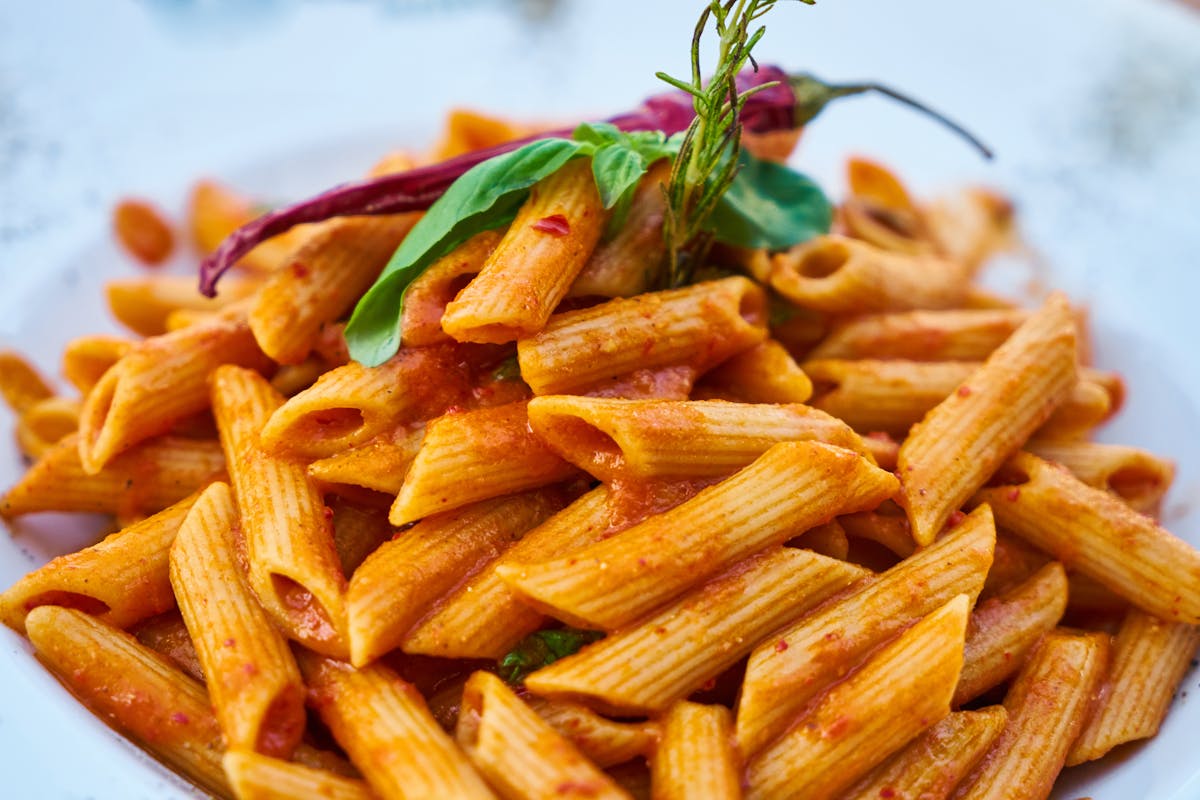
Eating Well in the GLP‑1 (Ozempic/Wegovy) Diet Era
GLP‑1 medications were originally developed for type 2 diabetes, but they’ve rapidly become part of mainstream weight‑management conversations. These drugs mimic the GLP‑1 hormone, which slows how quickly food leaves your stomach and makes you feel full sooner and for longer.
On TikTok, YouTube, and Instagram, “Ozempic diaries” and dramatic before‑and‑after posts often share a similar story: people feel less hungry, sometimes even indifferent to food. That can sound convenient, but it comes with real nutritional risks—especially loss of lean muscle, low fiber intake, and micronutrient gaps.
In the GLP‑1 era, diet quality matters more than ever: fewer bites, but every bite more nourishing.
This recipe is built around that idea: a compact, flavorful bowl that delivers serious protein, fiber, and healthy fats without overwhelming a reduced appetite.
Key GLP‑1 Nutrition Principles in This Recipe
- Protein preservation: Each bowl provides a generous dose of high‑quality protein from chicken and Greek yogurt, supporting muscle maintenance when total calories are lower.
- Micronutrient density: Colorful vegetables and fresh herbs bring vitamin C, K, folate, potassium, and antioxidant‑rich plant compounds.
- Fiber and gut health: Choose a base of quinoa, brown rice, or lentils to support regularity—especially important when gastric emptying is slower.
- Protein‑first meal structure: The bowl is designed around protein, with vegetables and complex carbs layered in, mirroring what GLP‑1‑savvy dietitians recommend.
- Gentle on smaller appetites: Bright, fresh flavors and varied textures entice you to eat, while small bowl portions respect satiety signals.
High‑Protein Mediterranean Chicken Bowl (GLP‑1 Friendly)
Think of this bowl as your “protein‑first” anchor meal: it gives structure to your day and makes it easier to hit the protein and fiber targets many GLP‑1 users struggle with, without relying on ultra‑processed snacks or shakes.
Equipment You’ll Need
- Cutting board and sharp chef’s knife
- Medium mixing bowls (2–3)
- Small saucepan with lid (for grains)
- Grill pan, cast‑iron skillet, or nonstick skillet
- Measuring cups and spoons
- Tongs or spatula
- Small whisk or fork (for sauces and marinades)
- Serving bowls (wide, shallow bowls work best)
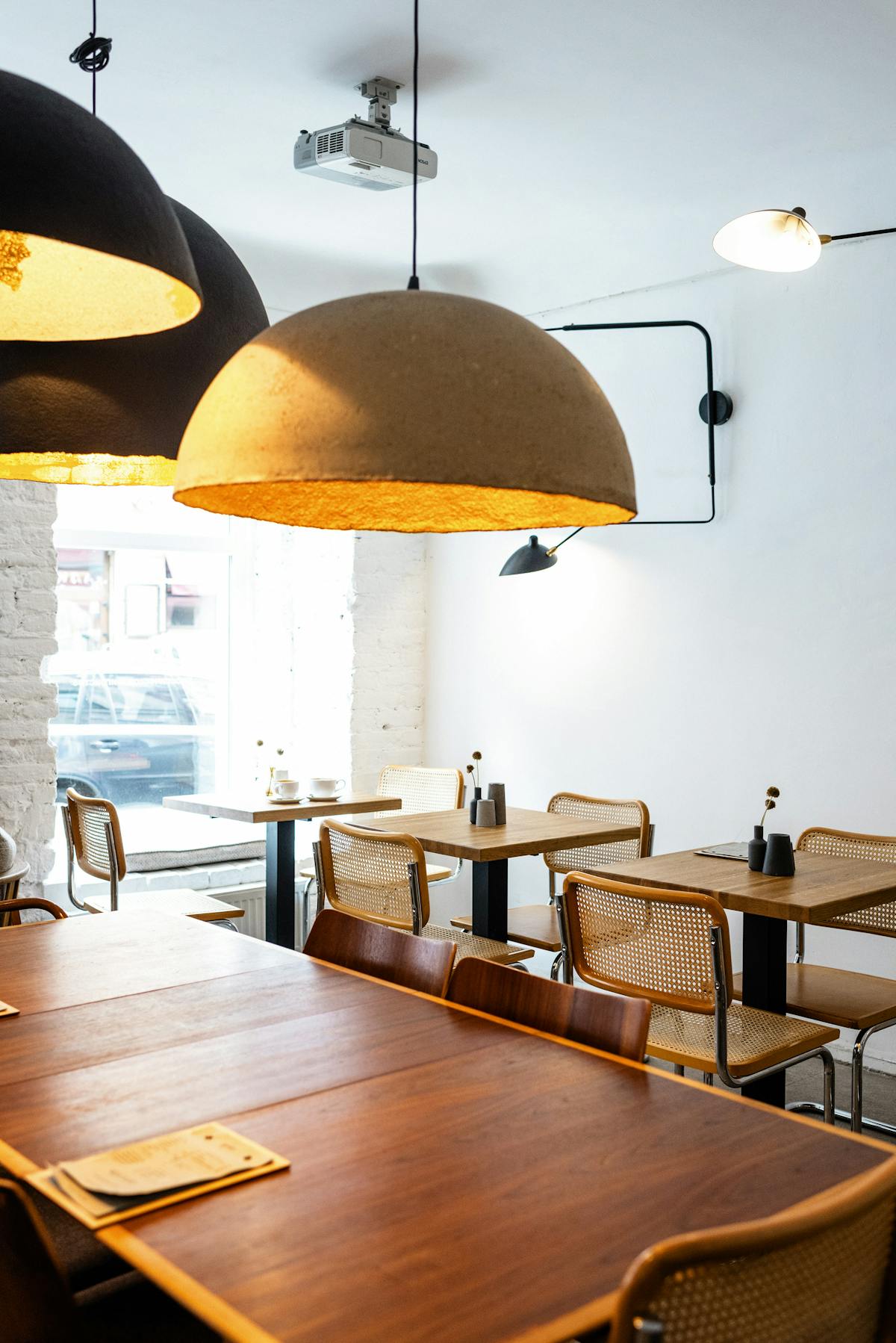
Ingredients for a High‑Protein GLP‑1 Friendly Chicken Bowl
For the Lemon‑Herb Chicken
- 1.5 lb (680 g) boneless skinless chicken breasts or thighs, trimmed
- 2 tbsp extra‑virgin olive oil
- 3 tbsp fresh lemon juice (about 1 large lemon)
- 3 cloves garlic, minced
- 1½ tsp dried oregano
- 1 tsp ground cumin
- ½ tsp smoked paprika (or sweet paprika)
- ¾ tsp fine sea salt
- ¼ tsp freshly ground black pepper
For the Fiber‑Rich Grain Base
- 1 cup (185 g) uncooked quinoa or brown rice, rinsed
- 2 cups (480 ml) low‑sodium chicken or vegetable broth, or water
- Pinch of salt (if broth is unsalted)
For the Fresh Veggie Topping
- 1 large English cucumber, diced
- 1 cup (150 g) cherry or grape tomatoes, halved
- ½ small red onion, finely diced
- ¼ cup (30 g) pitted Kalamata olives, sliced (optional)
- ¼ cup (15 g) fresh flat‑leaf parsley, chopped
- ¼ cup (15 g) fresh mint, chopped (optional but refreshing)
- 1–2 tsp extra‑virgin olive oil
- Squeeze of lemon juice, pinch of salt
For the Protein‑Boosting Greek Yogurt Sauce
- 1¼ cups (300 g) plain 2% or nonfat Greek yogurt
- 1 tbsp fresh lemon juice
- 1 small garlic clove, finely grated or minced
- 1 tbsp extra‑virgin olive oil
- ¼ tsp fine sea salt
- 1–2 tbsp water, to thin as needed
Optional Toppings (for Extra Healthy Fats & Texture)
- ½ medium avocado, sliced or diced
- ¼ cup (30 g) crumbled feta cheese
- 2 tbsp toasted pumpkin seeds or sunflower seeds
- Extra chopped herbs for garnish
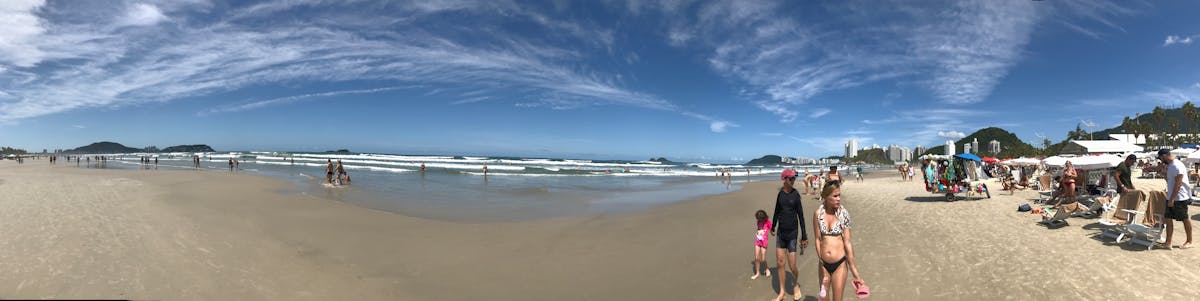
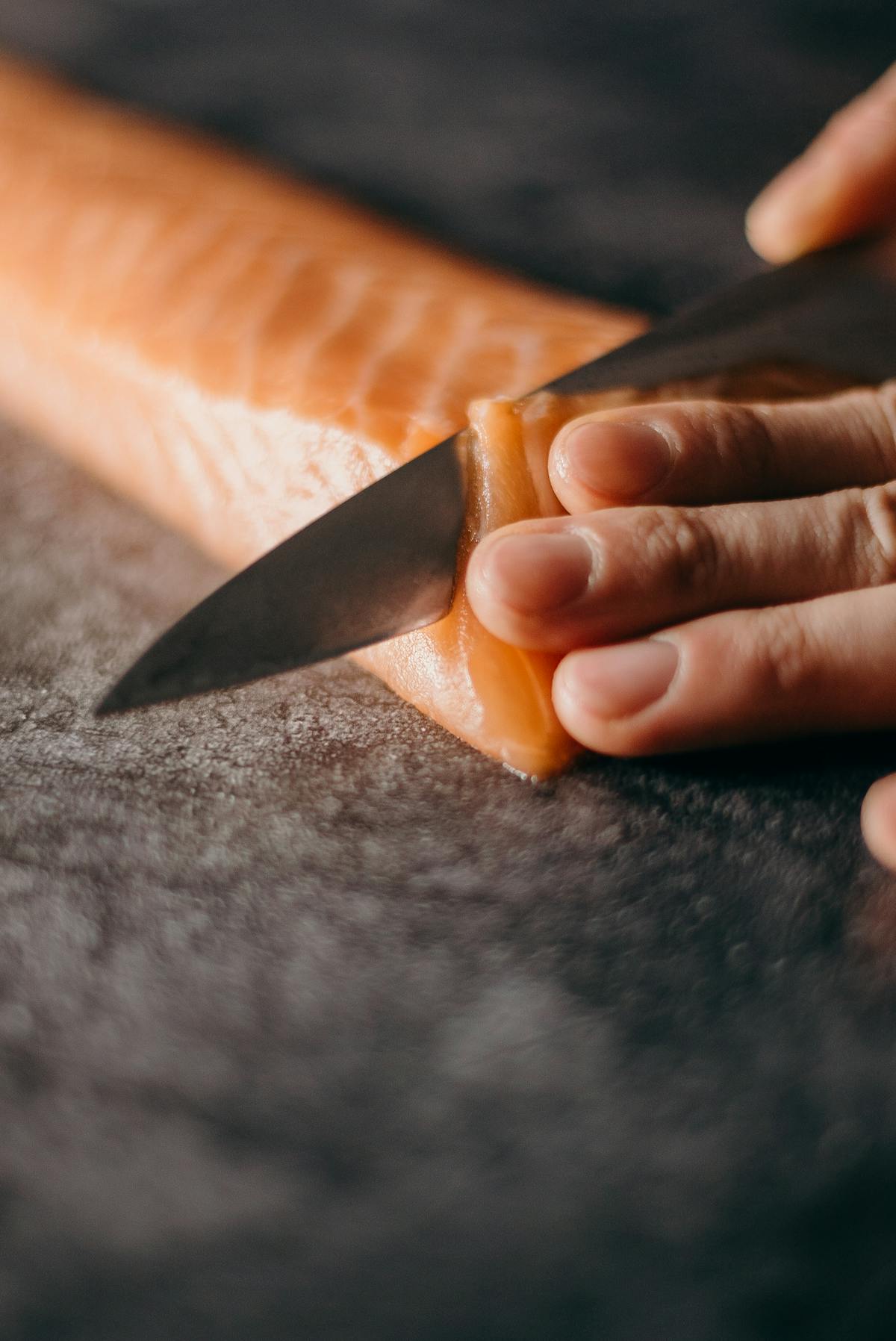
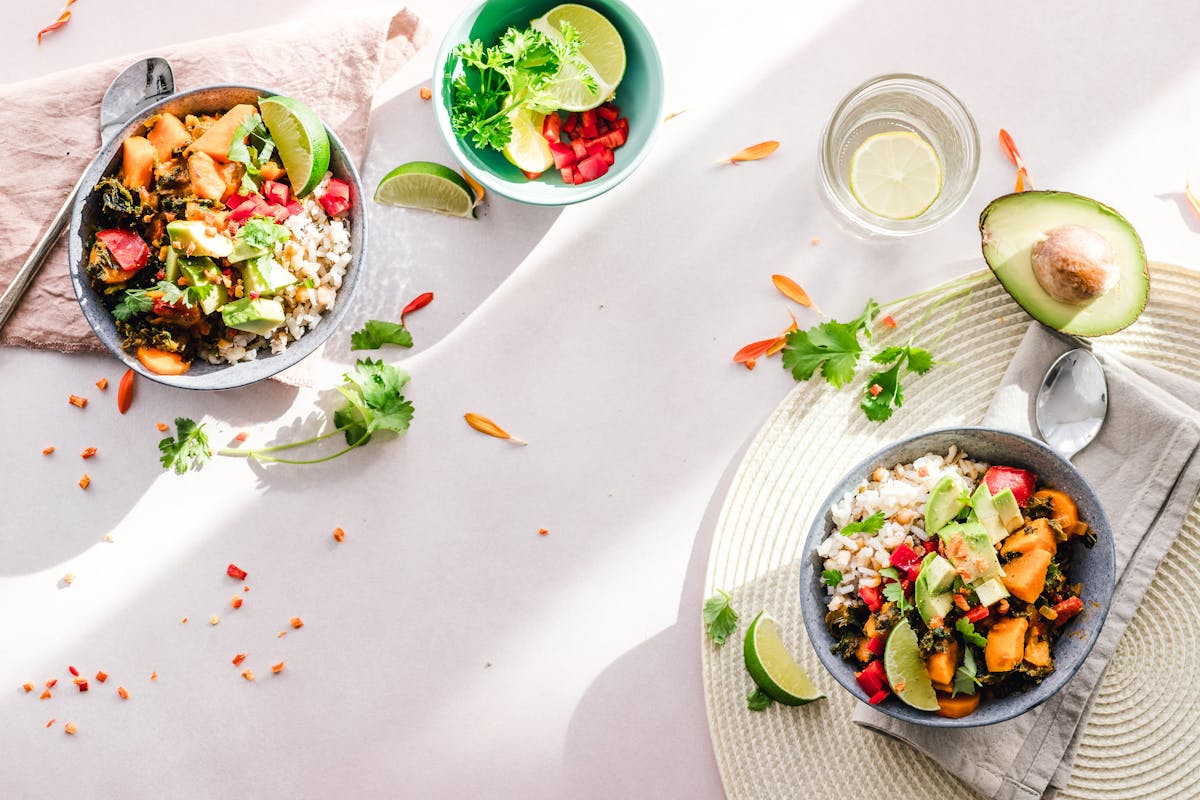
Step‑by‑Step Visual Guide
For newer cooks—or anyone with low energy while adjusting to GLP‑1 medications—seeing the process can make cooking feel calmer and more approachable.


Step‑by‑Step Cooking Instructions
- Marinate the chicken (10–30 minutes):
In a medium bowl, whisk together 2 tbsp olive oil, 3 tbsp lemon juice, minced garlic, oregano, cumin, smoked paprika, ¾ tsp salt, and pepper. Add the chicken and turn to coat thoroughly. Let it sit at room temperature for 20–30 minutes, or cover and refrigerate for up to 8 hours. - Cook the grain base (15–25 minutes, hands‑off):
Rinse quinoa or brown rice under cold water. In a small saucepan, combine the grain with broth or water and a pinch of salt. Bring to a boil over medium‑high heat, then reduce to low, cover, and simmer according to package directions until tender (quinoa usually 15 minutes; brown rice 25–35). Turn off the heat and rest, covered, for 5 minutes, then fluff with a fork. - Mix the fresh veggies (10 minutes):
While the grains cook, add cucumber, tomatoes, red onion, olives (if using), parsley, and mint to a bowl. Drizzle with 1–2 tsp olive oil, add a squeeze of lemon, and season with a small pinch of salt. Toss gently and set aside. The salt will draw out some juices and create a light, flavorful dressing. - Make the Greek yogurt sauce (5 minutes):
In a small bowl, stir together Greek yogurt, 1 tbsp lemon juice, grated garlic, 1 tbsp olive oil, and ¼ tsp salt. Add 1–2 tbsp water, a little at a time, until the sauce is creamy and spoonable. Taste and adjust seasoning. - Cook the chicken (10–12 minutes):
Heat a grill pan or skillet over medium‑high heat and brush lightly with oil. Remove chicken from the marinade, letting excess drip off. Cook 5–7 minutes per side (depending on thickness), until the center reaches 165°F (74°C) and the outside has golden‑brown spots. Transfer to a cutting board and rest for 5 minutes, then slice into strips or bite‑sized pieces. - Assemble GLP‑1 friendly bowls:
Add a modest scoop of warm grains (about ½ cup) to each bowl. Top with a portion of sliced chicken, a handful of veggie mix, and a generous spoonful of yogurt sauce. Finish with avocado slices, crumbled feta, and seeds if using.
GLP‑1 Specific Eating Tips for This Recipe
Many Ozempic and Wegovy users report nausea, early fullness, or simply forgetting to eat. This bowl is flexible so you can match it to your body’s signals.
- Prioritize protein first: If you get full quickly, start with the chicken and yogurt sauce, then move to the veggies and grains.
- Smaller, slower bites: Take your time; GLP‑1 meds already slow digestion, so eating calmly can help prevent discomfort.
- Hydrate between meals: Sip water or herbal tea between meals rather than chugging large amounts with your bowl.
- Adjust the grains: On days your appetite is low, cut the grain portion in half and double the veggies instead.
- Use leftovers strategically: Keep cooked chicken and grains in the fridge so building another protein‑rich plate takes less than 5 minutes.
Variations & Dietary Adaptations
Storage & Reheating Instructions
One of the biggest GLP‑1 challenges is that appetite can be unpredictable. Having ready‑to‑go components in the fridge makes it easier to nourish yourself even on low‑hunger days.
- Cooked chicken: Store sliced chicken in an airtight container in the fridge for up to 3–4 days. Reheat gently in a covered skillet over low heat with a splash of water or broth, or warm in the microwave in 20–30 second bursts to avoid drying.
- Cooked grains: Keep quinoa or rice in a covered container in the fridge for up to 4 days. Add a teaspoon of water before reheating to fluff it back up.
- Veggie mix: Best within 2–3 days. Store separately from hot components to keep it crisp. If it releases extra juices, just toss again before serving.
- Greek yogurt sauce: Keeps well for 3–4 days in a sealed container. Stir before using; thin with a few drops of water or lemon juice if it thickens.
Serving Suggestions & Complementary Dishes
This Mediterranean chicken bowl stands beautifully on its own, but you can round out your GLP‑1 friendly menu with simple sides that add hydration, fiber, and variety without a lot of extra prep.
- Light starter: A small bowl of lemony vegetable soup or broth‑based chicken soup is comforting and gentle on digestion.
- Extra greens: Serve with a handful of arugula or baby spinach dressed in olive oil and lemon juice for a leafy green boost.
- Simple dessert: Fresh berries with a spoonful of Greek yogurt or a sprinkle of chopped nuts keep things fiber‑rich and blood‑sugar‑friendly.
- Strength‑training pairing: Enjoy this bowl within a couple of hours after resistance training to support muscle maintenance while on GLP‑1s.
Beyond Before‑and‑Afters: Using Food to Support GLP‑1 Medications
The GLP‑1 era has moved the conversation from “Do these drugs work?” to “How do I eat well while I’m on them—and after?” Social media makes it easy to focus on the dramatic transformation photos, but your long‑term health hinges more on what’s on your plate day after day: steady protein, colorful plants, and fiber that takes care of your gut.
Recipes like this Mediterranean chicken bowl won’t fight your medication’s effects—they’ll work alongside them, helping you preserve muscle, stabilize energy, and actually look forward to eating again. Start with this bowl, adjust it to your taste and appetite, and let it be a template for many high‑protein, high‑color meals to come.
Wherever you are on your GLP‑1 journey, you deserve food that nourishes you and genuinely tastes good. One satisfying, balanced bowl at a time can make a real difference.
