George Clooney, French Citizenship, and the New Era of Global Celebrities
George Clooney, Amal Clooney and their twins Ella and Alexander have just been granted French citizenship — a story that sits at the crossroads of celebrity culture, international politics and the very modern idea of “home” for the global elite. It’s not just a feel-good headline about a famous family settling into their beloved Lake Como–meets-Provence lifestyle; it’s also a glimpse into how countries like France use star power, human-rights advocacy and cultural prestige to shape their image on the world stage.
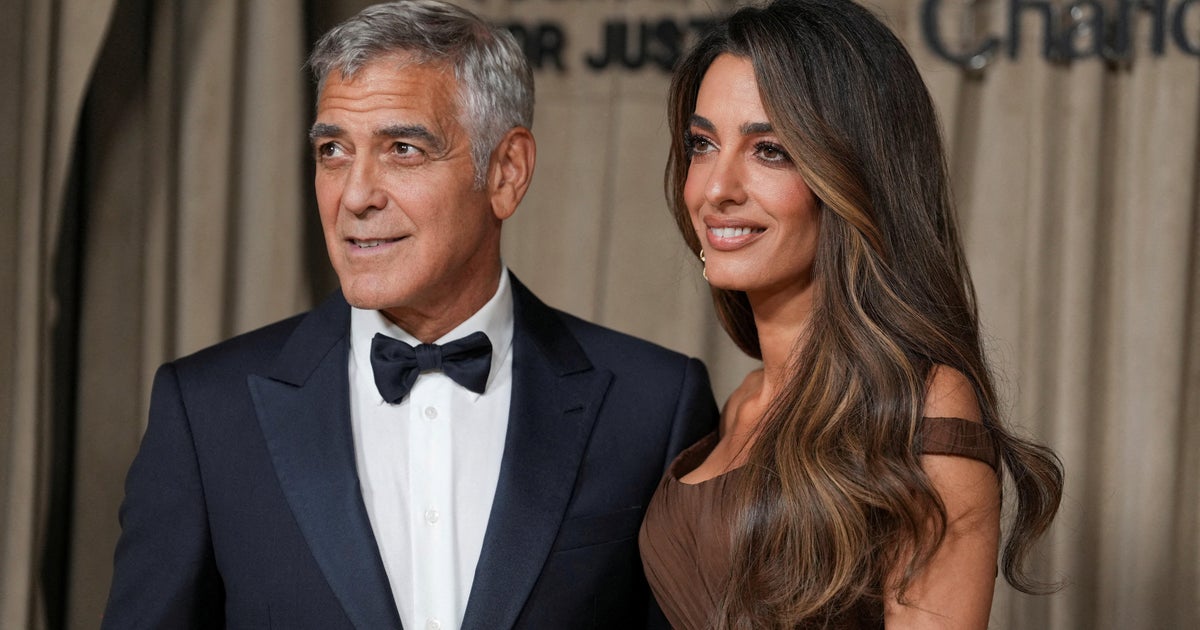
Source report: CBS News – George Clooney, his wife Amal and their twins granted French citizenship
Related profiles: George Clooney on IMDb, Amal Clooney on IMDb.
Why France Loves the Clooneys (and the Feeling Is Mutual)
The Clooneys’ connection to Europe has been part of their public story for years. George Clooney’s second career as a Nespresso pitchman essentially turned him into a shorthand for suave, European-style cosmopolitanism, while Amal Clooney’s human-rights work has often brought her to European courts and institutions. The couple already split their time between the U.S., the U.K. and Italy; France is less a new chapter than a formal acknowledgment of an existing life.
France, meanwhile, has long been a magnet for artists and Hollywood talent — from Josephine Baker and Miles Davis to more recent waves of directors and actors who prize the country’s strong film culture and comparatively robust public arts funding. Clooney has been a regular presence at the Cannes Film Festival, where his blend of mainstream Hollywood clout and socially conscious filmmaking fits comfortably into the festival’s self-image as both glamorous and serious.
French Citizenship for the Clooneys: What Actually Happened?
According to the French government, George Clooney, Amal Clooney and their eight-year-old twins Ella and Alexander have been awarded French citizenship. While the exact administrative path hasn’t been laid out in public in granular detail, the move signals that the family has met France’s naturalization requirements — a mix of residency, integration and, in practice, a reputational factor that becomes especially visible when the applicants are world-famous.
Naturalization of high-profile figures is not unprecedented. France previously embraced Josephine Baker, an American-born entertainer and civil-rights figure, not only as a citizen but as a national icon now interred in the Panthéon. The Clooneys arrive in a different era, but the symbolism rhymes: an outward-looking France aligning itself with globally recognized figures who embody, at least in public perception, liberal democratic values and cultural sophistication.
“France's government says that George Clooney, his wife Amal and their eight-year-old twins Ella and Alexander have been awarded French citizenship.”
The detail that the twins are included matters. It positions the Clooney children as part of a new generation of dual or even triple citizens who will grow up normalized to the idea that identity is layered: American, British, French, Lebanese-linked through Amal’s heritage — all at once.
Beyond Gossip: Cultural Diplomacy, Soft Power and the Clooney Brand
On the surface, celebrity citizenship stories read like lifestyle news: villas, bilingual kids, and maybe a new café the tabloids can stalk. But the Clooneys’ case sits at the intersection of several larger trends:
- Soft power and image-making: France gains a globally recognized “face” of liberal Hollywood and international law, at a time when European politics are contested and narratives about openness vs. nationalism are in flux.
- Human-rights signaling: Amal Clooney’s work on cases involving war crimes, free expression and political prisoners dovetails with France’s desire to be seen as a defender of human rights, even when its own policies (for example, on protests or migration) draw criticism.
- Global-elite mobility: The story highlights how the ultra-mobile elite can anchor themselves in multiple nations, compared with the far more restrictive mobility experienced by ordinary migrants and refugees.
To France, having the Clooneys as citizens is a relatively low-cost, high-visibility way to assert cultural relevance. To the Clooneys, France offers a political and cultural home base that aligns with both George’s public persona as a politically engaged star and Amal’s everyday reality as a high-profile international lawyer.

The Amal Factor: Human Rights, Law and French Public Life
Amal Clooney may not have George’s box-office history, but in certain circles she is the more consequential figure. A barrister specializing in international law and human rights, she has worked on high-profile cases involving the Yazidi community, journalists targeted by authoritarian regimes, and issues before the International Criminal Court.
Her new French citizenship could have tangible professional and symbolic implications:
- Closer proximity to European courts and institutions where she already operates.
- Greater involvement in French debates on migration, free speech and human-rights policy, if she chooses to be publicly active there.
- A media platform within a French landscape that increasingly centers high-profile lawyers and intellectuals in primetime debate shows and political culture.
“If there is one person who should be a citizen of the world, it’s Amal Clooney.” — a common refrain among commentators whenever her work on war-crimes tribunals hits the headlines.
The Clooneys’ dual track — Hollywood prestige and human-rights law — makes them useful to France as symbols of a country that wants to be seen as both glamorous and principled, even when reality is more complicated.

What This Says About Modern Celebrity and Citizenship
The Clooneys’ French citizenship also serves as a case study in how fame reshapes the bureaucratic idea of belonging. Most people experience citizenship as something largely fixed: a birthright, occasionally a hard-won naturalization, and often a source of anxiety when it comes to visas, borders and paperwork. For celebrities and the ultra-wealthy, citizenship becomes part of a portfolio — a mix of lifestyle optimization, tax planning, security, and sometimes political signaling.
The upside of that dynamic is soft diplomacy: stars who embody plural, hybrid identities can normalize transnational lives for audiences who might otherwise view “foreignness” with suspicion. The downside is the widening gap between who can easily cross borders and who cannot. It is difficult not to notice that while the Clooneys are being feted as new French citizens, other would-be residents endure precarious asylum systems or years-long paperwork purgatory.

From Hollywood to the Hexagon: Clooney’s Ongoing Romance with European Cinema
Clooney has long positioned himself as more than just a blockbuster star. Films like Good Night, and Good Luck, Syriana, and The Ides of March place him in a lineage of politically engaged cinema that resonates strongly in Europe, where festivals and critics often reward films that grapple with media, power and democracy.
It would be unsurprising to see his French citizenship deepen that relationship — whether through co-productions with French companies, more frequent festival appearances, or even French or European-set stories that lean into politics and satire, a space where Clooney is comfortable.
- Syriana (2005) – An oil and geopolitics drama that played well with European critics.
- Good Night, and Good Luck (2005) – A black-and-white ode to journalism that felt like catnip to European festivals.
- The Monuments Men (2014) – World War II, art and Europe’s cultural heritage rolled into one.
French citizenship doesn’t suddenly turn Clooney into a “French filmmaker,” but it does further intertwine his brand with European cinema culture, a connection already cemented by his long-running presence at Cannes and his status as a global ambassador for a certain style of tasteful, adult-oriented filmmaking.
For those wanting to revisit Clooney’s work in this new “French era,” starting points include:
Strengths, Cynicism and the Inevitable Backlash
Any high-profile citizenship story like this comes with two parallel narratives: one celebratory, one cynical.
What works about it:
- The Clooneys genuinely embody an internationalist ethos — their work, lives and causes already cross borders.
- Amal’s legal work aligns with France’s aspirational image as a defender of human rights and international law.
- Symbolically, France gains a family that is broadly popular in both Europe and the U.S., a small win for cultural diplomacy.
What critics are likely to point out:
- The contrast between celebrity fast-tracking and the hurdles facing ordinary migrants and asylum seekers.
- The risk of “virtue by association,” where a state points to glamorous citizens rather than tackling structural issues.
- The way citizenship can look like another lifestyle accessory for the ultra-wealthy rather than a shared civic project.
Both perspectives can be true at once: the Clooneys’ French citizenship is sincere in its personal logic and politically useful to France, while also highlighting real inequities in how borders work for different people.
Watch: George Clooney on Europe, Politics and Cinema
For anyone curious about how Clooney talks about Europe, politics and his career, his festival interviews over the years are revealing. While not directly about his French citizenship, they sketch the worldview that makes this news feel oddly inevitable.
Here is an example of a Clooney conversation at a European festival (availability may vary by region):
Video via YouTube – ensure captions are enabled for accessibility.
Where This Story Goes Next
The Clooneys becoming French citizens is not going to change global politics overnight, but it does crystallize a set of trends: celebrities as informal diplomats, states leveraging star power for image-building, and the rise of multi-layered identities in an era of contested borders.
The most interesting part comes later — if and when the Clooneys leverage their new status. Will Amal take on more France-linked human-rights cases or speak out on French policy debates? Will George’s next politically tinged film unfold against a French or European backdrop, with his new nationality as a subtle undercurrent? Or will this turn out to be mostly a lifestyle and family decision, occasionally referenced in interviews and late-night monologues?
For now, it’s enough to note that one of Hollywood’s most visible couples has, quite literally, become more European. In a world where headlines are often about borders closing, this one — a country opening its doors, enthusiastically, to a famous family — lands as a reminder that citizenship is not just a legal category, but a cultural story countries tell about who they want to be.