
Functional Minimalism Glow-Up: Small-Space Upgrades That Work Overtime (So You Don’t Have To)
Functional Minimalism: When Your Home Starts Doing More Than You Do
Minimalist decor has grown up from simply owning less to cleverly upgrading your home with built-in storage, multifunction furniture, and small-space improvements that keep everything calm, organized, and surprisingly cozy. This guide walks you through practical, renter-friendly ways to transform your living room and bedroom into hardworking minimalist havens that look chic, feel serene, and secretly hide all your stuff.
We’re firmly in the era of functional minimalism: less “monk in an empty white cube,” more “my apartment is tiny but somehow it works like a Swiss Army knife in socks.” On TikTok, YouTube, and Instagram, creators are turning small living rooms and bedrooms into clever storage ninjas—with built-ins, multifunction furniture, and organization that would impress even your most critical relative.
If your space feels more “storage crisis” than “serenity now,” you’re in the right place. Let’s upgrade your home so every corner pulls its weight, while still looking like it belongs in a minimalist mood board.
The New Minimalism: Calm on the Surface, Clever Underneath
Between smaller homes, remote work, and the universal desire not to trip over last week’s laundry, functional minimalist upgrades have become a star of the #minimalisthomedecor, #homeimprovement, and #homedecorideas worlds.
- Built-in or “built-in look” storage around TVs, beds, and windows.
- Multifunction furniture that works overtime—sofa-beds, storage ottomans, nesting tables.
- Decluttered surfaces thanks to smart organization and “everything has a home” systems.
- Renter-friendly hacks like peel-and-stick, plug-in sconces, and tension-rod shelving.
- Soft, airy palettes in whites, beiges, light woods, and gentle black accents.
- Productivity + wellness framing—spaces that help you actually rest and focus.
In other words: we’re not decorating just for pretty photos anymore. We’re decorating so the place functions on a Tuesday at 8 p.m. when there are dishes in the sink, a Zoom call in 10 minutes, and zero patience left.
Built-In Storage: The Capsule Wardrobe of Your Walls
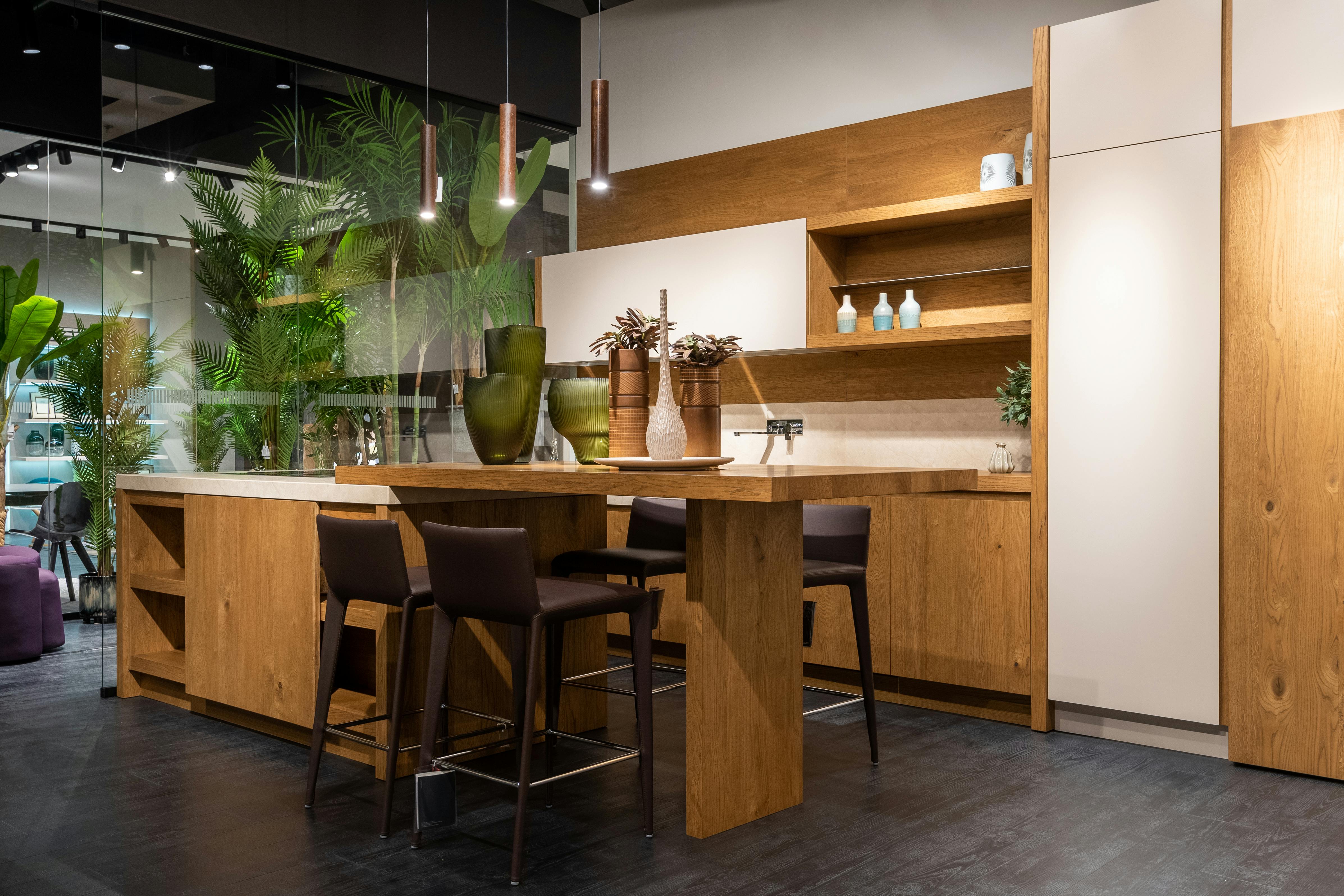
Built-ins are everywhere right now—from living room media walls to cozy bedroom “bed nooks” surrounded by wardrobes. The appeal? They make your space look custom, calm, and expensive… without needing a secret inheritance.
1. Living Room Media Wall Glow-Up
Scroll through #livingroomdecor and you’ll see it: floor-to-ceiling units that frame the TV like it’s the Mona Lisa of movie nights. Closed cabinets at the bottom, open shelves on top, all painted the same color as the wall to look built-in and seamless.
How to fake a custom media wall on a mortal budget:
- Line up ready-made cabinets or bookcases (IKEA, Wayfair, or similar) across your TV wall.
- Add a simple MDF top or side panels for a continuous, “one piece” effect.
- Paint everything—yes, the furniture too—the same color as your wall.
- Use closed doors at the bottom for “uglies” (cables, consoles, board games).
- Style the open shelves with restraint: 1–3 objects per shelf, max.
2. Bedroom Built-Ins: Hotel Suite Energy
In #bedroomdecor, flanking wardrobes around the bed with a “bridge” cabinet overhead are trending. Think: built-in headboard wall that stores everything from duvets to that sweater you’re emotionally attached to.
Design tips for a serene, not claustrophobic, bed wall:
- Choose light colors (white, beige, light wood) so it feels airy, not cave-like.
- Keep hardware minimal: slim black pulls or integrated finger grooves.
- Add soft lighting—plug-in sconces or LED strips under the bridge cabinet.
- Keep decor simple: a single piece of art or a calm headboard fabric.
Think of built-ins as your home’s version of a tailored suit: clean lines, no extra bulk, and everything exactly where it should be.
Multifunction Furniture: Because Your Sofa Should Also Have a Side Hustle
If your home is small, your furniture needs a LinkedIn profile. In 2025’s small-space world, every piece does at least two jobs, ideally without looking like a Transformer in witness protection.
1. Living Room Double Agents
- Storage ottomans: Hide blankets, games, or the “I’ll deal with this later” pile.
- Nesting coffee tables: Expand when hosting, tuck away for yoga or vacuuming.
- Sofa beds: Today’s versions are sleek enough for daily use and overnight guests.
- Lift-top coffee tables: Double as desks or dining surfaces in studio apartments.
Keep the look minimalist with clean lines, neutral fabrics, and hidden mechanisms. You want “elevated calm,” not “secret gadget showroom.”
2. Bedroom & Work-From-Home Hybrids
For anyone whose bedroom moonlights as an office, creators are loving pieces like:
- Desk–vanity hybrids: One surface for laptop by day, glow-up station by night.
- Murphy desks or fold-out tables: Disappear when work is over (emotionally and physically).
- Beds with drawers: Extra storage without the under-bed chaos vortex.
Pro tip: Use the same color palette for work and rest zones so your room doesn’t feel like a split personality. Let textures (linen bedding, smooth desk surface, wool rug) provide quiet contrast.
Decluttered Surfaces: The Art of Looking Effortlessly Tidy
One thing viral “minimalist reset” videos have in common: clear, calm surfaces. The secret isn’t superhuman willpower—it’s storage that makes cluttering harder than tidying.
1. Make “Everything Has a Home” Non-Negotiable
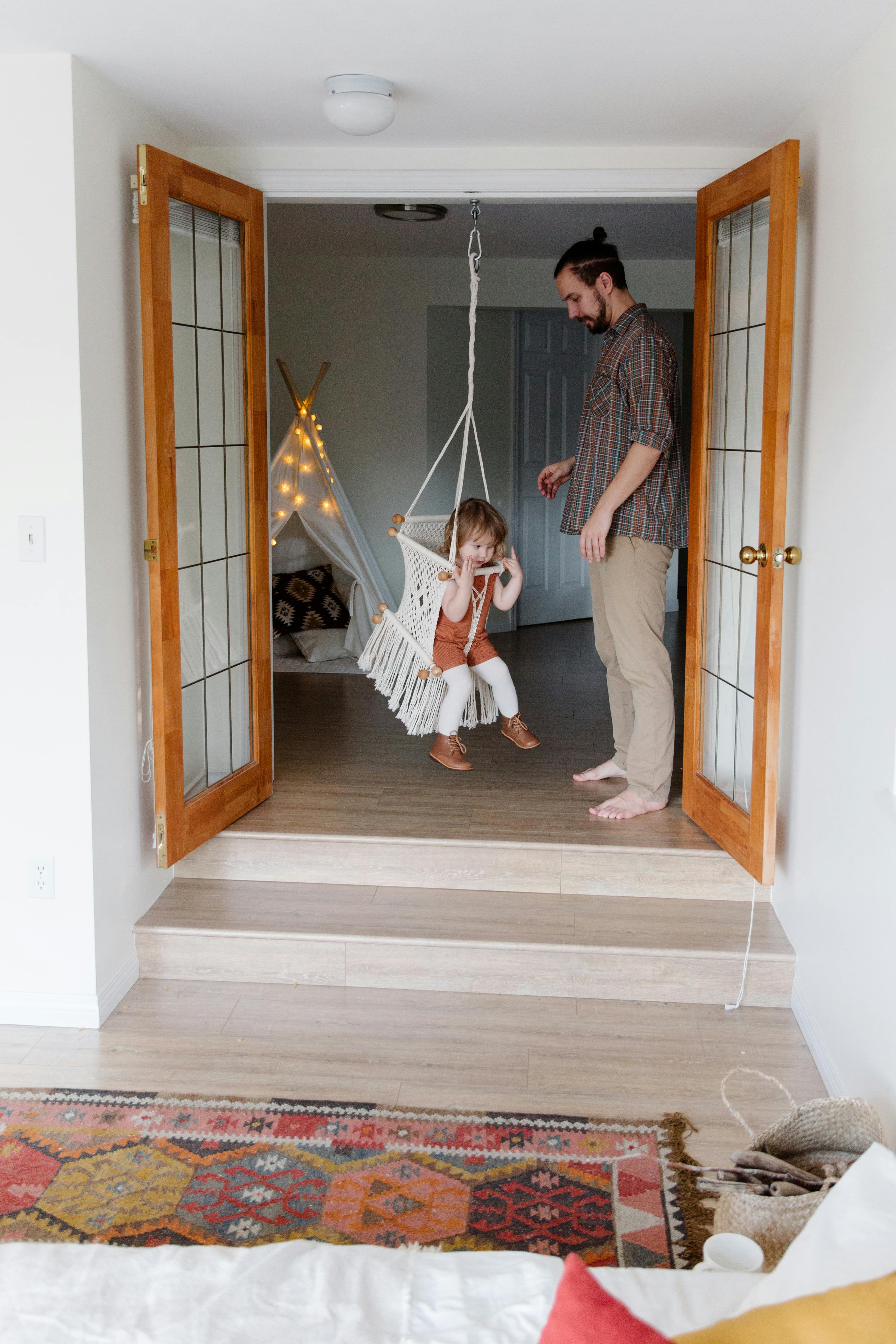
Instead of fighting your habits, design for them. Mail on the counter? Give it a tray. Chargers everywhere? Give them a drawer. Remote controls roaming free? Give them a basket.
- Use drawer organizers for the “junk drawer.” Yes, it can still be junk—just tidy junk.
- Choose lidded boxes and baskets in living rooms to hide tech and toys.
- Add labeling (subtle, neutral labels) for anything shared—saves time and arguments.
2. Cables: The Final Boss
Minimalist spaces get ruined fast by cable spaghetti. Content creators are obsessing over:
- Cable boxes to hide power strips.
- Under-desk raceways to keep wires off the floor.
- Velcro ties for coiling excess length neatly.
Your goal: if someone takes a photo of your room, no one should be able to guess where your router lives. Witness protection for electronics.
Renter-Friendly Upgrades: Commitment Issues, Great Taste
Functional minimalism isn’t just for owners. Renter-safe hacks are all over #homeimprovement—and your landlord doesn’t have to know how fabulous the place looks in your reels.
1. Tension-Rod Magic & Vertical Storage
Tension rods are the unsung heroes of small apartments:
- Create closet-style shelving inside alcoves with tension rods and hanging organizers.
- Use corner tension poles with shelves for plants or toiletries.
- Add extra hanging space in wardrobes without drilling.
2. Peel-and-Stick & Plug-In Perfection
Removable finishes are having a serious moment:
- Peel-and-stick tiles for backsplashes or entryways.
- Removable wallpaper for one statement wall that still feels minimalist.
- Plug-in sconces to fake wired lighting—run the cord neatly down the wall with clips.
Choose patterns that are subtle—fine lines, tone-on-tone prints, or soft geometrics—so your space stays calm, not carnival.
Color & Materials: Quiet Luxury, But Make It Real-Life-Friendly
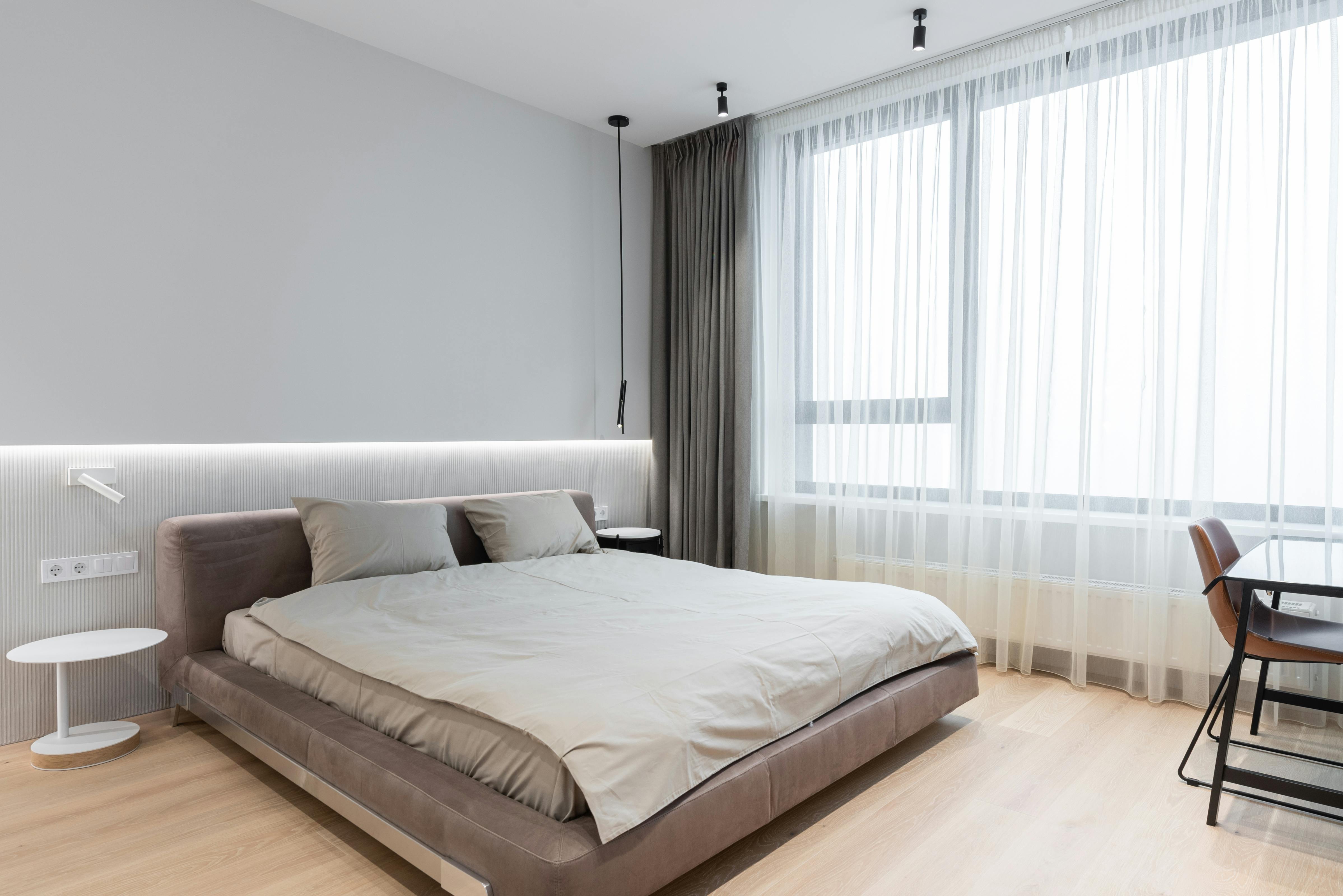
Today’s minimalist palette is less stark and more “soft cloud of sanity”: white, beige, light gray, warm taupe, and pale woods, with black used sparingly for definition.
1. Build a Calm Core Palette
For both living rooms and bedrooms, try this combo:
- Main color: warm white or soft beige walls.
- Secondary: light oak, birch, or ash furniture.
- Accent: a touch of black in frames, lamps, or handles.
- Texture: linen cushions, boucle chair, wool or jute rug.
2. Materials That Age Gracefully
Minimalism doesn’t mean delicate. Look for:
- Matte finishes on walls and cabinets for a soft, diffused look.
- Performance fabrics on sofas and chairs—kid and pet friendly.
- Solid or veneer woods in light tones for timeless appeal.
The vibe is: “Yes, you can sit, spill coffee, and live here,” not “museum, do not touch.”
Productivity, Wellness & the Minimalist Reset Ritual
One reason functional minimalism is so sticky on social media: it’s framed as a tool for mental clarity and better focus, not just aesthetics. Those “Sunday reset” and “small bedroom makeover” videos aren’t just pretty—they’re practical self-care.
1. Zones That Support Your Real Life
In small apartments, rooms wear many hats. To avoid visual chaos:
- Define micro-zones with rugs, lighting, or furniture placement.
- Use foldaway desks or cabinets to visually “end the workday.”
- Keep nightstands strictly restful: lamp, book, maybe a plant—no laptop pile.
2. The 10-Minute Nightly Reset
Adopt the creator-loved “reset” ritual:
- Throw stray items into their assigned baskets, drawers, or bins.
- Clear and wipe main surfaces: coffee table, counters, desk.
- Do a 3-item decor check per surface—remove anything extra.
Ten minutes a night keeps the “weekend deep-clean panic” away. Your future self will want to write you a thank-you note.
Turning Your Home into a Quietly Brilliant Overachiever
Functional minimalist decor isn’t about owning five items and pretending you don’t like throw blankets. It’s about thoughtful upgrades—built-in-style storage, multitasking furniture, calm colors, and smart organization—that let your home quietly overachieve in the background while you get on with your life.
If you do nothing else, start with these:
- Add or fake one built-in storage moment (media wall, bed wall, or window seat).
- Upgrade one piece to a multifunction hero (storage ottoman, lift-top table, or drawer bed).
- Commit to clear surfaces plus hidden baskets, bins, and boxes.
- Soften your palette with neutrals and light woods for instant visual calm.
Your space doesn’t have to be huge to feel luxurious; it just has to be smart. Design it like every square inch has a job—and a very chic uniform—and you’ll end up with a home that’s beautiful, practical, and a little bit smug. In the best possible way.
