
From TikTok to Time-Blocking: How Short-Form ‘Day-in-the-Life’ Content is Rewiring Productivity Culture
Short-form “day-in-the-life” and hyper-productivity routine videos have become a dominant format across TikTok, YouTube Shorts, and Instagram Reels, merging aesthetic lifestyle storytelling with time-blocking, habit-tracking, and self-optimization frameworks. This article explains why these routines resonate in an era of information overload and remote work, how creators systematize their days using tools like Notion, Pomodoro timers, and digital calendars, and what brands, builders, and viewers can learn from the mechanics of this trend. We examine the psychological drivers, emerging subgenres, monetization patterns, and critical pushback around unrealistic expectations—then offer actionable strategies for designing sustainable, data-driven routines while staying mindful of mental health and real-world constraints.

Executive Summary
Across short-form platforms, highly edited “day-in-the-life” routines showcase 5 a.m. wake-ups, gym sessions, deep-work blocks, and curated wind-down rituals. These videos:
- Offer a sense of control and structure amid economic uncertainty and information overload.
- Transform planning systems and productivity apps into lifestyle markers and status signals.
- Double as virtual coworking or “body-doubling” environments while viewers work or study.
- Attract brand partnerships around planners, software, fitness gear, and home office setups.
- Face criticism for unrealistic standards that may ignore caregiving, health, and income constraints.
The format is evolving toward live “focus rooms,” interactive planning sessions, and AI-augmented productivity companions—but its core appeal remains stable: micro-narratives that promise optimization, identity, and a sense of control.
The Rise of Hyper-Productivity Routines in Short-Form Video
Short-form day-in-the-life content has shifted from casual vlogging to meticulously produced micro-documentaries of “optimized” living. On TikTok, YouTube Shorts, and Instagram Reels, these videos compress an entire day into 30–90 seconds of tight edits, color grading, and satisfying sound design.
A typical format includes:
- Early starts: 5–6 a.m. wake-ups, morning light, bed-making.
- Wellness stack: workouts, cold plunges, supplements, hydration tracking.
- Work blocks: time-blocked deep work, “study-with-me,” or remote work scenes.
- Ambient aesthetics: coffee rituals, clean desktop setups, keyboard ASMR.
- Evening wind-down: stretching, journaling, reading, and screen-free time.
These elements are not random—each is a visual token of productivity culture, designed to be instantly recognizable and algorithm-friendly.
Platforms, Formats, and Engagement Dynamics
While exact numbers vary by region and platform, short-form video is one of the most engaged content categories globally. Routine-based productivity content benefits from:
- High watch-time: Satisfying loops and multi-phase days encourage repeat viewing.
- Shareability: Relatable daily structures make the content easy to send to friends or colleagues.
- Save behavior: Many viewers bookmark routines to “try later,” a signal algorithms reward.
Format Differences Across TikTok, YouTube, and Instagram
Although the aesthetic is shared, platform-specific norms shape how these routines are presented:
| Platform | Typical Length | Style | Common Use-Case |
|---|---|---|---|
| TikTok | 15–90 seconds | Fast cuts, trending audio, on-screen text tips | Inspiration hits, discoverability, trend-driven routines |
| YouTube Shorts | 30–120 seconds | Narrated snippets, links to long-form vlogs | Funnel to deeper content, monetization, community building |
| Instagram Reels | 15–60 seconds | Aesthetic-heavy, synced transitions, brand integrations | Lifestyle branding, influencer sponsorships, product placement |
On YouTube, creators often pair Shorts with 10–30 minute routine breakdowns, where they explain their planning frameworks, time-batching strategies, and burnout management—turning surface-level aesthetics into structured systems.
Why These Routines Resonate: Psychology and Cultural Context
The popularity of hyper-structured routines reflects broader cultural conditions: remote work, blurred boundaries between home and office, and a constant stream of digital stimuli.
1. Control in a Volatile Environment
In periods of economic uncertainty, predictable routines feel like a hedge against chaos. Viewers gravitate toward content that promises:
- Clear sequences (“my 5–9 before my 9–5”).
- Repeatable systems (time-blocking, habit stacks, checklists).
- Measurable progress (habit trackers, streak counters, dashboards).
“The real asset in a noisy digital economy is not time but attention. Routines are attention-routing systems, and short-form videos sell the blueprint.”
2. Identity and Status Signaling
Productivity content doubles as identity-building. Viewers don’t just see a schedule—they see a version of themselves:
- “That girl” aesthetics for wellness-focused aspirants.
- Student grind vlogs for exam-driven communities.
- Entrepreneur routines for startup and creator economy aspirants.
3. Co-working and Body-Doubling
Many viewers keep these videos looping while they work or study. The effect is comparable to a virtual coworking space:
- Visual accountability—“someone else is working, so I should too.”
- Ambient noise replacing music or silence.
- Repeated exposure to structured work cycles (e.g., Pomodoro).
The Productivity Stack: Tools, Systems, and Visual Language
Hyper-productivity routines are as much about tools as they are about time. Creators consistently showcase a particular “stack”:
- Planning platforms: Notion, Google Calendar, Apple Calendar, ClickUp.
- Habit trackers: dedicated mobile apps, spreadsheets, analog bullet journals.
- Focus tools: Pomodoro timers, time-blocked calendars, noise-cancelling headphones.
- Workstation gear: standing desks, walking pads, mechanical keyboards, monitor risers.
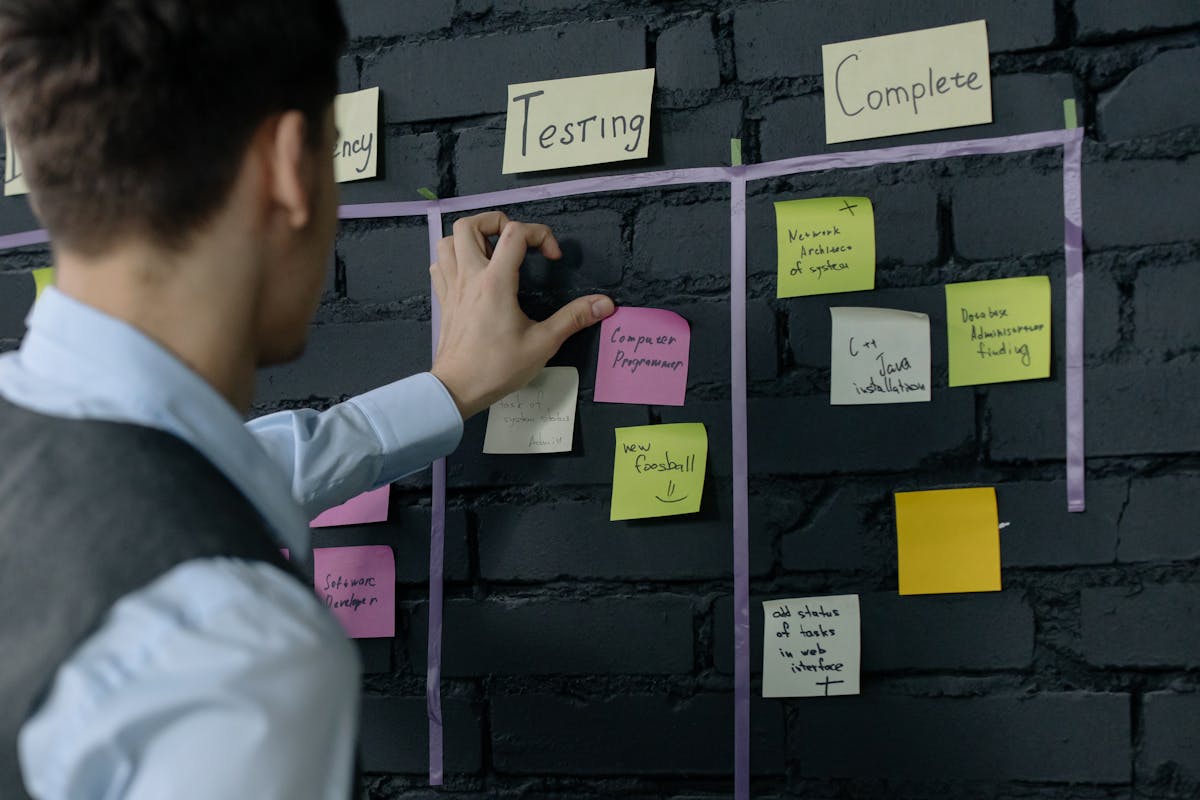
Systemization as Storytelling
The videos visually encode productivity frameworks:
- Time-blocking: Screenshots of calendars split into color-coded blocks.
- Habit stacking: Routines where one habit triggers the next (coffee → journaling → deep work).
- Batching: Single clips showing emails, calls, and admin tasks completed in one window.
These micro-visuals act as “icons” for behavior change, making abstract systems feel concrete and repeatable.
Subgenres: Students, Remote Workers, Parents, and More
Rather than one monolithic style, the trend splits into distinct subgenres tailored to specific life contexts:
- Student routines: Exam prep, “study-with-me,” and library sessions.
- Remote worker days: Hybrid schedules, coworking spaces, Zoom-heavy days.
- Entrepreneur diaries: Content creators, startup founders, freelancers.
- Parent routines: Childcare, school runs, and fragmented focus sessions.
- “That girl” aesthetics: Wellness-forward, visually polished, heavy on self-care rituals.
| Subgenre | Core Theme | Typical Viewer Goal |
|---|---|---|
| Student | Academic performance, focus | Improve grades, pass exams, maintain study discipline |
| Remote worker | Work-life balance, structure | Avoid burnout, stay productive at home |
| Entrepreneur | Business growth, creative output | Scale projects, manage multiple roles efficiently |
| Parent | Juggling responsibilities | Find realistic micro-routines in limited time |
The Backlash: Unrealistic Expectations and Performative Optimization
Despite high engagement, comment sections and response videos frequently critique the performative edge of hyper-productivity content.
Key Criticisms
- Inaccessibility: Not everyone can wake up at 5 a.m. or dedicate hours to self-optimization.
- Hidden labor: Caregiving, multiple jobs, or chronic illness rarely appear on camera.
- Overemphasis on aesthetics: Clean desks and perfect lighting overshadow messy, real progress.
- Burnout risk: Constant self-optimization pressures can backfire into exhaustion or guilt.
In response, some creators are pivoting to “realistic day-in-the-life” formats that include:
- Missed alarms, unfinished tasks, and schedule changes.
- Interruptions from kids, pets, or unexpected obligations.
- Open discussion of mental health, fatigue, or off days.
Brand and Creator Opportunities in Routine Content
Brands and creators treat these routines as structured advertising slots, where every object or app on screen is potential inventory:
- Product placement (planners, software subscriptions, fitness gear).
- Affiliate links to desks, lighting, monitors, or supplements.
- Sponsorships around “study-with-me” or “focus with me” series.
Strategic Considerations for Brands
- Contextual fit — Products should solve a clear friction point: focus, comfort, planning, or wellness.
- Realistic integration — Show authentic usage within the flow of a day, not a forced insert.
- Cross-platform funnels — Use short-form as discovery and longer videos or newsletters for deeper education.
Monetization Strategy Snapshot
| Channel | Monetization Type | Best Fit Content |
|---|---|---|
| Short-form clips | Sponsorships, product placement | Quick daily overviews, product mentions |
| Long-form vlogs | Ad revenue, deeper brand integrations | Framework breakdowns, detailed reviews |
| Newsletters / blogs | Courses, digital products, sponsorships | Templates, guides, routine blueprints |
Actionable Framework: Designing a Sustainable, Data-Driven Routine
Instead of copying an influencer’s day, treat their content as a library of possible building blocks. Build your own routine using a simple, evidence-informed process.
Step 1: Define Non-Negotiables
Identify hard constraints and priorities:
- Work hours, commute, caregiving duties.
- Sleep needs (most adults function best at 7–9 hours).
- Health or accessibility requirements.
Step 2: Choose 3–5 Keystone Habits
Rather than replicating a 20-step stack, pick a small set of high-leverage habits:
- Movement (walk, stretching, or gym).
- Planning (daily review and prioritization).
- Focus block (90–120 minutes distraction-free).
- Wind-down ritual (reading, journaling, or reflection).
Step 3: Time-Block Realistically
Convert your day into coarse blocks rather than minute-perfect schedules:
- Morning (wake-up, routine, first focus block).
- Midday (meetings, admin, lighter work).
- Afternoon (second focus block, errands).
- Evening (social, family, unwind).

Step 4: Track and Iterate
Use simple metrics rather than obsessing over perfection:
- Number of completed focus blocks per week.
- Days per week you hit your sleep target.
- Subjective energy rating (1–5) at mid-day and evening.
Step 5: Protect Downtime
The most sustainable routines explicitly include:
- Unstructured time—no obligations or optimization.
- Digital boundaries—time away from screens and metrics.
- Social connection—time with friends or family without productivity goals.
Risks, Limitations, and Ethical Considerations
Any trend that elevates optimization can drift into excess. For creators, platforms, and viewers, it is important to recognize key risks.
- Comparison traps: Viewers compare behind-the-scenes realities to someone else’s edited highlight reel.
- Over-optimization: Treating every minute as a performance metric can erode joy and spontaneity.
- Under-disclosed sponsorships: If not clearly labeled, brand deals may distort perceived authenticity.
- Accessibility gaps: Content often ignores disability, chronic illness, or neurodiversity considerations.
Ethical creators increasingly:
- Disclose sponsored products clearly and consistently.
- Speak openly about bad days, missed goals, and flexibility.
- Offer alternative routines for people with non-traditional schedules or constraints.
What’s Next: Live Focus Rooms, AI Companions, and Interactive Routines
The next evolution of day-in-the-life content moves from passive watching to interactive participation.
Emerging Formats
- Live “focus rooms”: Timed work sessions with live chat and shared goals.
- Interactive planning sessions: Creators co-design weekly schedules with viewers in real time.
- AI productivity companions: Apps that generate personalized routines and reminders modeled after popular creators’ days.

As algorithms continue to reward watch-time and repeat engagement, polished routine content will likely stay central—but the most impactful creators and tools will be those that anchor optimization in realism, inclusivity, and long-term well-being.
Practical Takeaways and Next Steps
For viewers, brands, and creators, hyper-productivity routines are neither inherently good nor bad—they are a medium. The outcomes depend on how we design, consume, and monetize them.
If You’re a Viewer
- Treat routines as menus, not mandates—pick what fits your life.
- Prioritize sleep, health, and relationships over perfect checklists.
- Follow creators who show both wins and setbacks.
If You’re a Creator
- Anchor your content in honesty about constraints and trade-offs.
- Build series around realistic, sustainable habit change—not just aesthetics.
- Disclose sponsorships and differentiate between what you use vs. what you’re paid to show.
If You’re a Brand
- Partner with creators whose routines authentically match your product’s purpose.
- Support content that highlights balance, mental health, and diverse lifestyles.
- Invest in educational content—templates, guides, and workshops—not just product mentions.
The core promise of this trend is not perfection, but permission: permission to architect a day that aligns with your values, constraints, and ambitions. Used thoughtfully, hyper-productivity content can be a powerful starting point for building routines that are not just optimized, but sustainable and humane.
