
From Runway to Re‑Runway: How Thrifted Luxury Turned Everyone into a Fashion Treasure Hunter
Home of the Haute Haul: Welcome to the World of Thrifted Luxury
Somewhere between “I have nothing to wear” and “my bank account is in witness protection” lives the magical realm of thrifted luxury and vintage designer resale. It’s the place where a Chanel jacket can cost less than your last electricity bill, Prada slips into your closet without sending you into financial panic, and sustainability quietly claps from the corner like a proud parent.
What used to be a quirky hobby for fashion archivists is now a full-blown cultural moment. TikTok, Instagram, and YouTube are overflowing with “thrifted Prada,” “vintage Chanel,” and “luxury resale haul” videos. People are prowling charity shops in wealthy neighborhoods, consignment stores, outlet villages, and platforms like Vestiaire Collective, The RealReal, Grailed, Vinted, and Depop like it’s a competitive sport.
This is your playful, practical guide to joining the secondhand designer revolution—without getting scammed, overwhelmed, or pairing an Hermès scarf with despair and confusion. We’ll talk smart hunting, sneaky authentication tricks, high-low styling, and how to build a closet that looks very expensive while your budget gently exhales in relief.
Why Thrifted Luxury Is Having Its Main Character Moment
The resale boom isn’t just about cute hauls and humblebrags. It’s being powered by three very real forces:
- Status & aesthetics: Designer bags, coats, and shoes still signal craftsmanship, taste, and a bit of “I read the label, actually.” Vintage Chanel, Prada, and Gucci have become visual shorthand for fashion fluency.
- Sustainability: High-quality pieces live longer lives, and extending their lifespan fits perfectly with ethical and sustainable fashion values. Buying a pre-loved bag is basically giving it a sequel instead of sending it straight-to-landfill.
- Budget: Pre-owned luxury often comes in at 30–70% off retail. In an era of rising prices and economic uncertainty, that discount is less “cute perk” and more “survival tactic with great leather.”
Add in circularity programs from big brands, where they buy back and resell their own products, and resale stops being a side hustle and becomes part of fashion’s official ecosystem. You’re not just thrifting; you’re participating in luxury’s version of recycling.
How to Hunt Like a Fashion Detective (Without Losing Your Mind)
Shopping secondhand luxury is half strategy, half serendipity. Think of yourself as part detective, part dragon hoarding nice things.
1. Pick Your Hunting Grounds
Each resale space has its own personality:
- Consignment boutiques: Curated, usually pricier, great for condition and authenticity. Ideal if you’re newer to luxury.
- Charity shops in affluent areas: Lower prices, higher chaos potential. You’re trading time and patience for possible treasure.
- Online marketplaces: Vestiaire Collective, The RealReal, Grailed, Vinted, Depop and similar platforms offer massive selection and search filters but require more scrutiny.
2. Save Your Sanity with a List
Before diving into online listings or racks, make a short “dream but realistic” list. Example:
- 90s minimalist black blazer
- Leather loafers (designer if possible)
- Structured mid-size shoulder bag
This keeps you from adopting yet another chaotic logo clutch that doesn’t match anything in your closet but did whisper your name seductively at 2 a.m.
Fake vs. Fabulous: Quick Authentication Clues
No one wants to pay Chanel money for “Channel.” While full authentication deserves deep dives (and sometimes professional services), you can do some basic detective work yourself.
1. Check the Stitching and Construction
Luxury items rarely look rushed. Examine:
- Stitch length: Even, consistent, and neat.
- Edges: Cleanly finished, no fraying or glue overflow.
- Lining: Often high quality, not flimsy or plasticky.
If the bag looks like it was assembled during a coffee break, walk away.
2. Hardware and Logos
For bags, belts, and jewelry, inspect:
- Weight: Real hardware usually feels solid, not hollow.
- Engravings: Sharp and clean, not blurry or shallow.
- Logo placement: Compare with official brand photos; spacing and proportions matter.
3. Serial Numbers and Holograms
Many major brands include serial numbers, date codes, or hologram tags. Look up how each brand formats theirs. Red flag: labels with misspellings, uneven fonts, or codes that don’t match the supposed year or style.
When in doubt, use platform authentication services, ask for additional photos, or walk away. There will always be another gorgeous bag. There is only one you—and you deserve the real thing.
Styling the High-Low Mix: Everyday Outfits, Luxury Energy
You don’t need a head-to-toe designer look to serve “effortlessly wealthy.” The magic is in the mix: pairing one powerful vintage piece with everyday basics.
1. The Vintage Blazer Glow-Up
A thrifted designer blazer is a wardrobe workhorse. Try:
- Blazer + hoodie + joggers: 90s power meets modern streetwear. Perfect for coffee runs or casual office days.
- Blazer + basic white tee + straight jeans: Minimal, sharp, and extremely “I have a calendar, and it’s color coded.”
2. Old-Season Bag, New-Era Outfit
An older-season luxury bag looks fresh when styled with current silhouettes:
- Pair a vintage shoulder bag with wide-leg jeans and a baby tee.
- Style a structured top-handle with a simple knit dress and chunky boots.
The contrast makes the bag feel intentional instead of “I raided my aunt’s closet and never left.”
3. Designer Shoes Meet Streetwear
Loafers, boots, and classic sneakers are some of the best thrifted luxury buys for men and women:
- Designer loafers + cargo pants + crisp shirt: Business, but make it vibe.
- Vintage sneakers + tailored trousers + sweatshirt: Casual but polished, aka “I’m relaxed, not unprepared.”
Pick Your Era: 80s Power, 90s Minimalism, or Y2K Drama?
Vintage fashion isn’t just “old things.” It’s specific aesthetics from specific decades that are currently trending hard.
1. 80s Power Suiting
Think strong shoulders, sharp tailoring, and “I schedule meetings while walking briskly” energy.
- Look for: structured blazers, high-waisted trousers, statement belts.
- Style tip: balance big shoulders with slimmer bottoms or a cinched waist so you look powerful, not swallowed.
2. 90s Minimalism
Clean lines, neutral tones, and pieces that whisper “quiet luxury” before it became an overused hashtag.
- Look for: slip dresses, silk blouses, simple leather bags, straight-leg trousers.
- Style tip: keep colors cohesive and accessories simple so the silhouette does the talking.
3. Early 2000s Logomania
Logos, prints, and “if you can read this, yes it’s designer.” Y2K is still going strong, especially in bags and accessories.
- Look for: monogram shoulder bags, mini skirts, statement belts.
- Style tip: anchor loud pieces with modern basics so the outfit feels nostalgic, not costume-party.
Menswear in the Resale Lane: Leather, Tailoring, and Kicks
Mens fashion creators are fully in on the resale game, and certain categories are absolute goldmines:
- Vintage leather jackets: The patina on a well-aged leather jacket is something money (and Zara) can’t replicate. Look for solid zippers, lining in good shape, and comfortable weight.
- Tailored trousers: Many high-end trousers end up in resale with minimal wear. Get them tailored to your exact length and suddenly they look fully bespoke.
- Classic sneakers: Think timeless silhouettes from heritage sports brands and designer collabs. Check soles and interior wear before committing.
Styled with simple tees, overshirts, or hoodies, these pieces create that elusive “I didn’t try that hard but somehow look put together” effect.
Sustainability, But Make It Stylish
Secondhand luxury isn’t just about flexing; it’s also about footprint. By choosing a pre-owned designer coat instead of a new fast-fashion knockoff, you’re saving resources, reducing waste, and supporting a more circular fashion model.
Many luxury houses now run official buy-back and resale programs, which:
- Keep items in circulation longer.
- Offer extra peace of mind on authenticity.
- Help normalize secondhand as a first choice, not a last resort.
Ethical bonus: when you eventually resell or donate your pieces, you’re passing on the wardrobe joy instead of letting things gather dust. It’s like fashion karma—what you give comes back in the form of someone else’s amazing pre-loved find.
How to Navigate Resale Platforms Like a Pro
Online resale is convenient, but you’re shopping with your eyes and wits only—no touching, no trying on, no sniff test for weird odors. Here’s how to stack the odds in your favor:
- Use filters wisely: Narrow by size, condition, material, and brand. “Show everything” is how you lose three hours and buy a bag that does not spark joy.
- Read descriptions thoroughly: Look for details on measurements, flaws, repairs, and original packaging. If the description is vague, ask questions.
- Check seller ratings and history: Fewer ratings doesn’t always mean bad, but consistently low scores and complaints? Exit gracefully.
- Understand authentication and returns: Some platforms offer in-house authentication and return guarantees; others don’t. Know where you stand before you hit “buy.”
Remember: the goal isn’t just to score a deal, it’s to build a wardrobe that works for your actual life, not just your “imaginary Parisian vacation” moodboard.
Building a Thrifted Luxury Wardrobe That Actually Gets Worn
The best closet isn’t the one with the most logos; it’s the one where everything earns its hanger.
- Start with heroes, not novelties. Go for bags, outerwear, and shoes before wild statement pieces. These categories age well and work harder.
- Stick to a loose color story. Neutrals plus one or two accent colors keep your closet cohesive and easier to style.
- Honor your lifestyle. If you work from home and live in sneakers, maybe skip the fifth pair of vintage stilettos and invest in great flats or loafers instead.
- Plan for resale. Buy with future you in mind: classic shapes, good condition, and well-known brands hold value better when you’re ready to pass them on.
Care, Repair, Repeat: Keeping Your Finds in Luxe Condition
Treat your thrifted treasures well and they’ll serve you loyally for years (and probably photograph beautifully along the way).
- For leather: Use conditioner periodically, store bags stuffed and upright, and keep them away from direct sunlight and radiators.
- For tailoring: Steam instead of aggressively ironing when possible, and invest in good hangers to maintain structure.
- For silk and delicate fabrics: Hand wash gently or take to a trusted dry cleaner—do not bully them in a hot wash and hope for the best.
A small repair budget (re-heeling shoes, replacing zippers, reinforcing straps) turns “almost perfect” secondhand pieces into “who is your stylist?” moments.
Your Closet, but Smarter: The Beauty of Re‑Runway Fashion
Thrifted luxury and vintage designer resale sit at the sweet spot where taste, values, and budget finally get along. You get the craftsmanship and status of high-end fashion, the satisfaction of spending mindfully, and the smug glow of knowing you’re not fueling fast-fashion overproduction.
Whether you’re hunting vintage Chanel, quietly stalking a secondhand Prada bag, or building a signature look around a perfectly cut, pre-owned blazer, remember: the most luxurious thing you can wear is confidence—and that, thankfully, is always free.
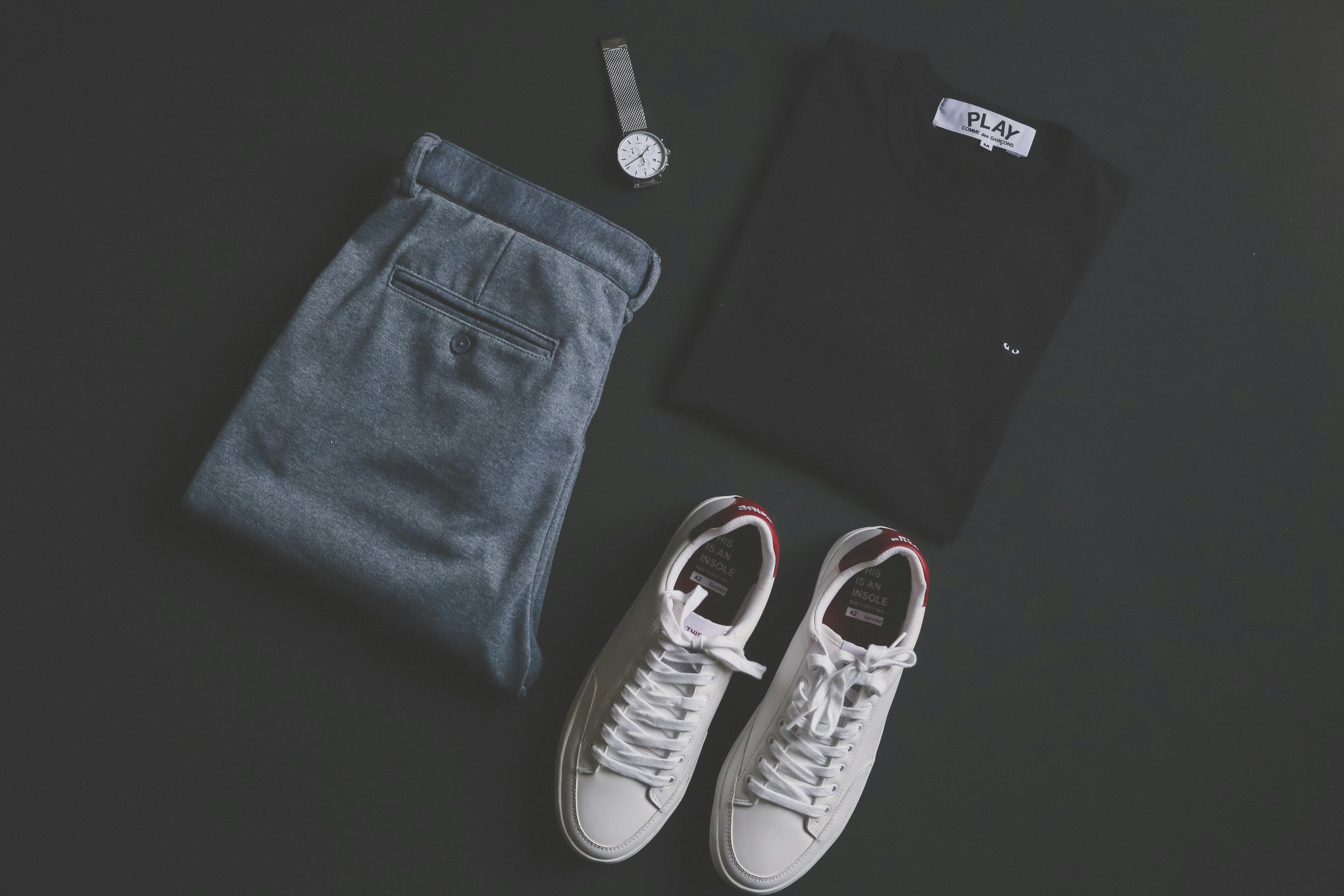
Curated thrifted luxury display image

Supports: “Thrifted luxury and vintage designer resale have exploded from niche hobby to mainstream obsession, letting style lovers hunt for pre-owned designer treasures…”
Vintage designer bag detail image
Supports: “Detailed content focuses on authentication tips—checking serial numbers, holograms, stitching quality, hardware engravings, and logo placement.”
