
From Runway to Hallway: How “Sustainable Dupe Culture” Is Redecorating Your Closet and Your Home
Welcome to the Era of Sustainable Dupes: From Closet to Couch
Once upon a TikTok, “dupe culture” meant buying the cheapest look‑alike bag, posting a haul, and hoping it didn’t fall apart faster than your attention span. Now, a glow‑up is happening: creators are swapping mindless copies for smart, sustainable alternatives that still deliver the designer vibe—without the designer price (or the landfill guilt).
And here’s the fun twist: the same mindset is invading home decor. Think of it as giving your living room a quiet luxury makeover on a thrift‑store budget. In this post, we’ll blend fashion and interiors like a perfect color palette—witty, practical, and planet‑friendly—so you can dress yourself and your home like they both have trust funds, even if only one of you has a savings account (hi).
What Is Sustainable Dupe Culture, Really?
Traditional dupes: “I found this $20 version of a $2,000 bag; it might disintegrate by Tuesday, but look at the logo!” Sustainable dupes: “I found a well‑made, logo‑free bag that feels just as chic and will still be cute when Gen Z retires.”
Instead of chasing one‑to‑one knock‑offs, creators are now:
- Recommending quality, unbranded pieces from ethical labels instead of sketchy logo copies.
- Styling thrifted treasures into runway‑level outfits with simple tailoring.
- Highlighting “investment dupes”: not identical, but filling the same role as a designer item for years.
The energy has shifted from “How cheap can this be?” to “How long will this last, and who made it?” That same question is now steering furniture, decor, and even that suspiciously wobbly side table you bought at 2 a.m.
From Outfit Inspo to Sofa Inspo: Home Decor’s Dupe Moment
Home decor is having its own “conscious dupe” revolution. The viral marble coffee table, the cloud‑like sofa, the sculptural lamp that costs more than your rent—people still want the look, but they’re hunting for:
- Solid, timeless pieces in similar shapes and colors from mid‑range or vintage sources.
- Secondhand furniture flips that mimic designer silhouettes with a bit of sanding, paint, and courage.
- Better materials (real wood, natural fibers) instead of disposable flat‑pack everything.
Think of it as capsule wardrobe meets capsule living room: fewer pieces, better quality, and way more personality than a copy‑paste Pinterest board.
Building a “Quiet Luxury” Wardrobe on a Loudly Real Budget
Let’s start in your closet, because that’s where most of the panic happens (“I have nothing to wear” you whisper to your 47 shirts).
1. Shop the Vibe, Not the Logo
When you see a designer look you love, ask:
- What are the proportions? (Oversized blazer + slim pants? Slouchy knit + structured skirt?)
- What are the colors and textures? (Cream wool, black leather, gold hardware?)
- What’s the mood? (Minimal, romantic, edgy, tailored?)
Then recreate that energy with thrift finds, small brands, or high‑street pieces that echo those elements rather than copy the exact item.
2. Invest in “Role Players,” Not One‑Hit Wonders
Some pieces quietly carry your entire wardrobe on their backs:
- A well‑cut trench coat in beige, khaki, or black.
- A structured blazer that fits the shoulders properly (tailoring is your fairy godmother).
- Leather (or good faux) boots with a classic shape.
You don’t need the logo version; you need the one that survives three winters and three trend cycles.
3. Accessorize Like a Set Designer
Accessories are where you can safely flirt with trends without committing to a full‑on fashion situationship:
- Choose one statement per outfit: bold earrings or a loud bag, not every piece screaming at once.
- Mix vintage jewelry with simple basics for that “family heirloom” illusion.
- Swap fast‑fashion belts for one or two quality leather belts that work with jeans, dresses, and coats.
If your outfit is the movie, your accessories are the plot twist.
Decor Like You Dress: Styling Your Home with Sustainable Dupes
Now, let’s invite your home to the makeover party. Everything you just read about outfits? Copy‑paste the logic to your decor.
1. Build a Home Capsule: Your “Wardrobe Basics” for Rooms
Start with versatile heroes that play well with everything:
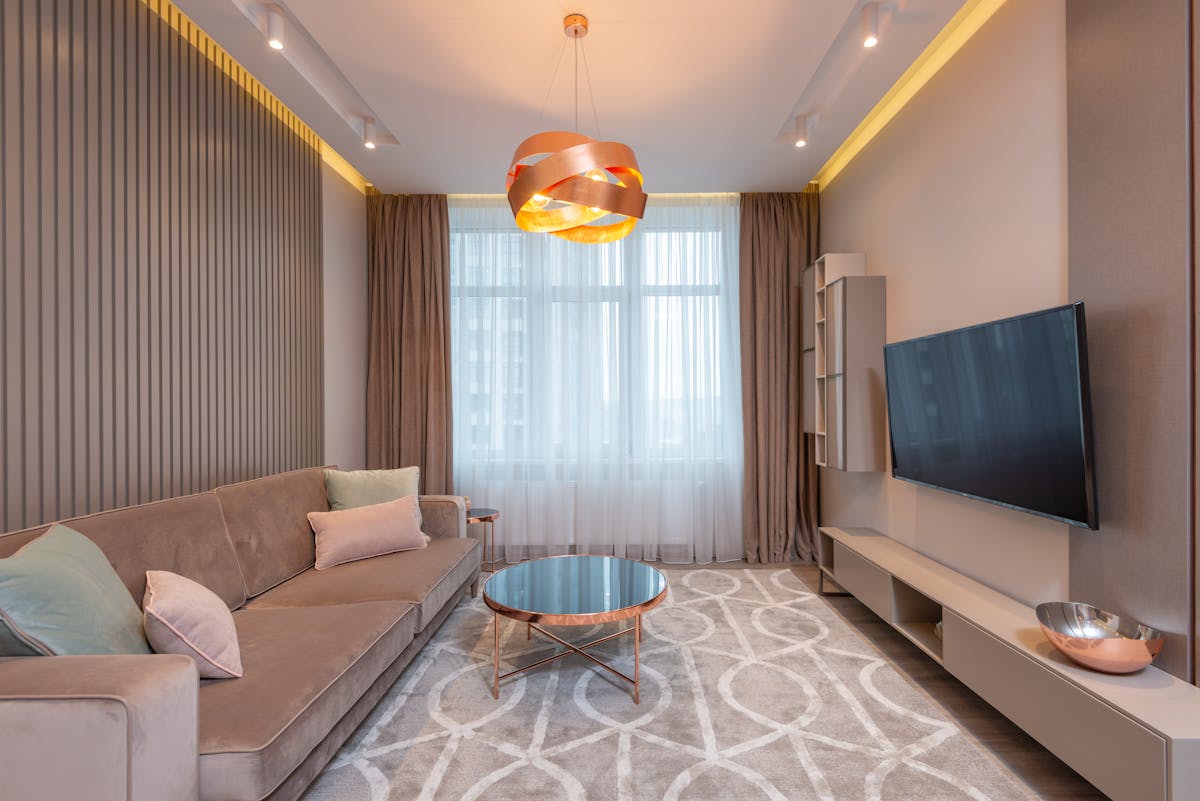
- Sofa in a neutral tone (beige, gray, soft taupe) with clean, simple lines.
- A solid wood table (thrifted, vintage, or marketplace) that can be refinished if your taste changes.
- Rugs in natural fibers like jute or wool that add texture without screaming for attention.
These are your jeans, white tee, and black blazer of decor: they go with everything and last ages.
2. Dupe Designer Styles with Shape, Color & Texture
Saw a $3,000 cloud sofa? Look for:
- A curved, cozy silhouette in a similar off‑white or cream tone.
- Soft, bouclé or textured fabric from a mid‑range brand or secondhand source.
- Pillows and throws in similar shades to complete the vibe.
It doesn’t need the name; it needs the energy of an extra‑fluffy marshmallow that you can sit on.
3. Accessorize Your Space Like an Outfit
In home decor, accessories = personality. But instead of impulse‑buying 14 knick‑knacks shaped like abstract faces:
- Pick a color story (e.g., sand, white, and black accents) and stick to it.
- Layer in textures (linen cushions, wool throws, woven baskets) for depth.
- Choose a few statement pieces—a striking lamp, sculptural vase, or bold art print—and let them shine.
Hot tip: If your space feels cluttered, it’s usually an accessorizing problem, not a square‑footage problem.
Thrifting & Vintage: Your Secret Luxury Pipeline
If luxury stores are the runway, thrift shops are the backstage chaos where the magic really happens.
For Fashion
- Hunt for wool coats, leather belts, and silk scarves—they age well and look expensive.
- Ignore sizes; focus on fabric and fit potential. Tailors are miracle workers.
- Check men’s sections for oversized blazers and shirts with better construction.
For Home Decor
- Look for solid wood furniture—scratches can be sanded, particle board cannot be un‑flimsy‑fied.
- Collect ceramic vases, glassware, and art frames for layered, curated shelves.
- Don’t fear the “ugly” lamp; imagine it with a new shade and fresh paint.
You’re not just buying stuff; you’re adopting objects with rich backstories and giving them a second act.
The New Flex: Transparency and Ethics
The coolest creators now casually mention:
- Where pieces are made and whether workers are treated fairly.
- What materials are used (hint: natural fibers > plasticky mystery blends).
- When a brand partnership is sponsored and how they choose who to work with.
Do the same with your wardrobe and home:
- Research brands before big purchases; peek at their sustainability pages and reviews.
- Favor repairable items—shoes that can be resoled, furniture that can be refinished.
- Ask yourself: “Will I still love this in three years?” before you hit “buy now.”
Quiet luxury isn’t just how it looks; it’s how it’s made and how long it lasts.
Putting It All Together: Your Dupe‑But‑Make‑It‑Sustainable Game Plan
Here’s a mini makeover script you can literally follow this week:
- Pick a mood board for both your style and home: maybe “Scandi chic,” “Parisian vintage,” or “Warm minimal.”
- Audit what you already own—clothes and decor. You probably have more “quiet luxury” pieces than you think.
- List the gaps as “roles,” not exact items: e.g., “long warm coat,” “sturdy coffee table,” “smart black boots,” “soft rug.”
- Thrift or buy secondhand first, then explore ethical/mid‑range brands for what you can’t find.
- Accessorize last—both in outfits and decor. Pillows, throws, jewelry, and bags are the finishing spice.
Suddenly, you’re not just following trends; you’re curating a life that looks cohesive, feels intentional, and doesn’t require selling a kidney to furnish your dining room.

Final Stitch: Luxury Looks, Kind Choices
Sustainable dupe culture isn’t about perfection; it’s about better choices, more often. Choosing a sturdy thrifted wool coat over a flimsy fast‑fashion one. Picking a solid wood sideboard you’ll keep for a decade instead of a trend piece that wobbles in six months. Going for pieces that feel rich in story, not just in price.
Dress like you respect your future self. Decorate like your home is the main character. And let your style—on your body and in your rooms—say, “I know what I’m doing,” even if you’re still Googling how to fold a fitted sheet.
Your closet and your couch are ready for their sustainable glow‑up. The only dupe we’re leaving behind? The one where we pretend style has to be expensive to look expensive.
