From Fiji to “48 Hours”: How Survivor’s Joe Hunter Turned Grief Into a Fight for Justice
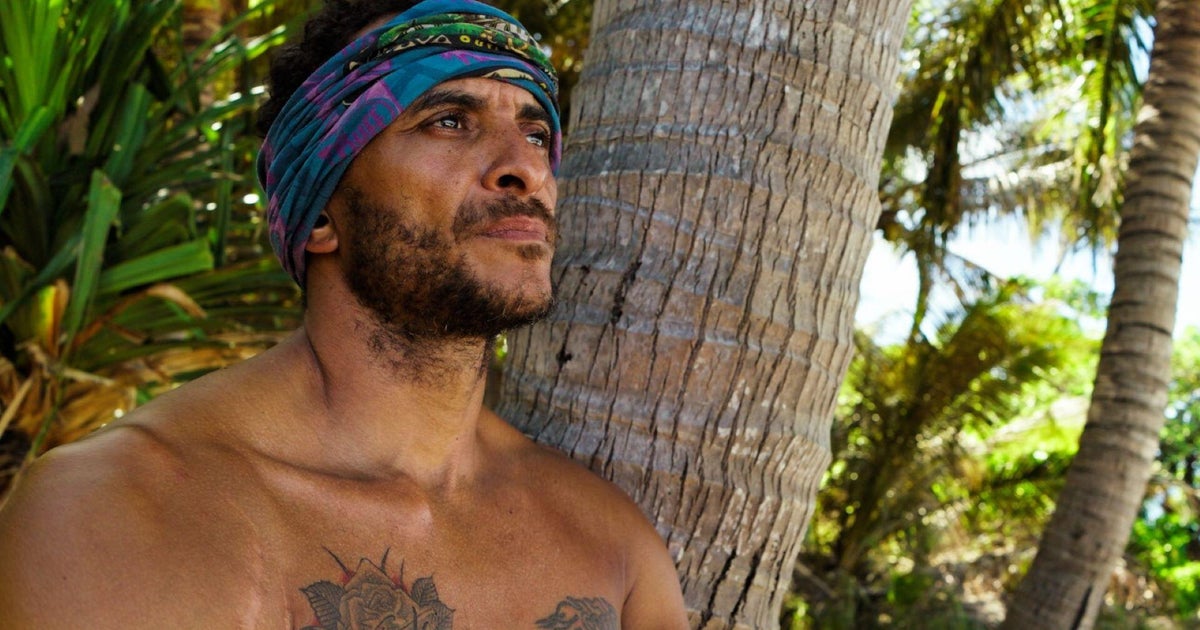
When Joe Hunter walked onto the beach in Fiji for "Survivor" 48, he wasn’t just chasing a million-dollar prize; he was carrying the weight of a real-life mystery. Hunter has said he went on the long-running CBS reality series to honor his late sister Joanna — whose death was ruled a suicide — even as he and his mother maintain she was murdered. Now, thanks to national coverage from CBS News and the true-crime powerhouse 48 Hours, his story is shifting from a “Survivor” backstory to a full-on public crusade for answers and for domestic violence awareness.
A Reality Show Story That Didn’t Stay on the Island
Typically, a “Survivor” contestant’s tragic backstory gets about 90 seconds of tearful confessionals and a slow piano cue before the edit cuts back to blindsides and idol hunts. Joe Hunter’s arc landed differently. CBS News has since spotlighted his mission to challenge the ruling on Joanna’s death and to amplify the stories of families navigating domestic violence and unsatisfying investigations.
That crossover — from tribe swap drama to true-crime advocacy — says a lot about where reality TV is in 2025: it’s no longer just escapism, it’s increasingly a launchpad for complicated, very real conversations.
Who Is Joe Hunter, and Who Was Joanna?
On-screen, Joe Hunter fits a familiar “Survivor” archetype: earnest, emotionally open, physically capable. Off-screen, he’s a brother in mourning who refuses to let his sister’s story be reduced to a line on a police report.
Joanna’s death, officially ruled a suicide, became the emotional core of his narrative on the show. In interviews, Hunter has framed his gameplay as an act of remembrance — a way of keeping Joanna present while also spotlighting warning signs and patterns too many families recognize from domestic violence situations.
“We’re trying to be Joanna’s voice,” Hunter explains, emphasizing that he and his mother are determined not only to seek answers in her case but to stand beside other families who feel their loved ones were failed by the system.
The CBS News feature underlines that this isn’t just about revisiting one tragic night; it’s about calling attention to how domestic violence can be misread, minimized, or under-investigated, especially when victims can no longer speak for themselves.
“Survivor” 48: Grief, Gameplay, and the New Era of Reality TV Storytelling
“Survivor” has quietly evolved from its early-2000s social experiment roots into a weekly national therapy session, where contestants talk candidly about grief, addiction, mental health, and trauma. Joe Hunter’s story lands squarely in that “new era” the show has embraced.
On a beach in Fiji, stripped of phones, routines, and privacy, Hunter’s grief surfaced in ways that resonated with viewers who’ve also lost someone under unclear or contested circumstances. “Survivor” producers know the power of these moments: they humanize the cast, deepen audience investment, and — at their best — create space for catharsis rather than exploitation.
- Confessionals framed Joanna’s story as an ongoing fight, not a closed chapter.
- Tribe dynamics occasionally turned into impromptu support circles, not just strategy huddles.
- Fans on social media rallied around Hunter, amplifying both his grief and his domestic violence messaging.
The connection to CBS’ true-crime franchise is no coincidence. Both “Survivor” and “48 Hours” share a network, a potential audience overlap, and a growing appetite for real stories that blend emotion, mystery, and social relevance.

From Castaway to Advocate: Hunter’s Mission Beyond the Game
Once the torches are snuffed, most contestants fade into the sprawling alumni ecosystem of podcasts and fan conventions. Hunter is aiming for something different: a sustained advocacy platform built around Joanna’s case and the broader issue of domestic violence.
According to CBS News’ coverage, he and his mother are actively pushing for renewed attention to the circumstances of Joanna’s death. That means raising public awareness, challenging the suicide ruling, and connecting with other families who believe their loved ones were misclassified or misunderstood by authorities.
“If we stay quiet, she disappears twice,” Hunter suggests in CBS’ reporting — once in death, and again in public memory.
The mission has a few intertwined goals:
- Seek answers about Joanna’s death and advocate for deeper review where appropriate.
- Raise awareness about domestic violence patterns that can hide in plain sight.
- Support other families who feel bewildered or sidelined by official processes.

Where “48 Hours” and True Crime Culture Enter the Story
CBS’ decision to highlight Hunter’s claims — and potentially position them within the orbit of 48 Hours — taps into a crowded but powerful media ecosystem. True-crime programming commands loyal audiences, but it also faces growing scrutiny over ethics, victim portrayal, and the line between awareness and entertainment.
Hunter’s case intersects several hot-button issues in contemporary true crime:
- Questioned rulings: Families publicly disagreeing with official determinations.
- Domestic violence visibility: How shows frame abuse, control, and red flags.
- Consent and dignity: Telling a victim’s story respectfully when they can’t speak for themselves.
Done right, coverage like this can pressure institutions to revisit cases and give families space to be heard. Done poorly, it can reduce lives to “plot twists.” So far, CBS News’ framing of Hunter and his mother leans toward the former — emphasizing Joanna as a person, not merely a mystery, and centering their ongoing advocacy rather than just their pain.

The Upside and Risks of Turning Grief into a Platform
There’s something undeniably powerful about watching someone like Joe Hunter take a primetime platform and refuse to treat his sister’s death as a passing detail. It gives viewers permission to bring their own unresolved grief into the open and can spark crucial conversations about domestic violence.
But there are also real risks in this kind of visibility:
- Public scrutiny: Families can find themselves dissected online, especially when they publicly question an investigation.
- Emotional toll: Retelling the worst chapter of your life for cameras and strangers isn’t free, even when it’s purposeful.
- Narrative control: Editors, producers, and viewers inevitably shape how a story is perceived.
Hunter’s approach, at least as framed by CBS, appears careful: he’s explicit about honoring Joanna, clear about his belief that she was murdered, and vocal about wanting to help others in similar situations. That balance — personal conviction paired with a broader cause — is what separates opportunistic tragedy-chasing from genuine advocacy.

For Viewers: How to Watch Stories Like Joe Hunter’s Responsibly
If your first exposure to Joanna’s story is through “Survivor” confessionals or a CBS News clip, it’s easy to slip into passive consumption. But there are healthier, more respectful ways to engage with narratives like this.
- Remember the person at the center. Joanna isn’t just a “case”; she was a sister, daughter, and friend.
- Treat uncertainty with care. Viewers aren’t investigators — be wary of jumping to conclusions or targeting individuals online.
- Support causes, not just content. If Hunter’s advocacy resonates, consider supporting domestic violence organizations or sharing reputable resources.
- Check your own boundaries. True-crime and grief-heavy stories can be triggering; it’s okay to step back.
What Joe Hunter’s Story Says About TV, Trauma, and the Power of Being Heard
Joe Hunter’s journey from the beach of “Survivor” 48 to the pages and airwaves of CBS News is more than a reality-TV subplot. It’s a case study in how modern entertainment platforms can amplify deeply personal quests for justice and awareness. By insisting that Joanna’s story be told — and retold — Hunter and his mother are challenging the finality of a suicide ruling they believe is wrong, while shining a light on patterns of domestic violence that often stay in the shadows.
As viewers, critics, and fans, the real test isn’t whether we cry during the emotional scenes; it’s whether stories like this push us to listen more carefully, question more thoughtfully, and support more tangibly — both on and off our screens.
In an era when television can mint overnight celebrities and fleeting viral moments, Joe Hunter’s mission is stubbornly long-term: keep Joanna’s name alive, keep asking hard questions, and keep standing beside others whose grief hasn’t yet found closure.