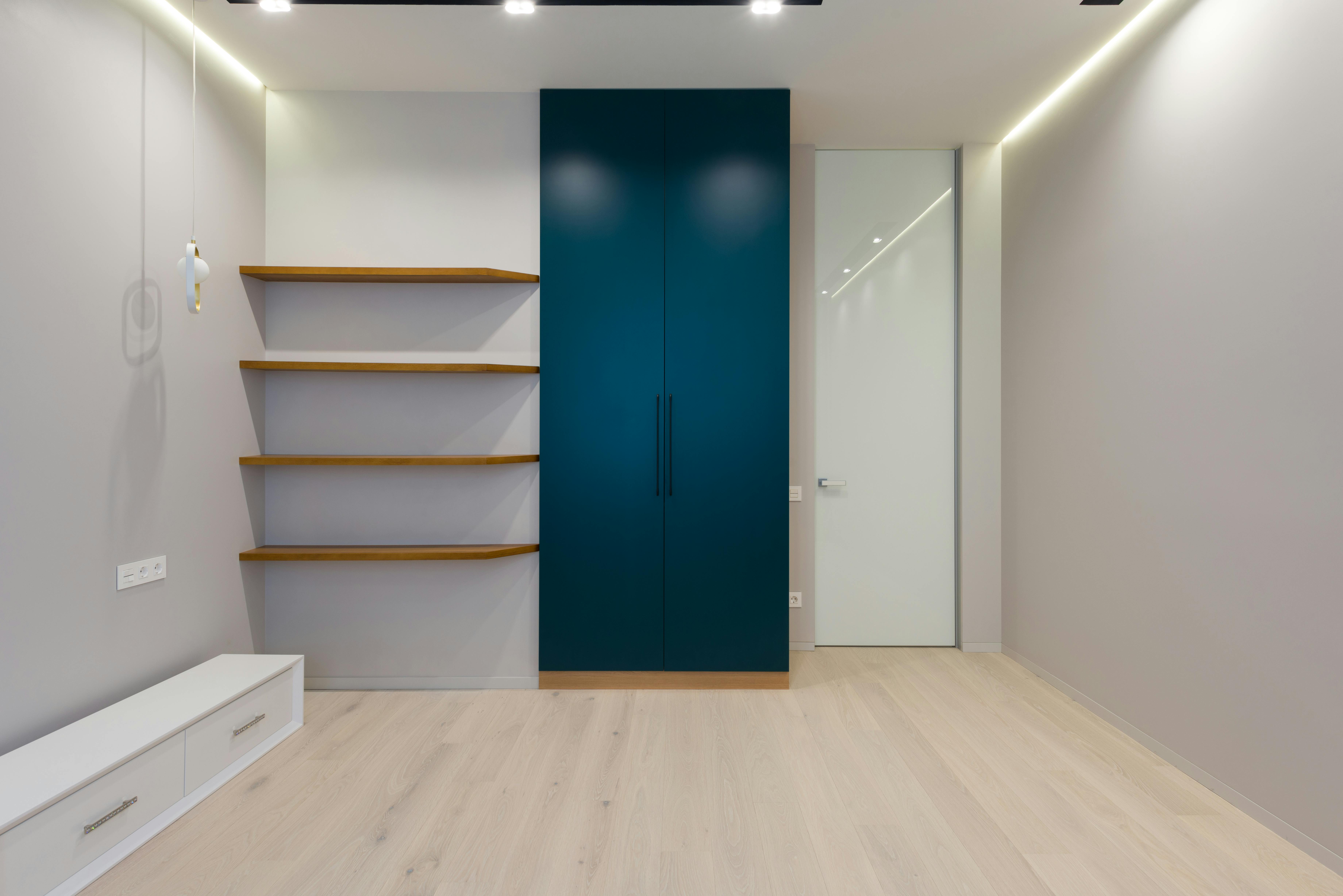
From Closet to Castle: Turning Thrifted Fashion Vibes into Home Decor Magic
When Your Closet Becomes Your Interior Designer
Thrifted and vintage curated drops aren’t just changing what we wear—they’re quietly moonlighting as home decorators. If you’ve ever watched a TikTok live where someone sells a perfectly styled 90s blazer and thought, “Honestly, my living room could use that level of curation,” this is your sign. We’re taking the energy of budgetfashion, thriftfashion, and vintagefashion and applying it directly to your home decor, so your space feels as confidently styled as your best outfit.
Think of your home as your biggest, most high-stakes outfit: it needs to fit your lifestyle, flatter your taste, and survive the occasional spill, trend cycle, or existential crisis. Today, we’re raiding the world of curated thrift drops—live streams, styled capsules, and sustainablefashion storytelling—and turning it into a room-by-room styling guide for your space.
From Live Thrift Drops to Living Room Drops
Curated thrift and vintage “drops” take secondhand fashion, clean it up, style it beautifully, and present it as a capsule collection. Why should clothes have all the fun? Your home can be styled exactly the same way: deliberately, in small themed “drops” instead of one giant, stressful makeover.
In 2025, home decor is leaning into the same values that make these fashion drops so addictive:
- Curation over clutter: Fewer pieces, more personality. Think intentional, not “I blacked out at the home aisle.”
- Sustainable choices: Secondhand furniture, vintage glassware, and upcycled textiles are in. Fast-decor is out.
- Storytelling: Every object earns its place by having a history, a function, or at least a funny origin story.
The best part? You can style your home like a curated Depop shop—minus the bidding war and “Sorry, it’s already sold” heartbreak.
Dress Your Rooms Like You Dress Yourself
Fashion sellers build drops around aesthetics: Y2K, 90s minimalism, gorpcore, or luxuryfashion-adjacent. You can use those exact vibes to guide your decor, especially if you’re prone to buying random cute things that don’t go together.
Try this: Pick a “wardrobe aesthetic” for each main room.
- Living room = Vintage mensfashion workwear
Think sturdy, practical, a bit rugged:- Canvas storage bins that feel like utility jackets
- Military-inspired metal side tables or surplus crates used as coffee tables
- Industrial lamps that look like they could survive an apocalypse
- Bedroom = Feminine vintage
Imagine lace blouses and slip dresses, but as decor:- Soft, bias-cut style drapery that pools gently at the floor
- Lace or crochet-trim pillowcases and layered quilts
- A small vintage tray for jewelry or bedtime essentials
- Home office = 90s minimalism
Clean, tailored, no nonsense:- Simple, streamlined desk with nothing extra
- One or two strong pieces: a sculptural lamp, a single framed print
- Closed storage so visual clutter is “off-duty”
- Entryway = Y2K and aestheticstreetstyle
This is your “first impression” outfit:- Bold hooks and rails for bags, hats, and jackets
- A graphic rug or mat (your home’s version of statement sneakers)
- Vintage sports-themed or graphic art for personality
If you’d wear it as a look, you can use it as a guiding principle for your decor. Matching your personal style to your space also makes it easier to resist random impulse buys that don’t fit the “outfit.”
Build a “Capsule Collection” for Your Home
Curated sellers love a capsule: a small, cohesive set of pieces that all vibe together. Your home deserves the same treatment. Instead of trying to transform everything at once, create mini home capsules—cohesive little decor “drops” that update a corner or a function.
Example: Coffee Table Capsule
- One vintagefashion-forward tray (acts like a belt—pulls everything together).
- A thrifted stack of pretty books or magazines (the “layered tops”).
- A sculptural object or candle (your statement accessory).
- Coasters that pick up a color from the books or tray.
Buy or thrift only within that small palette and style. Once that capsule feels complete, move on to the next area, like a bedside table or kitchen open shelves.
Rule of thumb: If it wouldn’t make sense in your capsule wardrobe, it probably doesn’t belong in your capsule decor either.
Steal Live-Seller Tricks for Styling Your Space
Live thrift sellers are basically performance artists of stylingguides: they show fit, function, and fantasy in one go. You can use the same approach before committing to decor pieces.
1. Try-on haul… but for your furniture
Before you buy that thrifted sideboard, ask the same questions you’d ask about a blazer on a live stream:
- Fit: Measure your wall the way you’d measure your waist. Does it actually fit the space, or are you manifesting?
- Fabric & finish: Will the material handle real life—coffee spills, keys, pets, random mail piles?
- Styling ideas: Can it work in at least two different rooms if you rearrange?
2. Do a “before/after tailoring” for decor
Fashion creators love turning a massive vintage men’s blazer into a cinched, tailored masterpiece. You can do the same with home pieces:
- Repaint a scratched dresser in a matte, modern color.
- Swap dated hardware for simple, sleek handles.
- Cut and hem thrifted curtains so they “fit” your windows instead of puddling awkwardly.
Suddenly, that $30 thrift find looks suspiciously like designerfashion for your living room.
3. Price transparency for your projects
Just like sellers break down sourcing, cleaning, and photographing costs, do the math on your decor projects:
- Piece cost
- Transport or delivery
- Cleaning or refinishing supplies
- Your time (yes, that counts)
When you see the true cost of upcycling, you appreciate your space more—and think twice before impulse-buying something that’ll need five weekends of “someday” DIY.
Sustainablefashion, But Make It Home
One reason curated drops are so hot: they turn sustainablefashion into something aspirational instead of preachy. You can create that same vibe at home without turning your living room into a guilt museum.
Ways to build a sustainable, secondhand-forward home:
- Shop secondhand first. Start with local thrift shops, vintage markets, online resale, or estate sales for big pieces like tables, dressers, and shelves.
- Mix old and new intentionally. Pair a vintage sideboard with a modern lamp, or thrifted dining chairs with a simple new table. The mix makes your space look curated, not chaotic.
- Upcycle textiles. Old curtains can become cushion covers; vintage tablecloths can be bed throws; even worn-out jeans can become patchwork pillows.
Tell the stories of your pieces like a live seller: “This coffee table used to be my neighbor’s workbench” sounds infinitely cooler than “I got it on sale during a panic scroll.”
Plus-Size Home: Designing for Real-Life Bodies & Habits
Plus-sizefashion and extended sizing are finally getting more love, and your home should be just as inclusive—to your body and your habits. Stop designing your space for an imaginary person who always puts things away.
Design that actually fits you:
- Comfort-first seating. Choose sofas and chairs with generous depth and sturdy frames. If you wouldn’t sit in it for a two-hour phone call, it doesn’t pass the vibe check.
- Realistic storage. If you always toss your bag on a chair, add a hook or dedicated basket by the door—build the habit into the layout instead of fighting it.
- Circulation space. Leave enough room to move comfortably between furniture. Your home should never feel like a tight-fitting dress you can’t breathe in.
A truly stylish space isn’t just pretty in photos—it feels good to live in, in every body and every mood.
How to Follow Trends Without Remodeling Every Season
Social commerce makes it absurdly easy to fall in love with a new trend every week: cottagecore on Monday, brutalism by Friday. Your home cannot, and should not, keep up with your TikTok FYP.
The trick: Treat trends like accessories, not foundation garments.
- Keep the “base outfit” neutral. Large items—sofa, bed frame, big rugs, major storage—should be relatively timeless and easy to pair with different styles.
- Use decor as your statement jewelry. Trendy colors and motifs live in throw pillows, vases, art prints, candles, and small textiles you can swap when you’re over them.
- Curate seasonal drops at home. Once or twice a year, “drop” a new mini collection into your space: a set of pillow covers, a throw, a couple of thrifted objects. Store or resell the old ones instead of hoarding.
You get the thrill of a new era without emotionally and financially committing to a neon green sofa you’ll be side-eyeing in six months.
Your Home, But Make It Main-Character Energy
The real magic of thrifted and vintagefashion isn’t just the clothes—it’s the confidence you get from wearing something unique that feels like you. Your home can do the same thing every single day.
When you decorate like a curated drop stylist—editing, storytelling, mixing new with vintage, honoring your real habits—you stop worrying whether your space is “on trend” and start asking a better question: Does this feel like me?
So the next time you’re watching a live thrift sale, don’t just eye the jackets. Ask yourself: could my home use a little curated drop energy too? Start small, style with intention, and let your space glow up the way your wardrobe already has—sustainably, playfully, and entirely on your terms.
Suggested Images (Strictly Relevant)
Below are 2 carefully selected, royalty-free image suggestions that directly reinforce specific sections of this blog.
Image 1: Curated Vintage-Inspired Living Room Capsule
Placement: Immediately after the section titled “Dress Your Rooms Like You Dress Yourself.”
Image description:
A realistic photo of a living room styled with vintage mensfashion and feminine vintage influences. The room includes: a sturdy, slightly industrial wooden coffee table with a metal base; a canvas or leather storage bin or trunk resembling workwear; an industrial-style floor lamp; a soft fabric sofa with layered lace-trim or crochet cushions; a light throw that resembles a slip-dress fabric draped over the arm. Color palette: warm neutrals with one or two muted accent colors. No people present, no abstract art; focus on real, practical furniture and textiles.
Supported sentence/keyword:
“Think of your home as your biggest, most high-stakes outfit: it needs to fit your lifestyle, flatter your taste, and survive the occasional spill, trend cycle, or existential crisis.”
SEO-optimized alt text:
“Vintage-inspired living room styled like a curated fashion capsule with industrial coffee table, canvas storage, and lace-trim cushions.”
Example source URL (royalty-free):
https://images.pexels.com/photos/6585763/pexels-photo-6585763.jpeg
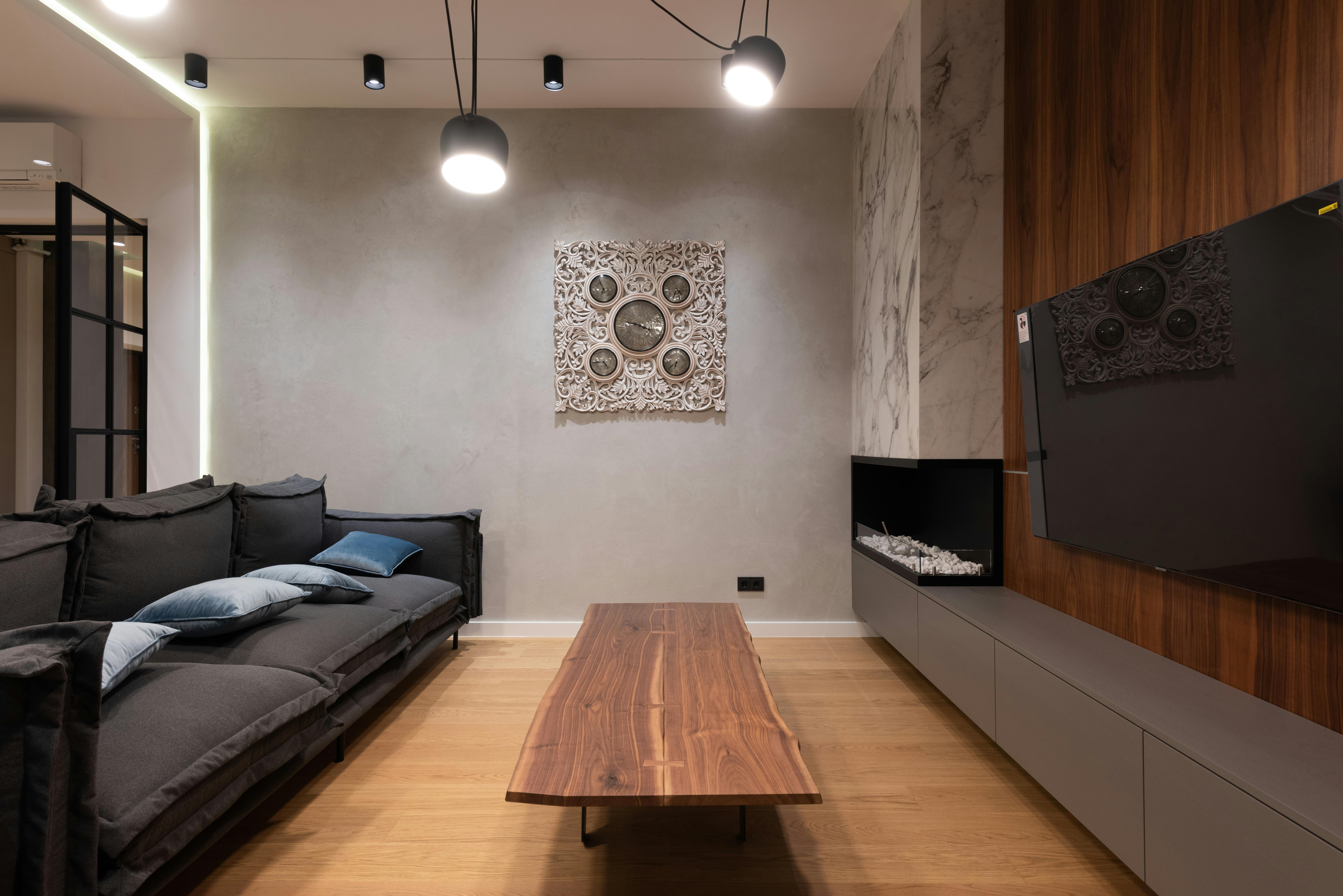
Image 2: Upcycled Thrifted Dresser “After” Shot
Placement: After the paragraph describing “before/after tailoring” for decor in the section “Steal Live-Seller Tricks for Styling Your Space.”
Image description:
A realistic photo of a refinished thrifted dresser against a simple wall. The dresser has clearly been repainted in a modern matte color with updated, minimalist hardware. On top are a few carefully styled objects—a small lamp, a plant, and perhaps a tray or stack of books—showing how a dated piece was transformed into a stylish focal point. No people, no overly decorative props, just a believable upcycled furniture piece in a real home.
Supported sentence/keyword:
“Repaint a scratched dresser in a matte, modern color.”
SEO-optimized alt text:
“Upcycled vintage dresser repainted in matte color with new hardware and styled decor items on top.”
Example source URL (royalty-free):
https://images.pexels.com/photos/6585610/pexels-photo-6585610.jpeg