
Football’s Next Big Change? Inside IFAB’s Plan to Stop Tactical Timeout Tricks
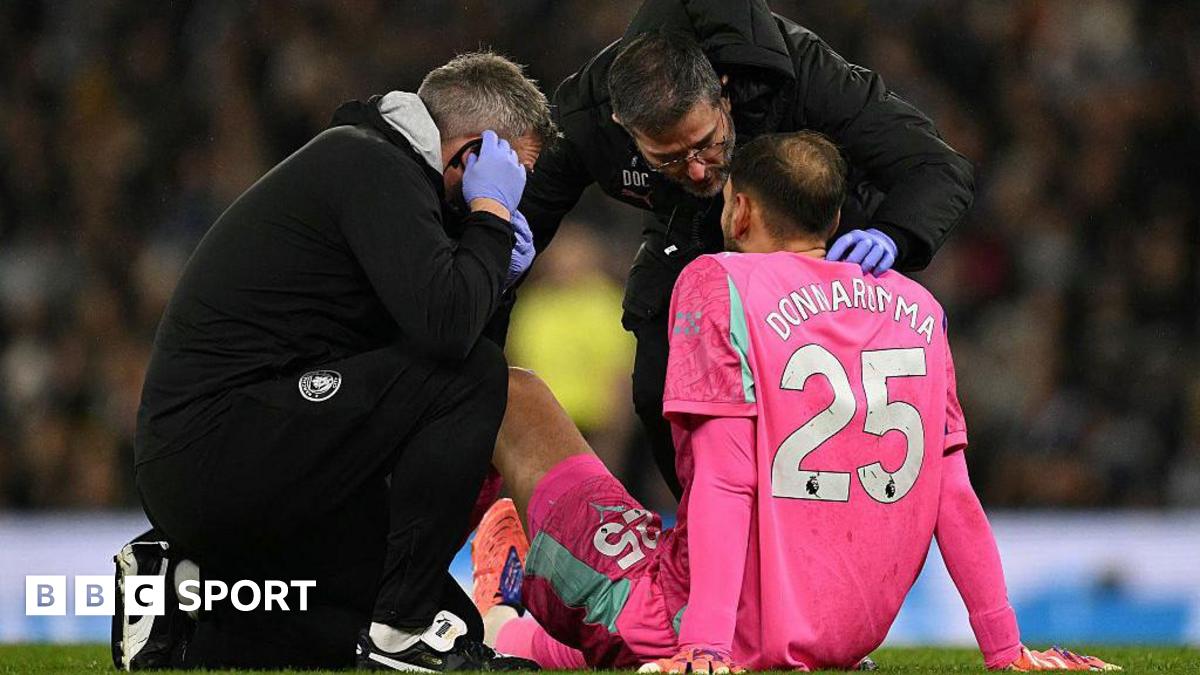
Football’s lawmakers are weighing a bold new rule that would force teams to temporarily remove an outfield player whenever a goalkeeper goes down injured, a move designed to shut down so-called tactical timeouts and keep the game flowing. As IFAB prepares to debate the proposal in January, players, coaches and fans are split over whether it’s overdue protection for the sport’s integrity or an overreach that could create fresh controversy.
Why IFAB Is Targeting Tactical Timeouts
The International Football Association Board (IFAB), guardian of the Laws of the Game, will place “tactical timeout” stoppages under the microscope at its annual business meeting on 20 January. The specific focus: incidents where goalkeepers go down injured—often with minimal contact—allowing teams to regroup, kill momentum and receive detailed instructions from the touchline.
With added time already ballooning in elite competitions and broadcasters tracking every second of the modern match, leagues and federations have pushed IFAB to act. Data from recent top-flight seasons shows extended stoppages for goalkeeper treatment have become a regular, and controversial, feature late in games.
The proposed solution under discussion is stark in its simplicity: if the goalkeeper needs on-pitch treatment and the game is stopped, the team must temporarily remove an outfield player. The idea is to remove the incentive to feign or exaggerate issues by creating a clear on-field cost.
How the Temporary Outfield Removal Rule Would Work
While the final details are still being refined, the broad outline of the IFAB-backed concept looks like this:
- If a goalkeeper requires on-pitch medical treatment, play is stopped as usual.
- The team of the injured goalkeeper must temporarily withdraw one outfield player to the technical area.
- The team plays with 10 players (including the goalkeeper) until the next natural stoppage after play resumes.
- Once play is stopped again, the withdrawn outfield player can re-enter with the referee’s permission.
Crucially, the goalkeeper would not be forced to leave the pitch in this proposed system—recognising the specialised nature of the position and the instability that would come from frequent enforced goalkeeper substitutions or temporary removals.
Danny Murphy’s Take: Time to Hit Back at the Gamesmanship
Former Liverpool and England midfielder, now “Match of the Day” pundit, Danny Murphy has been among the most prominent voices backing change. He has repeatedly criticised sides for exploiting goalkeeper “injuries” to manufacture unscheduled breaks.
“You can see it a mile off,” Murphy has argued on air. “The keeper sits down, the physio takes their time, the manager is waving his players over. It’s a team meeting, not an injury break.”
Murphy’s suggestion aligns closely with the concept now gaining traction at IFAB: make the stoppage costly enough that only genuine injuries justify it. For pundits like him, this is less about punishing teams and more about preserving the rhythm and integrity of elite football.
Numbers Behind the Debate: Stoppage Time and Tactical Pauses
While precise global data varies by league, match analysts have highlighted a consistent pattern across top competitions: goalkeeper treatment often leads to some of the lengthiest stoppages in a match, and many of them come in high-leverage moments late in games.
The table below summarises representative trends reported in recent seasons across major European leagues and international tournaments (aggregated estimates from multiple analytics providers):
| Metric | Estimated Value | Notes |
|---|---|---|
| Avg. stoppage length for GK treatment | 90–150 seconds | Often includes extended tactical discussions at the touchline. |
| Share of GK treatment events in final 15 mins | 35–45% | Disproportionately high in tense, one-goal games. |
| Additional time added after such stoppages | Often 3+ minutes | But momentum and pressure can be badly disrupted. |
| Matches with 10+ mins total added time | Increasing year-on-year | Linked to IFAB’s push to clamp down on time-wasting. |
These numbers help explain why lawmakers are ready to intervene. Fans ask why so much time is added on, while coaches alternate between complaining about disruption and exploiting it when it suits them.

Arguments For and Against the New Tactical Timeout Rule
As the 20 January meeting approaches, the debate is intensifying. Coaches, players and analysts see both upside and potential pitfalls.
Potential Benefits
- Reduced gamesmanship: Teams would think twice before orchestrating soft stoppages if it means going a man down temporarily.
- Better game flow: Fewer long pauses could improve rhythm, especially in high-tempo leagues.
- Clear deterrent: The rule would be simple for fans to understand and for referees to apply.
- More honest timekeeping: Less artificial disruption might reduce the need for huge blocks of added time.
Key Concerns
- Player welfare fears: Critics worry some goalkeepers might try to “play through” genuine injuries to avoid disadvantaging their team.
- Referee pressure: Match officials could face intense scrutiny deciding when treatment is necessary and when it is not.
- Tactical distortion: Coaches may choose specific players to withdraw, altering formations in ways that feel artificial.
- Edge cases: Questions remain over how the rule would apply in multi-player collisions or when VAR checks are involved.
“You can’t risk a goalkeeper’s health just because a few teams push the limits,” one top-flight manager warned recently. “We need to be very careful that the cure isn’t worse than the disease.”
The Human Side: Goalkeepers Caught in the Crossfire
While most of the anger focuses on coaches and time-wasting tactics, goalkeepers themselves sit at the heart of this discussion. Many are already reluctant to show weakness, knowing that any hint of vulnerability can be seized upon by opponents and pundits alike.
A veteran goalkeeper in one major European league summed up the dilemma privately:
“If I land badly on my shoulder, I’m already asking, ‘Is it worth stopping the game?’ If they bring this rule in, that pressure gets even bigger.”
For medical staff, too, this change would shift the calculation. Any hesitation to enter the pitch—because doing so triggers a numerical disadvantage—could clash with their duty of care.

IFAB’s Track Record: From Back-Pass Ban to Added Time Crackdown
Tactical timeouts are only the latest fault line between gamesmanship and the spirit of the Laws. IFAB has previously stepped in at decisive moments:
- Back-pass rule (1992): Transformed the role of goalkeepers and stopped defenders repeatedly rolling the ball back to waste time.
- Six-second rule: Introduced to speed up distribution from the hands, though rarely enforced to the letter.
- Recent added-time emphasis: Following the 2022 World Cup model, competitions have been encouraged to add all lost time, producing 100-minute epics.
Each time, critics warned of chaos; each time, the game eventually adjusted. The current debate over tactical timeouts fits that long-running pattern of trying to stay one step ahead of the darker arts of clock management.

What Happens Next? Possible Timelines and Trial Runs
The 20 January IFAB business meeting will not automatically trigger an instant rule change, but it is a key staging post. If broad agreement is reached, the next steps could include:
- Designing a detailed protocol covering when treatment triggers the rule.
- Piloting the change in selected competitions or youth tournaments.
- Gathering data on injuries, time-wasting and competitive balance.
- Voting on full adoption at a future IFAB Annual General Meeting.
Top leagues, including the Premier League, La Liga and Serie A, will be watching closely. Any trial that shows clearer, more honest use of stoppages—without harming player welfare—will swiftly move up the agenda.
Fans, meanwhile, are left to ponder a set of questions that will define the next chapter of the sport:
- Can football curb tactical timeouts without putting extra pressure on injured players?
- Will a numerical penalty genuinely deter gamesmanship, or simply change its form?
- And, perhaps most importantly, how much change are supporters willing to accept in pursuit of a cleaner, more continuous game?
IFAB has made clear that protecting the flow and fairness of football is a priority. Whether this latest proposal becomes the next landmark rule change or a footnote in the game’s evolution will be shaped in meeting rooms long before it’s tested under the floodlights.
Further Reading and Official Resources
For readers who want to dive deeper into the laws and upcoming changes, these official resources provide authoritative information:
