
Flu Season 2025: What the New K Subclade Variant Means for You and Your Family
Flu season in the US is heating up earlier than usual, driven in part by a new K subclade variant of influenza. If you’ve noticed more coughing in crowded stores, kids missing school, or friends canceling plans because they’re sick, you’re not imagining it. In this guide, we’ll walk through what’s going on, what this new variant means, and the realistic steps you can take to protect yourself and your family—without panic and without false promises.

I still remember working with a young couple in December a few years ago. They were healthy, active, rarely saw a doctor—and both ended up in urgent care with high fevers and dehydration after catching flu from a family gathering. Their comment to me later was, “We didn’t think flu was this serious.” Stories like theirs are becoming more common as holiday travel and crowded indoor events make it easier for viruses to spread.
Let’s unpack what’s different this season, how the new K subclade fits into the bigger picture, and what evidence-based steps actually make a difference.
How Bad Is Flu Season Right Now in the US?
According to the latest surveillance data from US public health agencies and hospital systems as of late 2025, several trends are clear:
- Flu activity is rising earlier and faster than in many pre‑pandemic years.
- Multiple respiratory viruses are circulating at the same time, including influenza, RSV, and SARS‑CoV‑2.
- Emergency department visits for fever and respiratory symptoms are elevated, especially among children and older adults.
- Hospitalizations for flu are increasing, but vary by region and age group.
Overall, this season is considered moderate to high intensity in many areas, with local surges driven by gatherings, indoor events, and pockets of low vaccination coverage.
What Is the New K Subclade Flu Variant?
When you hear terms like “K subclade,” it can sound alarming. In reality, this is how scientists keep track of new branches on the influenza family tree.
Influenza viruses, especially influenza A, are constantly mutating. Over time, they split into clades and smaller subclades. The “K subclade” is a label used by global flu surveillance networks to describe a group of related flu viruses that share certain genetic changes.
What We Know So Far (and What We Don’t)
- Spread: The K subclade appears to be contributing to increased transmission in some regions, especially in crowded indoor settings.
- Severity: Current evidence suggests that illness severity is comparable to other recent seasonal flu strains for most healthy people, though flu can always be serious in higher-risk groups.
- Vaccines: Early laboratory data indicate that this season’s flu vaccines still offer meaningful protection against severe outcomes, even if they are not a perfect match.
- Evolution: Researchers continue to monitor the K subclade for changes that could affect severity or vaccine performance.
“The emergence of a new subclade doesn’t automatically mean a ‘super‑flu.’ It’s a reminder that influenza is constantly evolving and that vaccination and early treatment remain our best tools to reduce serious illness.”
— Infectious disease specialist, academic medical center (2025)
In other words, the K subclade is important to scientists tracking the virus, but for most of us, the practical implications are the same: get vaccinated, reduce exposure where you can, and seek care early if you’re at higher risk.
Flu Symptoms vs. “Just a Cold”: What to Watch For
The K subclade doesn’t appear to cause brand‑new symptoms; instead, it presents like typical flu. Common symptoms include:
- Sudden onset of fever or feeling feverish/chills
- Dry cough
- Sore throat
- Muscle or body aches
- Headache
- Extreme fatigue (often more intense than with a typical cold)
- Runny or stuffy nose
Not everyone will have all these symptoms, and some people—especially older adults—may have more subtle signs like confusion, loss of appetite, or worsening of existing conditions (for example, heart failure or COPD).
Emergency Warning Signs: When to Seek Urgent Care
Call your healthcare provider or seek urgent or emergency care if you or a loved one has:
- Difficulty breathing or shortness of breath
- Pain or pressure in the chest or abdomen
- Sudden dizziness, confusion, or inability to stay awake
- Severe or persistent vomiting
- Symptoms that improve but then return with worse fever or cough
Why Are Holidays and Shopping Season Making Flu Worse?
The latest respiratory illness data show that shoppers and holiday gatherings are accelerating the spread of flu and other respiratory viruses. The reasons are simple but powerful:
- Crowded indoor spaces: Malls, airports, offices, and parties pack people into areas with limited ventilation.
- Longer exposure times: Travel days, long dinners, and events create more prolonged close contact.
- Travel between regions: People carry viruses from high‑activity areas to lower‑activity ones.
- Less attention to symptoms: Many push through “mild” symptoms to avoid missing events, unintentionally spreading infection.

The K subclade variant benefits from these conditions just like any other flu strain: it doesn’t need to be more severe to cause more illness; it just needs opportunity.
How Well Do Flu Vaccines Work Against the K Subclade?
Every year, scientists update flu vaccines based on the strains they expect to dominate. That process includes careful monitoring of emerging clades and subclades like K. While vaccine effectiveness can vary from season to season, multiple studies consistently show:
- Flu vaccination reduces the risk of severe illness, hospitalization, and death, even when it doesn’t fully prevent infection.
- Vaccination can make illness milder and shorter if you do get sick.
- People with chronic conditions benefit especially from the added protection.
Early laboratory data for this season suggest that the current vaccine still recognizes key parts of the K subclade virus. That means it’s likely to:
- Offer partial to good protection against infection.
- Offer stronger protection against severe outcomes, which is what matters most.

It’s not too late, even in the middle of flu season. Protection typically begins about two weeks after your shot, and flu can circulate well into spring.
Practical Steps to Protect Yourself from the K Subclade and Other Flu Strains
You don’t need a perfect strategy; you need a realistic plan you can stick to. Here are evidence‑informed steps to lower your risk:
1. Get Vaccinated (If You Haven’t Already)
- Schedule a flu shot at your pharmacy, clinic, or local health department.
- If you’re over 65, ask about high‑dose or adjuvanted flu vaccines.
- Pair your visit with other routine care to make it easier to follow through.
2. Fine‑Tune Your Daily Habits
- Hand hygiene: Wash hands with soap and water for at least 20 seconds, especially after being in public or before eating.
- Respiratory etiquette: Cough or sneeze into your elbow or a tissue; dispose of tissues promptly.
- Avoid close contact with people who are obviously ill when possible.
3. Adjust Your Indoor Environments
- Improve ventilation by opening windows when feasible.
- Use HEPA filters or air purifiers in high‑use rooms if available.
- In very crowded indoor spaces, consider a well‑fitting mask, especially if you or loved ones are high‑risk.
4. Plan Ahead for Illness
Having a simple “flu kit” ready reduces stress and helps you make better decisions if someone gets sick. Consider:
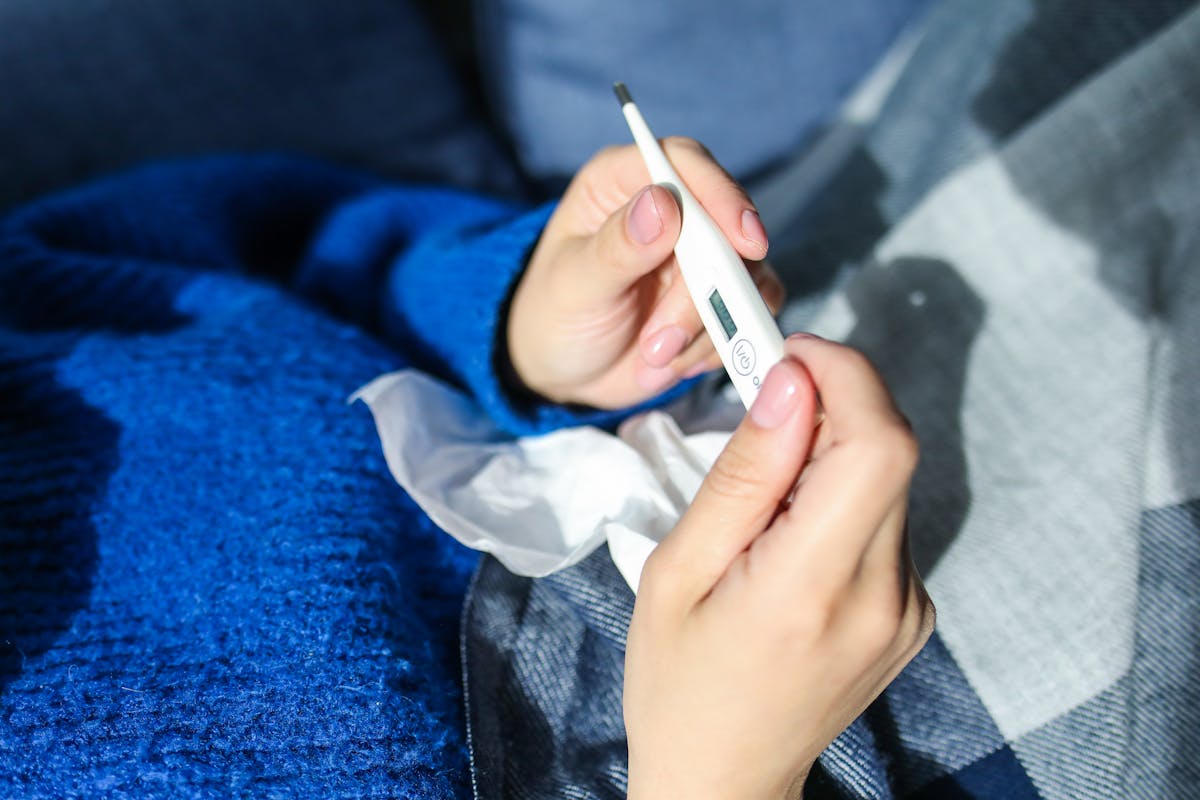
- Thermometer
- Over‑the‑counter fever and pain reducers (as recommended by your clinician)
- Hydration options (electrolyte drinks, broths)
- Rapid test kits if available in your area (for COVID‑19; flu tests are usually done in clinics)
- A list of your medications and conditions in case you need urgent care
If You Get Sick: Treatment, Antivirals, and When to Call the Doctor
Even with the K subclade circulating, most otherwise healthy people with flu will recover at home within about a week. But early, appropriate treatment can reduce complications—especially for those at higher risk.
Supportive Care at Home
- Rest as much as possible.
- Stay well hydrated—small, frequent sips if nausea is present.
- Use fever and pain medications as directed by your clinician.
- Stay home until at least 24 hours after your fever is gone without fever‑reducing medications.
Antiviral Medications
Prescription antiviral drugs (like oseltamivir and others) can shorten illness and lower the risk of complications if started early—ideally within 48 hours of symptom onset.
- Especially recommended for people at higher risk of severe flu.
- May also be used for some close contacts in high‑risk settings (for example, nursing homes) after exposure.
- Decisions about antivirals should be made with your healthcare provider, based on your age, health history, and symptoms.
“For high‑risk patients, early antivirals can be the difference between a rough week at home and a hospitalization. The key is not waiting several days to reach out.”
— Primary care physician, community clinic network
Real‑World Obstacles: Cost, Time, and Vaccine Fatigue
Knowing what to do is one thing; fitting it into real life is another. Many people worry about cost, scheduling, or simply feeling burned out on health precautions after the last few years.
“I Don’t Have Time to Get a Flu Shot.”
Try these small, realistic tweaks:
- Use pharmacy walk‑in hours instead of waiting for a doctor’s appointment.
- Pair vaccination with another errand—groceries, school pickup, or a lunch break.
- Ask your employer if onsite clinics or time off for vaccination are available.
“I’m Worried About Cost.”
In many areas, flu vaccines are covered by insurance, public programs, or offered at low or no cost through community clinics and health departments. Calling your local health department or checking its website can reveal options you might not know about.
“I Had Flu Before and It Wasn’t That Bad.”
Past mild illness doesn’t guarantee a mild course in the future. Age, new medical conditions, and viral changes (like the K subclade) all influence risk. Vaccination and early care are about tilting the odds in your favor.

A family I worked with recently decided to make one simple rule: “Anyone with a fever or new cough stays home, no guilt.” It wasn’t perfect, but it helped them catch illness earlier and reduce spread to grandparents they were caring for.
What the Science Says About Flu, Variants, and Prevention
Research on influenza and its variants, including new subclades, is ongoing and constantly updated. Some consistent findings from large studies and surveillance systems include:
- Seasonal flu can cause hundreds of thousands of hospitalizations in the US in a single season.
- Vaccination is associated with reduced risk of intensive care admission and death among hospitalized patients.
- Non‑pharmaceutical measures—such as ventilation, hand hygiene, and staying home when sick—contribute meaningfully to lowering transmission.
For up‑to‑date, evidence‑based guidance, consult:
- US Centers for Disease Control and Prevention (CDC) – Seasonal Flu
- World Health Organization – Global Influenza Programme
- Your local or state health department’s respiratory illness dashboard
Moving Forward with Confidence, Not Fear
Flu season in the US is clearly heating up, and the K subclade variant is part of that story—but it doesn’t have to be a source of panic. With a mix of vaccination, practical daily habits, and early care when needed, you can significantly lower the chances of severe illness for yourself and the people you care about.
You don’t have to do everything perfectly. Even one or two new habits—like getting your flu shot, improving ventilation at gatherings, or staying home when you have a fever—can make a real difference.
Your next steps:
- Check your vaccination status and schedule a flu shot if you haven’t had one this season.
- Make a simple flu plan for your household (who to call, what to keep on hand).
- Share this information with someone who might be at higher risk and less likely to seek care early.
Flu and its variants will keep evolving. So can our response—calm, informed, and grounded in science. You’re not alone in this; small, steady choices across millions of households add up to a healthier season for everyone.
