
Eat Like a Centenarian: Blue Zones-Inspired Longevity Bowl Recipe
Blue Zones-inspired eating has moved from niche documentaries to everyday kitchens, with home cooks looking for vibrant, plant-forward recipes that support long, functional lives.
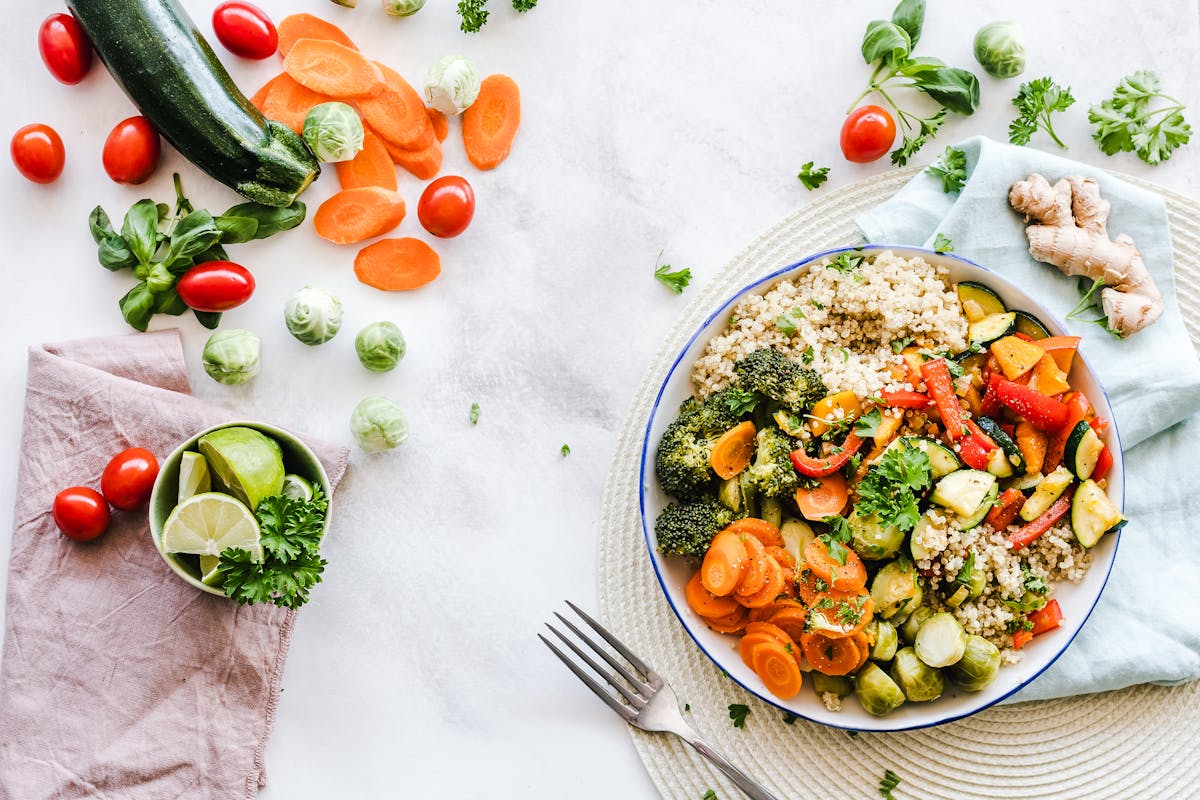
This Blue Zones-style “Longevity Power Bowl” brings together beans, whole grains, colorful vegetables, and good fats in a simple, deeply satisfying meal that channels the spirit of centenarian food traditions from Sardinia to Okinawa.
Blue Zones-Inspired Longevity Power Bowl
Imagine a warm, garlicky bean stew spooned over nutty whole grains, topped with juicy tomatoes, peppery greens, a drizzle of emerald extra-virgin olive oil, and a crunch of toasted nuts and seeds. It’s humble and rustic, yet it feels a bit like something you’d eat in a sunlit village where nobody is in a rush and lunch is a daily ritual of care.
This dish is not an official “Blue Zone recipe,” but it’s thoughtfully inspired by the core patterns seen across longevity hotspots: beans and lentils, whole grains, olive oil, greens, herbs, and mindful portions, all arranged in a bowl that’s ideal for modern meal prep.
Recipe Summary
Prep time:
Cook time:
Total time:
Servings: 4 bowls
Difficulty: Easy–Intermediate
Diet: Plant-based, high-fiber, Mediterranean-inspired
Why This Recipe Fits the Longevity Trend
In 2025, “What should I eat to live longer and stay functional?” is quietly replacing “What should I eat to lose weight?” Streaming documentaries about centenarians, podcast interviews with longevity scientists, and creators sharing “Blue Zone-inspired lunches” have all helped make this shift feel exciting instead of restrictive.
This longevity bowl reflects core Blue Zones and longevity diet principles:
- Plant-dominant: Beans, lentils, whole grains, vegetables, nuts, and seeds are the stars, with no need for meat or heavy dairy.
- Healthy fats: Extra-virgin olive oil, nuts, and seeds bring creamy richness and heart-healthy monounsaturated fats.
- Low ultra-processed: It’s built from whole ingredients: beans, grains, fresh produce, herbs, and simple pantry staples.
- Mindful portions: The bowl is hearty but balanced—fiber and protein keep you pleasantly full so you can practice that “80% full” mindset.
- Fermented and traditional-friendly: Optional miso, yogurt, or pickled vegetables nod to gut-friendly staples in many longevity cultures.
Longevity is never about a single superfood. It’s about patterns: simple, mostly plant-based meals enjoyed regularly, often in good company.
Ingredients
The recipe is divided into three parts: grains, garlicky beans, and vibrant toppings. Measurements are for 4 generous bowls.
For the Whole-Grain Base
- 1 cup (200 g) dry short-grain brown rice or farro (about 3 cups cooked)
- 2 cups (480 ml) water or low-sodium vegetable broth
- 1/4 tsp sea salt
For the Garlicky Bean Stew
- 2 tbsp extra-virgin olive oil
- 1 small yellow onion, finely chopped
- 3–4 cloves garlic, thinly sliced
- 1 medium carrot, diced small
- 1 rib celery, diced (optional but classic)
- 1 tsp smoked paprika or sweet paprika
- 1/2 tsp ground cumin (optional, for a warm earthiness)
- 2 cans (15 oz / 425 g each) cannellini beans or other white beans, drained and rinsed
- 1 cup (240 ml) low-sodium vegetable broth or water
- 1 small bay leaf (optional)
- 1/2 tsp sea salt, plus more to taste
- Freshly ground black pepper, to taste
For the Fresh Vegetable Toppings
- 2 cups mixed leafy greens (arugula, spinach, baby kale, or romaine), roughly chopped
- 1 cup cherry tomatoes, halved
- 1 small cucumber, diced
- 1/4 small red onion, very thinly sliced (optional)
- 1/4 cup fresh herbs (parsley, basil, cilantro, or a mix), chopped
- 1 small lemon, cut into wedges
For Healthy Fats & Crunch
- 3 tbsp extra-virgin olive oil, for drizzling
- 1/4 cup toasted walnuts, roughly chopped (or almonds, pistachios, or hazelnuts)
- 2 tbsp toasted seeds (pumpkin, sunflower, sesame, or a blend)
Optional Longevity-Boosting Extras
- 2 tsp miso paste, stirred into the beans off heat (for umami and probiotics)
- 1/2 cup (120 g) plain yogurt or unsweetened soy yogurt, for serving (Mediterranean-style)
- 1/4 cup (60 g) fermented vegetables such as kimchi, sauerkraut, or pickled radish
- 1 tbsp tahini whisked with warm water and lemon for a drizzle
Equipment
- Medium saucepan with lid (for the grains)
- Large skillet or wide saucepan (for the beans)
- Cutting board and sharp knife
- Wooden spoon or silicone spatula
- Measuring cups and spoons
- Small dry skillet (for toasting nuts and seeds)
- Serving bowls (wide, shallow bowls make it extra inviting)
Visual Inspiration



Step-by-Step Instructions
Cook the whole grains.
Rinse the brown rice (or farro) under cold water until it runs mostly clear. In a medium saucepan, combine the grains, water or broth, and 1/4 teaspoon salt. Bring to a boil over medium-high heat, then reduce to a gentle simmer, cover, and cook until tender and the liquid is absorbed (about 25–30 minutes for brown rice; 20–25 for farro). Remove from heat and let stand, covered, for 5–10 minutes, then fluff with a fork.Sauté the aromatics.
While the grains cook, heat 2 tablespoons olive oil in a large skillet over medium heat. Add the chopped onion, carrot, and celery. Cook, stirring occasionally, until the vegetables soften and the onion turns translucent, 5–7 minutes. Add the sliced garlic and cook 1–2 minutes more, just until fragrant—avoid browning it so it stays sweet and mellow.Season the base.
Sprinkle in the smoked paprika and ground cumin (if using). Stir for 30–60 seconds to toast the spices lightly; the kitchen should smell warm and earthy.Add beans and simmer.
Add the rinsed cannellini beans, vegetable broth or water, bay leaf, 1/2 teaspoon sea salt, and a few grinds of black pepper. Stir gently to combine. Bring to a gentle simmer, then reduce the heat to low and cook, uncovered, for 10–12 minutes, until the beans are hot and the liquid has thickened slightly into a brothy stew.Optional: enrich with miso.
If using miso, remove the pan from the heat and discard the bay leaf. Ladle a few tablespoons of the hot cooking liquid into a small bowl and whisk in the miso until smooth. Stir this mixture back into the beans. Taste and adjust salt and pepper. The beans should be savory and comforting, with gentle garlic and spice notes.Toast nuts and seeds.
In a small dry skillet over medium-low heat, add the chopped walnuts and seeds. Toast, stirring or shaking the pan often, until fragrant and just turning golden, 3–5 minutes. Watch closely—they go from toasty to burnt quickly. Transfer immediately to a small bowl to cool.Prep fresh toppings.
While the beans simmer, chop the greens, halve the cherry tomatoes, dice the cucumber, thinly slice the red onion (if using), and chop the herbs. Arrange them on a plate or in small bowls if you’d like to set up a “longevity bowl bar” for family or guests.Build your longevity bowls.
Spoon a generous scoop of warm grains into each bowl. Top with a ladle or two of the garlicky bean stew, letting some of the broth soak into the grains. Nestle a handful of greens, a scoop of tomatoes and cucumber, and a sprinkle of red onion around the beans. Drizzle everything with extra-virgin olive oil, then shower with the toasted nuts, seeds, and fresh herbs.Finish and serve.
Serve each bowl with a lemon wedge for squeezing over the top. Add a spoonful of yogurt or fermented vegetables if you like. Sit down, take a breath, and enjoy slowly—channeling that Blue Zones habit of lingering over meals rather than rushing through them.
Substitutions & Dietary Adaptations
Make It Gluten-Free
- Use certified gluten-free oats, brown rice, quinoa, or buckwheat instead of farro or barley.
- Check labels on miso and fermented products to confirm they’re gluten-free.
Make It Fully Vegan
- Use plant-based yogurt (soy, almond, or coconut) instead of dairy yogurt.
- Rely on miso and tahini for extra richness and umami; no animal products are required in the base recipe.
Swap the Beans or Grains
- Beans: Chickpeas, lentils, black beans, or fava beans all work. Choose what you love or what’s in your pantry.
- Grains: Barley, bulgur, millet, or a wild rice blend can replace brown rice or farro.
Add Gentle Animal Protein (Blue Zones-Style)
- Top with a few flakes of grilled fish or a spoonful of natural yogurt if you follow a Mediterranean pattern.
- Keep portions modest; think garnish rather than centerpiece.
Storage & Reheating
Refrigeration
- Beans and grains: Store in separate airtight containers in the fridge for up to 4 days.
- Chopped veggies: Store tomatoes, cucumber, and greens in separate containers, lined with a paper towel to absorb moisture, for 2–3 days.
- Sauces and toppings: Toasted nuts/seeds keep best in a small jar at room temperature for up to a week.
Reheating
- Beans: Reheat gently in a saucepan over low heat with a splash of water or broth, stirring occasionally, until warmed through.
- Grains: Warm in a covered bowl in the microwave with a sprinkle of water for 1–2 minutes, or steam briefly on the stove.
- Assemble bowls just before eating, adding fresh vegetables and toppings cold or at room temperature.
Freezing
- The bean stew and grains both freeze well separately for up to 2–3 months. Thaw overnight in the fridge, then reheat gently.
- Freeze in individual portions for effortless longevity lunches on busy days.
Serving Suggestions & Longevity Pairings
To turn this longevity bowl into a full Blue Zones-inspired meal experience, consider:
- With a simple soup: A light vegetable or miso soup to start keeps the focus on plants and warm, soothing textures.
- With a crisp salad: Shaved fennel, oranges, and olives with olive oil and lemon echo Mediterranean flavors.
- With sourdough: A slice of whole-grain sourdough bread for dipping into the bean juices feels very Sardinian.
- Slow sips: Try herbal tea after the meal and a gentle walk, echoing the “movement after meals” habit seen in many Blue Zones.
Blue Zones & Longevity Diet Trend: Quick Context
Around the world, interest in Blue Zones—regions where people statistically live longer, healthier lives—has exploded thanks to streaming documentaries, podcasts, and social media. Search terms like “Blue Zone recipes” and “longevity breakfast bowls” are now everywhere, and creators are sharing approachable ideas like “What I eat in a day for longevity (not weight loss).”
Nutrition research largely supports this shift: meals that are plant-forward, minimally processed, fiber-rich, and built around beans, whole grains, and healthy fats align with decades of evidence on heart health, metabolic health, and cognitive aging.
At the same time, experts remind us that food is only one piece of the longevity puzzle. Movement, sleep, stress management, community, and access to healthcare all matter deeply. Rather than chasing a list of “superfoods,” dishes like this one invite you to adopt a sustainable pattern: simple, delicious meals you’ll happily cook again and again.
If this bowl becomes a regular guest at your table, you’re already participating in the heart of the longevity diet boom—no celebrity olive oil shots required.
