
DIY Wall Paneling Magic: Turn Flat Walls into “Did-You-Hire-a-Designer?” Moments
Your Walls Are Bored. Let’s Fix That.
DIY wall paneling and slat walls are having a moment, and honestly, it’s well deserved. With a pile of MDF, some wood slats, a nail gun, and a wildly overconfident “I saw this on TikTok once” attitude, people are transforming flat, builder-beige walls into high-impact, “Did you hire an architect?” showpieces.
From slatted TV walls to paneled headboards that replace bulky furniture, these projects are all over #wallpaneling, #accentwall, and #bedroommakeover. The best part? You don’t need a trust fund or a full reno crew—just a weekend, a game plan, and possibly some snacks to bribe your friends into helping.
Today we’re diving into how to pull off this trend in a way that looks custom, elevated, and totally you—without accidentally turning your wall into an uneven wooden barcode.
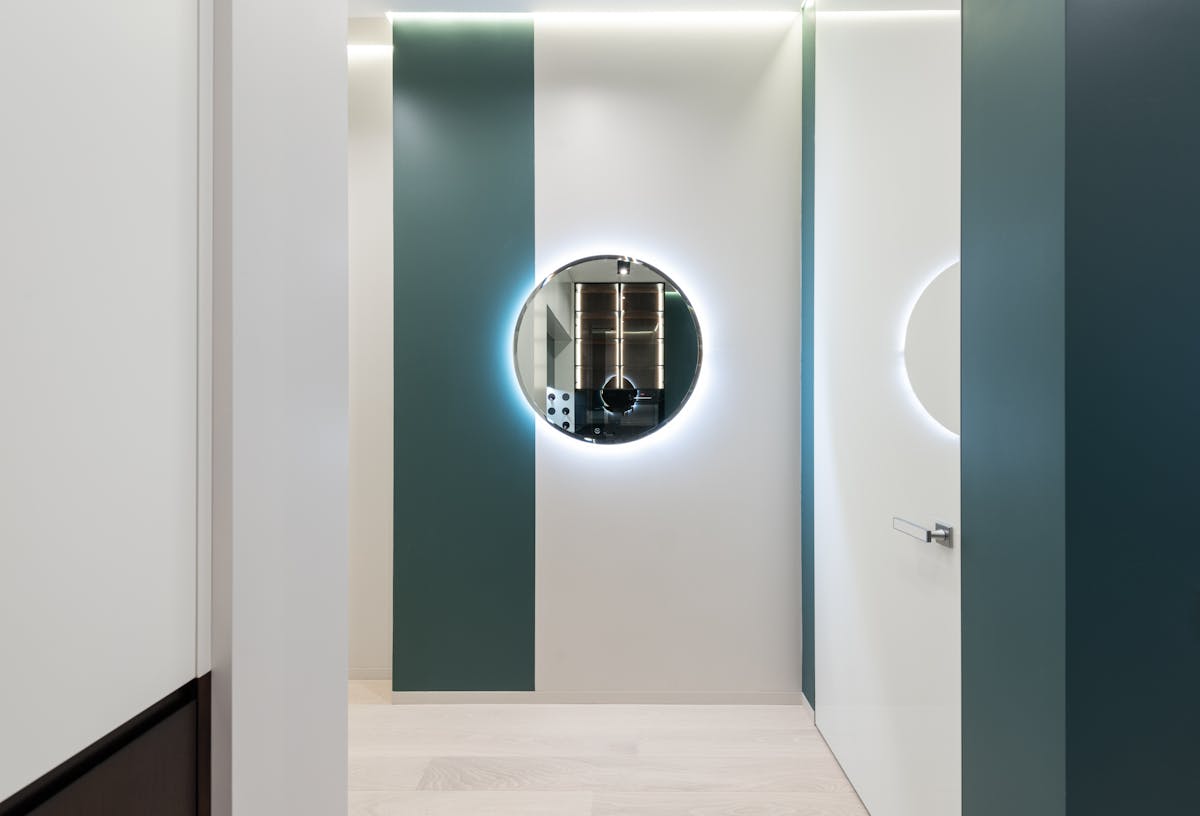
Why DIY Wall Paneling Is Everywhere (Including Your Explore Page)
Wall paneling is basically the “filter” of home decor: it smooths, flatters, and instantly makes everything look more expensive. No wonder it’s viral.
- High drama, low budget: Most projects land in the $150–$300 range but give “custom millwork” energy. It’s like getting first-class vibes on an economy ticket.
- Made-to-measure personality: Vertical slats, grid patterns, shaker-style frames, curved or arched paneling—there’s a layout for every aesthetic, from Scandinavian calm to moody maximalist.
- Content catnip: The before-and-after is wildly satisfying. One second: flat wall. The next: architectural beauty that looks like it’s been there since 1892 (but in a good way).
Whether you love farmhouse whites, Japandi minimalism, or boho terracotta dreams, wall paneling is the neutral best friend that makes every style look more intentional.
Pick Your Wall Personality: Styles That Are Trending Now
Think of your wall like a character in a movie. Is it a quiet minimalist, a dramatic lead, or the cozy best friend who always brings snacks? Match the paneling to the personality:
1. Vertical Wood Slats (The Tall, Chic One)
Vertical slat walls are huge behind TVs and sofas. They add height, texture, and a little “boutique hotel lobby” flair.
- Best for: Living rooms that feel flat, awkward TV walls, open-plan spaces that need a focal point.
- Materials: Pine or oak strips, pre-made slat panels, or MDF battens for a painted version.
- Pro tip: Leave a small gap between slats (often ½" to ¾") and keep spacing consistent. This is where a spacer block is your new bestie.
2. Board & Batten (The Polished Classic)
Board and batten is your go-to for cozy, slightly traditional charm—perfect in farmhouse, coastal, or modern transitional spaces.
- Best for: Bedrooms, entryways, dining rooms—anywhere you want subtle structure.
- Trending colors: Soft whites, sage, greige for calm; deep green or charcoal for drama.
- Design hack: Run it two-thirds up the wall, then top with a slim ledge for art and decor. Instant gallery moment.
3. Box Molding Panels (The Parisian Influencer)
Picture-frame molding (literally rectangles of trim) gives your walls that chic, European apartment vibe—without requiring a passport or a landlord named Pierre.
- Best for: Formal living rooms, dining rooms, primary bedrooms.
- Style tip: Paint trim and wall the same color for subtle texture, or contrast color for a more graphic look.
4. Arched & Curved Paneling (The Trendsetter)
Curved slats and arched panel shapes are rising fast—especially behind beds and cozy reading nooks. It’s like giving your wall a soft-focus filter.
Use flexible MDF or create the illusion of an arch with straight battens and curved paint lines if you’re tool-shy but design-bold.

Plan Like a Pro: The “No Regrets” Wall Paneling Checklist
Before you start enthusiastically nailing things to the wall like a decor raccoon, pause and plot. Here’s the planning routine:
- Measure, then measure again.
Note wall width and height, outlet locations, switches, and any weird jogs or vents. Uneven walls? Welcome to the club. You’ll just caulk, shim, and visually cheat later. - Sketch your layout.
Even a quick pencil sketch helps you decide: how many vertical slats, how wide each box panel, where the bed or TV sits in relation to the design. Symmetry is your friend. - Choose your material lane.
MDF for painted projects and budget-friendliness; real wood for texture and stain; pre-made panels if the idea of cutting everything makes your eye twitch. - Set your color strategy.
Deep greens, charcoals, and moody blues are trending for drama; warm neutrals, light oaks, and off-whites for airy, Scandi vibes. Think about how it will look day vs. night. - Check your tools.
Minimum toolkit: level, tape measure, miter saw (or miter box), stud finder, nail gun or hammer, caulk, wood filler, sandpaper, paint. Headphones optional but recommended for renovation jams.
Pro move: Use painter’s tape on the wall to mock up your pattern before committing. It’s like trying on jeans before cutting the tags.
Room-by-Room: Where to Put All This Fabulous Texture
Not every wall is clamoring for a full makeover. Sometimes you just need one star and a few supporting actors.
Living Room: The TV Wall Glow-Up
Tired of your TV being a big black rectangle on a sad plain wall? A vertical slat or paneled backdrop instantly makes it look intentional.
- Run wood slats floor-to-ceiling for height and drama.
- Mount a floating media console in the same tone for that designer-built-in look.
- Hide cables in raceways painted to match the paneling so your wall doesn’t look like it’s wearing spaghetti.
Bedroom: Paneling as a Headboard (No Assembly Required)
Headboards are out; paneled walls are in. Okay, headboards aren’t actually out, but paneling does steal the show.
- Create a half- or two-thirds-height board-and-batten wall behind the bed and paint it a cozy, saturated color.
- Try an arched painted “halo” over vertical slats for a soft, sculptural effect.
- Frame the bed with wider vertical panels to anchor nightstands and lamps.
Hallways & Entries: From “Just Passing Through” to “Pause and Admire”
Hallways are small but mighty makeover zones. A little paneling goes a very long way.
- Add simple box molding and paint everything one color for a tailored, gallery-ready corridor.
- Pair a low ledge over paneling with framed art, mirrors, and a catch-all bowl at the entry.
- Consider durable paint finishes—these are high-traffic wall zones that meet bags, coats, and the occasional rogue shoe.
Save the Coins: Budget & Renter-Friendly Strategies
You don’t need a limitless budget to make your walls look fancy; you just need to be strategically clever (and maybe a bit sneaky).
- Mix materials: Use real wood where it’s visible and MDF or cheaper strips where it’s painted or partially hidden by furniture.
- Half walls, full impact: Panel only the lower portion and leave the top for art or wallpaper. Looks intentional, costs less.
- Renter trick: Build slatted or paneled freestanding headboard walls or skinny partitions you can take with you. Attach to the wall minimally with removable hardware.
- Smart splurge: If budget is tight, spend more on paint and fewer, bolder panels rather than covering every inch.
Remember: even a single well-designed accent wall can make your entire space feel like it leveled up.
Avoid the Oops: Common Paneling Mistakes (and How to Dodge Them)
DIY is fun until you step back and realize your “straight lines” are more of a gentle scenic route. Keep things pro-level with these guardrails:
- Skipping wall prep: Clean, lightly sand glossy paint, and patch big dings before you start. Texture and paneling don’t need to battle for attention.
- Uneven spacing: Nothing screams “rushed” like randomly spaced slats. Use a spacer block and mark your wall with a level before you nail anything.
- Ignoring outlets: Plan your pattern around outlets and switches. Use a jigsaw to notch battens neatly instead of awkward workarounds later.
- Skipping caulk & filler: These are the Photoshop tools of woodwork. Fill nail holes, caulk gaps at edges, and sand smooth before painting.
- Choosing the wrong sheen: High-gloss shows every bump. Stick to eggshell or satin for walls, especially on textured or patched surfaces.
Style It Like a Designer: Finishing Touches That Make It Wow
Once your paneling is up and painted, don’t leave it standing there like it forgot its accessories at home. The styling is where the magic clicks.
- Layer your lighting: Wall sconces mounted over or beside paneling instantly elevate the look. Soft, warm bulbs keep things cozy, not clinical.
- Contrast textures: Pair smooth painted panels with nubby throws, linen upholstery, chunky knit blankets, and woven baskets so your room feels touchable, not museum-stiff.
- Play with art: Hang simple line drawings or photography in thin frames over paneled walls; they sit beautifully against the structure without feeling busy.
- Repeat the tone: If you’ve used warm oak slats, echo that color in picture frames, side tables, or a tray to tie everything together.
Give Your Walls a Promotion
Your walls do a lot for you—hold up your ceiling, keep your secrets, display that one print you panic-bought online at midnight. They deserve a little glow-up.
With DIY wall paneling and slat walls, you’re not just decorating; you’re adding architecture where there was none. Whether you go for a moody paneled bedroom, a sleek slatted TV wall, or a simple box-molding hallway, you’re giving your home that custom, “someone really thought this through” energy.
Start with one wall, one weekend, and one bold idea. The next time someone walks in and asks, “Wait… when did this place get so fancy?” you can just smile mysteriously and say, “Oh, it’s always been like this.”
