
Deadly Bacteria in Hospital Water? What New Jersey Patients Need to Know About Legionnaires’ Risk Now
When news breaks that a hospital — the very place we turn to for healing — has a deadly bacteria in its water system, it can feel deeply unsettling. That’s exactly what’s happening in New Jersey right now: after a patient died from Legionnaires’ disease, state testing found Legionella bacteria in a hospital’s water, prompting warnings to hundreds of patients to watch for symptoms.
If you or someone you love was recently treated at this hospital, you might be wondering: Am I at risk? What should I look out for? Is it safe to go back? In this guide, we’ll walk through what Legionnaires’ disease is, what this kind of hospital warning really means, how to recognize symptoms early, and what practical steps you can take to stay as safe as possible — without panic, but with clear, informed caution.
What’s Happening at the New Jersey Hospital?
According to reporting from NJ.com, a New Jersey hospital notified state health officials after a patient was diagnosed with and later died from Legionnaires’ disease. Follow-up testing of the hospital’s water system revealed the presence of Legionella, the bacteria that causes Legionnaires’ disease.
In response, the hospital has:
- Sent letters or notifications to hundreds of patients who may have been exposed during their stay or visit.
- Worked with the New Jersey Department of Health and infection-control experts to investigate and treat the water system.
- Implemented interim safety measures, which commonly include restricting showers, using bottled or filtered water, and flushing or disinfecting pipes.
“When we identify Legionella in a healthcare facility, our priority is rapid risk reduction — that means immediate water safety measures and careful communication with potentially affected patients.” — Infection prevention specialist, large academic medical center
This kind of warning does not mean everyone exposed will get sick. Most people exposed to Legionella do not develop Legionnaires’ disease. But because the infection can be severe — especially for older adults and those with chronic illnesses — hospitals and public health officials take even a small risk very seriously.
Inside a Hospital Water System: Why Legionella Is a Concern

Legionella bacteria thrive in warm, stagnant water and can colonize complex building plumbing systems — especially in large facilities like hospitals, hotels, and long-term care centers. Even with modern infection-control practices, completely eliminating this risk is challenging.
What Is Legionnaires’ Disease, Exactly?
Legionnaires’ disease is a type of severe pneumonia (lung infection) caused by breathing in tiny droplets of water that contain Legionella bacteria. It’s not spread from person to person in typical situations. The problem is usually an environmental source — like:
- Hospital or building plumbing systems
- Showers and faucets
- Cooling towers (part of air-conditioning systems)
- Hot tubs and decorative fountains
Once inhaled, the bacteria can infect the lungs, leading to symptoms similar to other types of pneumonia, but it often hits harder and can worsen quickly without treatment.
Who Is Most at Risk from Hospital Legionella Exposure?
Not everyone exposed to Legionella will get sick. Your individual risk depends on a combination of your health status and the level of exposure. According to the CDC and other public health sources, people at higher risk include:
- Adults 50 and older, especially over 65.
- People with chronic lung disease (COPD, emphysema, severe asthma).
- Those with weakened immune systems (cancer treatment, transplant medications, HIV, high-dose steroids).
- People with chronic health conditions such as diabetes, heart disease, or kidney disease.
- Smokers or former heavy smokers.
In a hospital setting, many patients already fall into one or more of these categories, which is why a single case tied to the facility’s water is taken so seriously.
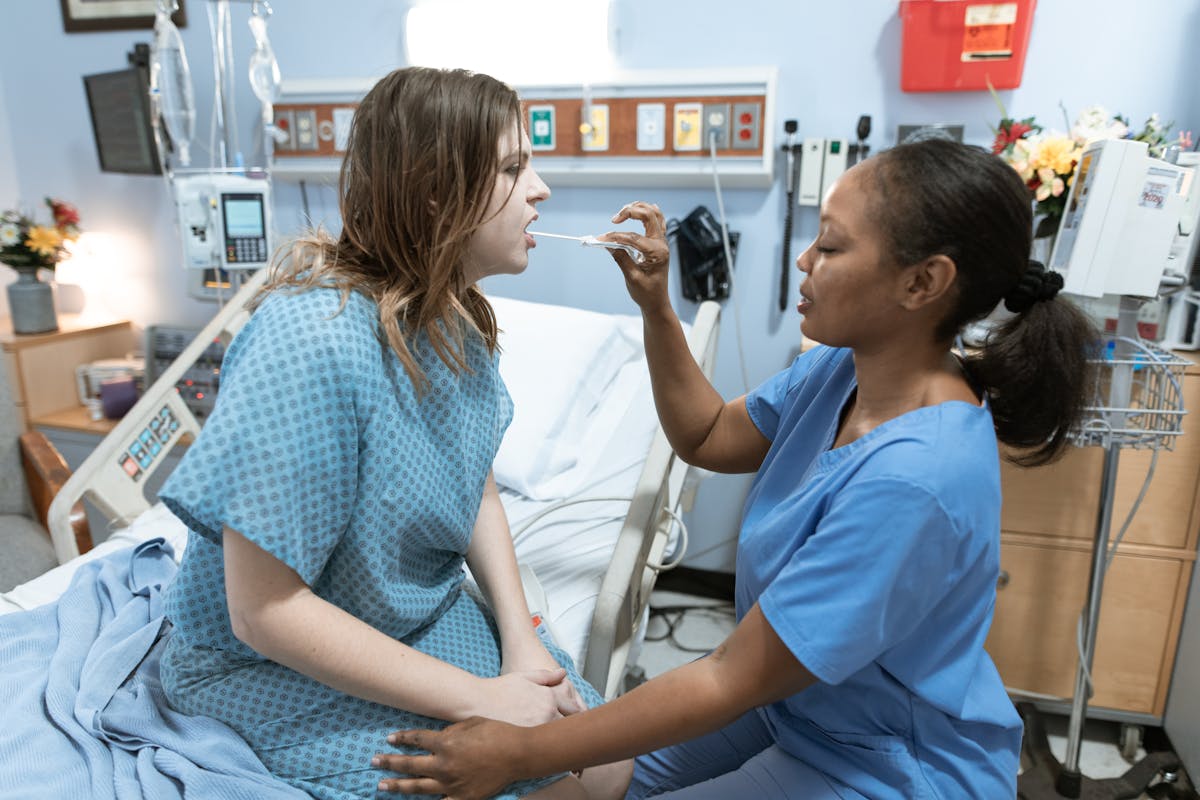
Legionnaires’ Disease Symptoms: What to Watch for After a Hospital Stay
If you received a notification from the New Jersey hospital, it will likely include guidance on when to watch for symptoms. Symptoms usually begin 2 to 10 days after exposure, but in rare cases up to about 14 days. The key signs resemble a serious case of pneumonia:
- High fever (often 102°F / 38.9°C or higher)
- Cough (dry or producing mucus)
- Shortness of breath or difficulty breathing
- Chest pain, especially with deep breaths or coughing
- Chills and muscle aches
- Headache and profound fatigue
- Sometimes confusion, nausea, diarrhea, or abdominal pain
Many respiratory viruses can cause overlapping symptoms, which is why clinical evaluation and testing are important if you’re at risk and feeling unwell.
If You Were a Patient or Visitor: Practical Steps to Take Now
Learning that you may have been exposed to a potentially deadly bacteria is scary. The goal now is to turn that anxiety into clear, practical action. Here’s a step-by-step approach:
- Read any letter or notification carefully.
Look for:- The dates when the hospital believes risk was present.
- Which units or areas were affected.
- Who to call with questions (often infection prevention or a hotline).
- Assess your personal risk.
Consider your age, medical conditions, and whether you had exposure to hospital water (showers, sink use, respiratory therapy equipment that used tap water, etc.). - Watch for symptoms for at least 14 days after your last potential exposure.
Keep a simple log of any fever, cough, or breathing changes, especially if you’re in a higher-risk group. - Contact your primary care clinician early if you feel unwell.
Let them know:- The name of the hospital and approximate dates you were there.
- That Legionella was found in the facility’s water.
- Your symptoms and when they started.
- Ask directly about testing if you have pneumonia-like symptoms.
Diagnosis often involves:- A chest X-ray to check for pneumonia.
- A urine test for Legionella antigen.
- Possibly sputum (mucus) tests for culture or PCR.
“For patients with risk factors who develop pneumonia symptoms after a known exposure, I’d rather they call me too early than too late. Legionnaires’ is treatable, but timing matters.” — Pulmonary and critical care physician
How Is Legionnaires’ Disease Treated — and What’s the Prognosis?
The encouraging part: when caught early, Legionnaires’ disease is usually treatable with antibiotics. Common treatment involves:
- Prompt antibiotics from the macrolide or fluoroquinolone family, as recommended by current guidelines.
- Hospitalization for many patients, especially older adults, to support breathing and hydration.
- Monitoring for complications like respiratory failure or sepsis in severe cases.
Outcomes vary with age, underlying health, and how quickly treatment starts. Public health data suggest mortality around 10% overall, but it can be higher in hospitalized or immunocompromised patients. That’s why early recognition and treatment are so critical.
What Hospitals Do When Legionella Is Found in the Water
It’s reasonable to ask, “If they found Legionella now, how do I know it will be safe later?” Modern hospitals follow evidence-based protocols developed with input from the CDC, ASHRAE (American Society of Heating, Refrigerating and Air-Conditioning Engineers), and state health departments.
Typical control steps include:
- Immediate interim measures:
- Restricting patient showers or tap water use in affected areas.
- Using sterile or filtered water for respiratory equipment and certain procedures.
- Posting clear signage for staff and visitors.
- System-level disinfection:
- “Hyperchlorination” (temporarily increasing disinfectant levels).
- Thermal disinfection (flushing very hot water through pipes).
- Adding or upgrading secondary disinfection systems.
- Ongoing monitoring:
- Regular water testing at multiple locations.
- Fine-tuning hot water temperatures and circulation.
- Long-term water management plans that target Legionella risk.

A Real-World Scenario: Turning Fear into a Plan
A few years ago, I worked with a family whose father had recently undergone surgery at a hospital that later reported a Legionella problem in its water system. The son told me:
“I was furious at first. How could a hospital have this kind of bacteria in the water? But my bigger fear was that my dad, who already had COPD, might get sick and we’d miss the early signs.”
Together, we created a simple, concrete plan:
- They marked the calendar for 14 days after his discharge and watched closely for fever, cough, or breathing changes.
- They kept the hospital’s letter by the phone so they could reference it quickly if they needed to call a doctor.
- They clarified with his pulmonologist what symptoms would warrant an immediate ER visit.
He never developed symptoms, and over time, the family’s anger softened into cautious trust as the hospital shared updates about its remediation efforts. That experience doesn’t erase the risk, but it shows how having a clear plan can reduce anxiety and help families feel more in control.
Can You Reduce Legionella Risk at Home?
The current New Jersey situation centers on a hospital, but people often wonder about their own homes or apartments — especially older buildings. While the risk is typically much lower at home than in large, complex systems, there are some general maintenance steps that may help reduce risk:
- Keep your hot water heater at a temperature recommended by safety guidelines (commonly at least 120°F / 49°C, balancing scald risk and bacterial control).
- Run rarely used taps and showers for several minutes every few weeks to avoid stagnation.
- Follow manufacturer guidelines for devices that use water (humidifiers, CPAP machines, etc.), using distilled or sterile water if recommended.
- For people at very high risk, discuss with a clinician whether additional precautions (like point-of-use filters) make sense.

Common Questions About the New Jersey Legionnaires’ Warning
Can I catch Legionnaires’ disease from another person?
In almost all documented cases, no. Legionnaires’ disease is typically not spread person-to-person. The risk comes from breathing bacteria-contaminated water droplets. There have been extremely rare exceptions in the medical literature, but for practical purposes public health guidance treats it as an environmentally acquired infection.
Is it safe to go back to the same hospital?
Hospitals are required to work with public health authorities to implement control measures before resuming normal operations in affected areas. If you have an upcoming procedure:
- Ask whether the area you’ll be in was affected.
- Ask what remediation steps have been taken and whether additional precautions (like filtered water) are in place for high-risk patients.
- Discuss with your doctor whether it’s safer to delay or move your care, especially if the procedure is elective.
I stayed overnight but don’t remember using the shower. Am I still at risk?
Possibly, but the risk may be lower. Exposure can come from:
- Sink use (washing hands or face).
- Respiratory therapy or devices that used tap water.
- Being in a room while the shower was running.
Still, remember: even among exposed individuals, most do not get sick. Focus on symptom awareness and follow your clinician’s guidance.
Where to Find Reliable, Up-to-Date Information
For the latest on Legionnaires’ disease and Legionella control, consider these authoritative resources:
- U.S. Centers for Disease Control and Prevention (CDC) — Legionella
- New Jersey Department of Health — Legionnaires’ Disease
- U.S. Environmental Protection Agency (EPA) — Legionella and Drinking Water
- ASHRAE guidelines on building water systems (for technical and facility audiences)

Moving Forward: Stay Alert, Not Paralyzed
Hearing that a New Jersey hospital found a potentially deadly bacteria in its water system after a patient’s death from Legionnaires’ disease is understandably alarming. It can shake your trust in a place that’s supposed to be safe.
Yet awareness is powerful. You now know:
- What Legionnaires’ disease is and who’s at highest risk.
- Which symptoms deserve prompt medical attention.
- How hospitals and health departments respond when Legionella is found.
- Concrete steps you can take if you were a patient or visitor.
If you received a warning letter or think you might have been exposed, your next best step is to reach out to your healthcare provider with your specific questions and risk factors. Bring any documentation you have from the hospital, and don’t hesitate to advocate for yourself if you feel unwell.
You don’t have to navigate this alone. Staying informed, asking direct questions, and seeking care early if symptoms arise are the most effective ways to protect yourself and the people you love.
