
CRISPR, Base Editing, and the First Wave of Gene‑Editing Therapies Explained
As ex vivo and in vivo CRISPR‑based treatments enter clinics, investor calls, and mainstream news, understanding how these tools work—and what their first successes and limitations reveal—is now essential for anyone following modern medicine, biotech innovation, or science‑driven policy.
Gene editing has entered a historic “first wave” of real‑world therapies. In the last few years, regulators in the US, UK, and elsewhere have granted the first approvals for CRISPR‑based treatments for severe blood disorders, while late‑stage trials are expanding into cardiovascular, ocular, and metabolic diseases. At the same time, base editors and prime editors—more precise cousins of classic CRISPR‑Cas9—are moving from lab benches into early‑phase human trials.
This article explains how CRISPR, base editing, and prime editing work, why ex vivo therapies led the way, what the first approvals tell us about safety and efficacy, and how ethical, regulatory, and social media dynamics are shaping public perception. It is written for readers with some familiarity with biology, but it avoids unnecessary jargon and focuses on concepts, use cases, and implications.

Mission Overview: From Concept to Clinic
CRISPR‑Cas–based gene editing was first recognized as a transformative genome engineering tool in 2012–2013. In just over a decade, it has moved from proof‑of‑concept experiments in cell lines and model organisms to approved therapies that can effectively “functionally cure” some patients with monogenic diseases.
The mission of current clinical gene‑editing programs can be summarized as:
- Correct or bypass pathogenic DNA variants that cause serious disease.
- Do so with maximal precision and minimal off‑target damage.
- Deliver editing tools safely to the right cells at the right time.
- Provide durable, ideally one‑time treatments that reduce lifelong burden.
“We are seeing the first patients whose lives are being changed by CRISPR‑based medicines. That transition from concept to clinic is one of the most rapid in the history of biotechnology.”
— Jennifer Doudna, CRISPR pioneer
The first wave of therapies is intentionally conservative: they target well‑understood monogenic diseases, focus on somatic (non‑heritable) cells, and rely on ex vivo approaches when possible to maximize control over editing outcomes.
Technology Foundations: How CRISPR, Base Editors, and Prime Editors Work
At its core, CRISPR technology is a programmable DNA‑cutting system derived from bacterial immune defenses. A guide RNA (gRNA) directs a Cas nuclease to a matching DNA sequence via base pairing; the nuclease then modifies that DNA. Modern therapeutics build on and diversify this basic idea.
Classic CRISPR‑Cas9 Genome Editing
The canonical CRISPR‑Cas9 system uses the Streptococcus pyogenes Cas9 nuclease (SpCas9) or related enzymes to introduce a double‑strand break (DSB) at a targeted genomic locus. The cell’s DNA repair pathways then resolve this break.
- Non‑homologous end joining (NHEJ) — an error‑prone repair pathway that often introduces small insertions or deletions (indels). This can knock out gene function.
- Homology‑directed repair (HDR) — a template‑driven pathway that can incorporate precise sequence changes when a donor DNA template is provided, though it is less efficient and largely limited to dividing cells.
While DSB‑based editing is powerful, it can cause:
- Unintended indels at the target locus.
- Large deletions or rearrangements in rare cases.
- Off‑target cuts at similar sequences elsewhere in the genome.
Base Editing: Single‑Letter Changes Without Double‑Strand Breaks
Base editors were developed to address some of these risks by allowing direct conversion of one base to another without DSBs. A base editor typically fuses:
- A catalytically impaired or nickase Cas protein that binds DNA at a target site.
- A deaminase enzyme that chemically converts one nucleotide to another within an “editing window.”
Two major classes dominate:
- Cytosine base editors (CBEs) — convert C•G base pairs to T•A.
- Adenine base editors (ABEs) — convert A•T base pairs to G•C.
Because base editors avoid DSBs, they show:
- Lower rates of large deletions and rearrangements.
- More predictable outcomes when correcting point mutations.
- Constraints based on PAM sequence availability and editing‑window positioning.
Prime Editing: Search‑and‑Replace for DNA
Prime editing extends this idea by enabling insertions, deletions, and all 12 possible base substitutions without DSBs or donor templates. A prime editor typically includes:
- A Cas9 nickase that creates a single‑strand nick at the target site.
- A reverse transcriptase that writes a new DNA sequence into the genome.
- A prime editing guide RNA (pegRNA) that encodes both targeting information and the desired edit.
Functionally, prime editing acts like a “search‑and‑replace” operation in DNA, though current clinical programs are still in early stages, focusing on a few well‑characterized pathogenic variants.
The First Clinical Wave: Ex Vivo Gene‑Editing Therapies
The earliest clinical successes in CRISPR therapeutics have focused on diseases where ex vivo editing—modifying cells outside the body and reinfusing them—was feasible. Hematological disorders such as sickle cell disease (SCD) and transfusion‑dependent beta‑thalassemia (TDT) were natural first targets.
Why Blood Disorders Came First
Hematopoietic stem and progenitor cells (HSPCs) offer an ideal setting for first‑in‑human CRISPR editing because:
- They can be collected from bone marrow or mobilized peripheral blood.
- They can be edited and extensively tested for on‑ and off‑target effects ex vivo.
- They can repopulate the patient’s blood system after conditioning chemotherapy.
- Clinicians already have decades of experience with stem cell transplantation workflows.
Mechanism: Reactivating Fetal Hemoglobin
A pivotal strategy for SCD and TDT involves reactivating fetal hemoglobin (HbF), which can compensate for defective adult hemoglobin. CRISPR editing targets regulatory elements (such as the BCL11A erythroid enhancer) to boost HbF production in red blood cells.
The workflow typically includes:
- Harvesting HSPCs from the patient.
- Delivering CRISPR components (often as ribonucleoprotein complexes) to disrupt the target regulatory element.
- Quality‑controlling edited cells for on‑target efficiency and safety metrics.
- Conditioning the patient with chemotherapy to clear space in the bone marrow.
- Reinfusing edited cells and monitoring engraftment and hemoglobin levels.
“For many of these patients, the switch flips from frequent hospitalizations and transfusions to independence. It’s not just a lab result; it’s a life trajectory being rewritten.”
— Hematologist involved in CRISPR sickle cell trials
Clinical Outcomes and Regulatory Approvals
By late 2023 and 2024, regulatory agencies such as the U.S. Food and Drug Administration (FDA) and the UK Medicines and Healthcare products Regulatory Agency (MHRA) had granted marketing approval to the first CRISPR‑based ex vivo therapies for SCD and TDT. Publicly reported data showed:
- High rates of freedom from vaso‑occlusive crises in SCD patients.
- Elimination or drastic reduction of transfusion requirements in TDT.
- Durable expression of HbF over multiple years of follow‑up (so far).
- Manageable safety profile, though long‑term surveillance remains crucial.
These approvals catalyzed a surge of interest on Twitter/X, LinkedIn, and YouTube, where clinicians, patients, and policy analysts dissected the scientific details, costs, and ethical implications.
In Vivo Editing and Emerging Delivery Technologies
While ex vivo editing offers control and rich quality‑assurance, it is not practical for many tissues, such as liver, muscle, or retina. The next frontier is in vivo editing—delivering CRISPR components directly into the body to edit cells in situ.
Lipid Nanoparticles and Viral Vectors
Two main delivery platforms dominate current in vivo programs:
- Lipid nanoparticles (LNPs) — widely used for mRNA vaccines, LNPs can carry mRNA for Cas proteins and gRNAs to the liver and other tissues. They are attractive because they are non‑viral and transient.
- Adeno‑associated virus (AAV) vectors — small, replication‑deficient viruses that deliver DNA encoding CRISPR components. They provide more durable expression but raise concerns about dose‑related toxicity and immune responses.
In Vivo CRISPR and Base Editing Trials
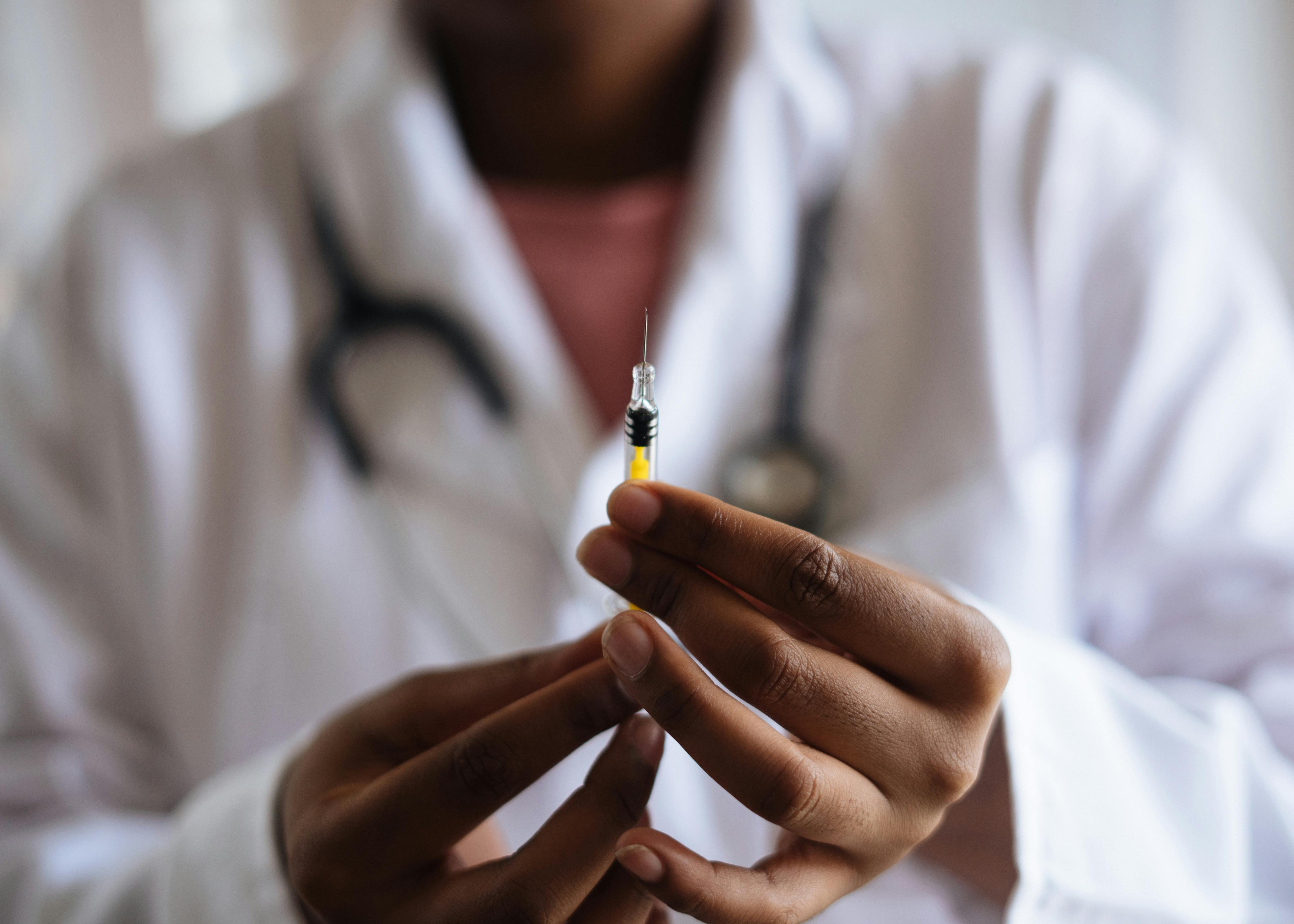
Several high‑profile programs are testing in vivo gene editing for:
- Inherited retinal diseases, by injecting gene‑editing payloads into the eye.
- Familial hypercholesterolemia (FH), by inactivating genes such as PCSK9 or ANGPTL3 in hepatocytes using base editors.
- Transthyretin amyloidosis (ATTR), by knocking out the TTR gene in the liver.
Early readouts have demonstrated:
- Substantial and durable reductions in disease‑relevant proteins (e.g., PCSK9, TTR) after a single dose.
- Favorable lipid or biomarker profiles that could translate into reduced cardiovascular risk.
- Encouraging safety, though rare adverse events are being closely monitored.
Scientific Significance: Beyond Therapy
While the clinical impact of gene editing is front‑page news, CRISPR tools are simultaneously reshaping basic research, drug discovery, and industrial biotechnology.
CRISPR Screens and Functional Genomics
Genome‑wide CRISPR knockout, activation, and interference (CRISPRa/i) screens allow researchers to:
- Systematically identify genes that influence drug response or resistance.
- Map genetic interaction networks and synthetic lethality relationships.
- Discover novel therapeutic targets across oncology, immunology, and neurology.
These screens have become standard tools in pharmaceutical pipelines, often integrated with single‑cell sequencing to dissect cellular heterogeneity.
Agriculture and Food Security
In plants and livestock, gene editing is being used to:
- Create disease‑resistant crop varieties.
- Improve drought and heat tolerance in the face of climate change.
- Enhance nutritional content—such as high‑oleic oils or biofortified cereals.
- Reduce dependence on pesticides and other chemical inputs.
Microbiology, Synthetic Biology, and Biomanufacturing
In microbes, CRISPR tools enable “chassis engineering” for:
- Biofuel production and renewable chemicals.
- Bioremediation of environmental pollutants.
- Industrial enzyme manufacturing and specialized metabolites.
“CRISPR has become the Swiss army knife of molecular biology, not just a single therapeutic modality. Its impact pervades every corner of the life sciences.”
— Comment in Nature News & Views
Milestones in the Gene‑Editing Timeline
The path from discovery to first‑in‑class therapies has been remarkably fast. Key milestones include:
- 2012–2013: Programmable CRISPR‑Cas9 genome editing demonstrated in mammalian cells.
- 2014–2016: Early in vivo animal models and the first ex vivo editing of human cells reported.
- 2016–2018: Initial human trials launched for ex vivo immuno‑oncology and hematological applications.
- 2018–2019: First in vivo CRISPR trials initiated for liver and retinal diseases.
- 2019–2021: Base editing and early prime editing tools demonstrated in mammalian systems; first base‑editing human trials designed.
- 2023–2024: Landmark approvals for ex vivo CRISPR therapies for SCD and TDT, with additional late‑stage programs for in vivo editing advancing.
On social platforms, each major clinical data release or regulatory decision creates characteristic “spikes” of attention, driving renewed interest in explainers, expert interviews, and policy debates.
For a visual historical overview, see educational videos such as this CRISPR explainer by Kurzgesagt .
Ethical, Regulatory, and Societal Dimensions
No discussion of gene editing is complete without acknowledging the intense ethical and regulatory scrutiny it has attracted. The global backlash to the first reported CRISPR‑edited babies in 2018 led to widespread condemnation and renewed efforts to define international norms.
Somatic vs. Germline Editing
The central distinction in ethics and regulation is between:
- Somatic editing — targets non‑reproductive cells; changes are confined to the treated individual. Current clinical programs are almost exclusively somatic.
- Germline editing — modifies embryos, sperm, or eggs; changes are heritable. This remains broadly prohibited or tightly restricted in most jurisdictions.
Therapy vs. Enhancement
Another axis of debate is:
- Therapeutic uses: correcting or mitigating serious disease.
- Enhancement uses: attempts to increase traits (e.g., cognition, athletic performance) beyond a healthy baseline.
Most professional societies strongly support carefully evaluated therapeutic somatic applications while opposing non‑therapeutic germline enhancement.
Equity and Access
CRISPR‑based therapies currently carry price tags in the high six‑ or seven‑figure range per patient, raising urgent questions about:
- Insurance coverage and health‑system affordability.
- Global access, particularly in low‑ and middle‑income countries where genetic diseases are common.
- Long‑term sustainability of one‑time curative therapies for payers.
Patient advocacy groups and bioethicists frequently discuss these issues on podcasts, webinars, and platforms like LinkedIn, arguing for new payment models and international collaborations.
For a nuanced policy perspective, see the National Academies report on human genome editing ( Human Genome Editing: Science, Ethics, and Governance ).
Challenges: Safety, Off‑Target Effects, and Delivery
Despite remarkable progress, the first generation of gene‑editing therapies still faces significant technical and practical challenges.
Off‑Target and Unintended On‑Target Effects
Even with careful guide design and high‑fidelity Cas variants, unwanted edits can occur:
- Off‑target edits: cuts or base changes at similar but non‑identical genomic sites.
- Complex on‑target events: large deletions, inversions, or chromosomal rearrangements at the intended site, occasionally observed in DSB‑based editing.
To mitigate these risks, developers employ:
- Improved nuclease variants with reduced off‑target activity.
- Extensive in vitro and in silico off‑target prediction and validation.
- Long‑term follow‑up of trial participants, often for 15 years or more.
Immunogenicity and Dosing Constraints
Delivery vectors and editing proteins can trigger immune responses:
- Neutralizing antibodies to AAV capsids can prevent redosing.
- Pre‑existing immunity to Cas proteins derived from human pathogens is a concern.
- High vector doses have been associated with liver toxicity in some gene therapy contexts.
Manufacturing, Scalability, and Cost
Producing high‑quality CRISPR components, LNPs, and viral vectors at scale under Good Manufacturing Practice (GMP) conditions remains non‑trivial. Complex ex vivo workflows and individualized cell products further increase cost.
Over the next decade, improvements in:
- Automated cell‑processing platforms.
- Standardized modular vector production.
- Non‑viral delivery technologies.
will be critical for reducing prices and broadening access.
Learning and Working with Gene Editing: Tools and Resources
As gene editing becomes a mainstream topic, educational resources for students, professionals, and investors have multiplied. For hands‑on learners, safe, non‑clinical kits and textbooks can provide a structured introduction.
Educational Kits and Reading (Affiliate Recommendations)
For classroom or hobbyist‑level understanding (not medical use), resources like the following are popular in the US:
- “The Code Breaker” by Walter Isaacson — a narrative history of CRISPR, focusing on Jennifer Doudna, the scientific race, and ethical debates.
- “A Crack in Creation” by Jennifer Doudna and Samuel Sternberg — an accessible yet detailed overview of CRISPR’s discovery, mechanisms, and implications.
Online Courses and Media
Several platforms and institutions offer introductory and advanced material:
- Broad Institute CRISPR resources — concise explainers and technical background.
- Coursera courses on CRISPR and gene editing — varying from beginner to intermediate.
- Science YouTube channels such as Kurzgesagt and MIT’s official channel frequently publish accessible gene‑editing explainers.
Conclusion: Where Gene Editing Is Heading Next
The first approved CRISPR therapies mark an inflection point: gene editing is no longer theoretical, nor confined to high‑risk oncology trials. It is now a practical, if still expensive and complex, clinical option for certain genetic diseases. Base editing and prime editing promise to further expand the treatable landscape, potentially correcting single‑nucleotide variants or making nuanced “tuning” changes to gene expression.
Over the next decade, watch for:
- Broader indications, especially in cardiometabolic, ocular, and neuromuscular disorders.
- Safer, more efficient delivery platforms beyond current AAV and LNP systems.
- Integration of gene editing with other modalities such as RNA therapeutics and cell therapies.
- More sophisticated regulatory frameworks that reflect real‑world experience with long‑term outcomes.
- Decreasing manufacturing costs and new reimbursement models designed for one‑time curative treatments.
For scientists, clinicians, policymakers, and informed citizens alike, staying current with CRISPR, base editing, and prime editing is no longer optional. These tools are reshaping medicine, agriculture, and industry, and the choices society makes today will influence how equitable and responsible that transformation will be.
Additional Insights: Investing, Policy, and Responsible Engagement
Because gene‑editing companies sit at the intersection of cutting‑edge science and capital markets, they are frequent subjects of investment analysis and policy debate. When evaluating investment or policy decisions related to gene editing, consider:
- The specific editing modality (DSB CRISPR, base editing, prime editing) and its maturity.
- The delivery strategy and its safety track record.
- Target diseases, competitive landscape, and standard‑of‑care comparators.
- Regulatory strategy and long‑term follow‑up commitments.
- Ethical stances and patient‑engagement practices.
Professional networks such as LinkedIn host ongoing discussions among scientists, venture capitalists, and policymakers. Engaging critically—following experts in genomics, bioethics, and health economics—can provide a nuanced perspective beyond headlines.
For policymakers and advocates, incorporating scientifically literate voices into regulation, reimbursement models, and public communication is crucial to balancing innovation with safety, equity, and public trust.
References / Sources
Selected open‑access and high‑quality resources for further reading:
- National Academies of Sciences, Engineering, and Medicine (2017). Human Genome Editing: Science, Ethics, and Governance .
- Jinek et al. (2012). A Programmable Dual‑RNA–Guided DNA Endonuclease in Adaptive Bacterial Immunity . Science.
- Komor et al. (2016). Programmable Editing of a Target Base in Genomic DNA without Double‑Stranded DNA Cleavage . Nature.
- Anzalone et al. (2019). Search‑and‑Replace Genome Editing without Double‑Strand Breaks or Donor DNA . Nature.
- New England Journal of Medicine and Nature Medicine clinical trial reports on CRISPR therapies for sickle cell disease, beta‑thalassemia, and transthyretin amyloidosis (see recent articles via NEJM and Nature Medicine).
