
Cozy Minimalism, Maximum Comfort: How to Make Your Home Calm, Warm, and Clutter‑Light
Cozy Minimalism: Because You Deserve Calm, Not Clutter
Cozy minimalism is the softer, warmer cousin of classic minimalism—calm, clutter-light, and full of texture instead of stuff. Think fewer things, better things, and absolutely no “live, laugh, love” decals harmed in the process. If stark, white-box minimalism felt like living inside an Apple Store, cozy minimalism is more like your favorite café: clean, calm, but with cushy seating and great lighting.
In this guide, we’ll walk (barefoot, obviously) through how to create a warm, lived-in minimalist home using layered neutrals, natural materials, and intentional decor so your space feels both peaceful and personal, not like a museum with a Wi‑Fi password.
We’ll cover color palettes, textures, furniture choices, DIY ideas, and decluttering that doesn’t require you to own only three shirts and a single fork. Prepare to give your home a calm glow-up—without maxing out your credit card or your stress levels.
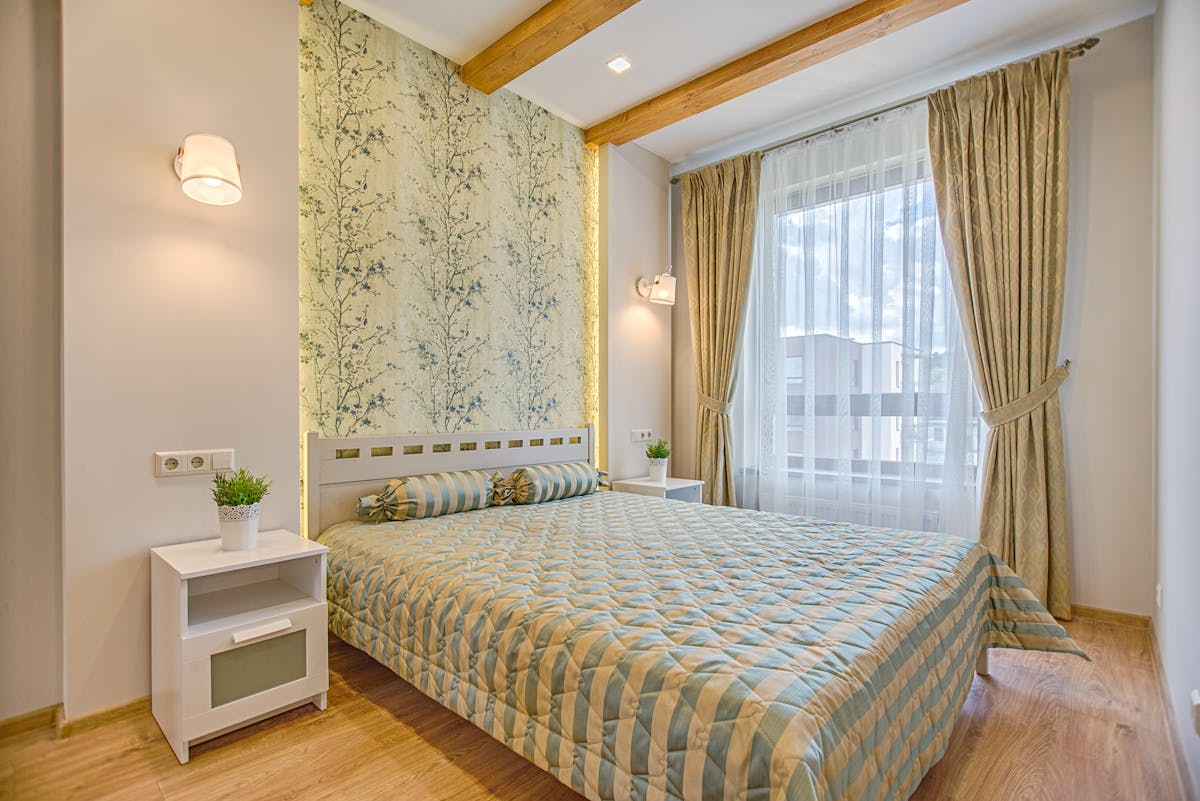
Why Cozy Minimalism Is Everywhere Right Now
The internet has collectively decided we are done with two extremes: museum-grade minimalism and “did a home decor store explode in here?” maximalism. Enter cozy minimalism—the middle path that lets you breathe without feeling like you live in a rental staging photo.
- Work-from-home fatigue: We’re still spending a lot of time at home, and staring at clutter all day is an instant mood drop. But so is staring at bare, echoey walls. Cozy minimalism balances calm and comfort.
- Smarter spending: With tighter budgets and rising interest rates, people are choosing fewer, higher-quality pieces that work year-round instead of constant trend-chasing.
- Algorithm-approved: On social feeds, “quiet luxury,” “soft minimalism,” and “cozy core” living rooms perform beautifully under hashtags like #minimalisthomedecor, #livingroomdecor, and #bedroomdecor. They look aspirational, but are surprisingly achievable with paint, textiles, and a good declutter.
Cozy minimalism is not about owning less for the sake of it—it’s about removing what doesn’t matter so what does matter can actually shine (yes, including that oversized mug collection).
Step 1: Build a “Warm Cloud” Color Palette
Cozy minimalism starts with a soft, warm base that makes your whole home feel like a freshly steamed latte. Instead of chilly whites and sharp contrasts, we’re after gentle, layered tones.
Try this cozy minimalist palette recipe:
- Base colors: warm whites, greige, oatmeal, sand, or light taupe on walls and larger furniture.
- Grounding shade: one deeper tone—espresso brown, charcoal, or soft black—for table legs, frames, or a single accent chair.
- Whisper-soft accents: sage, clay, muted blue, or warm blush in small doses (a cushion here, a vase there).
If you’re working with cool gray walls from the 2010s, don’t panic. Add warmth through everything that touches them: creamy curtains, beige or sand-toned rugs, wood furniture, and warm lighting instead of harsh white bulbs.
Pro move: when paint shopping, hold swatches next to your existing flooring and sofa, not just in the store lighting. Your home, not aisle 7, is the final judge.
Step 2: Trade Busy Patterns for Delicious Texture
In cozy minimalism, texture does the talking so pattern can take a little nap. Instead of five different prints fighting for attention, you layer touchable, tactile materials that add depth without chaos.
Texture all-stars:
- Bouclé or textured-weave sofas and chairs
- Chunky knit throws (the visual equivalent of a hug)
- Linen or cotton-linen blend curtains that puddle slightly
- Wool or low-pile rugs with subtle woven patterns
- Ceramic and stone accessories with matte or lightly ridged finishes
If you’re team “I already own 47 patterned cushions,” don’t worry. Keep your three favorites and balance them with solid, textured ones in similar colors. It’s less “circus,” more “curated.”

Step 3: Fewer, Larger Pieces (a.k.a. Stop Buying Tiny Things)
Minimalism doesn’t mean owning one chair and crying on the floor. It does mean avoiding a hundred small items that make your space feel like a storage unit.
Swap “more” for “well-chosen” like this:
- Art: one oversized piece or a large-scale print instead of a busy gallery wall. Big art = big impact with less visual noise.
- Lighting: a statement floor lamp you truly love instead of three small lamps that never quite match.
- Seating: one great accent chair instead of multiple small stools scattered like decor confetti.
- Storage: closed storage (sideboards, credenzas) to hide everyday chaos—because no one needs to gaze lovingly at cables.
Before buying anything, ask: Will this earn its floor space?
If the answer is “ummm,” the answer is no.
Step 4: Bring In Nature (Without Committing to a Jungle)
Cozy minimalism has a serious crush on natural materials. They instantly warm up a space and play nicely with almost every style—boho, Scandinavian, farmhouse, you name it.
Look for:
- Light oak, ash, or walnut wood furniture and picture frames
- Rattan, cane, and woven details on chairs, sideboards, or baskets
- Stone surfaces: travertine, marble-look, terrazzo coffee tables or side tables
- Natural fiber rugs—jute, sisal, or wool—underfoot
- One or two large plants in simple pots, instead of a million little ones
If your existing furniture leans orange or red (the infamous “rental cherry” finish), you can sand and re-stain it to a lighter oak or deeper walnut tone. It’s like a personality reset for your furniture… without the therapy bill.
Step 5: Intentional Decor, Not Trinket Overload
Cozy minimalism is where your sentimental side and your organized side finally shake hands. You absolutely can keep meaningful pieces; you just don’t need twelve almost-identical vases from clearance aisles past.
Think “capsule decor”:
- A couple of ceramic vases in different heights and textures
- One or two stacks of coffee table books that you genuinely like flipping through
- A sculptural candle or two that you might even light occasionally (rebellious, I know)
- One large plant instead of six tiny ones on every surface
- For walls: one oversized canvas, a textured wall hanging, or a single striking photograph
When styling a surface, use the “three item rule”: one tall, one medium, one low object, all related by color or material. If it starts looking like a flea market stall, edit ruthlessly.
Step 6: Easy DIYs to Soften and Simplify Your Space
You don’t need a full renovation or a reality show budget to lean into cozy minimalism. A few weekend-friendly projects can totally shift the vibe.
- DIY limewash or color-wash walls
Swap stark white for a soft, cloudlike finish with limewash or limewash-effect paint. The subtle movement in the color adds depth without needing artwork on every inch of wall. - Make your own oversized art
Try spackle art (joint compound on canvas), a fabric-covered canvas using leftover linen, or a bold, minimal line drawing. Frame it in a thin wood frame and call yourself the in-house artist. - Flip your furniture finishes
Sand and stain side tables or dining chairs in a softer wood tone. New handles or knobs in brushed brass or black instantly modernize tired pieces. - Textile swap-out
Replace loud patterned cushions and shiny curtains with textured neutrals. Same furniture, completely new mood.
Step 7: Declutter Like a Realist, Not a Monk
Cozy minimalism is not a personality cult for people who own one spoon. It’s about reducing visual noise, not your entire identity. You can keep your hobbies, your kids, and your TBR pile—promise.
Try these realistic strategies:
- Capsule furniture: Only keep pieces that are useful, comfortable, or beautiful. Bonus points if they do two jobs (like storage ottomans).
- Capsule decor: Curate a seasonal “decor wardrobe” and store the rest in one labeled bin. Rotate a few pieces throughout the year instead of displaying everything at once.
- Hide the chaos: Use baskets inside cabinets, pretty lidded boxes on shelves, and cord organizers behind TVs and desks. Your brain appreciates not seeing all your chargers at once.
- The 10-minute reset: Once a day, set a timer for ten minutes and clear surfaces: coffee table, dining table, sofa, nightstand. Done repeatedly, this keeps the cozy-minimalist vibe alive.
If letting go feels hard, remind yourself: you’re not throwing away memories, just making room to enjoy the ones that actually matter.
Quick Room-by-Room Cozy Minimalist Makeovers
Want fast, high-impact changes? Treat your home like a series of mini projects instead of one overwhelming life mission.
Living Room
- Clear the coffee table; keep one tray with a candle, a book, and a vase.
- Add a large area rug that extends under the front legs of your sofa and chairs.
- Choose one focal point: media unit, fireplace, or a huge piece of art—then keep the rest simple.
Bedroom
- Stick to 2–3 pillow types instead of a mountain you move every night.
- Use matching bedside lamps for calm symmetry.
- Keep nightstands mostly clear—lamp, book, one personal item, that’s it.
Workspace
- Hide office supplies in drawers and use one nice pen cup on the desk.
- Add a small plant or one framed print so it still feels human, not corporate.
- Route cables through clips or a cable box—visual clutter, be gone.
Cozy Minimalism in One Sentence (Okay, Two)
Cozy minimalism isn’t about living with less; it’s about living with what you actually love, in a space that lets you breathe. Warm neutrals, layered textures, natural materials, and intentional decor are your toolkit; your real life—messy, beautiful, and very much lived-in—gets to stay.
Start with one room, one corner, or even one surface. Clear it, soften it, simplify it. Then make yourself a hot drink, sit back, and enjoy the sweet, sweet silence of a space that finally feels like calm.
