Could Your Daily Cheese Habit Help Protect Your Brain? What a 25-Year Study Suggests
You’ve probably heard you should “cut back on cheese” if you care about your health. Then along comes a 25-year study suggesting that people who eat a small block of high‑fat cheese every day may actually have a lower risk of dementia. It’s confusing, and if you love cheese but also worry about your brain, you’re not alone.
In this article, we’ll unpack what this new research really means, where cheese might fit into a brain‑healthy diet, and how to enjoy it in a way that supports your long‑term health rather than undermining it.
What Did the 25‑Year Cheese and Dementia Study Actually Find?
According to the ScienceAlert report on this long‑term cohort study, researchers followed adults for roughly 25 years and tracked their diet, including cheese intake, alongside health outcomes such as dementia diagnoses.
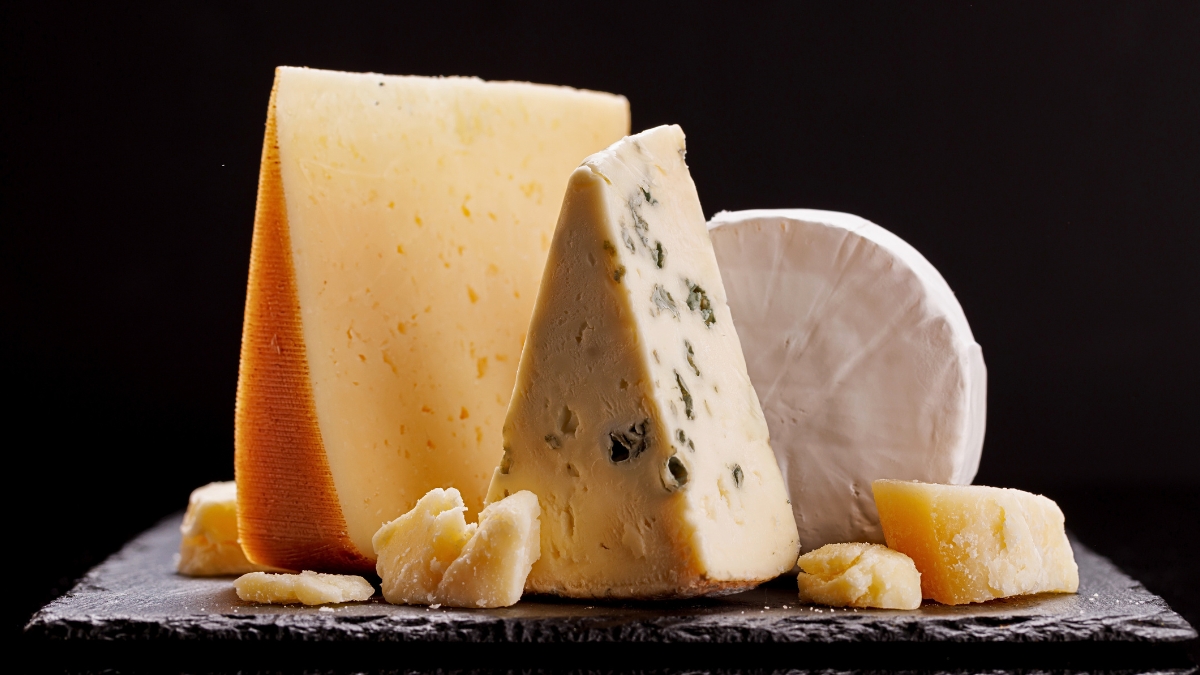
One standout finding: people who ate about 50 grams (≈ 1.76 oz) or more of high‑fat cheese per day tended to have a lower risk of developing dementia compared with those who ate little or no cheese.
However, it’s essential to highlight that this was an observational study. It can show an association, but it cannot prove that cheese itself prevents dementia.
“Most nutrition and dementia studies are observational. They’re valuable for generating hypotheses but do not establish cause and effect on their own.”
Correlation, Not Cause: Why We Shouldn’t Crown Cheese a Miracle Food
It’s tempting to read a headline and conclude, “Cheese prevents dementia!” The science is more careful than that.
In observational research like this:
- People who eat more cheese may also have other protective habits, such as higher education, more physical activity, or better access to healthcare.
- Dietary patterns often travel together: cheese eaters may also consume more whole foods like vegetables, whole grains, and olive oil.
- Cultural and socioeconomic factors (for example, living in regions with Mediterranean‑style diets) can strongly influence both diet and dementia risk.
Large reviews and guidelines—from sources like the World Health Organization and Alzheimer’s Association—consistently emphasize overall dietary patterns, not single “hero foods”, when it comes to dementia risk.
Why Might Cheese Be Linked to Brain Health?
While we can’t say cheese prevents dementia, there are plausible reasons it might fit into a brain‑supportive way of eating:
- Healthy Fats
Many cheeses contain saturated fat, but they also come with milk fat globule membrane structures and other components that may influence how fats affect the body. Some research suggests dairy fats may not increase cardiovascular risk as much as once thought, especially when eaten as whole foods rather than isolated fats. - High‑Quality Protein
Protein helps maintain muscle mass and metabolic health as we age—both linked to better overall brain health and independence. - Calcium and Vitamin B12
Cheese is rich in calcium, important for vascular and nerve function, and vitamin B12, which is critical for brain and nerve health. B12 deficiency in older adults is associated with cognitive problems. - Fermented Foods & the Microbiome
Many cheeses are fermented, contributing beneficial bacteria that may support a healthier gut microbiome. Emerging research is exploring the “gut–brain axis” and its potential influence on mood and cognition.

A Real‑World Example: Balancing Cheese, Cholesterol, and Brain Concerns
A few years ago, I worked with a fictional composite client I’ll call Maria, a 62‑year‑old teacher who adored her nightly cheese plate. Her father had developed dementia in his seventies, and Maria was worried she might be “asking for trouble” by keeping cheese in her life.
We approached it step by step:
- We reviewed her whole diet and lifestyle instead of focusing only on cheese. Her physical activity was low, and vegetables were sparse.
- Lab work showed borderline‑high LDL cholesterol but otherwise good metabolic health.
- Rather than cutting cheese completely, we:
- Reduced portion sizes to about 30–40 g most days.
- Swapped crackers for apple slices, grapes, or walnuts.
- Added two brisk 20‑minute walks on weekdays.
Over the next year, Maria’s LDL cholesterol came down modestly, her stamina improved, and she felt less anxious about food. She kept her cheese ritual—but it now lived inside an overall brain‑supportive routine.
How to Enjoy Cheese in a Brain‑Healthy Way
If you enjoy cheese and want to support your long‑term brain health, you don’t need to overhaul everything overnight. These steps can help you find a sustainable balance.
1. Aim for Smart Portions
The study associated benefits with around 50 g per day, but that’s not a personalized prescription. A flexible guide:
- Keep most servings to about 20–40 g at a time.
- If you eat cheese daily, consider slightly smaller portions, especially if you have high LDL cholesterol or heart disease.
- If you rarely eat cheese now, there’s no compelling reason to force yourself to start.
2. Choose Quality Over Quantity
Focus on flavorful, minimally processed cheeses so a small amount feels satisfying:
- Aged cheddar, gouda, parmesan, manchego, feta, or goat cheese.
- Avoid heavily processed “cheese products” that rely on added oils and stabilizers.
3. Pair Cheese with Brain‑Supporting Foods
Turn cheese into a brain‑friendly snack or meal component by what you serve with it:
- Add berries, grapes, or apple slices for antioxidants and fiber.
- Include walnuts or almonds for healthy omega‑3 and monounsaturated fats.
- Use whole‑grain bread or crackers instead of refined versions.

4. Watch the Bigger Picture: Blood Vessels and Metabolism
Dementia risk is strongly linked to vascular health (blood vessels) and metabolic health (blood sugar, blood pressure, weight). Cheese is just one tile in that mosaic. To support your brain:
- Keep blood pressure, cholesterol, and blood sugar in recommended ranges.
- Center meals on vegetables, legumes, whole grains, and healthy fats like olive oil.
- Use cheese as an accent—sprinkled, crumbled, or sliced—rather than the main bulk of every meal.
Common Concerns: Cholesterol, Weight, and Lactose
Even with promising observational findings, many people have legitimate worries about cheese. Here’s how to navigate them.
1. “What if I Have High Cholesterol or Heart Disease?”
Some large cohort and randomized studies suggest that cheese may not raise LDL cholesterol as much as butter with the same amount of saturated fat, possibly due to its matrix of minerals and proteins. Still, cardiology guidelines tend to recommend moderation.
Practical approach:
- Discuss your individual risk with your clinician.
- Emphasize small, flavorful portions rather than large, daily servings if your cardiovascular risk is elevated.
- Prioritize overall patterns: quitting smoking, being active, and eating more plants will likely move the needle more than any specific tweak to cheese intake.
2. “Will Cheese Cause Weight Gain?”
Cheese is calorie‑dense. Overeating it—on top of an already high‑calorie diet—can contribute to weight gain, which in turn affects dementia risk through diabetes and vascular disease.
3. “I’m Sensitive to Lactose—Can I Still Benefit?”
Many hard and aged cheeses—like parmesan, cheddar, and Swiss—are naturally low in lactose because most of it is broken down during fermentation and aging. People with lactose intolerance often tolerate these better than milk.
- Try small amounts of aged cheeses and monitor symptoms.
- If you have a dairy allergy (different from lactose intolerance), you should avoid cheese entirely and focus on other brain‑friendly foods.
How Does Cheese Fit with Broader Dementia Nutrition Research?
When experts look at the totality of evidence for diet and dementia, a few patterns stand out more strongly than any single food:
- Mediterranean and MIND diets (rich in vegetables, leafy greens, whole grains, olive oil, nuts, beans, and fish) are consistently linked to lower rates of cognitive decline.
- Higher intake of ultra‑processed foods is associated with higher dementia risk in several cohorts.
- Maintaining healthy blood pressure, weight, and blood sugar from midlife onwards substantially reduces later‑life risk.
“A healthy lifestyle, including regular physical activity, a balanced diet, avoiding tobacco use and harmful use of alcohol, and maintaining normal blood pressure, cholesterol and blood sugar levels can reduce the risk of cognitive decline and dementia.”
Within this context, cheese can be:
- A supportive part of the pattern when eaten in moderation with whole foods.
- A risk factor if it displaces vegetables, legumes, and healthier fats, or if it drives up total calories and saturated fat dramatically.

Putting It All Together: A Sample Brain‑Friendly Day with Cheese
Here’s an example of how cheese can fit into a day that supports brain and heart health. This is not a one‑size‑fits‑all plan, but it may spark ideas.
Morning
- Breakfast: Oatmeal with berries and walnuts; black coffee or tea.
- Movement: 10–15 minute brisk walk or light stretching.
Midday
- Lunch: Large salad with mixed greens, chickpeas, colorful vegetables, olive oil–lemon dressing, and 20–30 g of crumbled feta.
- Cognition: Short puzzle, language learning, or focused reading break.
Afternoon
- Snack: A small piece of aged cheddar (~20 g) with an apple.
- Social: Phone call with a friend or family member, or a brief chat with a coworker.
Evening
- Dinner: Baked salmon or beans, roasted vegetables, and a small portion of whole‑grain pasta with a tablespoon of grated parmesan.
- Sleep: Wind‑down routine with screens off 30–60 minutes before bed.
Moving Forward: Enjoy Your Cheese, Protect Your Brain
The 25‑year study highlighted by ScienceAlert adds to a growing body of research suggesting that cheese, especially in modest daily amounts, may be compatible with—or even supportive of—brain health when it’s part of an overall healthy lifestyle.
It does not mean you must start eating cheese if you don’t like it. And it doesn’t give any of us a free pass to ignore blood pressure, sleep, or physical activity. But it does offer some reassuring news if you love cheese and want to age with a sharp, engaged mind.
A balanced way to act on this research could be:
- Keep cheese as a pleasurable, moderate part of a mostly whole‑food diet.
- Prioritize habits with strong evidence for dementia risk reduction: exercise, blood pressure control, not smoking, and a plant‑forward pattern like the Mediterranean or MIND diet.
- Work with your healthcare team to personalize your approach—especially if you have cardiovascular disease, diabetes, or kidney issues.
If you’re ready to take the next step, consider this simple experiment: for the next two weeks, keep your usual cheese intake, but add one new brain‑supportive habit—a daily 15‑minute walk, an extra serving of vegetables, or a consistent bedtime. You don’t have to choose between enjoyment and health; your future brain can benefit from both.