
Could an Accused Heir Still Inherit? The Legal Fallout After Rob Reiner’s Tragic Death
Rob Reiner’s Death and the “Slayer Rule”: Could Nick Reiner Still Inherit?
The shocking stabbing deaths of Hollywood actor and director Rob Reiner and his wife Michele Singer Reiner have thrown both the entertainment world and the legal community into the spotlight. Their son, Nick Reiner, now charged with two counts of first-degree murder, finds himself at the center of not only a criminal case, but also a difficult question: if he is their accused killer, can he still receive an inheritance from their estate under California law?
Beyond the headlines and grief, the case touches on a long‑standing legal principle informally called the “slayer rule,” which exists in some form in almost every U.S. state. As investigators and courts begin the slow process of sorting out what happened, estate planners and legal observers are asking how that rule may apply to one of Hollywood’s most recognizable families.
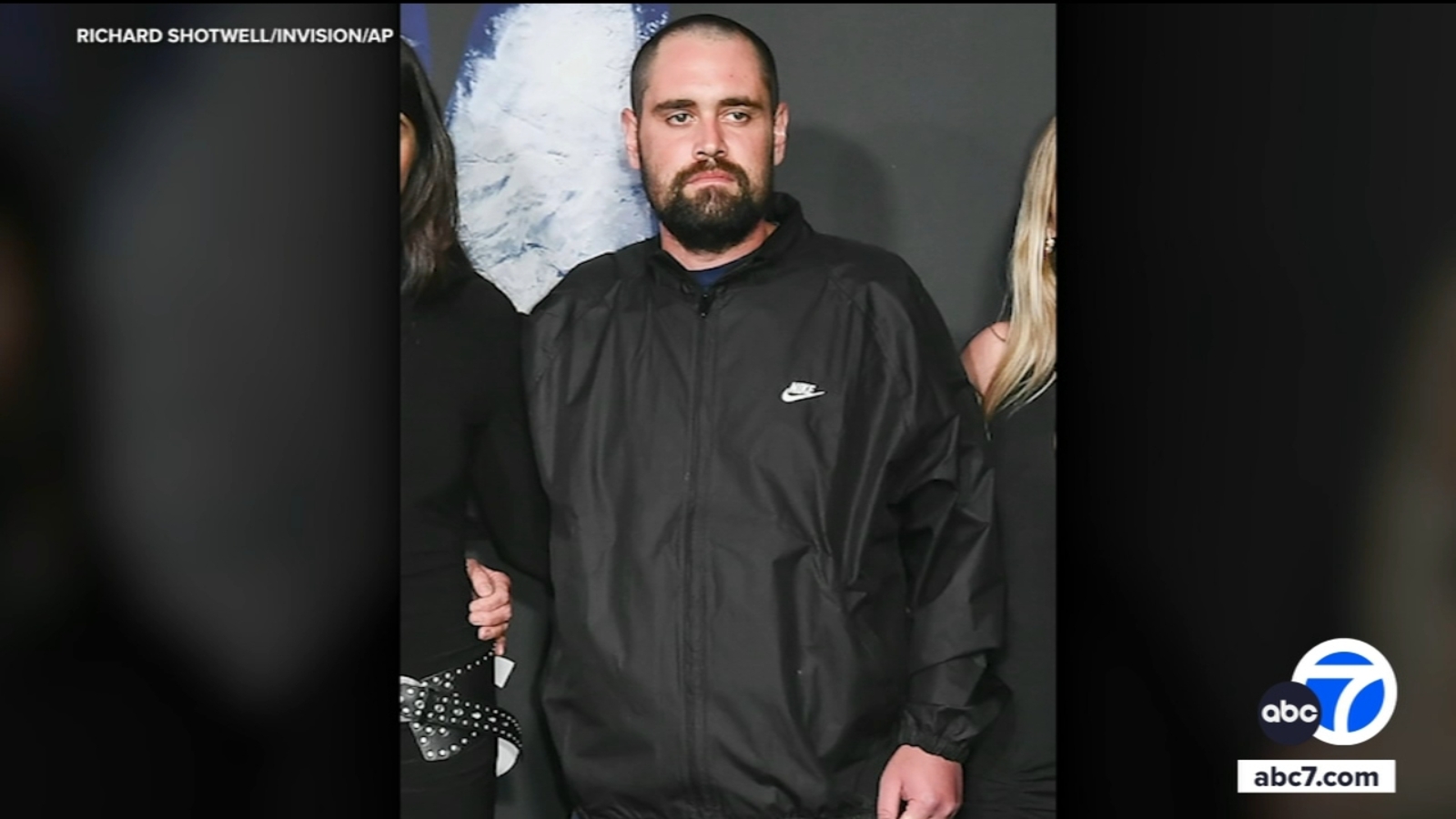
The Case So Far: What’s Been Reported About the Reiner Murders
According to reporting from ABC7 Los Angeles, Nick Reiner has been charged with two counts of first-degree murder in connection with the fatal stabbings of his parents, Rob Reiner and Michele Singer Reiner, in their Los Angeles–area home. Early accounts describe a domestic scene that turned horrific, with investigators focusing on what, if anything, might have led to the confrontation.
Details on motive, mental health history, and the family’s final days remain limited and, in many cases, sealed or under active investigation. Prosecutors will ultimately have to prove intent and premeditation to sustain first-degree charges, while the defense may raise questions around capacity, state of mind, or alternative narratives of what occurred.
Legally and ethically, the key point for inheritance is this: the criminal process moves at its own pace, and until there is either a conviction, plea, or clear civil finding, the estate side of the story sits in a kind of limbo.

Rob Reiner’s Hollywood Legacy and the Shape of His Estate
Rob Reiner’s name is stitched so deeply into American film and television history that his death would have been seismic under any circumstances. As an actor, he helped define the sitcom era as Michael “Meathead” Stivic on All in the Family. As a director, he stacked up a run of hits that feel like an entire memory bank of late 20th‑century pop culture: This Is Spinal Tap, Stand by Me, When Harry Met Sally…, Misery, A Few Good Men, The Princess Bride.
Behind that filmography sits an estate built on residuals, royalties, and long‑term participation deals. In contemporary Hollywood, especially for writer‑directors of Reiner’s generation, wealth often takes the form of:
- Residual payments from network reruns and streaming licensing
- Profit participation (or “points”) in successful films
- Production company interests and development deals
- Real estate holdings in Los Angeles and beyond
Michele Singer Reiner, a photographer and activist, also contributed to the family’s profile and philanthropic footprint. As a couple, the Reiners were visible in political circles, donating to progressive causes and candidates, which may also shape how their remaining assets are ultimately directed if certain heirs are disqualified.

“I just always wanted to tell stories that meant something to people. If they last, that’s the greatest reward.”
— Rob Reiner, in a retrospective interview about his directing career
The “Slayer Rule” in California: Can an Accused Killer Inherit Anything?
The headline question—could Nick Reiner still receive an inheritance after being charged with his parents’ murders?—lands us in a very specific corner of inheritance law. California, like most states, follows a version of the slayer rule, primarily codified in the California Probate Code.
In plain language, the rule says that a person who feloniously and intentionally kills another cannot inherit from that victim. The law treats the killer as though they died before the person they killed. That can block them from:
- Receiving assets under a will or living trust
- Taking under intestacy (when there is no will)
- Being a beneficiary of life insurance policies
- Controlling community property interests
But there are important timing and proof issues. Simply being charged—no matter how serious the allegation—is not the same as being legally categorized as a “slayer.” Courts typically look for:
- A criminal conviction for an intentional, felonious killing; or
- A civil court finding, under a lower standard of proof, that the person unlawfully and intentionally killed the decedent.
So, could Nick technically inherit if there is no conviction and no civil finding? In theory, yes. In practice, estates in situations like this are often frozen or administered conservatively until the criminal matter and any related civil proceedings are resolved.

“Slayer statutes are a moral line drawn inside the probate code. They don’t decide guilt in the criminal sense, but they refuse to let the law reward a wrongful killing.”
— Hypothetical summary of common legal commentary on slayer statutes
How the Reiner Estate Could Be Handled While Charges Are Pending
We don’t know the exact structure of Rob and Michele Reiner’s estate plan, but given their wealth, it’s very likely they used some combination of revocable trusts, pour‑over wills, and possibly charitable foundations. In a high‑profile case like this, several steps are common:
- Appointing an independent executor or trustee who is not directly tied to any potential beneficiary battle.
- Segregating potential “slayer” benefits—holding in reserve anything that might go to the accused heir.
- Paying ongoing expenses (taxes, property upkeep, business obligations) while limiting discretionary distributions.
- Preparing for alternative distribution if a court later rules the accused cannot inherit.
If the slayer rule is ultimately triggered, Nick would be treated as having predeceased his parents. The assets that would have gone to him could instead:
- Pass to any children of Nick (if he has them), depending on the will’s terms
- Be redistributed among siblings or other relatives
- Flow into charitable bequests or foundations
On the other hand, if he is acquitted and no civil court finds him responsible, estate lawyers would likely argue he should receive whatever share Rob and Michele intended, though the public and family dynamics would be far more complicated than the statute books.
Crime, Celebrity, and the Media: How This Case Fits a Troubling Pattern
The Reiner tragedy arrives in a media ecosystem already saturated with true‑crime podcasts, docuseries, and social media sleuthing. When a Hollywood figure is involved, the collision between entertainment and real‑world violence can get uncomfortable fast.
Recent years have seen a wave of high‑profile family‑crime cases—some involving tech wealth, some involving old‑money dynasties, and some, like this, tied to cultural figures whose work shaped entire generations. The pattern raises recurring questions:
- How soon is too soon for the public to speculate about motive or mental health?
- Where is the line between necessary reporting and lurid fascination?
- Should the financial aftermath—the estate drama—be part of the public conversation at all?
In the Reiner case, the legal question of inheritance is newsworthy because it touches on a shared sense of justice: most people recoil at the idea that someone could financially benefit from a killing. But it’s worth remembering that any answer, in this or any case, should come from evidence in courtrooms, not theories online.

What Happens Next: Criminal Trial, Civil Actions, and Probate
Looking ahead, the Reiner case is likely to play out across three legal tracks, each with its own timeline and standard of proof:
- Criminal prosecution
Prosecutors will pursue the first-degree murder charges. A conviction for intentional, felonious killing would effectively lock in the slayer rule’s application. - Civil litigation
Even without a conviction, other heirs or estate representatives could seek a civil judgment declaring that Nick is legally responsible for his parents’ deaths under a preponderance‑of‑the‑evidence standard. - Probate and trust administration
Executors and trustees will inventory assets, manage ongoing income from film and TV properties, pay debts and taxes, and hold disputed shares in suspense until the courts clarify who counts as a lawful heir.
The upshot is that any definitive answer about Nick Reiner’s inheritance rights will likely take years, not months. In the meantime, the Reiners’ body of work keeps circulating on streaming services and cable reruns, generating revenue even as the question of who ultimately receives it remains unresolved.

Conclusion: A Tragedy at the Crossroads of Law, Legacy, and Morality
The deaths of Rob Reiner and Michele Singer Reiner are first and foremost a human tragedy, not a legal puzzle. But because of who they were—two deeply woven figures in Hollywood and political life—the aftermath inevitably raises broader questions about how the law should respond when an heir stands accused of unspeakable violence.
Under California’s slayer rule, if a court eventually finds that Nick Reiner intentionally and unlawfully killed his parents, he would be barred from inheriting from them, treated legally as if he had died before they did. If not, and absent special language in their estate documents, he could still be entitled to a share of their estate, however fraught that outcome might be in the court of public opinion.
For now, the only honest answer to the question “Will he inherit?” is that the law is waiting on facts. The criminal justice system has to do its work, civil courts may yet be asked to weigh in, and the Reiners’ estate plan—whatever form it takes—will have to navigate both the letter of the slayer statute and the moral expectations of a public that grew up on the stories Rob Reiner helped bring to life.
