
Circular Streetwear Meets Cozy Interiors: How to Upcycle Your Way to a Cooler Home
Circular streetwear isn’t just raiding your closet anymore—it’s sneaking into your living room, making friends with your coffee table, and casually rearranging your throw pillows. The same movement that’s turning thrifted hoodies and deadstock denim into one‑of‑one outfits is now inspiring some of the most interesting, sustainable home decor trends of the moment.
Today’s coolest interiors look less “catalog perfect” and more “creative studio with great lighting”—reworked fabrics, patched textiles, second‑hand gems, and pieces that tell a story instead of just showing a logo. Think of it as streetwear for your space: laid‑back, expressive, a little bit rebellious, and very camera‑ready.
If you love upcycled fits, thrift hauls, and the thrill of turning “Why is this $4?” into “Wait, this looks designer,” you’re going to adore bringing circular streetwear energy into your home. Let’s turn your place into the best‑dressed room on the block.
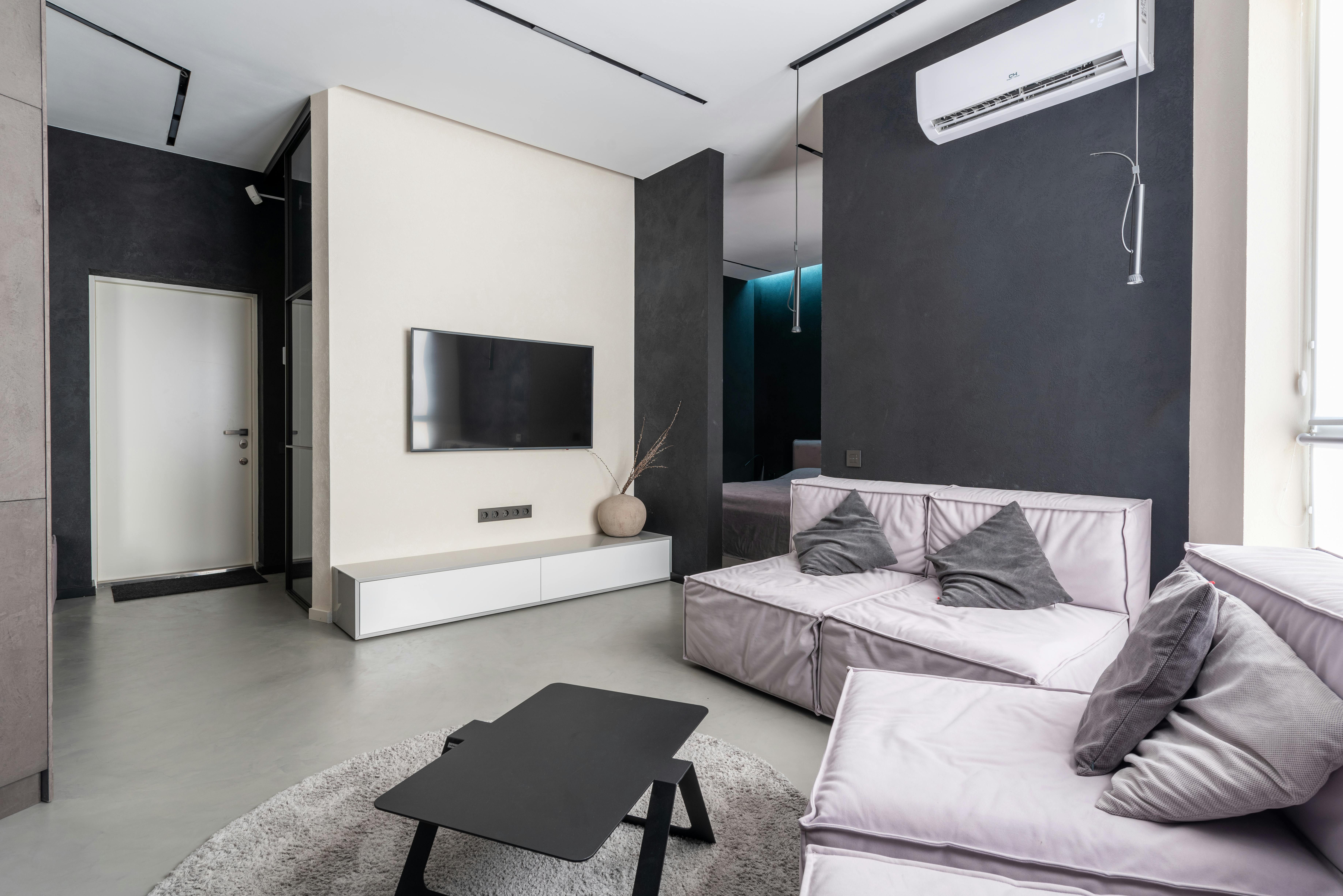
From Fit Check to Flat Lay: Dressing Your Home Like an Outfit
Start by thinking of your space the way you think of a good outfit:
- Base layer = walls, sofa, big furniture. Neutrals or solid “basics” that go with everything.
- Statement piece = one loud thing. A bold rug, patched quilt, reworked art, or that one vintage chair that looks like it knows your secrets.
- Accessories = soft decor. Pillows, throws, lamps, trays, and small objects that change easily with your mood.
Circular streetwear is all about sustainability, creativity, and budget‑friendliness—your home can follow the same rules. Instead of buying everything new, you:
- Thrift it.
- Rework it.
- Style it like it was always meant to be that cool.
Interior design rule of thumb: if you’d wear it as an outfit, you’ll probably like living with it as a room.
Upcycled Fabrics: When Your Old Hoodie Becomes a Throw Pillow
Circular streetwear creators are patchworking jeans, splicing jackets, and overdyeing tees. You can borrow the same tricks for decor—just aim them at your sofa instead of your body.
1. Graphic tee pillows
Got a stack of old band shirts, skate tees, or college merch? Turn them into cushions:
- Cut the front graphic into a neat square or rectangle.
- Back it with a sturdier fabric (think deadstock canvas or denim).
- Sew it into a pillow cover and stuff it with an insert or old filling.
Result: your sofa now looks like it listens to cooler music than you do.
2. Patchwork throws from deadstock and denim
Those upcycled jeans with wild paneling? Same idea, bigger canvas:
- Collect scraps: jeans that no longer fit, deadstock swatches, worn‑out cargo pants, old flannels.
- Cut them into squares or strips for an intentional pattern—or go chaotic for maximalist energy.
- Stitch them into a throw blanket or bed runner.
It’s sustainable, visually striking, and tough enough to survive movie nights and snack spills.
3. Overdyed linens for a cohesive vibe
Overdyeing is big in streetwear—think faded hoodies dipped into new life. At home:
- Grab tired sheets, curtains, or tablecloths in similar fabrics.
- Dye them a single color—deep green, rust, ink black, or muted plum for that moody street look.
- Style them across the room so everything feels intentional, not accidental.
Pro tip: if you rent and hate your kitchen chairs, a deep‑dyed tablecloth can distract from almost anything.

Thrift Flip, But Make It Home: Styling Your Space on a Budget
Those “$50 thrift challenge” outfits? You can absolutely do a “$50 living room glow‑up” with the same mindset.
Where to hunt
- Local thrift shops and charity stores for furniture and textiles.
- Vintage markets for character pieces (lamps, stools, art).
- Online resale apps for rugs, side tables, and decor bundles.
Go in with a loose “moodboard” in your head: oversized, relaxed, layered, a little nostalgic—just like circular streetwear.
Streetwear silhouettes, but furniture
- Oversized hoodies → oversized sofas. Look for deep, low couches with chunky arms.
- Parachute pants → soft, slouchy textiles. Think gauzy curtains, poofy floor cushions, beanbags.
- Moto jackets → statement chairs. One bold piece in leather, metal, or sculptural form.
Mix these silhouettes just like you’d mix fits: one big cozy, one sharp or structured, then layer in soft details.
Simple flips with serious impact
- Repainted side tables: Take a beat‑up table, sand it, and paint it in a bold solid shade that matches your “brand colors.”
- Sticker‑bombed storage: Cover plain storage boxes or a cabinet side with stickers, patches, or magazine cutouts—instant streetwear mood.
- Reworked lamps: Swap the shade fabric, paint the base, or wrap the cord in leftover fabric for a subtle custom detail.
Y2K, But for Your Walls: Algorithm‑Friendly Decor
Platforms love bold, visually distinct outfits—and your home can play the same game. Circular streetwear leans into Y2K nostalgia, visible patchwork, and mixed prints. Translate that to interiors like this:
- Color pops: One bright accent chair, neon lamp, or rug that anchors your content backdrop.
- Layered prints: Striped pillow + checkered throw + graphic rug = intentional chaos with personality.
- Gallery walls: Mix framed thrifted posters, record covers, and reworked textiles (like a framed band tee).
- Texture stacking: Corduroy cushions, chunky knit throws, velvet poufs—like mixing fabrics in an outfit.
If you film content at home, set up one “hero corner” that’s always ready for a fit check, GRWM, or photo dump. Think:
- Interesting background (poster, tapestry, or mural).
- Seating (stool, ottoman, or low chair).
- Good natural light or a warm lamp.
Your future self scrolling through your own feed will thank you.
Fit Matters at Home Too: Plus‑Size Sofas and Room Proportions
Just like circular streetwear lets people tailor clothes to their bodies, you can “tailor” your space to how you actually live—not how a catalog thinks you do.
- Scale up where it counts: If you love lounging, go for a bigger sofa and skip extra side chairs you never use.
- Adjust inseams → adjust heights: Risers under low beds, coasters under uneven tables, wall‑mounted shelves set at your real eye level.
- Paneling → modular layouts: Use modular shelving, cube storage, and movable carts you can reconfigure as life changes.
Circular design is about adaptability. Your decor should grow and shift with you: roommates changing, new hobbies, or that sudden need for a WFH desk in your bedroom.
Accessories Make the Space: Small Things, Big Drip
In fashion, accessories turn “I got dressed” into “I have a point of view.” Same with interiors.
Streetwear‑coded decor moves
- Caps and beanies as decor: Hang your hat collection on a peg rail or hooks—storage and style in one line.
- Sneakers as sculpture: Display one standout pair on a shelf or in a clear box. Instant personality.
- Jewelry dishes from thrifted plates: Tiny vintage saucers as catch‑alls for keys, rings, or airpods.
- Bags as wall art: Hang a favorite tote or mini bag on the wall or door; swap seasonally like a rotating drop.
Aim for that “curated but not trying too hard” look—like your space just happens to be photogenic at all times.
Sustainable, But Make It Cute: Eco Choices That Actually Look Good
Circular streetwear is rooted in sustainability—less waste, more creativity. You can extend that mindset through your decor without your place looking like a recycling bin.
- Second‑hand first: Start every project by asking, “Can I thrift or upcycle this?” Furniture, frames, planters, baskets—most can be found pre‑loved.
- Natural materials: Cotton, linen, wool, wood, metal, glass—these age better and often feel more luxe.
- Repair and rework: A chipped table can be painted; a torn cushion can get a visible mending moment with contrasting thread.
- Low‑impact swaps: Energy‑efficient bulbs in your vibey lamps, second‑hand rugs instead of fast‑decor buys.
The goal isn’t aesthetic perfection—it’s a home that feels lived‑in, loved, and aligned with your values.

Quick Styling Checklist: Does Your Home Have Main Character Energy?
Before you declare your decor era complete, run through this rapid‑fire list:
- One statement piece? Rug, art, quilt, or chair that steals the show.
- Mix of textures? Smooth + chunky + soft + shiny somewhere in the room.
- Layered textiles? At least one throw + a couple of pillows + maybe a floor cushion.
- Something thrifted? One item with history, not just a tracking number.
- A “fit check” spot? Mirror, good lighting, tidy background.
If you can check most of these, your home is absolutely ready for its close‑up.
Your Home, Your Drop: Release the Upcycled Collection
Circular streetwear proved you don’t need new drops every season to look fresh—you just need creativity, resourcefulness, and a willingness to experiment. Your home works the same way.
Start small: one thrift flip, one reworked textile, one corner that feels authentically you. Then keep building, piece by piece, season by season, like a personal archive of where you’ve been and who you’re becoming.
Consider this your official nudge: that old hoodie wants to be a pillow, that lonely chair wants a second life, and your living room is more than ready for its circular streetwear era. Home
