
CDC Issues New Warning on Untreatable Mosquito Virus: What Travelers to Cuba and Asia Must Know Now
CDC travel warning: what you need to know about the chikungunya virus
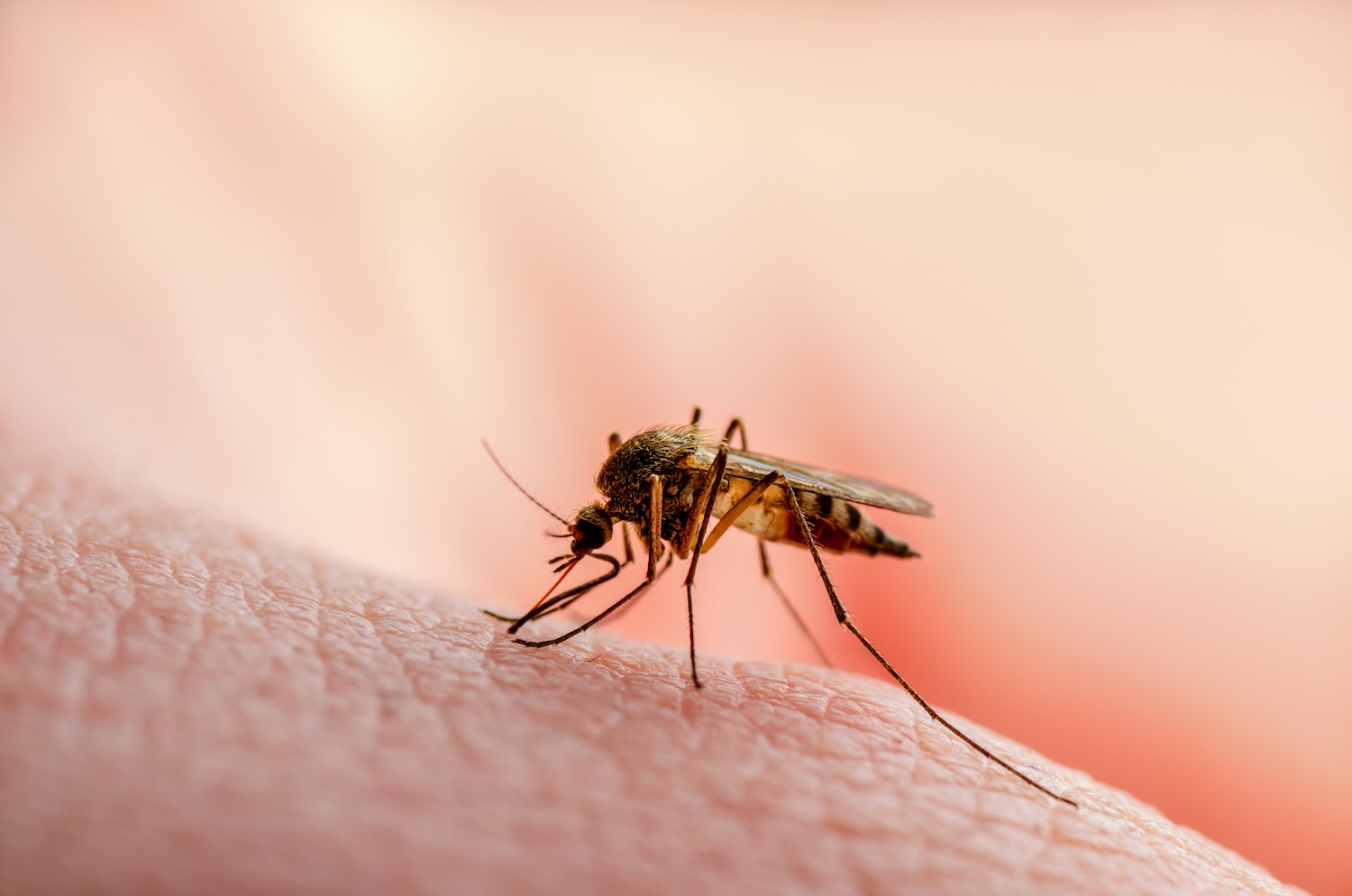
Planning travel to Cuba, Bangladesh, Sri Lanka, or southern China has become more complicated as the CDC has issued a Level 2 travel notice for chikungunya, an untreatable mosquito-borne virus. This guide explains what chikungunya is, why the new warning matters, and how travelers can reduce their risk while still enjoying their trips.
If you’ve ever spent a vacation swatting mosquitoes and hoping bug spray was “good enough,” you are not alone. The latest alerts from the U.S. Centers for Disease Control and Prevention (CDC) about chikungunya can sound scary—words like “uncurable” are hard to ignore—but they don’t mean you have to cancel your plans.
Instead, think of this as a prompt to travel smarter. With a basic understanding of the virus and a few practical habits, you can meaningfully lower your risk while respecting that no strategy is 100% protective.
What is chikungunya and why is the CDC sounding the alarm?
Chikungunya is a viral infection spread mainly by the Aedes aegypti and Aedes albopictus mosquitoes—the same mosquitoes that spread dengue and Zika. These mosquitoes bite mostly during the daytime, indoors and outdoors.
According to recent CDC travel advisories, increased chikungunya activity has been reported in:
- Cuba
- Bangladesh
- Sri Lanka
- Southern China
A Level 2 notice—“practice enhanced precautions”—does not mean “do not travel.” It means the risk is elevated enough that travelers should take mosquito protection more seriously than usual, especially those who are pregnant, older, or have underlying health conditions.
“Chikungunya is rarely life-threatening, but its joint pain can be profoundly disabling and last for months or longer. For travelers, prevention is vastly better than any treatment we currently have.”
— Infectious disease specialist, summarizing current evidence
There is no specific antiviral medication that cures chikungunya, and no widely available vaccine yet for general traveler use. Management is supportive: rest, fluids, and pain relief under medical guidance.
Symptoms of chikungunya: what to watch for during and after your trip
Chikungunya usually starts suddenly, 3–7 days after a mosquito bite from an infected mosquito. Symptoms can overlap with dengue, which is why local medical care and sometimes lab testing are important.
Common symptoms
- High fever (often > 38.5°C / 101.3°F)
- Intense joint pain (hands, wrists, ankles, feet are typical)
- Muscle aches
- Headache
- Fatigue and weakness
- Rash (often on trunk, arms, or legs)
Less common but important signs
- Swelling in joints
- Eye pain or redness
- Bleeding (nose, gums, unusual bruising) – more suggestive of dengue, needs urgent care
Most people begin to feel better within a week, but joint pain and stiffness can linger for weeks or months. In rare cases, especially in older adults or people with medical conditions, complications such as heart or neurological issues can occur.
A real-world travel story: from “just mosquitoes” to weeks of joint pain
A recent case from a travel clinic in Europe (details anonymized for privacy) illustrates what many travelers experience:
A 34-year-old traveler returned from a two-week trip to Sri Lanka. She remembered “a lot of mosquito bites” despite using repellent, but nothing else seemed unusual. Three days after coming home, she developed a sudden fever and felt as if she had “been hit by a truck.” Her hands and feet became so painful and swollen that she struggled to open bottles or walk downstairs.
Initial blood tests ruled out malaria. Further testing confirmed chikungunya. She didn’t need hospitalization, but for several weeks she required time off work and anti-inflammatory medications. Three months later, her joint pain had mostly resolved but still “flared up” after long days.
Stories like this are not meant to frighten you away from travel—but to highlight why the CDC’s “practice enhanced precautions” advice deserves attention. A little extra planning can make the difference between a good trip and a miserable recovery.
Who is at higher risk from chikungunya complications?
Anyone can get sick from chikungunya, but some groups have a higher risk of severe or prolonged illness. Before you finalize travel, consider discussing your plans with a clinician if you:
- Are pregnant (especially in the third trimester)
- Are over 60 years old
- Have chronic conditions such as diabetes, heart disease, or autoimmune disorders
- Take medications that affect your immune system (e.g., steroids, some biologics)
- Have difficulty accessing medical care during or after your trip
A personalized risk discussion can help you decide whether to modify your itinerary, adjust trip timing, or take additional precautions.
Evidence-based ways to protect yourself from chikungunya while traveling
Because chikungunya has no specific cure, prevention is the cornerstone of protection. The strategies below draw on guidance from the CDC and World Health Organization and can meaningfully reduce (though not eliminate) your risk.
1. Use effective mosquito repellents correctly
Look for repellents registered with regulatory agencies and containing one of these active ingredients:
- DEET (20–30% for adults; lower concentrations for children as advised)
- Picaridin (also known as icaridin) 20%
- IR3535
- Oil of lemon eucalyptus (PMD) – usually for adults and older children only
- Apply repellent to exposed skin and clothing, following label directions carefully.
- Reapply as directed, especially after sweating or swimming.
- For sunscreen and repellent, apply sunscreen first, let it absorb, then apply repellent.
2. Dress to limit mosquito bites
Clothing is a physical barrier mosquitoes can’t easily bypass:
- Wear long-sleeved, lightweight shirts and long pants when possible.
- Choose light-colored clothing; some mosquitoes are more attracted to dark colors.
- Consider permethrin-treated clothing (or treat clothes with permethrin before your trip, following safety instructions).
3. Optimize your sleeping environment
Even though chikungunya mosquitoes bite mostly during the day, protecting your rest periods matters—especially if you nap.
- Choose accommodations with air conditioning or well-screened windows and doors when possible.
- Use a bed net (preferably insecticide-treated) if you sleep in areas with limited screening.
- In rooms without screens, keep windows and doors closed during peak mosquito hours.
4. Reduce mosquitoes around where you stay
Aedes mosquitoes breed in small containers of standing water. Even travelers can help limit breeding sites:
- Empty water from buckets, flowerpot saucers, old tires, and containers around your lodging, if appropriate and safe.
- Keep water storage containers covered.
- Report heavy mosquito infestations to your host or hotel.
5. Plan your activities with mosquitoes in mind
You don’t have to avoid outdoor fun entirely, but a few adjustments help:
- Wear repellent and long clothing for morning and late afternoon activities.
- Bring repellent on excursions, especially near water, vegetation, or urban areas with poor drainage.
- For outdoor dining, choose well-ventilated or screened areas when available.
Visual guide: staying safer from mosquito-borne viruses when you travel




Common obstacles travelers face—and how to overcome them
“Repellent is sticky and uncomfortable.”
Many people dislike how repellents feel on their skin, especially in hot, humid climates.
- Try different formulations (lotions, gels, sprays) before your trip to find one you tolerate.
- Apply repellent mainly to exposed areas and use clothing for coverage elsewhere.
- Wash off repellent with soap and water once you are indoors for the night.
“Long sleeves are too hot.”
Long clothing can be uncomfortable in tropical heat, but fabric choice matters:
- Choose loose, breathable fabrics like lightweight cotton or technical quick-dry materials.
- Wear long sleeves and pants during peak mosquito hours and switch to shorter clothing when risk is lower and you are in protected environments.
“My group doesn’t want to bother with precautions.”
It can be hard to be the only one insisting on protective steps.
- Frame precautions as a way to “protect the trip” so no one loses days to illness.
- Offer to share your repellent or pack enough for the group.
- Agree on basic rules—like everyone applying repellent before breakfast and before evening outings.
What to do if you feel sick during or after your trip
Even with the best prevention, infections can still happen. Having a simple plan can reduce anxiety and support better outcomes.
- Recognize symptoms early.
If you develop sudden fever, severe joint or muscle pain, rash, or intense fatigue, consider chikungunya or dengue, especially if you are in or recently returned from an affected area. - Seek medical care promptly.
Tell the clinician where you have traveled in the last month. This information guides appropriate testing and monitoring. - Avoid certain pain medications until dengue is ruled out.
Medications like aspirin and some non-steroidal anti-inflammatory drugs (NSAIDs) can increase bleeding risk in dengue. Acetaminophen (paracetamol) is often preferred initially, but always follow local medical advice. - Rest, hydrate, and monitor.
Drink plenty of fluids and rest. Watch for warning signs: difficulty breathing, chest pain, confusion, severe abdominal pain, or bleeding. Seek emergency care if these appear.
What does the science say about chikungunya and long-term effects?
Current research, including studies summarized in peer-reviewed journals and by public health agencies, suggests:
- Most people recover from the acute phase within 7–10 days.
- A significant minority experience joint pain and stiffness lasting months; in some, this can resemble inflammatory arthritis.
- Severe disease and death are rare but can occur, particularly in vulnerable populations.
- There is ongoing work to develop vaccines and targeted treatments, but these are not yet widely available for general travelers.
For credible, up-to-date information, it is wise to check:
Traveling in a world of mosquito-borne viruses: stay cautious, not fearful
News headlines about an “uncurable mosquito-borne virus” can understandably trigger worry. It helps to remember that public health advisories are designed not to scare you away from travel, but to give you the information you need to make informed, safer choices.
You cannot reduce risk to zero—but you can reduce it significantly. Thoughtful planning, consistent mosquito protection, and awareness of symptoms give you a real advantage.
If you’re heading to Cuba, Bangladesh, Sri Lanka, southern China, or any region with chikungunya activity, consider taking these next steps:
- Check the latest CDC travel notice for your destination.
- Discuss your plans with a travel medicine or primary care clinician, especially if you’re in a higher-risk group.
- Pack an effective repellent, long clothing, and any personal medications you may need.
- Share basic mosquito-bite prevention tips with your travel companions.
Traveling well-informed is not about being anxious—it’s about respecting your health so you can fully enjoy the journey.
