
Can Your Gut Bacteria Help Prevent Type 2 Diabetes? The Tiny Molecule Scientists Are Excited About
Gut Health • Type 2 Diabetes • Microbiome Science
Tiny Gut Molecules and Type 2 Diabetes: What the New Research Really Means for You
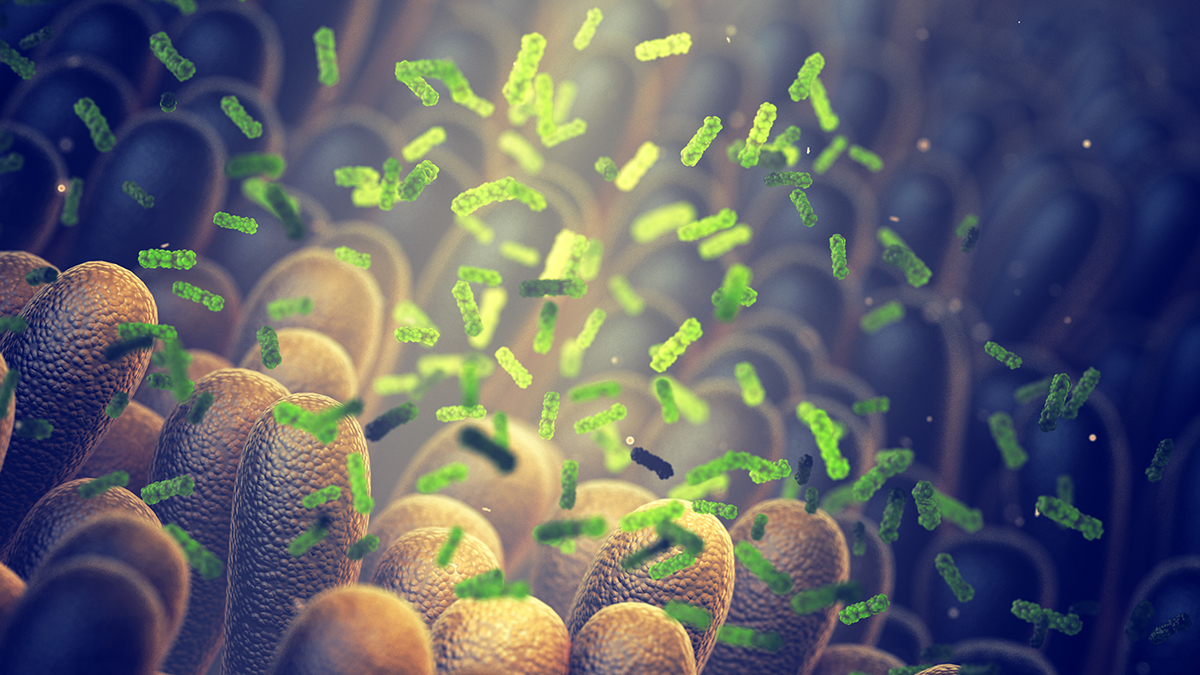
A new study led by researchers at Imperial College London suggests that a tiny molecule produced by our gut bacteria could help reduce the risk of type 2 diabetes. It sounds almost too good to be true: nurture the right microbes, and they may help protect your blood sugar. But what does the science actually say—and how much of this is something you can act on today?
If you’re living with prediabetes, have a strong family history, or are simply trying to stay ahead of your health, you’ve probably heard that the “gut microbiome” matters. The challenge is turning complex lab findings into everyday choices that fit a real life with work, stress, cravings, and limited time.
In this article, we’ll unpack the latest research on this gut-derived molecule in type 2 diabetes, explore how your microbiome interacts with blood sugar, and walk through practical, evidence-based steps you can start using—without chasing miracle cures or gimmicky supplements.
The Problem: Type 2 Diabetes Is Rising—and Lifestyle Change Is Hard
Type 2 diabetes currently affects hundreds of millions of people worldwide, and that number continues to climb. It develops when the body becomes less responsive to insulin (insulin resistance) and, over time, struggles to keep blood sugar in a healthy range.
We know that:
- Weight management, physical activity, and nutrition can significantly reduce the risk of developing type 2 diabetes.
- Even modest weight loss (5–7% of body weight) can make a meaningful difference in people with prediabetes.
- Yet, maintaining long-term lifestyle changes is incredibly challenging in the real world.
That’s why researchers are so interested in biological “helpers” inside our own bodies—like the gut microbiome—that might tilt metabolism in a more favorable direction, potentially making lifestyle changes more effective or easier to sustain.
“We’re not looking for a magic bullet, but for small metabolic advantages that, over years, can meaningfully lower a person’s risk of diabetes when combined with sensible lifestyle changes.”
— Endocrinologist commenting on current microbiome research
The New Study: A Tiny Molecule From Gut Bacteria and Type 2 Diabetes Risk
The recent research reported by ScienceAlert describes work led by Imperial College London, where scientists investigated a small molecule produced by certain gut bacteria and its relationship to type 2 diabetes risk. While the detailed chemistry is still being fully characterized and the compound has not yet become a clinical therapy, the study adds to a growing body of evidence that bacterial metabolites can influence how our bodies handle glucose.
In broad strokes, here’s what studies like this typically look at:
- Human data: Measuring levels of the molecule in blood or stool and comparing them between people with and without type 2 diabetes, or across different risk levels.
- Mechanistic studies: Using cells, tissues, or animal models to see how the molecule affects insulin sensitivity, inflammation, or the liver’s glucose production.
- Microbiome analysis: Identifying which bacterial species tend to produce more (or less) of the molecule.
Early findings suggest that higher levels of certain gut-derived molecules are associated with:
- Improved insulin sensitivity
- Lower fasting blood glucose in some models
- Reduced inflammatory signaling that can worsen metabolic health
It is important to stress that association is not the same as cause. Researchers are still working to understand:
- Whether this molecule directly improves blood sugar control in humans
- The safe and effective dose, if it were ever used as a therapy
- How diet, medications, and other lifestyle factors affect its production
How Your Gut Microbiome Talks to Your Blood Sugar
To understand why this tiny molecule matters, it helps to see the bigger picture of how your gut microbiome interacts with your metabolism. Think of your gut bacteria as a metabolic “organ” that:
- Breaks down parts of food that you can’t digest on your own (especially fiber)
- Produces signaling molecules that can reach your bloodstream
- Communicates with your immune system, liver, and even your brain
Some key categories of gut-derived molecules linked to diabetes risk include:
- Short-chain fatty acids (SCFAs) like butyrate, propionate, and acetate, which
- Are produced when bacteria ferment dietary fiber
- Can improve gut barrier function and reduce inflammation
- May enhance insulin sensitivity in some tissues
- Bile acid derivatives that influence receptors (like FXR and TGR5) involved in glucose and lipid metabolism.
- Amino acid metabolites that can either improve or impair insulin sensitivity depending on their type and balance.
The molecule highlighted in the Imperial College London–led study appears to be one of these “messenger” compounds. It may:
- Interact with receptors involved in glucose regulation
- Modulate low-grade inflammation linked to insulin resistance
- Change how the liver handles glucose production and storage
Again, this doesn’t mean that one molecule overrides all other factors. Instead, it’s part of a larger web of signals that, together over time, shape your metabolic health.
Promise vs. Hype: What This Discovery Can—and Can’t—Do Right Now
When headlines say a “tiny molecule could cut type 2 diabetes risk,” it’s tempting to imagine an easy fix. But responsible interpretation means being clear about what we know and what remains uncertain.
What the research suggests so far:
- People with more favorable microbiome profiles may produce more of certain protective molecules.
- These molecules can influence processes related to insulin sensitivity and inflammation in experimental models.
- They might become targets for future drugs, probiotics, or personalized nutrition strategies.
What we do not have yet:
- A proven, approved therapy based on this specific molecule for preventing or treating type 2 diabetes.
- Evidence that simply taking a supplement (if available) would safely and meaningfully lower diabetes risk in humans.
- A single diet or probiotic that guarantees increased levels of this molecule for everyone.
The most realistic way to use this research today is as motivation and guidance for habits that support a healthier microbiome—on top of established strategies like diet, activity, sleep, and medical care when needed.
Practical Steps: How to Support Gut Health to Help Lower Type 2 Diabetes Risk
You don’t need to know the exact name of every microbial metabolite to make meaningful changes. The same habits that increase beneficial gut molecules also support weight management, insulin sensitivity, and overall metabolic health.
1. Feed Your Gut: Prioritize Fiber-Rich, Diverse Plant Foods
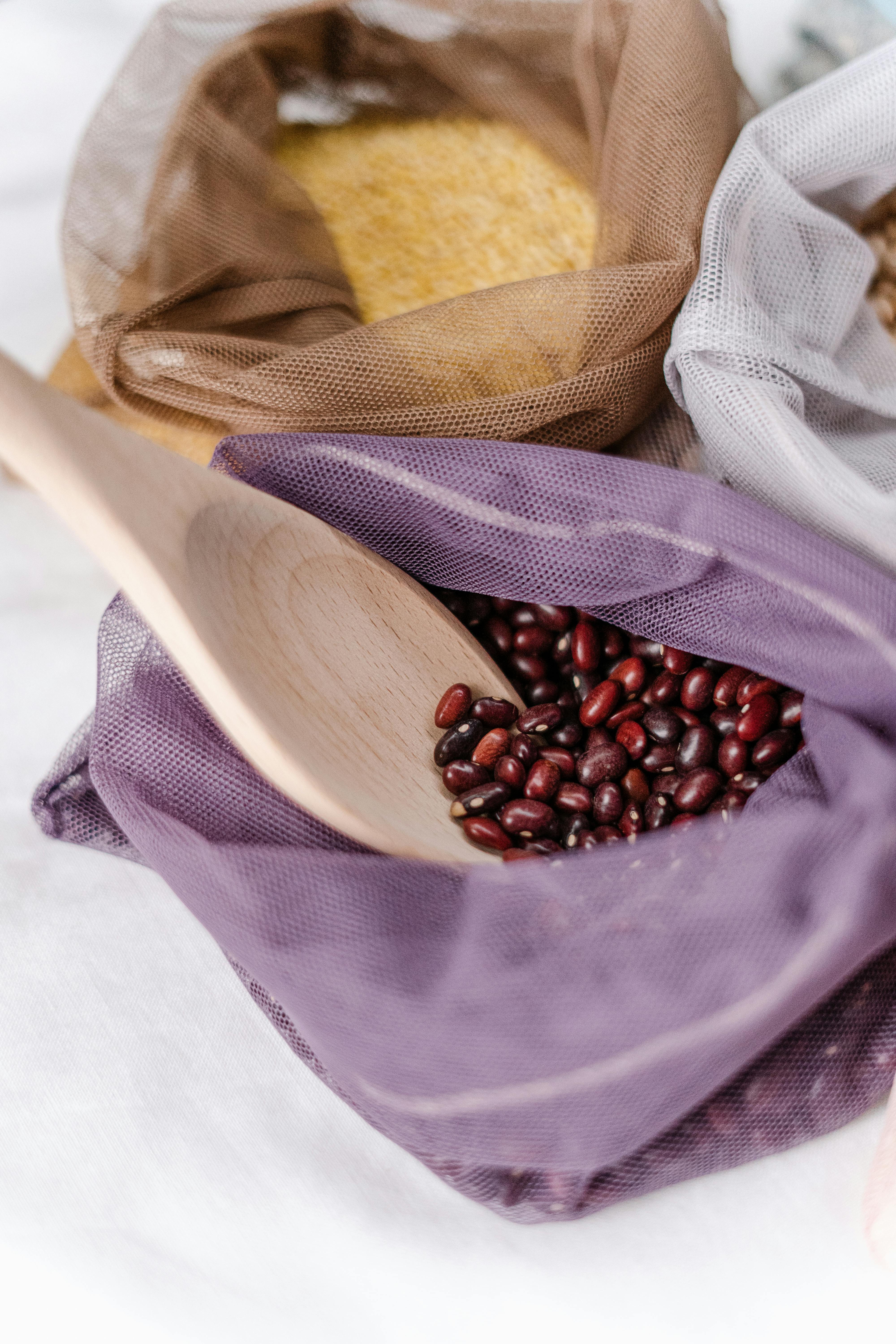
Many protective molecules are produced when gut bacteria ferment dietary fiber. Most people fall far short of recommended fiber intake.
- Aim for at least 25–30 grams of fiber per day, increasing gradually to avoid discomfort.
- Include a variety of sources each week:
- Vegetables (especially leafy greens, broccoli, Brussels sprouts)
- Fruits (berries, apples, pears, citrus)
- Legumes (lentils, chickpeas, beans)
- Whole grains (oats, barley, quinoa, whole wheat, brown rice)
- Nuts and seeds (chia, flax, almonds, walnuts)
2. Include Fermented Foods (If They Agree With You)
While not a substitute for medical treatment, fermented foods can gently support microbiome diversity for many people.
- Examples include live-culture yogurt, kefir, kimchi, sauerkraut, miso, and tempeh.
- Start with small amounts (e.g., a few tablespoons of sauerkraut or ½ cup of yogurt) and see how your body responds.
- Those with IBS or histamine sensitivity may need to be more cautious; a dietitian can help personalize this.
3. Steady Your Blood Sugar With Smart Carb Choices
The microbiome is just one part of the picture. Well-studied dietary strategies for reducing diabetes risk include:
- Favoring low-glycemic, high-fiber carbohydrates (e.g., beans, lentils, intact whole grains).
- Pairing carbs with protein, healthy fats, and fiber to reduce blood sugar spikes.
- Limiting ultra-processed foods high in refined flour, sugar, and additives.
4. Move Regularly—Even in Short Bouts
Physical activity improves insulin sensitivity directly and may also impact the microbiome.
- A general goal is at least 150 minutes of moderate activity per week, plus 2–3 sessions of resistance training, if possible.
- Break it into small chunks: 10–15 minute walks after meals can noticeably affect post-meal blood sugar.
5. Protect Your Sleep and Stress Levels
Poor sleep and chronic stress can worsen insulin resistance and may alter gut microbiome composition.
- Aim for 7–9 hours of sleep per night when possible.
- Use simple stress-management practices: slow breathing, brief walks, short mindfulness sessions, or journaling.
6. Work With Your Healthcare Team on Screening and Medication
For people with prediabetes or high risk, medications like metformin remain important and well-studied tools. Emerging microbiome science is an addition, not a replacement.
- Ask about regular screening: fasting glucose, HbA1c, or oral glucose tolerance tests when indicated.
- Review all supplements with your clinician; some “gut health” products can interact with medications.
Common Obstacles—and How to Work Around Them
Knowing what to do is one thing; fitting it into a busy, stressful life is another. Here are some frequent challenges people face when trying to improve both gut and metabolic health, with realistic workarounds.
“High-fiber foods upset my stomach.”
- Increase fiber slowly (by about 3–5 grams every few days) and drink adequate water.
- Try cooked vegetables and peeled fruits at first; they can be easier to tolerate than large raw salads.
- If symptoms are severe, consider evaluation for IBS, celiac disease, or other conditions; a dietitian can help tailor your approach.
“Healthy food is expensive or time-consuming.”
- Use budget-friendly staples: dried or canned beans, frozen vegetables, oats, rice, and seasonal produce.
- Batch-cook simple meals (e.g., a big pot of lentil soup or chili) once or twice a week.
- Pre-washed salads and frozen mixed vegetables can save time without sacrificing nutrition.
“I keep waiting for motivation.”
- Focus on very small, specific steps: one extra serving of vegetables per day, or a 10-minute walk after dinner.
- Track what you do, not just the scale or blood tests. Seeing consistent actions can be very motivating.
- Remind yourself: gut and metabolic changes are about accumulated advantages, not perfection.

What Experts and Research Say About the Microbiome and Diabetes
Large studies and systematic reviews have consistently found links between gut microbiome patterns and type 2 diabetes. While specific details differ, several themes keep emerging:
- People with type 2 diabetes often show reduced microbial diversity and different bacterial compositions compared with those without diabetes.
- Diets high in fiber and minimally processed plant foods are associated with more SCFA-producing bacteria and better metabolic markers.
- Some experimental interventions—like certain multi-strain probiotics, prebiotics, or high-fiber dietary patterns—have modestly improved blood sugar control in clinical trials, though results vary.
“The microbiome is a promising target for type 2 diabetes prevention, but we’re not at a stage where one probiotic or one molecule is the answer. The fundamentals—diet quality, physical activity, sleep, and appropriate medication—still do most of the heavy lifting.”
— Researcher in metabolic disease and microbiome science
For readers who like to dive deeper, organizations such as the American Diabetes Association and peer-reviewed journals regularly publish updates on microbiome-related findings. When evaluating new claims, look for:
- Human randomized controlled trials (not just cell or animal studies)
- Reproducible results across different research groups
- Transparency about funding sources and potential conflicts of interest
Before and After: How Small Habit Shifts Can Add Up
While we can’t yet show “before and after” images of the specific gut molecule from the new study in everyday life, we can illustrate the difference that microbiome-friendly, diabetes-preventive habits can make over time.

Typical “Before” Pattern
- Low-fiber, high-sugar breakfast (e.g., pastries, sugary coffee drinks)
- Long periods of sitting with minimal movement
- Few fruits, vegetables, or legumes most days
- Late, heavy dinners and irregular sleep
Emerging “After” Pattern (Over Months)
- Breakfast with fiber and protein (e.g., oats with nuts and berries, or eggs with vegetables)
- Short walks after 1–2 meals per day
- Regular inclusion of beans, vegetables, fruits, and some fermented foods
- More consistent sleep timing and a bit less evening screen time
These are not dramatic, magazine-cover transformations. They are steady, sustainable shifts that help your gut bacteria produce more of the kinds of molecules researchers are excited about—while simultaneously supporting known drivers of better blood sugar control.
Bringing It All Together: Let the Science Nudge, Not Overwhelm, You
The discovery that a tiny molecule from your gut bacteria might help cut type 2 diabetes risk is genuinely exciting. It validates what many experts have suspected: your microbiome is not just a passive passenger; it’s an active partner in your metabolic health.
At the same time, the most powerful things you can do today remain refreshingly down-to-earth:
- Eat more fiber-rich, minimally processed plant foods.
- Move your body regularly, even in small bursts.
- Protect your sleep and manage stress where you can.
- Work with your healthcare team for screening, medication decisions, and individualized advice.
Think of the microbiome research as an encouraging whisper: every small, sustainable habit shift you make is echoed by trillions of microbes working alongside you. You don’t need perfection; you just need a direction and a first, doable step.
Your next step: choose one microbiome-friendly action—adding a serving of beans, taking a 10-minute walk after dinner, or swapping a sugary snack for a piece of fruit and nuts—and try it consistently for the next week. Then build from there.
Written by A Health & Science Writer •
