
Bucket List Closed: Major Cultural Sites You Can’t Visit in 2026 (and Brilliant Alternatives)
The Year of the Closed Sign: Why 2026 Will Reshape Culture Travel
Several iconic museums, theme park rides, libraries and bookstores are closing or going dark for renovation in 2026, forcing culture-focused travelers to rethink big-ticket pilgrimages. From Paris galleries to beloved Disney attractions, the year is shaping up to be a reminder that travel plans are always at the mercy of construction schedules, conservation needs and shifting creative priorities.
Inspired by CNN’s round-up of cultural sites closed or closing in 2026 and where travelers can go instead, this guide unpacks what’s changing, why it matters, and—crucially—how to pivot. Think of it as a spoiler-free itinerary doctor: your dream destination might be off-limits, but the trip can still absolutely work.

“You can’t always get what you want,” Mick Jagger sang. In 2026, that lyric will double as a note-to-self for culture tourists ignoring construction notices.
Paris in 2026: When the Museums You Came For Are Closed
Paris is famously an open-air museum—but many of its actual museums and cultural spaces are entering a cycle of closures and overhauls. CNN highlights several key Parisian sites due to be shuttered in 2026, either temporarily for restoration or as part of a longer-term reinvention. For travelers who’ve spent years curating a Louvre–Orsay–Left Bank fantasy, the reality may be more scaffolding than serendipity.
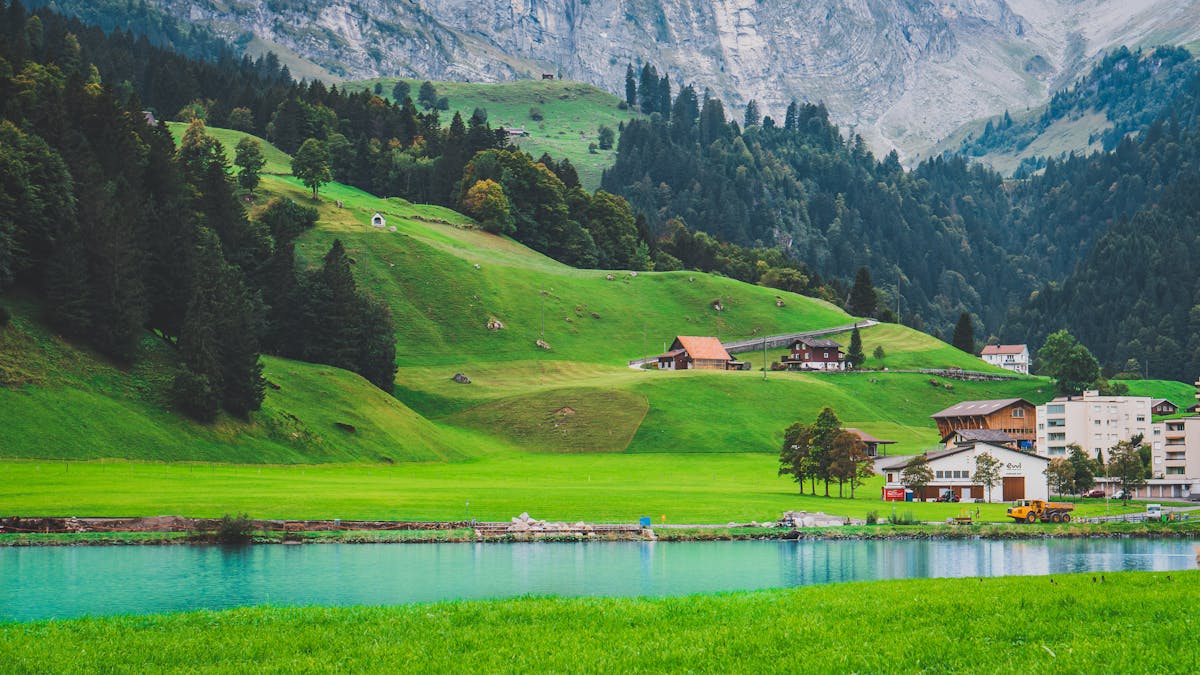
Culturally, the timing makes sense. After the Paris 2024 Olympics, the city’s institutions have both the funding and the urgency to future-proof buildings that were literally never designed for 21st-century crowds, climate change or inclusive design. Long closures now are the price of better, more sustainable cultural experiences later.
Smart alternatives in and around Paris
- Smaller, sharper museums: Institutions like the Musée Marmottan Monet and Musée Rodin offer heavyweight art with lighter crowds.
- Suburban stunners: Day-trip options such as the Orangerie or artist house-museums around Île-de-France often remain open while the headliners are under wraps.
- Open-air culture: Street art in the 13th arrondissement, canal-side life along Canal Saint-Martin, and riverbank pop-ups along the Seine all offer culture without a ticket time-slot.
Disney Rides Retiring in 2026: End of an Era, Start of Another
Theme parks, especially Disney’s, live in a constant cycle of nostalgia and reinvention. CNN’s 2026 closure list flags several beloved rides and shows that will vanish or be substantially re-themed, as the company leans into newer franchises and broader cultural representation. For some fans, it’s heartbreak; for others, it’s overdue modernization.
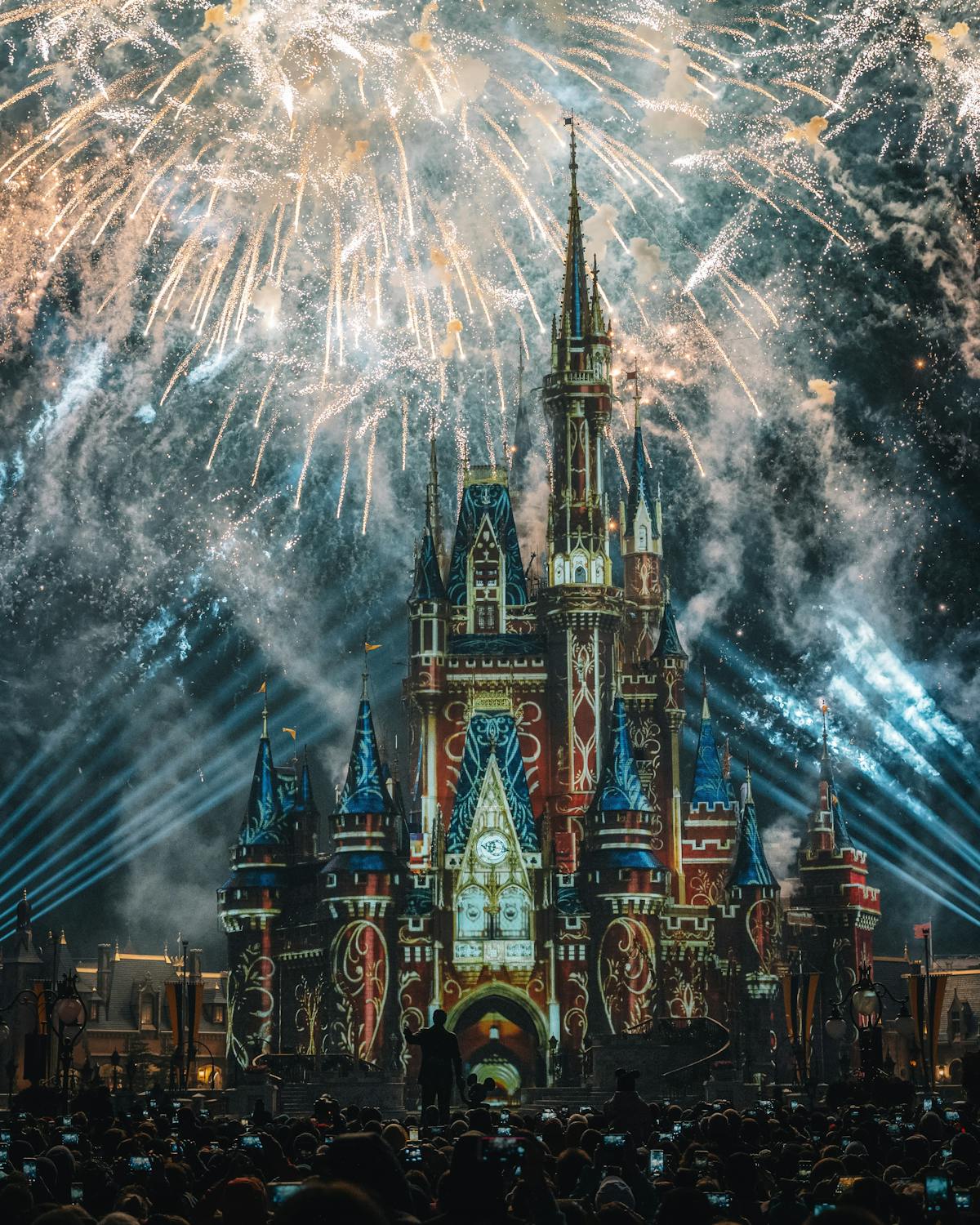
“Disneyland will never be completed. It will continue to grow as long as there is imagination left in the world,” Walt Disney said. The 2026 closures are that statement in motion—sometimes uncomfortably so.
How to pivot your Disney plans in 2026
- Target newer headliners: Rides based on Star Wars, Guardians of the Galaxy and other recent IP are built for today’s tech-savvy audiences, with more accessible ride systems and narrative depth.
- Prioritize nighttime spectaculars: Fireworks, projection shows and parades often survive attraction overhauls and still deliver that “I’m in a movie” feeling.
- Spread the fandom: Smaller regional parks—from Universal to local theme parks—are increasingly sophisticated alternatives with shorter queues and fresher storytelling.
Libraries & Bookstores: When Your Literary Pilgrimage Hits “Closed for Renovation”
CNN’s 2026 list doesn’t just hit obvious tourist favorites; it also calls out libraries and bookstores that have become pilgrimage sites thanks to Instagram, TikTok and decades of word-of-mouth. Some are victims of rising rents, others of structural issues or evolving urban planning. The common thread is that your dream of browsing those specific shelves might need to be shelved itself.

How to keep the bookish magic alive
- Seek the “second choice” indie: In most major cities, there’s another independent bookstore within a short walk or metro ride—often friendlier, quirkier and less documented on social media.
- Use local lit guides: Tourism boards and local book bloggers frequently maintain updated lists of open bookstores, reading festivals and author events.
- Go beyond the shelves: Literary cafés, writers’ houses and even neighborhood print shops can scratch the same cultural itch as a famous bookstore closing its doors.
As one European bookseller told a local paper about their impending 2026 shutdown, “The real inventory we’re losing isn’t books, it’s conversations.” That’s what travelers are really chasing too.
Why So Many Cultural Sites Are Closing in 2026: The Bigger Picture
If it feels like everything is “temporarily” closed, it’s not your imagination. CNN’s round-up of 2026 shutdowns sits at the intersection of multiple long-term trends: aging infrastructure, over-tourism, climate stress and post-pandemic financial realities. Culture has to be preserved—and paid for—and that often means years-long closures.
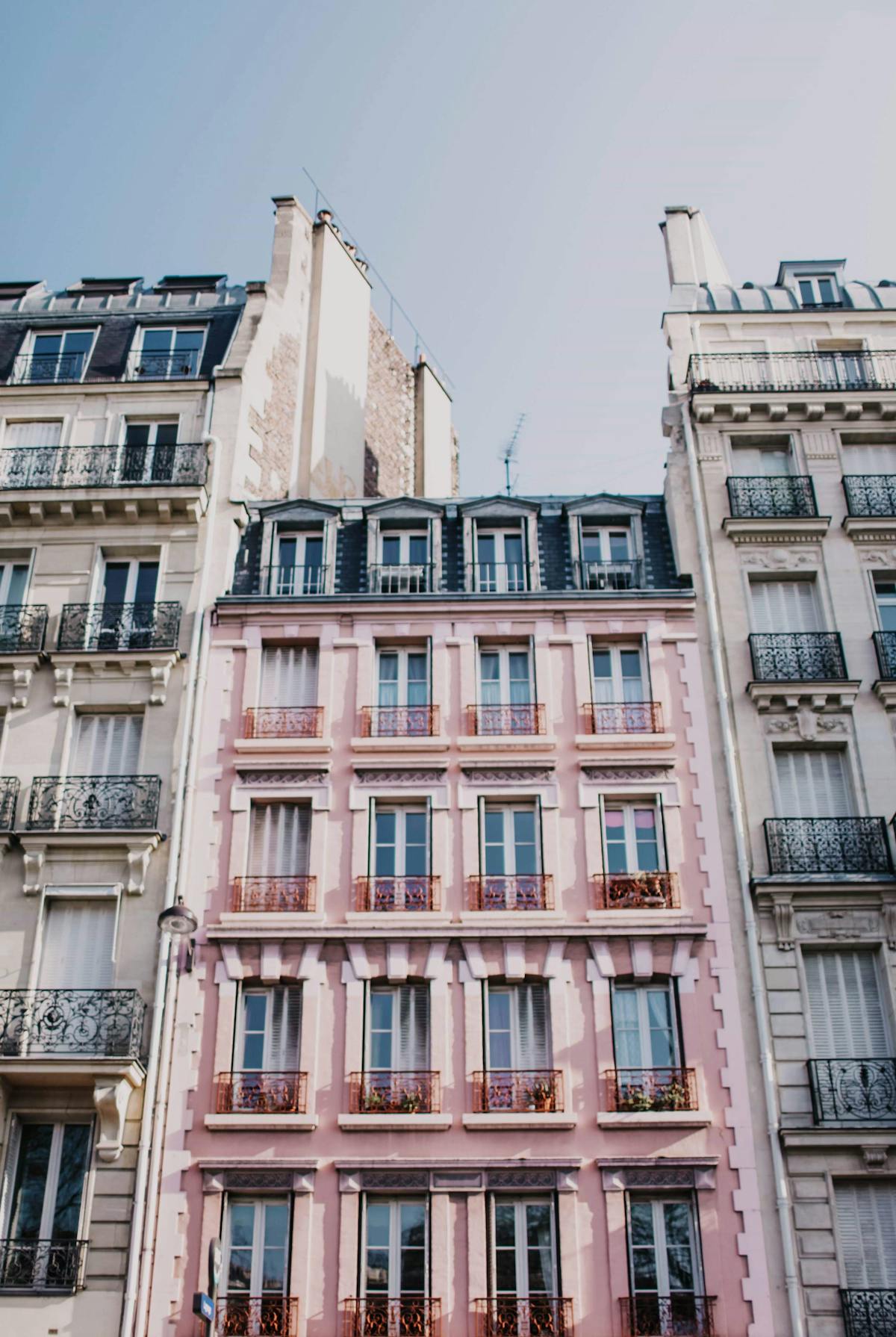
Key forces behind the 2026 closure wave
- Over-tourism and wear-and-tear: Iconic sites are literally crumbling under the weight of millions of annual visitors.
- Climate adaptation: Flooding, heatwaves and storms are forcing museums and heritage sites to upgrade climate control and structural protections.
- Post-pandemic catch-up: Projects paused in 2020–2021 are finally moving forward, creating a bottleneck of construction and closures.
- Changing cultural values: Some attractions—a few older theme park rides included—are being quietly retired or re-themed to align with more inclusive storytelling.
How to Plan Culture Trips in 2026 When Closures Keep Popping Up
The real takeaway from CNN’s “places you can’t visit in 2026” list isn’t doom; it’s strategy. In an era of rolling renovations and sudden shutdowns, the most successful travelers are the ones treating itineraries as drafts, not scripts.
A quick resilience checklist for 2026 culture travel
- Triple-check official sites: Use official museum, park and library websites—not just blog posts—for the latest closure and renovation info.
- Build “Plan B neighborhoods”: For every marquee attraction, have a nearby alternative (a smaller museum, park, or café district) ready to slot in.
- Prioritize experiences over facades: Workshops, walking tours, live performances and neighborhood food scenes are less likely to be “closed for renovation.”
- Stay flexible with dates and times: Many institutions partially reopen galleries in phases; a closure in January might look very different by October.
If anything, 2026 might push travel culture away from “I saw the thing from the movie” and back toward curiosity-driven wandering. You may not get the exact museum wing or Disney ride you imagined—but you might come home with a story less people have already heard.
The Upside of “You Can’t Always Get What You Want”
CNN’s survey of places you can’t visit in 2026 might look, at first glance, like a list of disappointments. But there’s another way to read it: as proof that the world’s favorite cultural spaces are being cared for, rethought and future-proofed. In travel terms, it’s an invitation to go off-script.
The Paris museum you’d circled might be covered in tarps. The Disney ride your kids watched on YouTube might be gone. The legendary bookstore may be under scaffolding. Yet the broader ecosystem of culture—from neighborhood galleries to small theme parks and indie bookshops—is very much open. In 2026, the most memorable trips might belong to the travelers willing to follow detours instead of fighting them.
That’s not just damage control; it’s a shift in travel style. Think of 2026 less as the year of closures and more as the year we collectively learned how to travel for curiosity, not just for checklists.
