
Beloved Uptown Italian Gem Avo Bids Farewell After a Decade in New Orleans Dining
After a decade as one of Uptown New Orleans’ most distinctive Italian kitchens, Avo is serving its final plates, closing a chapter that helped redefine what “Italian in New Orleans” could look and taste like.
The announcement from chef-owner Nick Lama lands with the kind of emotional weight locals reserve for neighborhood institutions. Avo wasn’t just a place for cacio e pepe and Barolo; it was where Uptown couples celebrated anniversaries, Tulane parents toasted graduations, and long-time New Orleanians discovered that red-sauce classics could share a table with Gulf seafood and seasonal Southern produce.
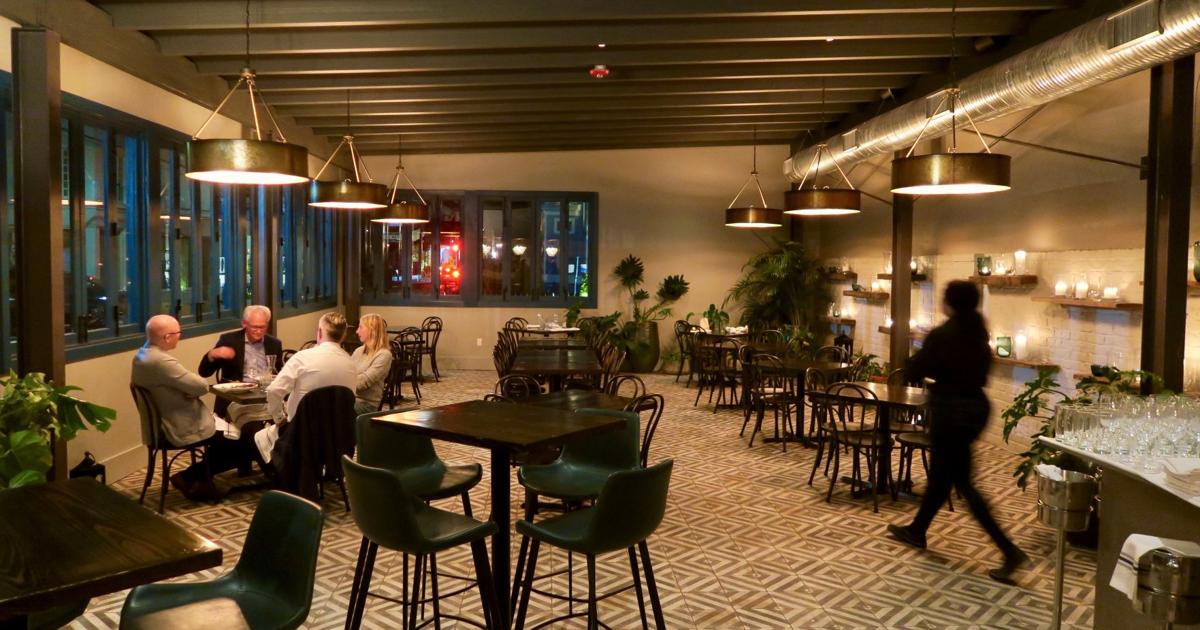
“This decision wasn’t easy, but it comes with deep gratitude for everyone who has dined with us, celebrated with us, and supported us along the way.”
— Chef Nick Lama, on Avo’s closing
Avo’s Place in the New Orleans Italian Story
Italian food in New Orleans has a long, sometimes under-credited history. From the Sicilian groceries of the French Quarter to the red-gravy stalwarts of Metairie, the city’s Italian scene was built on immigrant cooking that quietly became part of local everyday life. Avo joined that lineage with a different angle: a polished, modern Uptown dining room where Italian technique met a distinctly New Orleans pantry.
Lama, born and raised in New Orleans and raised in his family’s restaurant kitchens, understood both sides of the equation. Avo wasn’t trying to recreate a trattoria on a side street in Rome. Instead, it asked what Italian cooking could be when you have year-round Gulf seafood, Louisiana citrus, and a clientele willing to splurge on a great bottle of wine on a Tuesday.
Cacio e Pepe, Gulf Crab, and the Avo Signature Style
If you wanted to understand Avo in a single dish, the tonnarelli cacio e pepe with lump crabmeat summed it up. Take a Roman classic—essentially pasta with pecorino, black pepper, and technique—and then quietly pull it through the Gulf of Mexico by adding sweet Louisiana crab. It was familiar but not precious, rooted in tradition without being bound to it.
This style played out across the menu: handmade pastas, seasonal vegetables, and seafood-forward plates that made sense in a city where oysters and shrimp are never far from the conversation. Avo embraced the “special-occasion” vibe without feeling stuffy, a balance many restaurants chase and few really land.
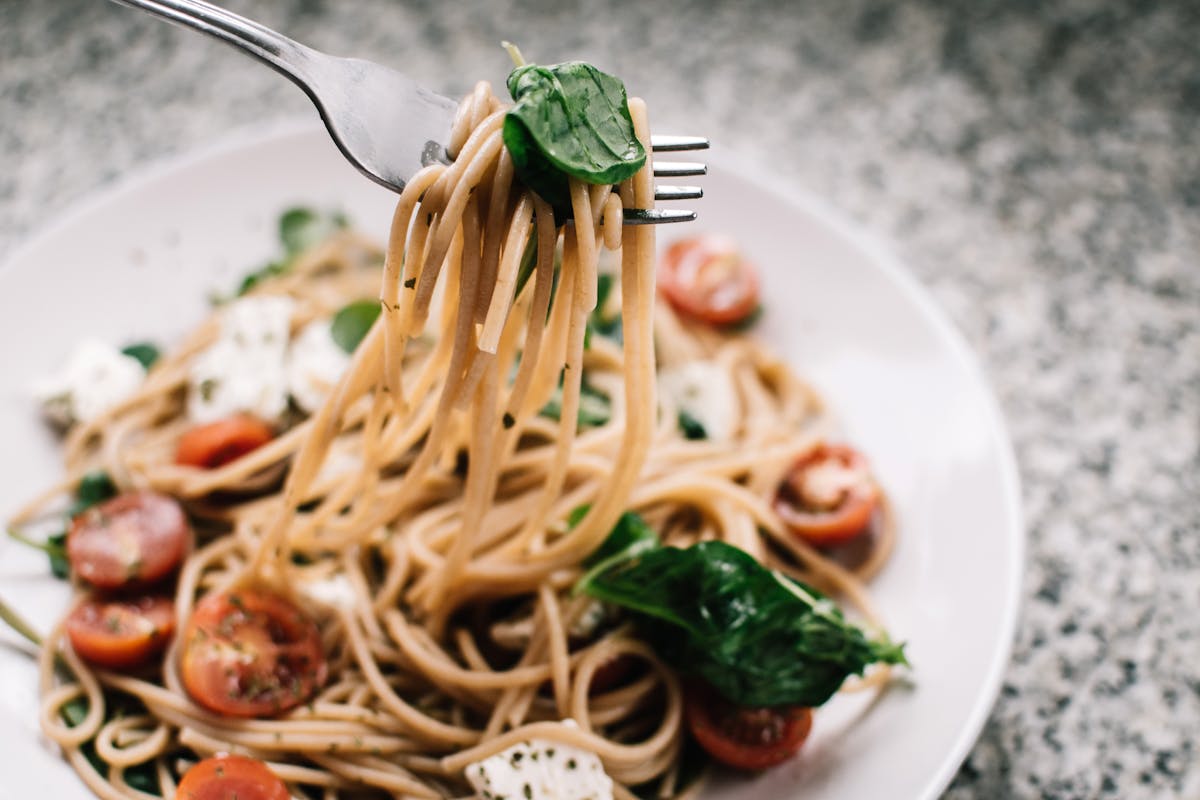
- Technique-driven pastas: Emphasis on texture, emulsified sauces, and clean flavors.
- Seafood-centric twists: Crab, Gulf fish, and seasonal shellfish folded into Italian frameworks.
- Wine-first mindset: A curated list that made the restaurant as much a date-night destination as a neighborhood hangout.
Why Closings Like This Hit So Hard in New Orleans
Restaurant closures in New Orleans are never just about losing a place to eat. They’re about losing a stage where the city performs its rituals—birthdays, proposals, post-parade dinners, “we finally got the promotion” toasts. Avo, after ten years, had quietly become one of those stages, especially for Uptown regulars.
The past decade hasn’t been easy on independent restaurants. Between the shock of COVID-19, recurring staffing shortages, rising food costs, shifting neighborhood demographics, and the simple exhaustion that comes from running a high-touch dining room, every year becomes a test of endurance as much as creativity.
“Every time a serious, chef-driven restaurant closes, you’re not just losing a reservation slot—you’re losing a voice in the city’s conversation about food.”
— Local critic, on New Orleans restaurant turnover
Lama’s statement that the decision “wasn’t easy” reads as both personal and emblematic: a reminder that in New Orleans, chefs aren’t just business owners, they’re cultural caretakers. When one steps away, it reshapes the neighborhood’s identity just a little.
What Avo Did Exceptionally Well — And Where It Drew Mixed Reactions
Evaluating Avo now, as it prepares to close, feels a bit like reading the last chapter of a book you’ve been slowly working through. Its strengths were clear: technical execution, a confident point of view, and a setting that felt “nice” without veering into hotel-lobby blandness.
- Strength: A Clear Culinary Identity
Avo never tried to be all things to all diners. It leaned into Italian technique and seasonal Gulf ingredients, avoiding the “pan-Mediterranean” sprawl that dilutes so many contemporary menus. - Strength: A Neighborhood Yet Destination Vibe
It hit the sweet spot where Uptown locals could swing by midweek, but it still felt special enough for people driving in from Mid-City or the suburbs. - Mixed: Price Point and Occasion
Like many polished Uptown restaurants, Avo sat in that “special-occasion” price tier. For some, it was worth the splurge; for others, it lived in the “only for big nights” category, especially as costs and prices rose citywide. - Mixed: Competition in a Crowded Landscape
In a city where Italian options now range from rustic red-gravy joints to hyper-modern tasting menus, Avo’s middle path—refined but not fussy—sometimes got overshadowed in the buzz cycle.
What Avo’s Closing Says About New Orleans Dining in 2025
Avo’s departure fits a broader pattern: New Orleans’ restaurant scene is vibrant, but it’s also volatile. Chef-driven spots have to navigate delivery culture, diners’ rising expectations, social media pressure, and a cost structure that makes the old “packed every weekend = fine” math obsolete.
Uptown, in particular, has become a proving ground for this tension. On one block you might see a buzzy natural wine bar; on the next, a legacy neighborhood favorite that’s been there since the Saints’ first Super Bowl run. Avo lived at that intersection of old and new—precisely why its absence will be felt.
Avo’s Legacy: More Than Just a Last Reservation
A decade is a long run in restaurant years, especially in a city that treats food like sport and religion simultaneously. For Avo, it was long enough to influence how New Orleanians think about Italian cooking—from something nostalgic and heavy to something lighter, more precise, and attuned to local seasons.
As Avo closes, what remains are the ripple effects: regulars who now expect handmade pasta as a baseline, young cooks who learned refinement on Lama’s line, and a neighborhood that has tasted how Italian food can feel deeply New Orleanian without turning into caricature.
The city’s dining scene will move on; it always does. Another concept will eventually take over the space, newcomers will claim their tables, and social media will crown a new “it” pasta. But for those who watched Avo grow from promising newcomer to reliable standby, the closing will linger like the last glass of wine at a long dinner—a reminder that every great restaurant is, at best, a beautifully executed limited run.
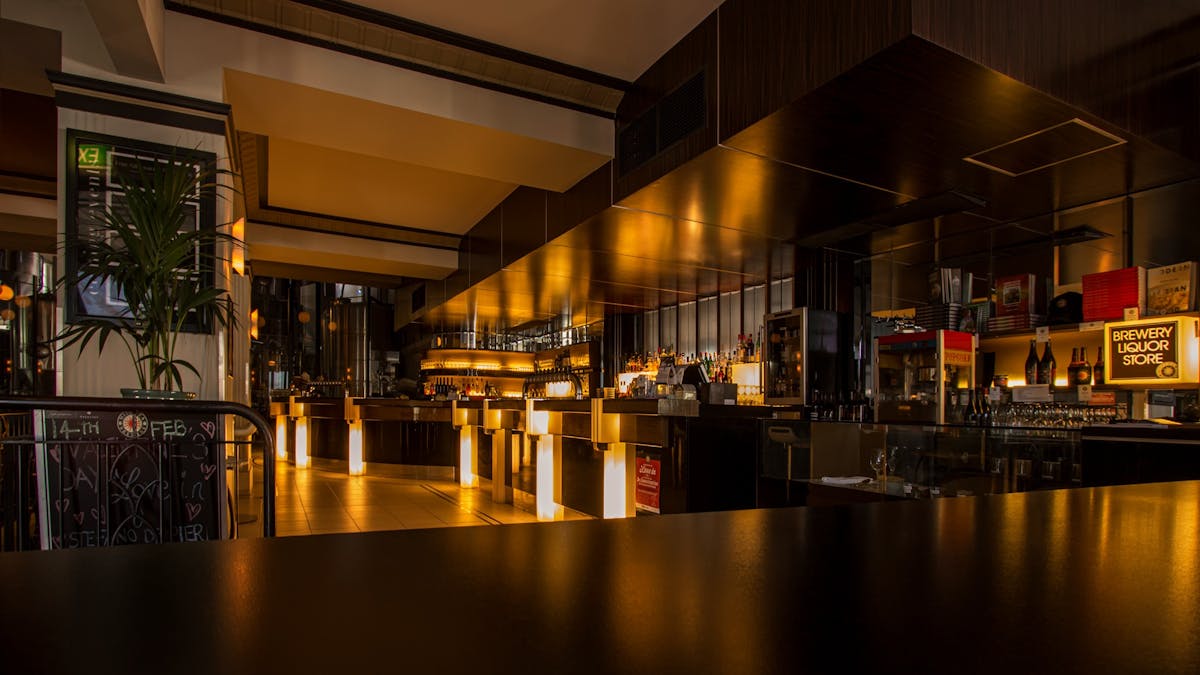
Critical snapshot: Over its run, Avo earned a place in the upper tier of Uptown dining—more a steady, trusted favorite than a headline-chasing hot spot, with food that regularly landed in the 4.5-out-of-5 range for technique, consistency, and sense of place.
For more background on Avo’s closing and chef Nick Lama’s statement, see coverage on NOLA.com and the restaurant’s official channels.
