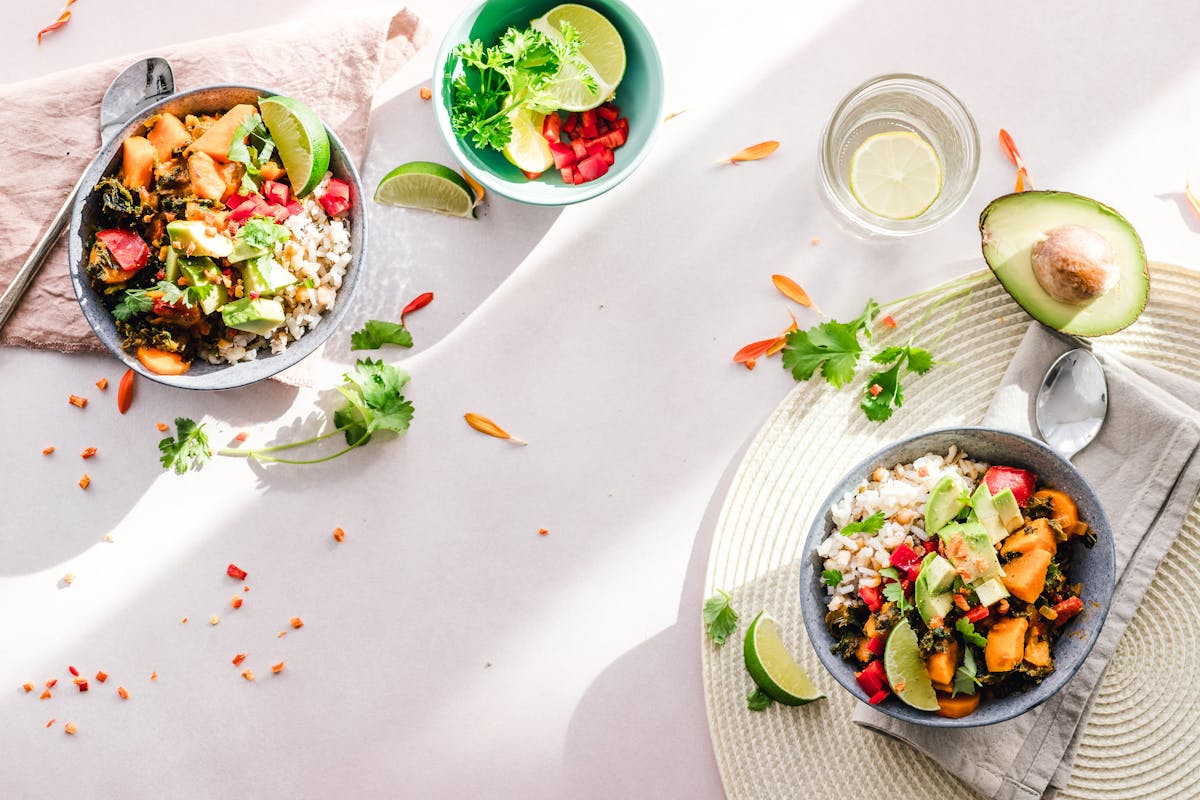
Balanced Girl Dinner Snack Plates: Viral, Easy & Dietitian-Approved
Balanced “Girl Dinner” Snack Plate (High-Protein, High-Fiber, No-Cook)
The viral “girl dinner” trend began as a playful celebration of snack plates for dinner—think bread, cheese, pickles, olives, and fruit arranged into a casual, pretty board. Over time, dietitians and home cooks started reshaping this idea into something more satisfying: balanced girl dinner snack plates that keep the cozy, low-effort vibe but add real staying power with protein, fiber, and healthy fats.
This recipe-style guide walks you through an easy, no-cook balanced snack plate inspired by the trend’s healthier evolution—perfect for evenings when you’re tired, hungry, and craving something fun but still nourishing.

Prep time: 15 minutes
Cook time: 10 minutes (mostly boiling eggs or toasting bread)
Total time: 25 minutes
Servings: 1 (as a full meal)
Difficulty: Easy (assembly-style)
Diet: High-protein, high-fiber, can be made vegetarian or gluten-free
From Aesthetic “Girl Dinner” to Balanced Viral Snack Plates
The original girl dinner was all about relatability and aesthetics: a plate of odds and ends—cheese, bread, olives, maybe a few slices of salami—artfully scattered on a cute plate. It resonated with anyone who has ever opened the fridge, felt too tired to cook, and decided to graze instead of making a formal dinner.
As the trend exploded on TikTok and Instagram, nutrition professionals began pointing out a pattern: many plates were low in protein, fiber, and total calories. Visually appealing? Absolutely. But they often looked more like a light snack than a full, satisfying meal—sometimes brushing up against restrictive eating patterns.
The new wave of “dietitian-approved girl dinners” keeps the playful snack-board feel but builds plates around a protein anchor, high-fiber carbs, colorful produce, and healthy fats.
That’s where balanced snack plates come in—still low-effort and highly Instagrammable, but designed to actually carry you through the evening without hitting the snack cupboard an hour later.

The Nutrition Formula: How to Build a Satisfying Snack Plate
Think of a balanced girl dinner as a choose-your-own-adventure grazing board with a few simple rules. For a plate that feels indulgent but keeps you full, build around these four pillars:
- Protein anchor: 15–30 g of protein keeps hunger in check. Great options include boiled eggs, cottage cheese, Greek yogurt, hummus, edamame, smoked salmon, tofu, tempeh, or leftover grilled chicken.
- High-fiber carbohydrates: Choose whole grains, beans, lentils, or fiber-rich fruits and veggies. Think whole-grain crackers or toast, bean-based crisps, chickpeas, lentil salad, apples with skin, or berries.
- Healthy fats: Add nuts, seeds, avocado, olives, or a drizzle of olive oil. These help with satiety and flavor, giving your plate that luxurious, café-snack-board feel.
- Color and crunch: Fill the rest of the plate with bright vegetables and fruit—carrot sticks, bell peppers, cucumbers, cherry tomatoes, snap peas, kiwi, citrus, or grapes.
When you hit all four, you’ve gone from “just vibes” to a legit, balanced meal that still feels fun and spontaneous.
Recipe: Balanced Girl Dinner Snack Plate (Base Template)
This recipe gives you a flexible template for a single, satisfying plate. Adjust portions to your hunger level and feel free to swap items with what you have on hand.
Ingredients (for 1 balanced plate)
Protein anchor (choose 1–2)
- 2 large boiled eggs, peeled
- OR 3/4 cup (170 g) cottage cheese or Greek yogurt
- OR 1/2 cup (90 g) hummus or bean dip
- OR 85 g (3 oz) smoked salmon or cooked chicken
- OR 100 g firm tofu or tempeh, cubed (pre-cooked or marinated)
High-fiber carbohydrates
- 4–6 whole-grain crackers or 1 slice whole-grain bread, toasted
- 1/2 cup (80–100 g) roasted chickpeas, lentil salad, or bean-based crackers
- 1 small piece of fruit, such as an apple, pear, orange, or 3/4 cup berries
Colorful vegetables
- 1/2 cup (60 g) carrot sticks
- 1/2 cup (60 g) cucumber rounds or sticks
- 1/2 cup (60 g) cherry tomatoes or snap peas
- Optional: sliced bell peppers, radishes, or baby lettuce leaves
Healthy fats & extras
- 2 tbsp hummus, guacamole, or olive tapenade (if not already using as protein)
- 1–2 tbsp nuts or seeds (almonds, walnuts, pistachios, pumpkin seeds, etc.)
- 6–8 olives (any variety), drained
- 1–2 tsp extra-virgin olive oil for drizzling (optional)
- Pinch of flaky salt, freshly ground black pepper, and dried herbs (oregano, za’atar, or Italian seasoning) to finish
Equipment & Tools
- 1 medium plate or small serving board
- Small ramekins or bowls for dips and wet ingredients
- Sharp knife and cutting board
- Small pot (only if boiling eggs or cooking edamame)
- Toaster (if using toast)
Step-by-Step Instructions
- Prepare your protein.
If using boiled eggs, cook them first: cover eggs with cold water in a small pot, bring to a gentle boil, then simmer 8–10 minutes. Cool under cold running water and peel. If using tofu or tempeh, make sure it’s pre-cooked or marinated and cut into bite-size cubes. - Toast or portion your carbs.
Toast whole-grain bread (if using) until crisp and golden, or arrange your whole-grain crackers and bean-based crisps in one section of the plate so they stay crunchy. - Wash and cut produce.
Rinse vegetables and fruit under cool water. Slice carrots, cucumbers, and peppers into sticks or rounds; halve cherry tomatoes; cut fruit into wedges or slices. Aim for a mix of shapes and colors—it makes the plate feel abundant and restaurant-worthy. - Arrange dips and soft items.
Spoon hummus, guacamole, or cottage cheese into small ramekins. Place them on your plate or board first so you can build around them. Add olives or pickles to their own little corner or bowl to prevent excess brine from spreading. - Add the protein anchor.
Nestle boiled eggs, tofu cubes, smoked salmon, or chicken near the dips. If using eggs, you can halve or quarter them so the rich, golden yolks are visible—it adds both flavor and visual appeal. - Layer in veggies and fruit.
Fan out sliced cucumbers, tuck carrot sticks into gaps, and pile cherry tomatoes or snap peas in little mounds. Place fruit on the opposite side of any very wet ingredients, so it stays crisp and juicy instead of soggy. - Finish with healthy fats and seasoning.
Scatter nuts or seeds across the plate, add olives, and drizzle a teaspoon or two of olive oil over cottage cheese, tomatoes, or chickpeas. Sprinkle with flaky salt, pepper, and herbs to wake everything up. - Serve and enjoy mindfully.
Sit down with your plate, take a breath, and eat slowly. Notice the different textures—the snap of fresh vegetables, the creaminess of dips, the chew of whole grains—and stop when you’re comfortably satisfied, not stuffed.
Variations & Dietary Swaps
One of the joys of balanced girl dinners is how customizable they are. Use this framework to adapt your plate to your taste, season, and dietary needs.
Vegetarian & Vegan
- Vegetarian: Lean on eggs, Greek yogurt, cottage cheese, and cheeses like feta or mozzarella alongside beans and lentils.
- Vegan: Use hummus, white-bean spreads, edamame, marinated tofu or tempeh, and roasted chickpeas as your main proteins. Drizzle extra olive oil or tahini for satisfying fats.
Gluten-Free
- Swap regular bread and crackers for certified gluten-free whole-grain crackers, rice cakes, or gluten-free toast.
- Boost complex carbs with roasted potatoes, sweet potatoes, or extra beans and lentils.
Higher-Protein Focus
- Double your protein anchor (for example, eggs plus cottage cheese, or tofu plus edamame).
- Use Greek yogurt or skyr as a dip base and swirl in herbs, garlic, or lemon.
Seasonal Spins
- Summer: Fresh tomatoes, cucumbers, peaches, berries, and grilled zucchini with mozzarella or plant-based cheese.
- Fall: Roasted squash cubes, apple slices, grapes, sharp cheddar or vegan cheese, and toasted pumpkin seeds.
- Winter: Citrus segments, pickled veggies, marinated beans, and warm whole-grain toast.
- Spring: Radishes, snap peas, asparagus tips, and soft herbs like dill and chives.
Make-Ahead, Storage & Reheating Tips
Balanced snack plates are mostly about fast assembly, which means your best friend is smart prep.
- Prep components, not full plates: Store chopped veggies, boiled eggs, cooked tofu, and roasted chickpeas separately in airtight containers. This keeps everything fresher and less soggy.
- Fridge life: Most components keep 3–4 days in the fridge. Boiled eggs (in shell), roasted chickpeas, and sturdy veggies can last up to 5 days.
- Re-crisping: If crackers or toast soften, toast them quickly or refresh in a low oven (150–160°C / 300–325°F) for a few minutes.
- Food safety: Keep dairy, eggs, meat, and fish refrigerated and don’t leave assembled plates out at room temperature for more than 2 hours.
Since this is a no-cook, no-reheat style meal, most “reheating” simply means bringing ingredients to cool room temperature so flavors shine.
Serving Ideas & Complementary Dishes
You can enjoy this balanced girl dinner snack plate all on its own or build it into a larger spread.
- Weeknight dinner: Pair your plate with sparkling water, herbal tea, or a small bowl of soup if you want something warm.
- Movie night: Make a double or triple board for sharing, and serve with popcorn, dark chocolate squares, or extra fresh fruit.
- Lunchbox version: Pack components into a bento-style container to recreate the vibe at work or school.
- Brunch spread: Offer several protein options (eggs, yogurt, smoked salmon) with baskets of whole-grain bread and plenty of fruit and veg.
Satiety, Aesthetics & a Gentle Note on Relationship with Food
Balanced girl dinners are a sweet spot between creativity and care. Yes, we love the pretty colors and playful plating—but we also want you to feel genuinely nourished, not just entertained for a few bites.
If you notice yourself drawn to very tiny plates or skipping meals in the name of “aesthetic,” consider this an invitation to check in with your hunger and energy. A satisfying snack plate should leave you feeling clear-headed, comfortable, and steady—never dizzy, preoccupied with food, or overly stuffed.
Use the protein–fiber–fat–color framework as a gentle guide, not a rigid rulebook, and let your body’s signals lead the way.
Bringing It All Together
The “girl dinner” trend has grown up a little—and that’s a good thing. You can still have the lazy-night joy of raiding your fridge and arranging a pretty plate, while also giving yourself the fuel you need with protein, fiber, healthy fats, and plenty of color.
Keep your pantry stocked with a few staples (whole-grain crackers, canned beans, nuts) and your fridge with a rotation of dips, prepped veggies, and proteins. Then, whenever “I don’t feel like cooking” hits, you’ll be just a few minutes away from a balanced, beautiful viral-style snack plate that truly loves you back.