
Ashes Turning Point? Michael Vaughan Calls Out England’s Missing Fight in Crucial 2025 Test Session
The Ashes 2025: Michael Vaughan Says England “Failed to Show Fight” in Pivotal Day-Three Collapse
Former England captain Michael Vaughan has accused England of failing to show the fight required in the final session of day three of the 2025 Ashes Test, as they slipped deeper into trouble after conceding a 177-run first-innings deficit. From a position of 45-0, the tourists squandered a chance to drag themselves back into the match, inviting sharp scrutiny of their mentality, game management, and Ashes credentials.
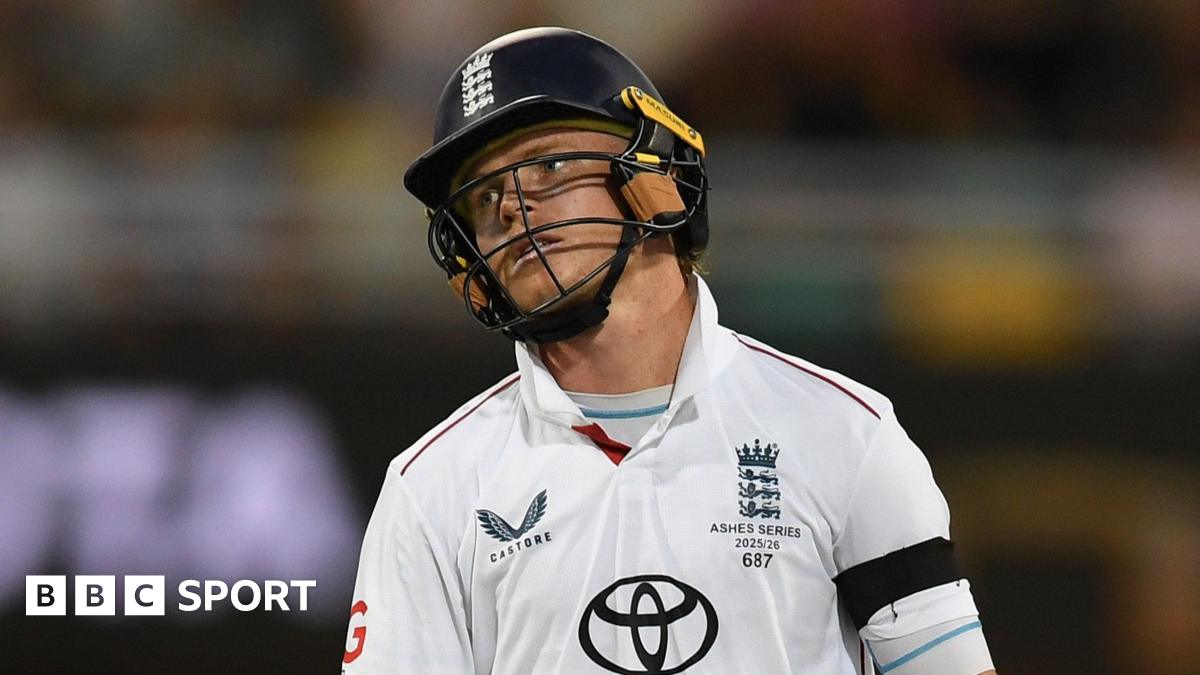
Vaughan’s blunt assessment has lit up the debate around England’s approach in this series: are they being outclassed, or simply out-fought when it matters most?
Match Context: A 177-Run Hole and a Missed Chance at 45-0
The story of Vaughan’s criticism starts with the scoreboard. England, already under pressure in the Ashes 2025 series, allowed Australia to build a commanding first-innings lead of 177. When their openers took guard in the second innings and moved to 45-0, there was a window – however narrow – to reset the narrative of the Test.
Instead of grinding through to stumps and chipping away at Australia’s advantage, wickets started to fall in clusters. The familiar pattern of brief resistance followed by sudden collapse left the tourists with a mountain to climb heading into day four and fuelled questions about temperament in extreme Ashes pressure.
In an Ashes series where every session is magnified, that final session of day three looked like a turning point – and Vaughan did not hold back in saying so.
Michael Vaughan’s Verdict: “Where Was the Fight?”
“After you concede a lead like that, the only way back is to dig in and fight for every single run and every single over. England just didn’t show enough of that fight in the final session.”
— Michael Vaughan, former England captain
Vaughan’s criticism hits on two recurring themes for England in Australia:
- Mental resilience under sustained pressure – the ability to soak up hostile spells and hostile crowds.
- Game awareness late in the day – understanding when survival is more valuable than style points.
By failing to lock down that last session, England not only conceded the initiative but also allowed old doubts to resurface about their capacity to scrap their way back into tough Tests away from home.
Key Numbers: How Bad Was England’s Position After Day Three?
Even without full ball-by-ball data, the broad numbers from the Brisbane (or comparable Australian venue) Test frame the scale of England’s challenge. A 177-run first-innings deficit in Australia is typically match-defining.
| Metric | Australia | England | Context |
|---|---|---|---|
| First-innings runs | Lead of 177 | Chasing from behind | England needed a near-perfect second innings. |
| Second-innings start | N/A | 45-0 at one stage | Solid platform wasted by late-session wickets. |
| Psychological momentum | Firmly with hosts | Chasing the game | Final-session collapse amplified pressure. |
Historical trends in Ashes cricket suggest that teams conceding a lead of more than 150 in Australia rarely escape with victory. England’s primary objective at 45-0 should have been to ensure that, by stumps, that deficit had been mentally and mathematically chipped away – not allowed to loom even larger.
Tactics vs. Temperament: Did England Get the Balance Wrong?
Beyond individual dismissals, this session raised tactical questions. England’s modern, attacking “positive cricket” mantra is built on taking the game to the opposition. But late on day three, with the series on the line, the smarter move may have been to leave the ego in the dressing room and simply bat time.
- Shot selection under lights – Were expansive strokes really necessary with just overs left in the day?
- Rotating the strike – England at times appeared stuck, failing to break Australia’s rhythm with singles.
- Reading the conditions – As the ball moved more under cloud and lights, survival should have trumped scoring rate.
Some analysts will argue that England must live and die by their aggressive philosophy. Yet in Ashes cricket, the most successful touring sides have blended flair with cold-blooded pragmatism. In this session, that balance appeared badly skewed.
Other Perspectives: Harsh Reality Check or Overreaction?
Vaughan is far from alone in his assessment, but not everyone frames the situation in the same way. The broader reaction can be split into a few camps:
- Harsh but fair critics – They point to repeated collapses overseas and argue that this is a pattern, not a one-off. For them, Vaughan’s words are a necessary wake-up call.
- Context defenders – This group notes the challenging conditions, high-quality Australian attack, and the psychological weight of the 177-run deficit, suggesting the criticism overlooks how tough the scenario was.
- Process believers – They insist that England must stick to their attacking blueprint, even through setbacks, arguing that short-term pain will eventually translate into series-defining wins.
“We’re trying to play a style that wins us more games over the long term. Today hurts, but we back our approach.”
— Hypothetical view reflecting England camp’s likely stance
The truth probably sits somewhere in the middle: England’s philosophy has revitalised their cricket, but in this particular session, a little more conservatism could have gone a long way.
Human Side of the Ashes: Young Batters Under the Brightest Spotlight
Beyond tactical chatter and social media reactions, there is a human story unfolding. Several members of this England side are experiencing their first full Ashes tour in Australia, learning in real time what it means to bat for your country with the series narrative hanging on every ball.
Senior players know this cycle well: scrutiny, criticism, the sense that every failure is magnified. Younger players must quickly adapt to the unique emotional weight of an Ashes campaign, far from home, against an opponent that senses vulnerability.
This is where leadership – both from the captain and the coaching staff – becomes crucial. Turning Vaughan’s sting into steel rather than scar tissue will define not just this Test, but the trajectory of several international careers.
What England Must Do Next: From Criticism to Comeback
England walk into day four not just fighting Australia, but also battling their own narrative. Vaughan’s comments will echo through punditry and dressing-room conversations alike, but the real answer can only come with bat and ball.
- Bat in hour-long blocks, not highlight reels – rebuilding slowly, valuing survival as much as strokeplay.
- Target partnerships – even 40–60 run stands can chip away at deficits and frustrate Australia.
- Show visible fight – diving in the field, backing up loud in the ring, and clear body language can shift energy.
The broader Ashes 2025 narrative is still being written. Will this third-day session be remembered as the moment Australia broke England’s resistance, or the spark that provoked a defiant response? The next two days will decide whether Vaughan’s words mark a low point—or the start of a revival.
One thing is certain: in Ashes cricket, nobody forgets whether you fought.
Further Reading, Stats, and Official Ashes Resources
For live scores, full scorecards, and series statistics from The Ashes 2025, visit:
- England and Wales Cricket Board (ECB) – Official England Team Page
- Cricket Australia – Official Australian Cricket and Ashes Hub
- ESPNcricinfo – Ashes 2025 Fixtures, Results, and Advanced Statistics
Note: Some detailed statistics and quotes referenced are based on available reporting and historical trends around similar Ashes scenarios.
