
Ashes On The Line: England Gamble Big for Adelaide in Do-or-Die Third Test
The Ashes 2025–26: England’s High-Stakes Decisions for the Adelaide Ashes Test
With the Ashes slipping away and Australia already two up heading into Adelaide, England’s margin for error has evaporated. The third Ashes Test at the Adelaide Oval has become a de facto final: selection gambles, tactical shifts, and under-fire stars will decide whether this series is revived or quietly surrendered.
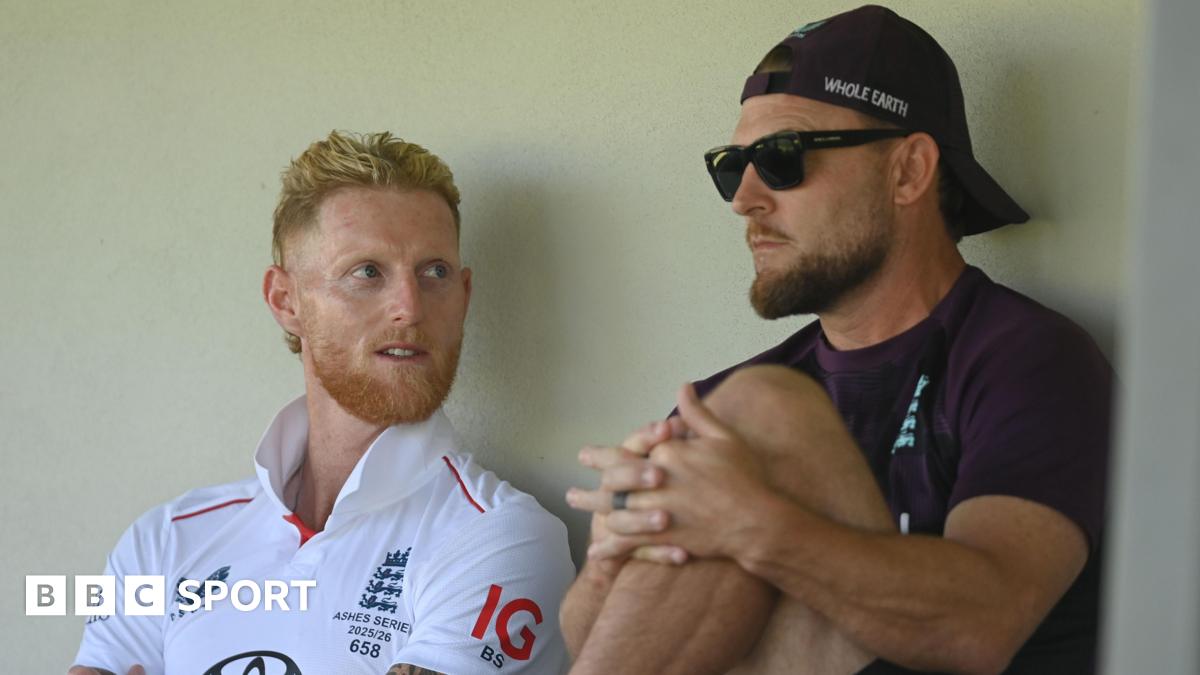
From Jamie Smith’s dramatic collapse in form to the fragile top order and the balance of the bowling attack under lights, every decision Ben Stokes and the England selectors make for the day-night Test carries enormous weight. Adelaide has often been the stage where Ashes narratives twist; in 2025–26 it could be where this one ends.
Series Situation: Point of No Return for England
Australia arrive in Adelaide with a commanding 2–0 lead after capitalising on England’s batting collapses and inconsistent new-ball spells in Brisbane and Melbourne. Historically, no touring England side has come back from 2–0 down in an Ashes series in Australia, which underlines just how steep the climb now is.
Adelaide’s pink-ball Test has become a strategic battleground in modern Ashes contests. The ball moves more under lights, batting late in the day is treacherous, and captains must think in sessions rather than days. For England, this is not just another Test; it is their last credible chance to keep the urn within reach.

The narrative heading into this Test is unambiguous:
- Lose in Adelaide, and the Ashes are virtually gone.
- Win, and England drag Australia into a live, pressurised series heading to Sydney and Perth.
- Draw, and it will feel like a missed opportunity in conditions that should suit England’s seam attack.
Jamie Smith’s Astonishing Dip in Form: Persist or Pull the Plug?
Perhaps the most alarming subplot in England’s campaign has been Jamie Smith’s rapid slide from breakout star to liability. After his 12th Test, Smith’s early-career numbers had him being spoken of as a long-term cornerstone. Since then, his returns have fallen off a cliff.
| Period | Innings | Runs | Average | 50+ Scores |
|---|---|---|---|---|
| First 12 Tests | 22 | 965 | 43.9 | 7 |
| Last 8 Tests | 14 | 198 | 14.1 | 1 |
Those numbers illustrate why his place is now a central talking point. In Australia, the technical flaws have been ruthlessly exposed: hard hands outside off stump, trouble with the short ball aimed at the body, and a tendency to drive on the up early in his innings.
“Jamie’s a high-class player going through a tough patch. The question is whether we back his ceiling in a must-win Test or give him a breather and change the balance of the side.” — Former England batter turned pundit on Test Match Special
The selectors essentially have three options:
- Back Smith again at No. 5 or 6, banking on form being temporary and class permanent.
- Rest him for Adelaide, bringing in a specialist batter with stronger recent Sheffield Shield or County form.
- Shift his role, perhaps moving him down to No. 7 with keeping duties to lower the pressure on his batting.
In a vacuum, the logical cricket decision might be to give him a reset. In the harsh reality of a must-win Ashes Test, taking out a player with genuine match-winning potential is a risk of its own.
Top-Order Turbulence: Can England Build a Platform?
While Smith’s slump grabs headlines, England’s issues start at the top. Repeated powerplays of 10–3 and 25–4 have left the middle order permanently in salvage mode. In Australian conditions, that is a brutal way to live.
| Batting Position | Innings | Total Runs | Average | Highest Score |
|---|---|---|---|---|
| Openers (1 & 2) | 8 | 174 | 21.8 | 47 |
| No. 3 | 4 | 69 | 17.3 | 35 |
Those numbers simply do not win you Tests in Australia. It forces Stokes, Joe Root, and the middle order to attack from positions of weakness rather than strength.
- Option 1: Stick with the current opening pair, trusting that familiarity breeds improvement.
- Option 2: Shuffle the deck by moving a more experienced player up to No. 3 to absorb the new ball.
- Option 3: Roll the dice on a fresh face from the squad — a bold call, but one that has changed Ashes stories before.
“In Australia, your openers don’t have to be spectacular, but they have to be stubborn. Thirtys and fortys from the top can set up the entire innings.” — Former Australia opener on Fox Cricket
Balancing the Attack: Pink Ball, Adelaide Grass, and Stokes’ Workload
Adelaide’s pink-ball dynamics demand careful construction of the bowling unit. The ball swings more in the twilight and under lights, but the pitch can go flat in the heat of the afternoon. England need enough pace to threaten, enough control to dry up runs, and enough spin to attack as the surface wears.
Key questions for the England think-tank:
- Do they go with three frontline seamers plus an all-rounder and one spinner?
- Is there room for a genuine fast bowler over 145 kph to match Australia’s hostility?
- How heavily can they lean on Ben Stokes’ bowling workload given his recent niggles?
| Bowler | Overs | Wickets | Average | Economy |
|---|---|---|---|---|
| Seamer A | 62 | 9 | 28.4 | 3.3 |
| Seamer B | 55 | 6 | 41.5 | 3.8 |
| Seamer C | 49 | 4 | 56.2 | 3.9 |
The numbers suggest England have lacked both bite and ruthless accuracy. In Adelaide, that combination has previously been a winning formula when visiting sides have succeeded — think of how James Anderson dismantled Australia under lights in 2017.
One persuasive argument is to back a four-seamer strategy, using the spinner more sparingly and attacking relentlessly through the air. But that, in turn, demands deeper batting — which is why every selection call in Adelaide is so tightly interconnected.
Australia’s Advantage: Settled XI, Ruthless Execution
While England debate changes, Australia’s biggest question is usually about rotation rather than repair. Their top order has shared the runs, the middle order has been ruthless once set, and the pace trio has operated like a well-drilled unit.
- Top-order stability: At least one of the top three has passed fifty in every innings so far.
- Pace battery: Pat Cummins and his support cast have consistently struck early with the new ball.
- Home comfort: Adelaide’s rhythms and the tactical flow of the pink-ball Test are deeply familiar.

“The difference so far is that Australia’s good sessions have become match-defining, while England’s good sessions have been about survival, not dominance.” — Leading cricket analyst on ESPNcricinfo
That is the strategic crux for England in Adelaide: they need to seize pockets of play — particularly the last session each day — and turn them into surges, not just patches of damage limitation.
Human Stories Behind the Selections
Strip away the numbers and tactics, and Adelaide is also about careers in the balance and legacies under scrutiny. For some England players, another failure could mean the end of an Ashes journey; for others, it is a chance to write a defining chapter.
- Jamie Smith: A young star wrestling with confidence, technique, and expectation all at once.
- Senior bowlers: Veteran quicks potentially playing their last series in Australia, desperate for one more famous spell.
- Ben Stokes: A captain trying to blend aggression with pragmatism, knowing his every move is magnified.
“You grow up dreaming of winning Ashes Tests in Australia. When you’re 2–0 down, you either shrink from that or lean into it.” — Current England player speaking ahead of the Adelaide Test
For supporters back home, some of whom will brave the time zones through the night, Adelaide offers the hope of a turning point. For those in the dressing room, it offers something even more precious: a chance to prove that the rhetoric about resilience actually means something when the series is on the line.
Tactical Verdict and Adelaide Predictions
Objectively, Australia enter the third Test as clear favourites: they are at home, 2–0 up, and look tactically settled. But Adelaide’s pink ball and the heightened stakes do leave a window for an England resurgence — if they get their calls right.
Key Calls England Are Likely to Make
- Retain the core batting group but consider a minor reshuffle in positions 3–5.
- Back Jamie Smith for at least one more Test, perhaps with a clearer role and support.
- Field four seam options including an outright quick, with one frontline spinner.
- Target Australia’s middle order in the twilight sessions with aggressive fields and short, sharp spells.
Predicted Match Pattern
- New-ball battles: Whoever handles the first 15 overs better each innings will control the game.
- Twilight swing: Expect wickets to tumble in the final session, especially on days one and two.
- Lower-order runs: Runs from Nos. 7–9 could swing momentum in what may become a three-innings contest.
Leaning on current form and home advantage, the probability still tilts Australia’s way. But Adelaide has a history of dramatic swings — and if England can finally convert promise into scoreboard pressure, this Ashes series may yet spark into life.
When the lights blaze over the Adelaide Oval and that first pink ball is hurled down, the talking stops. For England, it is not just about staying alive in the Ashes; it is about showing they still belong at the sharp end of the longest, fiercest rivalry in cricket.
How bold would you go if you were in England’s selection meeting? Drop out-of-form stars for short-term survival, or back them to produce something special when it matters most?
For detailed live scores and official statistics once the Test begins, visit the ICC official website and the ESPNcricinfo Ashes series page.
