Ariana Grande’s ‘Loving Reminder’: Why Her Body-Positivity Message Matters in 2025
Ariana Grande’s ‘Loving Reminder’ on Body Scrutiny: Why It Hits Different in 2025
Published: December 1, 2025
By Staff Entertainment Writer
Ariana Grande has responded with a thoughtful “loving reminder” to renewed public scrutiny of her body during the Wicked: For Good press tour, urging fans to reconsider how they talk about appearance and health online. Her comments crystallize a conversation that’s been simmering for years: what happens when stan culture, viral images, and real human bodies collide.
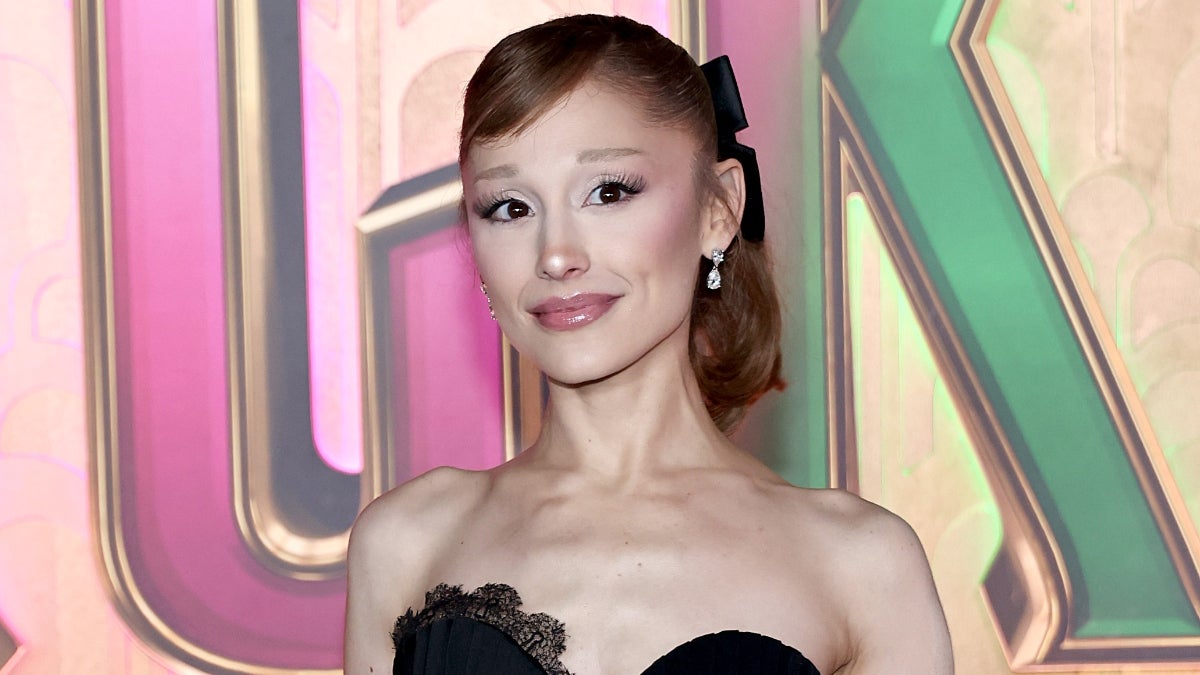
In 2025, when every red-carpet angle is dissected in real time on TikTok and X, Grande’s decision to speak calmly but firmly about body shaming feels less like a celebrity soundbite and more like a cultural reset button.
The Context: Wicked: For Good Hype Meets Old Habits
Grande has been in the public eye for over a decade, evolving from Nickelodeon actor to arena-filling pop star to big-screen Elphaba in the Wicked: For Good film adaptation. With that level of visibility comes a familiar pattern: every change in her hair, makeup, and, especially, body becomes “content.”
Following the latest round of Wicked press appearances, social media was flooded with side-by-side comparisons of Grande over the years, with users offering unsolicited commentary on whether she looked “healthier before” or “too thin now.” Many of those posts claimed to come from a place of “concern,” which is exactly what she pushed back against.
“I think we should be gentler and less comfortable commenting on people’s bodies, no matter what… even if you think you’re saying something from a loving place. I think it’s dangerous.”
That phrase — “I think it’s dangerous” — is doing a lot of work. She’s not just saying, “You hurt my feelings.” She’s pointing out that this behavior creates a culture where illness, recovery, and mental health are all misread through the lens of how “good” someone looks in a paparazzi shot.
What Ariana Actually Said: A “Loving Reminder,” Not a Clapback
Tone matters here. Grande framed her message as a “loving reminder,” which lands very differently from the usual celebrity Notes app statement. Rather than scolding her fans, she tried to re-educate them.
- She asked people to stop making comparative comments like “you looked better before.”
- She emphasized that bodies change for countless reasons, many of them private and medical.
- She reminded fans that you never know what someone has survived to look the way they do now.
“There are many different kinds of beautiful… and some of the healthiest people look very different from what you might expect.”
The message taps into a broader shift in pop culture: the slow move away from “body goals” language and toward something more nuanced, where appearance is decoupled, at least a little, from worth.
Why This Moment Feels Different: From “Body Positivity” to Boundaries
Celebrity body discourse has been through several eras: the tabloid cruelty of the 2000s, the “all bodies are beautiful” wave of the 2010s, and now a more boundary-driven stance where the message is essentially, “My body is not public property, even if my art is.”
Grande’s statement fits into that newer category. Instead of inviting fans to celebrate her body, she’s asking them to stop ranking it. It’s less Dove commercial, more digital citizenship lesson.
Critically, Grande doesn’t offer her own body as a template for “healthy,” either. That’s a key evolution from earlier pop-star messaging, where “self-acceptance” often came bundled with highly curated, filtered imagery that reinforced impossible standards.
The Wicked Factor: When Roles, Costumes, and Bodies Get Entangled
The timing isn’t random. Wicked: For Good is one of the biggest movie-musical gambles in years, and Grande’s transformation into Glinda has been part of the marketing strategy: the platinum hair, the gowns, the carefully crafted fairytale visuals.
But promotional aesthetics can blur into body expectations. When a studio packages a performer as a literal fantasy figure, fans sometimes forget there’s a real person underneath the CGI sparkle and corsetry.
Historically, film roles — from superhero franchises to prestige biopics — have triggered extreme weight changes and equally extreme commentary. Grande’s response quietly resists the idea that any project, even a tentpole like Wicked, should open the door to policing her body.
Fans, Parasocial Relationships, and the Illusion of “Concern”
One of the trickiest parts of modern fandom is the blurred boundary between genuine care and invasive curiosity. Grande’s audience has grown up with her — many fans watched her on Victorious, lived through the Thank U, Next era, and processed real-world tragedy alongside her after the Manchester attack.
That shared history can make fans feel responsible for her well-being, as if they’re friends checking in. But on platforms where every “Are you okay? You look so skinny” comment racks up likes, concern can morph into performance.
- Parasocial closeness: People feel they know her, so they speak about her body like they would a roommate’s.
- Algorithmic reward: Emotional posts about celebrities often get boosted, encouraging more of the same.
- Normalization: Years of gossip culture have made it feel “normal” to weigh in on a famous stranger’s health.
“You never know what someone is going through. Even if you think you’re helping, you might be commenting on a very painful chapter of their life.”

Strengths, Limitations, and the Inevitable Backlash
Grande’s statement is thoughtful and, crucially, specific about the harm that can come from commenting on bodies. It doesn’t sugarcoat the issue, and it sidesteps the shallow empowerment slogans that often dominate this kind of discourse.
Still, there are limitations. Some critics argue that it’s easier for a conventionally attractive, globally famous artist to make these points and be widely applauded than it is for people whose bodies have always been marginalized. Others note that as long as pop culture continues to monetize appearance — through beauty campaigns, styling deals, and filters — the system itself will keep rewarding body-focused attention.
That tension doesn’t invalidate Grande’s message, but it does place it in a broader ecosystem where not everyone gets the same grace. Her reminder is a useful step; it’s not a cure-all.
So What Do We Do With Ariana’s “Loving Reminder”?
If you strip away the headlines, Grande’s ask is surprisingly simple: talk less about bodies, more about the work. In practice, that looks like:
- Resisting the urge to comment on a celebrity’s weight, face, or “then vs. now” comparisons.
- Focusing on performances, songwriting, direction, and craft when discussing their projects.
- Checking in privately, not publicly, with real-life friends if you’re truly worried about their health.
Grande can’t single-handedly fix how the internet talks about bodies, but she can redirect the conversation at a moment when millions are paying attention because of Wicked: For Good. Whether that sticks depends on what stan culture, gossip accounts, and everyday users choose to normalize next.
For now, her “loving reminder” lands as both a boundary and an invitation: enjoy the music, enjoy the movie, enjoy the spectacle — just remember there’s a person there, not a before-and-after collage.