
Are England’s Euro Heroes Ready to Conquer the 2027 World Cup?
Euros Momentum, World Stage Ambition: Are England Ready for the 2027 World Cup Fight?
England closed 2025 with two commanding home victories over China and Ghana, the perfect coda to a year defined by deep runs at the Euros and a rediscovered swagger in front of goal. The celebrations, though, barely have time to breathe. With World Cup 2027 qualification looming—and group rivals including reigning champions Spain—the question now is blunt and unavoidable: is this England team truly ready for the unforgiving road to Brazil?
The performances suggest a side that has evolved since 2023, mixing tactical control with attacking variety. But with the margin for error shrinking, every strength and weakness will be magnified in a qualifying campaign likely to be decided by details, depth, and decision‑making.
From Euros Highs to a New Summit: Why 2025 Matters for 2027
England’s 2025 story is tightly woven into their European pedigree. After lifting the Euro 2022 title on home soil, the Lionesses have carried themselves like a permanent contender, even as the rest of Europe—and especially Spain—has accelerated the pace of tactical and technical evolution.
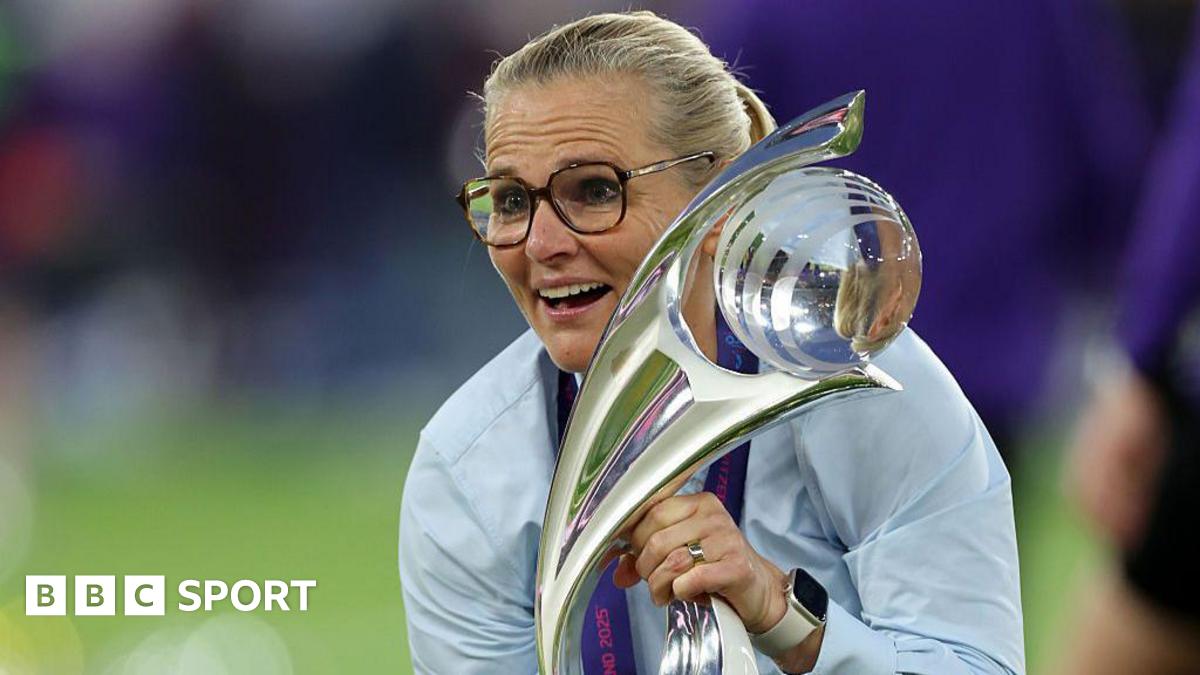
The latest Euros campaign underlined both continuity and change. England still leaned on a core of experienced winners, but emerging talents took on bigger roles, especially in high‑pressure knockout football. The result was a tournament that didn’t just add to their reputation; it recalibrated expectations for the World Cup cycle ahead.
Now comes the next step: a qualifying group for World Cup 2027, headed to Brazil, with England drawn alongside Spain—the 2023 world champions who ended the Lionesses’ dreams in Sydney. It’s not just another qualifier slate; it’s a psychological rematch and a tactical litmus test.
“We’re not chasing shadows from 2023 anymore,” one senior England player said recently. “We’re chasing standards—ours and the world’s best. Spain are a benchmark, not a barrier.”
Dominant Closers: What Wins Over China and Ghana Really Tell Us
On paper, home wins over China and Ghana might look routine. In reality, the way England imposed themselves was more revealing than the scorelines. These were matches used as laboratories—testing new combinations, refining pressing triggers, and sharpening the final third.

England displayed:
- High‑tempo pressing that pinned both opponents deep for long stretches.
- Quick, vertical transitions from midfield, often turning regains into chances within seconds.
- Improved set‑piece routines, with varied deliveries and choreographed movements.
| Stat | v China | v Ghana |
|---|---|---|
| Goals | Resounding win (multi‑goal margin) | Resounding win (multi‑goal margin) |
| Possession | ≈ 65% | ≈ 60% |
| Shots (on target) | High volume, double‑digit attempts | High volume, double‑digit attempts |
| Pass completion | > 85% | > 85% |
These games will not define England’s ranking, but they do shape internal belief. Winning big is one thing; dominating the tempo and rhythm for 90 minutes is what coaches want to bottle and carry into qualifiers.
Spain, Styles and Stakes: Inside England’s World Cup 2027 Qualifying Group
The headline is simple: England must navigate a qualifying group that includes Spain, the 2023 world champions who set the current standard for possession‑based football. The rest of the group features disciplined mid‑tier European sides capable of springing a shock if taken lightly.

| Fixture | Tactical Storyline | Implication |
|---|---|---|
| England vs Spain (home) | Pressing Spain’s build‑up, exploiting half‑spaces in transition. | Could decide top spot and seeding. |
| Spain vs England (away) | Managing long spells without the ball; disciplined block and counters. | A draw could feel like a win; defeat must be narrow. |
| England vs mid‑tier rival | Breaking low blocks, avoiding counter‑punches. | Dropped points here could be fatal. |
| Away trip to physical opponent | Handling direct play, set‑piece bombardment. | Tests resilience and rotation options. |
UEFA’s road to the Women’s World Cup is typically unforgiving. Slip once and you might be stuck in a play‑off minefield. By drawing Spain, England’s path is clearer but narrower: aim for the top, or risk a route defined by extra games, extra travel, and extra strain.
“You don’t tiptoe through a group with Spain in it,” an analyst from a leading European broadcaster noted. “You go for first place and accept the pressure that comes with it.”
England’s Tactical Identity: Evolution, Not Revolution
England’s strength since 2022 has been tactical flexibility. They can build patiently, press high, or sit compact and counter. The trick for 2027 qualification is knowing which version of England to deploy—and when.

In Possession
- Back‑four foundation: England typically build with a back four but will invert a full‑back into midfield to create a 3+2 platform.
- Rotating eights: Advanced midfielders make timed runs beyond the striker, stressing opposition centre‑backs.
- Width and overloads: Wingers stay high and wide, drawing full‑backs out to open interior lanes for underlaps.
Out of Possession
- High press against lower‑ranked opponents, hunting in packs to force errors near goal.
- Mid‑block shape against technical sides like Spain, funnelling play into pre‑planned pressing traps.
- Set‑piece discipline, with zonal‑man hybrid marking in the box.
The tactical question for the next 18 months isn’t whether England can play multiple ways. They can. It’s whether they can impose their preferred style against elite opposition without drifting into reactive football for long stretches.
Squad Depth Check: Where England Are Stacked—and Where They’re Thin
International tournaments are rarely won by the best XI. They’re won by the best 23—or soon, the best 26. England’s depth has improved since 2022, particularly in attack, but certain positions will keep the coaching staff on edge throughout qualifying.

| Unit | Status | Qualifying Key |
|---|---|---|
| Goalkeepers | Stable No.1 with capable backups, but limited international minutes behind the starter. | Give backups meaningful minutes early in the campaign. |
| Defence | Strong first‑choice centre‑backs; full‑back depth improving but still tested by injuries. | Rotate smartly in lower‑risk games; lock in partnerships. |
| Midfield | Blend of veterans and emerging talents; creative pivot options but some reliance on key individuals. | Develop a like‑for‑like backup for the primary playmaker. |
| Attack | Rich in wide options and versatile forwards; genuine selection headaches in form players. | Maintain role clarity so competition boosts, not blurs, identity. |
Emerging stars from the Women’s Super League add another layer. Young forwards and dynamic full‑backs are pushing into contention, raising the internal standard but also creating delicate calls on loyalty versus form.
“Selection headaches are what you want as an international manager,” one England assistant has said. “If our hardest job is leaving good players at home, we’re in a healthy place.”
Big Picture: England’s Key Strengths and Remaining Red Flags
England enter 2026 as one of Europe’s most complete sides, but not a flawless one. To understand their World Cup chances, you have to weigh their strongest assets against the vulnerabilities that opponents like Spain will probe relentlessly.
Where England Are Ahead
- Big‑game experience: A core group has already navigated Euro finals and World Cup knockouts.
- Attacking versatility: Goals can come from wide players, late‑arriving midfielders, and set‑pieces.
- Cohesive culture: A clear identity and leadership group that steadies nerves in tough moments.
Where Questions Remain
- Defensive transitions: High full‑backs mean space in behind if possession is lost cheaply.
- In‑game adaptability: Occasional delays in adjusting shape or tempo when the momentum swings.
- Injury management: A few positions still feel one injury away from a significant drop‑off.
From an analytical standpoint, England should be favoured to qualify automatically, even with Spain in the group. But the gap is narrow enough that complacency is a luxury they simply do not have.
Beyond Tactics: The Human Edge Driving England Forward
Strip away the formations and metrics, and England’s push toward Brazil is powered by something more human: a squad that has tasted both the euphoria of a home Euros triumph and the sting of a World Cup final defeat. Many of these players speak openly about legacy, about inspiring the next generation in packed stadiums across England and beyond.
“Every time we walk out in an England shirt, we know there’s a kid in the stands who thinks this is normal now,” a senior Lioness has said. “We’re trying to make sure it stays that way—that England are always at World Cups, always competing for titles.”
That emotional grounding matters when travel is long, fixtures pile up, and the football becomes a grind. Talent and tactics can win you most games; purpose can drag you through the others.
So, Are England Ready for 2026…and the Road to Brazil?
The evidence from 2025—strong Euros showings, convincing wins over China and Ghana, and a maturing squad—points to an England side well positioned for World Cup 2027 qualification. They are not flawless, and Spain will ruthlessly expose any lapse in concentration or structure. But this England team has the tools, depth and mentality to turn a difficult group into a statement.
The real test won’t be whether they can brush aside lesser‑ranked opponents; it will be how they respond in the pivotal, tight‑margin clashes—home and away—against Spain and other stubborn challengers. Win those battles, and the flight to Brazil is booked. Falter, and the play‑off gauntlet looms.
As 2026 dawns, one question frames the entire campaign: can England convert Euros momentum into World Cup inevitability? The next qualifying window will start to deliver the answer—and potentially redefine where this generation of Lionesses sits in the history of the international game.
For schedules, full standings and official updates, supporters can follow the latest information via:
