
All-English Showdown Looms: Arsenal, Chelsea and Man Utd Discover Women’s Champions League Path
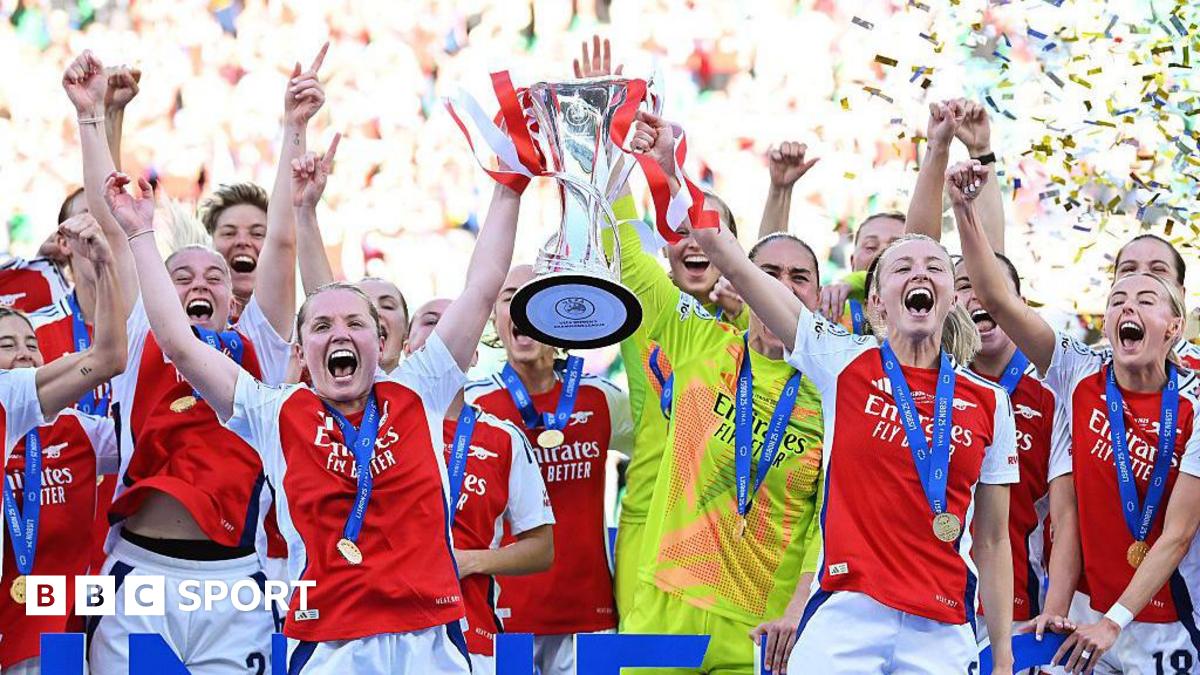
The Women’s Champions League draw has set up a tantalising route for English clubs, with defending champions Arsenal potentially facing Women’s Super League rivals Chelsea in an all-English quarter-final if they overcome Belgian side Leuven in the play-offs. Manchester United, making their latest push to cement themselves among Europe’s elite, have also discovered a route packed with storylines, tactical contrasts and high-stakes knockout football that could reshape the women’s game across the continent.
Why This Women’s Champions League Draw Matters
English clubs have been steadily raising the bar in the UEFA Women’s Champions League over the last decade. Arsenal, as defending champions, arrive with a target on their backs and the experience of navigating Europe’s sharpest tactical battles. Chelsea, the current Women’s Super League champions, bring one of the deepest squads in Europe and an attacking identity built for knockout football. Manchester United are still comparatively new to this stage, but their rapid rise domestically has made their European trajectory one of the competition’s most intriguing storylines.
An all-English quarter-final would not just be a headline clash; it would be a snapshot of how far the WSL has come. Packed stadiums, global TV audiences and star-studded squads mean these ties now sit alongside the men’s competition in terms of intensity and narrative weight.
- Arsenal enter as defending UEFA Women’s Champions League winners.
- Chelsea are current Women’s Super League title holders.
- Manchester United continue their push to establish a lasting European presence.
- Leuven stand between Arsenal and an all-English quarter-final.
Arsenal’s Road Back to Glory: Leuven First, Chelsea Potentially Next
Arsenal’s immediate task is clear: get past Belgian side OH Leuven in the play-offs. On paper, the Gunners’ experience and squad depth make them heavy favourites, but the two-legged format offers little margin for error. Leuven arrive with nothing to lose and everything to gain, a classic underdog setup that can unsettle even the most seasoned European campaigners.

As defending champions, Arsenal know that every opponent will treat them as a statement scalp. The incentive for Jonas Eidevall’s side is enormous: win the play-off, and a high-profile quarter-final against Chelsea awaits, immediately raising the stakes for their entire campaign.
“We respect every opponent, but we also back our identity. If we do our job, the big nights will come,” said an Arsenal coach earlier this season.
- Control the tempo early against Leuven to silence any early momentum.
- Rotate intelligently without sacrificing defensive structure.
- Use wide areas to stretch Leuven’s back line and create high-quality chances.
Chelsea’s Champions League Ambition: Built for the Big Stage
As Women’s Super League champions, Chelsea enter this Women’s Champions League season with a clear mandate: turn domestic dominance into European silverware. Their draw offers both opportunity and jeopardy. They avoid some of the traditional heavyweights early on but could be staring down an English rival in Arsenal as soon as the quarter-finals.

Chelsea’s squad balance gives them flexibility. They can press high, sit in mid-blocks or dominate the ball in sustained phases, a tactical range that becomes crucial over two legs. Against another WSL side, familiarity adds an extra wrinkle: the margins narrow, and set pieces, substitutions and in-game adjustments become decisive.
- Elite depth across all lines, particularly in midfield.
- Multiple goal threats, reducing reliance on any single star.
- Strong recent form in domestic competition, translating into confidence in Europe.
Manchester United’s Route: From Contenders to True European Players
For Manchester United, this draw is as much about identity as it is about progression. Their path features a mix of tactically disciplined continental sides and physically strong opponents more similar to WSL opposition. How United navigate that blend will tell us a lot about their readiness to live in this competition year after year.
United’s strength lies in their athleticism and ability to transition quickly from defence to attack. In Europe, that must be blended with patience in possession and concentration over 180 minutes. Slip-ups at this level are usually punished, and United’s learning curve could be steep but rewarding.
“We want to be here every season. That means embracing these challenges, not fearing them,” a United player said recently about their European ambitions.
Key Numbers: Arsenal, Chelsea, Man Utd and Leuven at a Glance
While form will inevitably shift as the season develops, recent domestic and European data help frame what to expect from each side heading into these Women’s Champions League fixtures.
| Team | Recent WCL Titles | Goals per Game* | Avg. Possession* (%) | Clean Sheet Rate* (%) |
|---|---|---|---|---|
| Arsenal | 1 (Defending champions) | 2.3 | 57 | 41 |
| Chelsea | 0 (recent finalists) | 2.5 | 60 | 45 |
| Manchester United | 0 | 2.0 | 53 | 35 |
| OH Leuven | 0 | 1.6 | 49 | 32 |
*Approximate recent figures combining domestic league and European competition form. Exact current-season statistics can be found via the official UEFA Women’s Champions League and club pages.
Tactical Storylines to Watch in the Knockout Rounds
Should Arsenal and Chelsea meet, the tie will showcase two contrasting but equally modern approaches to women’s football. Arsenal often lean on intricate combinations, fluid rotations in the final third and full-backs who provide constant width. Chelsea, by contrast, can switch from measured possession to direct, vertical attacks in a moment, turning defensive phases into quick-strike opportunities.

- Pressing battles: Which side controls build-up and dictates where the game is played?
- Set pieces: Corners and free-kicks can tilt tight ties; both Arsenal and Chelsea are dangerous in dead-ball situations.
- Squad rotation: Managing minutes across domestic and European schedules will influence late-stage legs.
Different Perspectives: English Dominance or European Balance?
The possibility of another deep run from multiple English clubs has triggered debate. Some see it as evidence of the Women’s Super League emerging as the central hub of the women’s game. Others argue that league depth elsewhere in Europe remains underrated and that knockout draws and single moments often exaggerate perceived dominance.
“The English teams are strong, but the gap is not as big as people think. Over two legs, details decide,” a European analyst recently noted on television.
There is truth in both views. The WSL’s financial strength and visibility attract top players, but the tactical sophistication and youth development structures in leagues across France, Spain, Germany and Scandinavia ensure that the Women’s Champions League remains fiercely competitive.
Human Stories Behind the Draw: Careers, Comebacks and New Stages
Beyond formations and metrics, this draw shapes careers. For senior Arsenal players, another deep run is a chance to cement legacy. For Chelsea’s emerging talents, it is an opportunity to prove they can handle the pressure of must-win European nights. For Manchester United’s younger core, every away ground, every anthem and every knockout leg is a learning experience that will define the next chapter of the club.
On the other side, Leuven step into the spotlight with a chance to upset expectation. A strong performance against the defending champions would not only elevate the club but also highlight the growth of women’s football structures in Belgium.
Informed Predictions: What Might Happen Next?
Based on recent form, squad depth and European experience, Arsenal remain favourites to progress past Leuven, setting up that headline quarter-final with Chelsea. In a potential all-English clash, the margins are tight, but Chelsea’s flexibility and bench strength might just tilt the balance over two legs, particularly if injuries or suspensions affect Arsenal’s core.
Manchester United’s fate may hinge on how quickly they adapt to the rhythm of continental opposition. A strong first leg in any tie, especially at home, will be essential to give them a platform they can defend and build on.
- Arsenal favoured to progress from the play-offs against Leuven.
- Chelsea slight favourites in any potential all-English quarter-final.
- Manchester United positioned as dangerous dark horses rather than outright favourites.
What This Means for the Future of Women’s European Football
Whatever happens in these upcoming fixtures, the broader trajectory is clear: the Women’s Champions League is now a central stage for the sport’s evolution. Tactical innovation, investment in youth systems, and record attendances are turning these matchups into global events with lasting impact on the domestic game.

If Arsenal, Chelsea and Manchester United all deliver on their potential, the WSL’s reputation will grow further. Yet the true health of the game will be measured not only in trophies but in how many leagues and clubs can realistically dream of deep European runs.
As the knockout stages approach, one question hangs over the competition: will this be remembered as the season English clubs fully stamped their authority on Europe, or the year when challengers from across the continent pushed back and redrew the map of the women’s game?
Follow fixtures, statistics and official updates via UEFA, Arsenal Women, Chelsea Women, and Manchester United Women.
