
Airport Ashes Flashpoint: England Backroom Bust-Up Allegation Rocks Series Build-Up
A heated allegation of a physical confrontation involving an England staff member at Brisbane Airport has injected fresh tension into the Ashes, with Australian broadcaster Channel 7 claiming an incident during England’s transfer to Adelaide. As officials review accounts and footage, the flashpoint raises questions about pressure, rivalry and behaviour off the field in cricket’s fiercest contest.
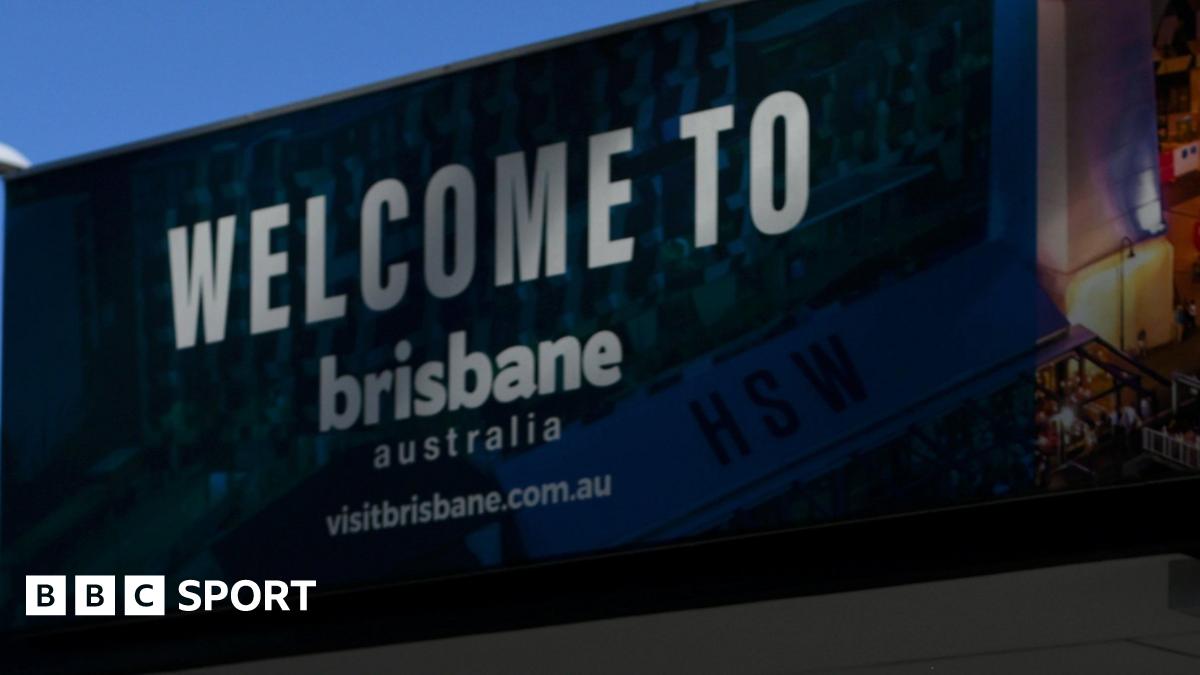
Ashes Tension Spills Over on the Journey from Brisbane to Adelaide
According to reports from Australian TV network Seven, a member of the England backroom staff was involved in a physical confrontation at Brisbane Airport on Saturday afternoon as the squad travelled to Adelaide. While full details continue to emerge, the timing could hardly be more dramatic: the Ashes are already emotionally charged, and any hint of off-field controversy adds another layer to an already combustible rivalry.
The Ashes Backdrop: Intensity, History and High Stakes
The Ashes has never been just another Test series. England and Australia carry decades of history, needle and narrative into every contest, and every tour down under magnifies the scrutiny on players, coaches and staff. Airports, hotels and training grounds can feel as pressurised as the middle out in the middle at the Gabba or Adelaide Oval.
With both teams jostling for control early in the series and the media spotlight white-hot in both countries, even relatively minor flashpoints can be amplified. That’s the environment in which this reported Brisbane Airport confrontation has exploded into the headlines.
- Historic rivalry: over a century of Ashes series fuel emotional investment on both sides.
- Media scrutiny: 24/7 coverage in Australia and England intensifies every storyline.
- Travel fatigue: long-haul flights, tight schedules and biosecurity demands add stress.
What Channel 7 Claims Happened at Brisbane Airport
Seven’s allegation centres on an interaction involving one of its camera operators and a member of the England touring party. While precise footage has not been fully aired or independently verified at the time of writing, the network has suggested that a physical element went beyond a simple verbal dispute over filming angles or privacy.
In broad terms, these kinds of flashpoints usually follow a familiar pattern:
- Broadcast crew positions to film players or staff in a public space such as an airport.
- A team member objects, citing intrusion, safety or agreed media protocols.
- Verbal exchanges escalate, occasionally spilling into physical contact.
What elevates this incident is that it has occurred in the white heat of an Ashes tour, with cameras rolling and both national fanbases primed to interpret events through the lens of rivalry.
“There was clearly a confrontation, and we’ll be seeking clarification from the England camp,” a Channel 7 representative was quoted as saying on local bulletins.
England Camp, Broadcasters and Officials: Early Reactions
As of the latest updates, England’s management have sought to downplay the drama publicly, with brief comments suggesting any dispute was minor and quickly resolved. Behind the scenes, it would be standard practice for team security, media managers and Cricket Australia liaisons to compare notes with the broadcaster and local authorities if necessary.
Although official written statements are still being refined, the likely lines of response are straightforward:
- England management: Emphasise respect for media duties while defending staff from accusations they see as exaggerated.
- Channel 7: Assert the right to cover a marquee series, framing any interference as unacceptable behaviour.
- Cricket authorities: Look to de-escalate, encouraging both sides to resolve matters privately and keep focus on the cricket.
“Touring parties are under enormous pressure, but there’s an expectation of professionalism from everyone involved – players, staff and broadcasters alike,” one former international captain told local radio, urging calm on all sides.
Media Access vs Player Privacy: A Fine Ashes Line
This episode taps into a broader, ongoing debate in elite sport: where should the line be drawn between legitimate media access and the personal space of athletes and staff? In a series as commercially important as the Ashes, broadcasters pay heavily for rights and expect compelling content. Teams, on the other hand, seek to protect their people from constant intrusion.
Typical points of friction include:
- Public space filming: Airports and hotels are technically public, but teams see them as extensions of the touring bubble.
- Live shots and ambush interviews: TV crews often push for raw, unfiltered reactions, which can feel confrontational.
- Security protocols: Team security may restrict camera proximity for safety reasons, especially in crowded terminals.
For fans, it can be easy to see this only through tribal colours – England versus Australia, “their” media versus “our” team. Yet the core issue is a structural one that transcends national rivalry: elite sport is still negotiating how much access is too much in a hyper-connected era.
Pressure by the Numbers: Travel, Schedules and Ashes Intensity
While a single confrontation can hinge on personalities and split-second judgments, the broader workload on an Ashes touring party is measurable. Packed itineraries, multiple time zones and relentless media commitments contribute to a combustible environment.
| Metric | Typical Ashes Tour (Australia) | Potential Impact on Squad |
|---|---|---|
| Total travel distance | 20,000–25,000 km including internal flights | Cumulative fatigue, disrupted sleep cycles |
| Time zones crossed (UK to Aus) | 8–11 hours difference | Jet lag, irritability, slower emotional regulation |
| Media obligations per Test week | Dozens of interviews, pressers and mixed-zone hits | Reduced privacy, increased mental load |
| Match days vs travel/rest days | 5 Test days, 1–2 travel days, limited downtime | Limited decompression time between high-pressure events |
None of this justifies unprofessional behaviour, but it does explain why tempers can fray at seemingly innocuous flashpoints like an airport escalator or a camera being thrust a little too close.

Behind the Headlines: The Human Side of an Ashes Flashpoint
Away from the shorthand of “England versus Channel 7”, this story is also about people under strain. Backroom staff often operate in the shadows of star names like Joe Root, Ben Stokes, Pat Cummins or Steve Smith, yet they shoulder intense responsibility – logistics, data, security, wellbeing – with little margin for error and almost no public recognition.
In that context, a staff member stepping in front of a camera, misreading intent or reacting a beat too quickly is a human response, if not always a wise one. Broadcasters, too, rely on camera crews and producers who are simply trying to do their jobs in tight time windows and crowded environments.
“When you strip away the badges, it’s just people trying to perform under pressure. The rivalry is real, but so are the human limits,” a former England team psychologist once remarked about touring life in Australia.

Will the Airport Incident Affect England’s Ashes Performance?
On the field, this confrontation is unlikely to dictate who lifts the urn, but it can subtly influence the psychological tone within the England camp. How the team processes and parks the episode will matter more than the incident itself.
- Potential negatives for England: Extra media noise, questions at press conferences, and a narrative of distraction.
- Potential positives: A siege mentality sometimes sharpens focus, creating an “us against the world” edge that can fuel performance.
- For Australia: The story can become another tool in the wider battle of mind-games and public pressure.
From a tactical standpoint, coaches will be desperate to shield players from the fallout. That means limiting public comment, dealing directly with broadcasters and redirecting the conversation towards batting plans, bowling workloads and selection calls for Adelaide’s day-night Test.
What Comes Next: Clarification, Codes of Conduct and Fan Perspective
Over the coming days, three developments are worth watching for engaged fans:
- Formal statements: Expect more detailed comments from England, Channel 7 and possibly Cricket Australia once internal reviews are completed.
- Protocol reviews: Touring guidelines for airport and hotel access may be tightened, clarifying where cameras can and cannot operate.
- Narrative shift: As the next Test begins, media attention is likely to swing back to swing bowls, batting collapses and tactical calls.
For supporters, this is a reminder that the Ashes story is written not just in cover drives and bouncers, but in every pressure point along the way – including a tense moment on an airport concourse thousands of kilometres from home.
The key question now is simple: will this confrontation fade into a footnote of the 2025–26 Ashes, or become a defining flashpoint in a series already rich with drama? As ever with England versus Australia, the next chapter will be written out in the middle.
For official updates and series details, supporters can follow the England and Wales Cricket Board (ECB), Cricket Australia and ESPNcricinfo’s Ashes coverage.
