
7-Day High-Protein Mediterranean Meal Plan: Dietitian-Approved Guide for 90+ Grams of Protein a Day
If you love the fresh, vibrant flavors of the Mediterranean diet but worry it won’t give you enough protein, this 7-day high-protein Mediterranean meal plan is for you. Designed with a dietitian’s eye, it blends heart-healthy olive oil, whole grains, veggies and legumes with lean protein sources so you can hit at least 90 grams of protein per day—without living on plain chicken breast.
You’ll find three calorie levels to mix and match, simple meal-prep strategies, and realistic options for busy weekdays. The goal isn’t perfection; it’s a sustainable, satisfying way of eating that supports energy, muscle maintenance, and long-term heart health.
:max_bytes(150000):strip_icc()/7-Day-High-Protein-Mediterranean-Diet-Meal-Plan-Created-by-a-Dietitian-db620bb9aa584c4884cc4d3fe13b69be.jpg)
Why Combine a High-Protein Approach with the Mediterranean Diet?
The Mediterranean diet is consistently linked with lower risks of heart disease, type 2 diabetes, and overall mortality, largely thanks to its emphasis on whole, minimally processed foods, olive oil, fish, nuts, and vegetables. At the same time, research over the last decade suggests that higher protein intakes—especially when spread throughout the day—can help:
- Support muscle maintenance and recovery, especially as we age
- Improve satiety, making it easier to manage hunger and maintain a healthy weight
- Stabilize blood sugar when paired with fiber and healthy fats
“Most adults do better aiming for around 20–30 grams of protein per meal, rather than loading it all at dinner. A Mediterranean pattern makes this easier by weaving in fish, beans, yogurt, eggs and nuts across the day.” – Registered Dietitian, clinical nutrition practice
The challenge is that traditional Mediterranean-style menus can sometimes be lighter on total protein, especially if you’re active or trying to preserve muscle mass. This 7-day plan solves that by layering in high-protein Mediterranean foods while keeping the core principles intact.
How This 7-Day High-Protein Mediterranean Meal Plan Works
This dietitian-created plan is built around three calorie “tiers” so you can adjust portions to your needs while still averaging at least 90 grams of protein per day.
- Approx. 1,500 calories/day: For smaller, less active adults or gentle weight loss.
- Approx. 1,800 calories/day: A moderate option that fits many active adults.
- Approx. 2,100 calories/day: For more active individuals, taller/larger bodies, or those maintaining weight.
Each day includes:
- 3 protein-rich meals (20–35 g protein each)
- 1–2 smart snacks to close the protein gap
- Mostly Mediterranean staples—olive oil, fish, beans, whole grains, nuts, seeds, yogurt and loads of produce
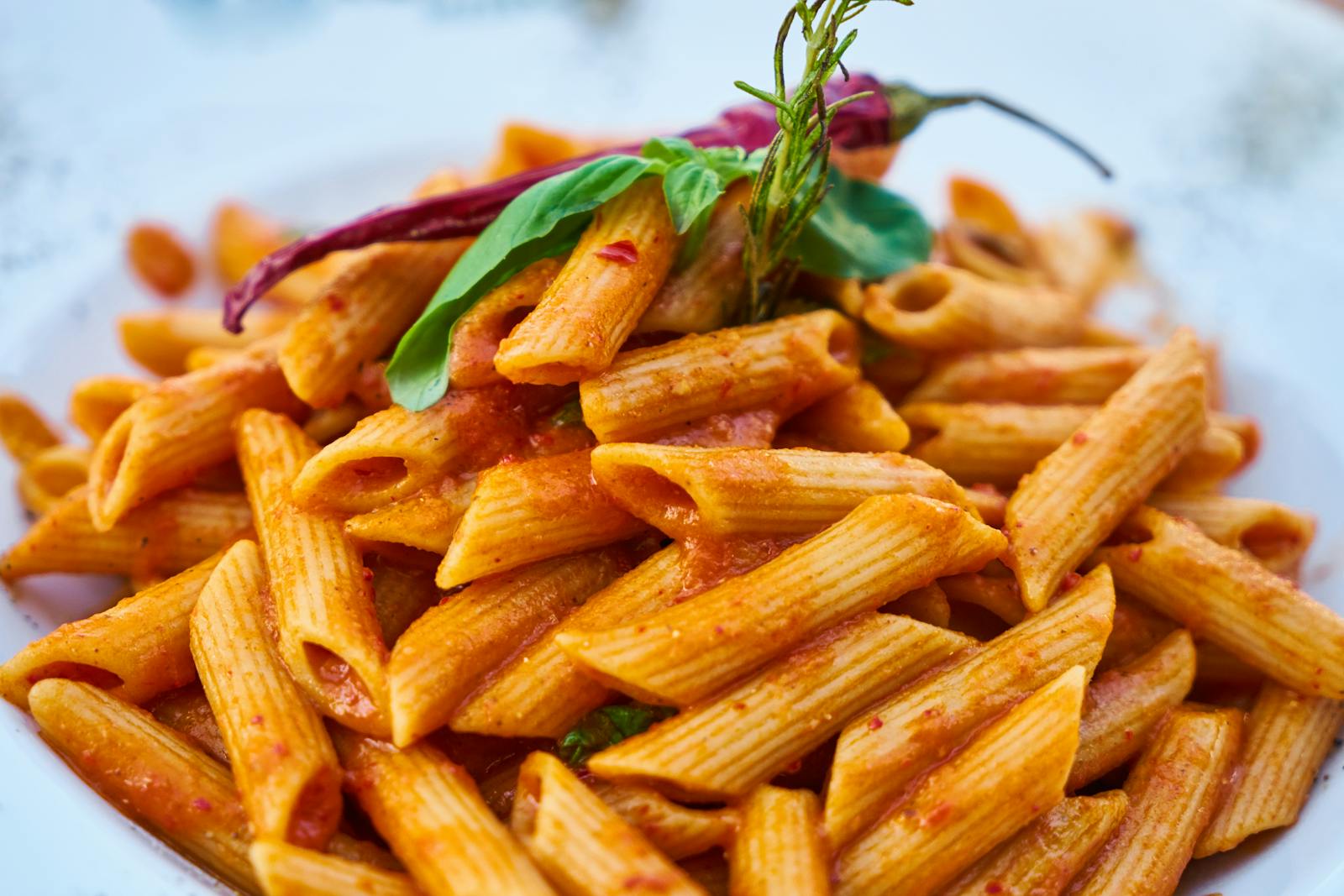
Key High-Protein Mediterranean Foods in This Plan
Rather than relying on protein powders or highly processed products, this plan uses mostly whole foods that fit naturally within the Mediterranean diet.
- Fatty fish (salmon, sardines, mackerel)
- Lean white fish (cod, haddock, tilapia)
- Shellfish (shrimp, mussels)
- Poultry (chicken, turkey)
- Eggs and egg whites
- Greek yogurt and kefir (unsweetened)
- Cheese in modest portions (feta, ricotta, Parmesan)
- Legumes (chickpeas, lentils, beans)
- Soy foods (edamame, tofu) where culturally appropriate
- Nuts and seeds (almonds, walnuts, pistachios, chia)
- Whole grains (farro, barley, quinoa, oats) as supporting players
These are paired with vegetables, fruits, olive oil, and herbs to keep the overall pattern recognizably Mediterranean—just with a satisfying protein boost.
7-Day High-Protein Mediterranean Meal Plan (Sample)
Below is a sample week designed to reach roughly 90–110 grams of protein daily at the mid-calorie level (~1,800 calories). To adjust:
- For ~1,500 calories: Skip one snack and slightly reduce oil, nuts, or grain portions.
- For ~2,100 calories: Add 1 extra snack (10–15 g protein) and modestly increase grain or healthy fat portions at meals.
Day 1: Kickstart with Classic Flavors
- Breakfast (~25 g protein): Greek yogurt bowl with 1 cup plain 2% Greek yogurt, ¼ cup granola, ½ cup mixed berries, 1 Tbsp chopped walnuts, drizzle of honey.
- Snack (~10 g): 1 small apple + 2 Tbsp natural peanut or almond butter.
- Lunch (~30 g): Mediterranean chickpea & tuna salad: 1 can light tuna in water, ½ cup chickpeas, cherry tomatoes, cucumber, olives, arugula, 1 Tbsp olive oil, lemon, herbs.
- Snack (~10 g): ½ cup edamame (shelled) with sea salt.
- Dinner (~25–30 g): Baked salmon (4–5 oz) with roasted broccoli and ½ cup cooked quinoa tossed with parsley and olive oil.
Day 2: Plant-Forward with Fish
- Breakfast (~23 g): Vegetable omelet made with 2 whole eggs + 2 egg whites, spinach, tomatoes, onions, and 1 oz feta; 1 slice whole-grain toast with olive oil.
- Snack (~10 g): ¾ cup low-fat kefir or drinkable yogurt.
- Lunch (~25–28 g): Lentil and farro bowl: ¾ cup cooked lentils, ½ cup farro, roasted carrots, red peppers, tahini-lemon drizzle.
- Snack (~10–12 g): ¼ cup mixed nuts (almonds, pistachios, walnuts).
- Dinner (~25–30 g): Grilled cod (4–5 oz) with ratatouille-style vegetables and a small baked potato topped with olive oil and herbs.
Day 3: Comfort Bowls and One-Pan Dinner
- Breakfast (~25 g): High-protein overnight oats: ½ cup oats, ½ cup Greek yogurt, ½ cup milk or fortified plant milk, chia seeds, cinnamon, berries.
- Snack (~12 g): 1 oz cheese (like Manchego or part-skim mozzarella) + 1 pear.
- Lunch (~25–28 g): Mediterranean chicken pita: 3–4 oz grilled chicken, whole-wheat pita, hummus, tomato, cucumber, lettuce, tzatziki.
- Snack (~10 g): Carrot and bell pepper sticks with ¼ cup hummus.
- Dinner (~25–30 g): One-pan shrimp & veggie bake: 4–5 oz shrimp roasted with zucchini, cherry tomatoes, garlic and olive oil; serve over ½ cup cooked barley.
Day 4: Legume-Rich and Satisfying
- Breakfast (~22–25 g): Smoothie with ¾ cup Greek yogurt, ½ frozen banana, ½ cup berries, spinach, and 1 Tbsp ground flax; add 2–3 Tbsp oats if needed for extra energy.
- Snack (~10–12 g): ½ cup roasted chickpeas with spices.
- Lunch (~25–28 g): Lentil soup (1½ cups) with a side salad dressed in olive oil and vinegar; 1 slice whole-grain bread.
- Snack (~10 g): 2 Tbsp pumpkin seeds + a clementine.
- Dinner (~25–30 g): Turkey meatballs (4–5 small) simmered in tomato sauce, served over 1 cup spiralized zucchini and ½ cup whole-wheat pasta, topped with a sprinkle of Parmesan.
Day 5: Quick Meals for Busy Days
- Breakfast (~23 g): 2 scrambled eggs + 2 egg whites with tomatoes and herbs; 1 small avocado toast on whole-grain bread.
- Snack (~10–12 g): 5–6 oz plain skyr or Greek yogurt with cinnamon.
- Lunch (~25–27 g): Sardine toast: 1 can sardines in olive oil mashed with lemon and parsley on 2 slices whole-grain bread, topped with arugula.
- Snack (~8–10 g): A small handful of almonds and a few dried apricots.
- Dinner (~25–30 g): Sheet-pan chicken and vegetables: 4–5 oz chicken thighs or breasts roasted with Brussels sprouts, red onion, and sweet potato wedges.
Day 6: Brunch Vibes and Grilled Goodness
- Breakfast (~25 g): Savory yogurt bowl: 1 cup Greek yogurt topped with cherry tomatoes, cucumbers, olive oil drizzle, za’atar and 2 Tbsp toasted pine nuts; serve with 1 small whole-grain pita.
- Snack (~10 g): 1 hard-boiled egg + 1 small orange.
- Lunch (~25–28 g): Quinoa tabbouleh with grilled halloumi or grilled tofu (3–4 oz), lots of parsley, tomato, cucumber and lemon-olive oil dressing.
- Snack (~10–12 g): ¼ cup pistachios in the shell.
- Dinner (~25–30 g): Grilled salmon or trout (4–5 oz) with a big Greek salad (tomatoes, cucumbers, olives, onion, feta) and a drizzle of olive oil.
Day 7: Simple, Comforting Finish
- Breakfast (~23–25 g): Banana-nut oats: ½ cup oats cooked in milk, topped with 2 Tbsp chopped walnuts, sliced banana, and 2 Tbsp hemp seeds.
- Snack (~10 g): ½ cup cottage cheese (or thick yogurt) with sliced cucumber and olive oil.
- Lunch (~25–28 g): White bean & vegetable stew (1½ cups) with kale, tomatoes, and herbs, plus 1 slice crusty whole-grain bread.
- Snack (~10–12 g): 1 small latte made with milk or fortified soy milk + a few almonds.
- Dinner (~25–30 g): Baked chicken thighs (4–5 oz) with roasted eggplant, peppers, and onions, drizzled with tahini-lemon sauce; serve with ½ cup cooked brown rice or bulgur.
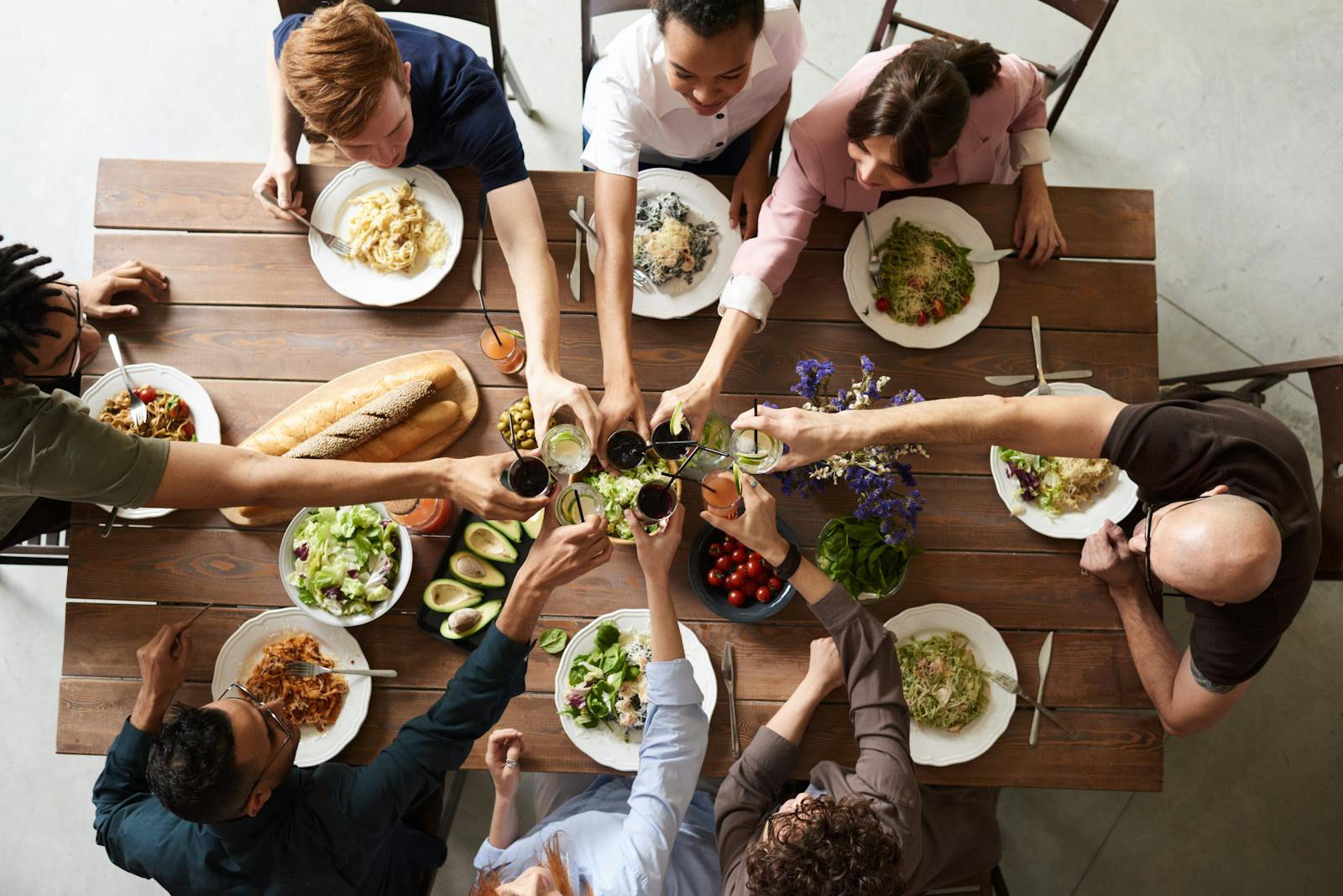
Smart Meal-Prep Tips to Hit 90+ Grams of Protein Easily
A bit of strategic prep turns this plan from “inspiring” to “actually doable.” Here’s how to set yourself up for the week.
- Batch-cook 2 proteins.
Grill or bake a tray of chicken breasts/thighs and a batch of salmon or tofu on day one. Store in airtight containers for 3–4 days and freeze extras. - Make a big pot of legumes.
Cook 2–3 cups dry lentils or beans, or rinse and portion canned beans into containers. Season simply with olive oil, garlic, and lemon. - Prep a grain base.
Cook a pot of quinoa, farro, or brown rice. These become quick lunch bowls when you add vegetables and a protein. - Wash and chop vegetables.
Having ready-to-eat peppers, carrots, cucumbers and greens makes it much more likely you’ll fill half your plate with plants at each meal. - Pre-portion snacks.
Portion nuts, roasted chickpeas, and yogurt servings so grabbing a 10 g protein snack is effortless.
Case study: One of my clients, a busy teacher, moved from skipping lunch to following a high-protein Mediterranean-style plan like this. By cooking a tray of salmon and a pot of lentils on Sunday, she reported steadier energy, fewer afternoon cravings and more consistent gym visits—without tracking every bite.
Common Obstacles & How to Overcome Them
Changing how you eat—even toward something as flexible as the Mediterranean diet—can feel overwhelming. These are some of the most common hurdles people share, plus realistic solutions.
“I don’t have time to cook elaborate meals.”
Focus on one-pan or sheet-pan recipes and repeat meals you enjoy. It’s perfectly fine to have the same high-protein breakfast most days or rotate between 2–3 simple lunches.
“High-protein foods feel expensive.”
- Lean on eggs, canned beans, lentils, and canned fish like tuna or sardines—these are cost-effective and very Mediterranean.
- Buy plain yogurt in larger tubs instead of single servings.
- Use nuts and seeds as accents rather than the main protein, to keep costs down.
“I get bored eating the same foods.”
Keep the structure the same—protein + plants + healthy fat—but switch the flavors:
- Use different herbs and spices (oregano, za’atar, cumin, smoked paprika).
- Alternate between fish, poultry and legumes across the week.
- Try new vegetables or grain bases each shopping trip.
What the Research Says About High-Protein Mediterranean Eating
A growing body of evidence supports both the Mediterranean dietary pattern and a moderate increase in protein intake for many adults.
- Mediterranean diet & heart health: Large studies and randomized trials have linked a Mediterranean-style diet with reduced cardiovascular events and improved metabolic health.
- Protein & muscle preservation: Reviews suggest intakes around 1.2–1.6 g/kg/day can better support muscle mass and function in adults compared to lower intakes, especially alongside resistance training.
- Satiety & weight management: Higher-protein patterns often improve fullness and may help some people manage calorie intake more comfortably—especially when protein is spread across meals.
That said, more isn’t always better. Very high protein intakes may not be appropriate for everyone, particularly people with reduced kidney function or certain medical conditions. It’s always wise to align your protein goals with guidance from your healthcare team.
A “Before and After” You Can Feel—Not Just See
The most meaningful “before and after” changes from a high-protein Mediterranean plan often show up in how you feel day to day—energy, mood, and hunger—rather than dramatic aesthetic transformations.
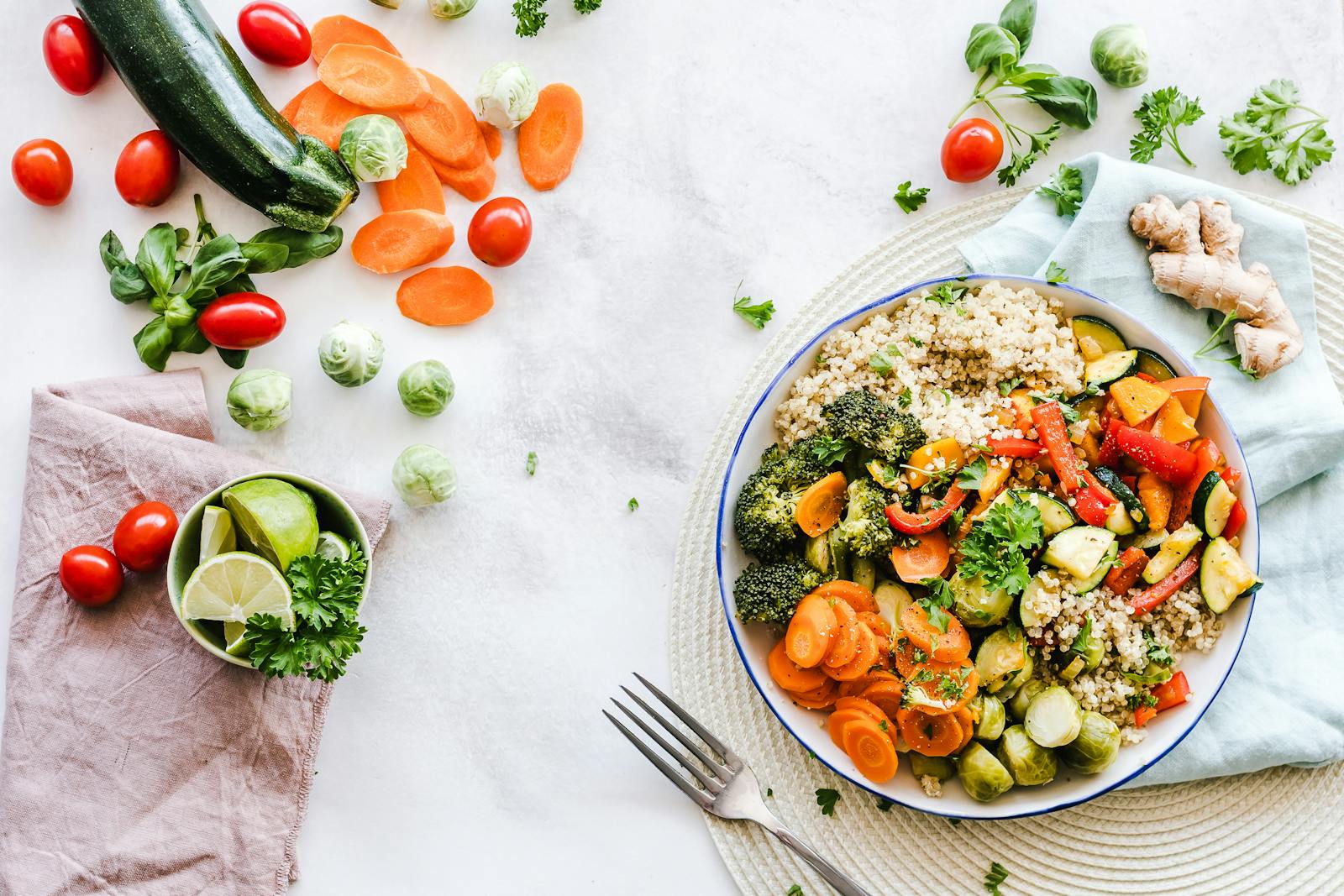
Many people notice:
- More stable energy between meals
- Less intense sugar cravings in the afternoon or evening
- Better satisfaction after meals, making “mindless nibbling” less frequent
- Improved performance in workouts, especially when strength training
These changes don’t happen overnight—but over a few weeks of consistent eating, they often become clear.
Bringing It All Together: Your Next Steps
A high-protein Mediterranean diet doesn’t need to be perfect, and it doesn’t require an overhaul of everything you eat. Progress comes from small, repeatable shifts that fit your life.
- Choose your starting calorie tier (approx. 1,500, 1,800 or 2,100) based on your size, activity, and hunger.
- Pick 2–3 breakfasts and 3–4 lunches from the sample week that you’re excited to try.
- Do a mini meal-prep session: cook 1 protein, 1 legume and 1 grain for the next 3 days.
- Commit to 20–30 g protein at breakfast each day this week and notice how your energy feels.
You don’t have to follow this 7-day high-protein Mediterranean meal plan perfectly to benefit. Even adopting the structure—protein at each meal, plenty of plants, olive oil instead of butter, and fewer ultra-processed foods—can move you meaningfully closer to better health.
If you’d like more personalized guidance, consider meeting with a registered dietitian who can tailor protein targets and Mediterranean-style meals to your medical history, culture, preferences, and budget.
