
5 Hidden Vitamin Deficiencies That Secretly Sabotage Your Hair Growth (And What To Eat Instead)
Why Your Hair May Be Breaking Before It Can Grow
If your hairbrush is full, your ponytail feels thinner, or your growth seems “stuck,” it’s easy to blame genetics or stress alone. But many common hair problems are not purely hereditary. Your daily diet quietly shapes how strong, thick, and resilient your hair can be.
Research shows that specific vitamin deficiencies are linked to poor hair growth, increased shedding, and brittle strands. The good news: you often don’t need expensive products or extreme diets. In many cases, gently correcting these nutrient gaps with food can support healthier hair over time—without promising overnight miracles.
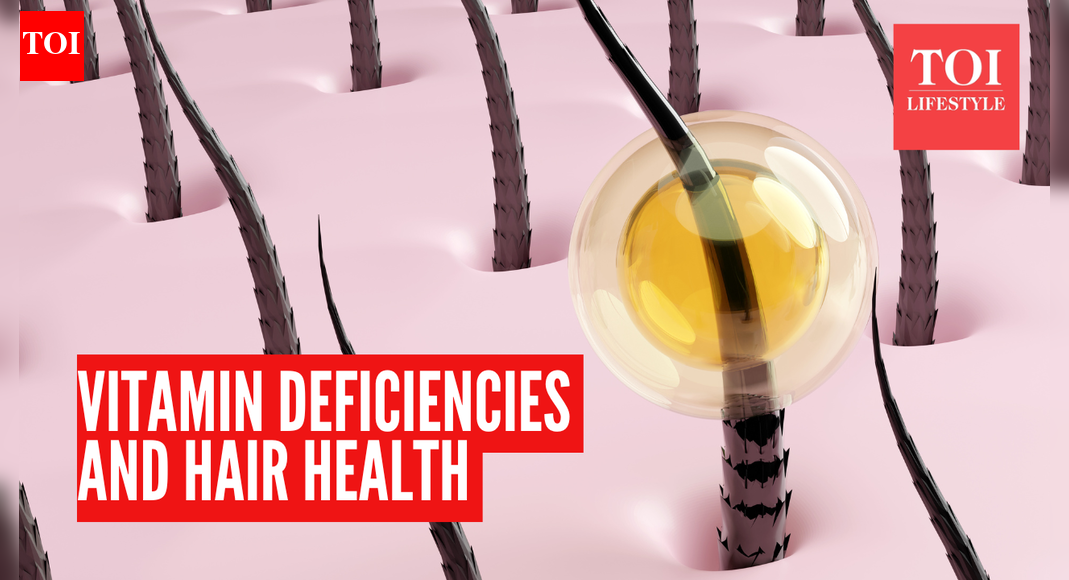
Below, we’ll walk through five vitamin deficiencies most commonly associated with poor hair growth and the food sources that can help. You’ll also see what science actually says, where evidence is still emerging, and simple steps you can start today.
The Hidden Link Between Nutrition and Hair Growth
Hair follicles are among the fastest-growing cells in your body. That also makes them sensitive: when your body senses nutrient shortages, it prioritizes vital organs over hair, skin, and nails. The result can be:
- Slower hair growth
- Excess shedding or diffuse thinning
- Dry, brittle, or “straw-like” hair
- Difficulty growing hair past a certain length
Not every case of hair loss is caused by vitamin deficiency, but correcting genuine deficits is a foundational step for healthier hair and more effective treatment overall.
“Hair follicle matrix cells are some of the most rapidly dividing cells in the body, and nutritional deficiency can impact hair structure and growth.”
— Review in Dermatology and Therapy
1. Vitamin D Deficiency and Weak Hair Growth
Vitamin D is involved in hair follicle cycling—the process by which hair grows, rests, and sheds. Low vitamin D levels have been observed in people with various hair loss conditions, including telogen effluvium and some types of alopecia.

What science says
Several studies report lower serum vitamin D in people with hair thinning compared to control groups. While this doesn’t prove that vitamin D alone causes hair loss, maintaining adequate levels is considered supportive for overall hair follicle health.
Food sources of vitamin D
- Fatty fish (salmon, mackerel, sardines)
- Egg yolks
- Fortified milk, yogurt, and plant milks (check labels)
- Fortified breakfast cereals
- Mushrooms exposed to UV light
How to put it into practice
- Include a vitamin D–rich food (like eggs or fortified yogurt) in breakfast most days.
- Talk to your doctor before taking any high-dose vitamin D supplement.
- Combine nutrition with 10–20 minutes of safe morning sun exposure, depending on your skin type and local UV index.
2. B-Group Vitamins (Biotin, B12, and Folate/B9)
B vitamins help your body turn food into energy, support red blood cell production, and assist in cell growth and repair—all crucial for hair follicles that are constantly renewing.
Biotin (Vitamin B7)
Biotin is heavily marketed for hair growth. In reality, severe biotin deficiency is rare, and most people get enough from a varied diet. When deficiency does occur (for example, from long-term raw egg white consumption or certain genetic conditions), hair thinning and brittle nails can appear.
Biotin-rich foods include:
- Eggs (cooked)
- Nuts and seeds (almonds, sunflower seeds, walnuts)
- Legumes (lentils, chickpeas)
- Sweet potatoes
- Whole grains
Vitamin B12
B12 deficiency can impair red blood cell formation, reducing oxygen delivery to the scalp. This may contribute to hair thinning, especially in people with anemia.
B12 sources:
- Fish and shellfish
- Meat and poultry
- Dairy products
- Fortified plant milks and nutritional yeast (for vegetarians and vegans)
Folate (Vitamin B9) and Hair Growth
Folate supports DNA synthesis and cell repair, including in rapidly dividing hair follicle cells. According to Healthline and other reviews, research directly proving folic acid as a hair-growth “treatment” is still limited. One 2017 study of 52 adults found altered folate levels in some people with hair loss, but it didn’t confirm that taking folic acid alone leads to regrowth.
“Research establishing folic acid as a hair-growth method is minimal… correcting a folate deficiency may help improve hair health as part of overall nutrition.”
— Summary based on Healthline’s review of the evidence
Folate-rich foods:
- Dark leafy greens (spinach, kale, mustard greens)
- Lentils, beans, and chickpeas
- Asparagus and Brussels sprouts
- Citrus fruits and avocado
- Fortified grains and cereals
Practical daily approach
- Build your lunch or dinner around at least one leafy green and one legume a day.
- If you’re vegetarian or vegan, ask your doctor about B12 testing and whether you need a supplement.
- Aim for a handful of nuts or seeds as a snack most days to cover biotin and other B vitamins.
3. Vitamin A: Too Little (or Too Much) Can Affect Hair
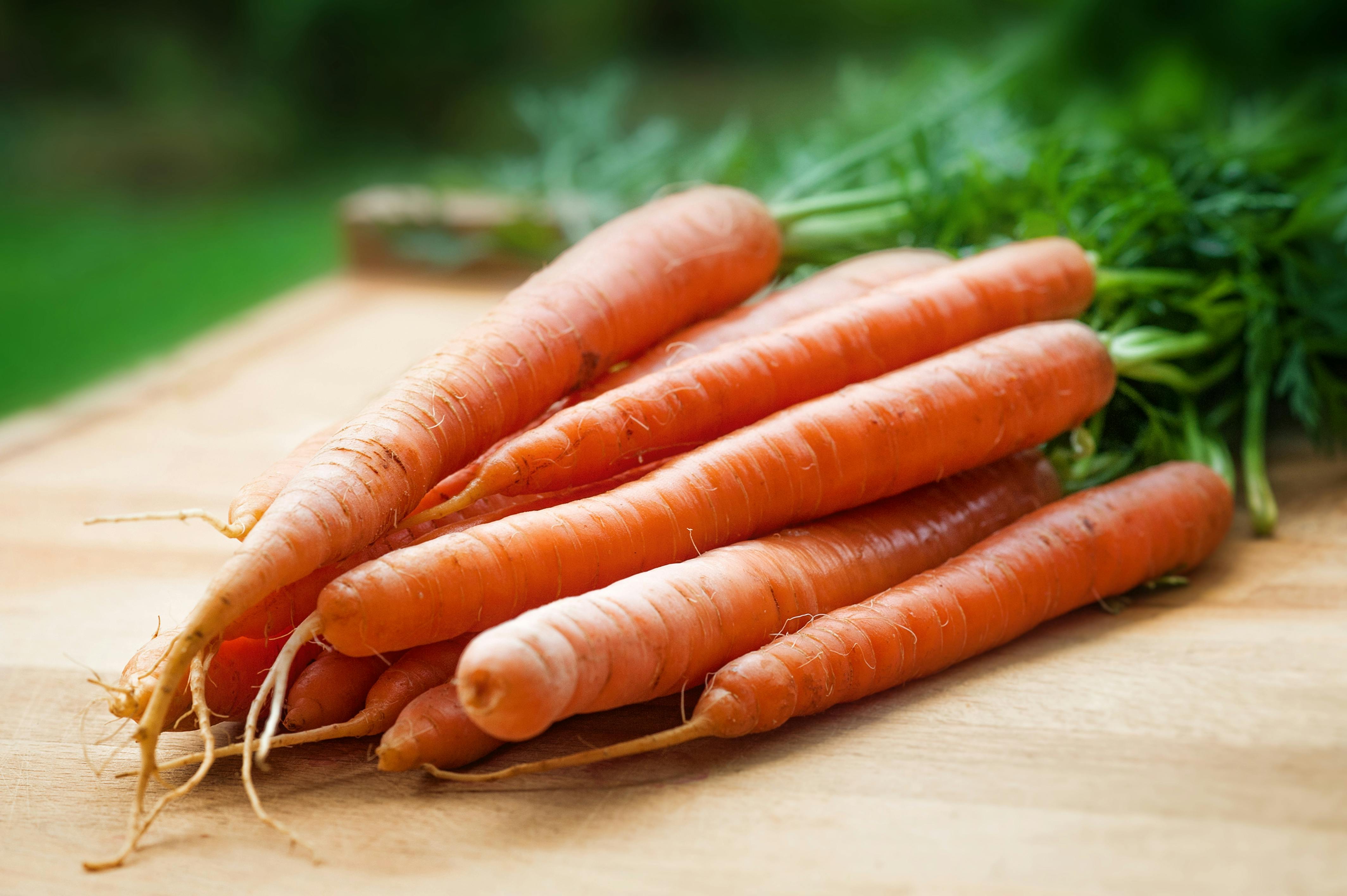
Vitamin A helps skin glands produce sebum, the natural oil that moisturizes the scalp and keeps hair from becoming overly dry. Deficiency can cause dry hair and scalp—but excess vitamin A from supplements has been associated with hair loss.
Vitamin A–rich foods (hair-friendly sources)
- Sweet potatoes
- Carrots and pumpkin
- Spinach, kale, and other leafy greens
- Mangoes, apricots, and cantaloupe
- Small amounts from eggs and dairy
How to use vitamin A safely for hair health
- Fill half your plate with colorful vegetables at lunch and dinner.
- Use a variety of orange and dark green produce across the week.
- Only supplement with vitamin A if prescribed after a confirmed deficiency.
4. Vitamin E and Oxidative Stress on Hair Follicles
Vitamin E is a fat-soluble antioxidant that helps protect cell membranes from oxidative damage. Oxidative stress is thought to play a role in hair aging and some hair loss patterns.
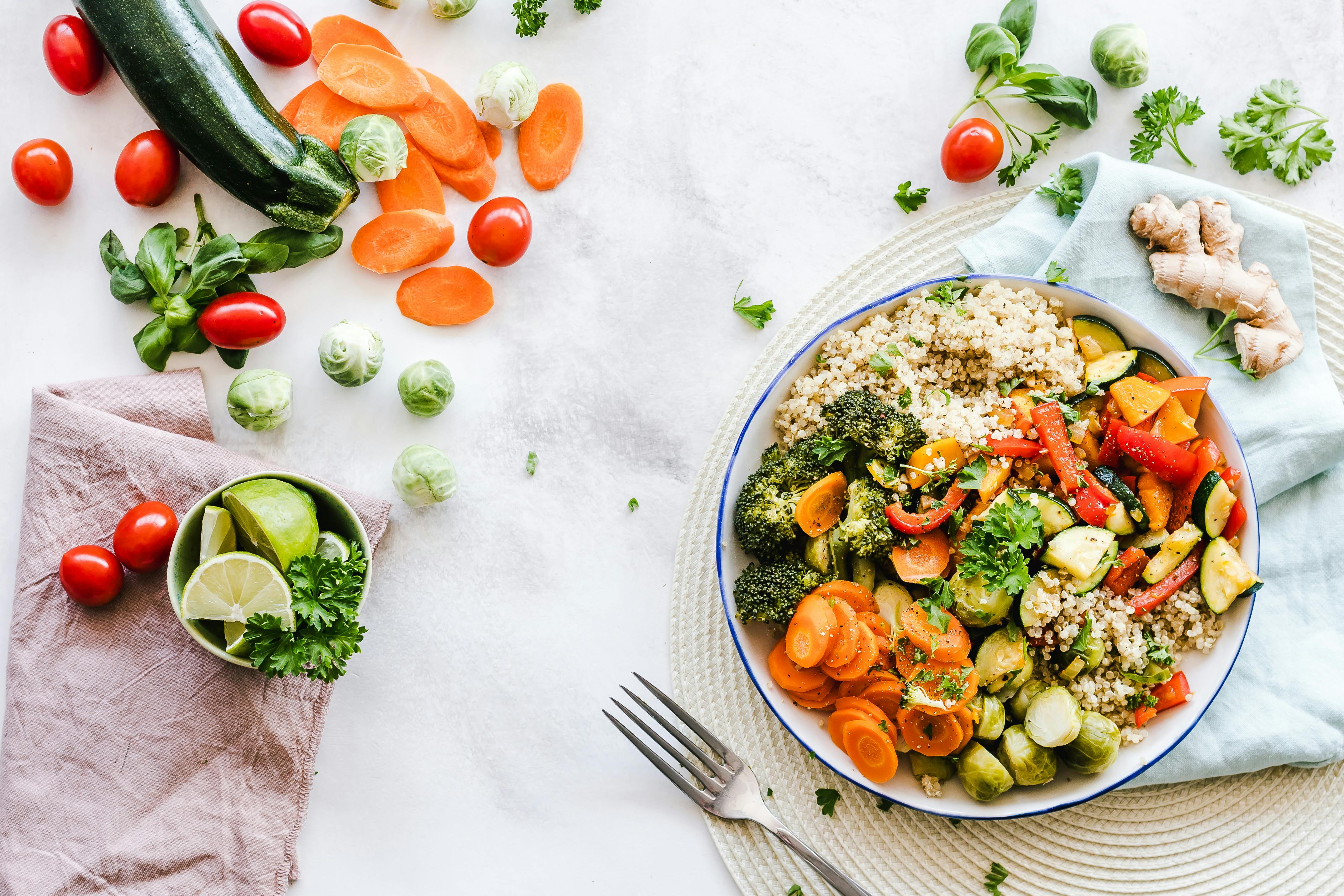
Vitamin E–rich foods
- Almonds, hazelnuts, and peanuts
- Sunflower and pumpkin seeds
- Sunflower, wheat germ, and avocado oils (in moderation)
- Avocado
- Spinach and broccoli
How vitamin E fits into a hair-healthy diet
One small study suggested that vitamin E supplementation improved hair count in people with hair loss, but the sample was limited, and more research is needed. Relying on whole foods rich in vitamin E (rather than Mega-dose supplements) is a safer, sustainable approach.
- Top salads or oatmeal with 1–2 tablespoons of mixed nuts and seeds.
- Include leafy greens several times a week, cooked with a small amount of healthy oil to aid absorption.
- Discuss any vitamin E supplementation with your doctor if you’re on blood thinners, as high doses can affect clotting.
5. Vitamin C: Collagen Support and Better Iron Absorption
Vitamin C is crucial for collagen synthesis—a key structural protein in hair and skin—and acts as an antioxidant. It also improves non-heme iron absorption from plant foods, indirectly supporting hair growth by helping prevent iron deficiency.
Vitamin C–rich foods
- Citrus fruits (oranges, lemons, grapefruit)
- Strawberries, kiwi, and guava
- Bell peppers (especially red and yellow)
- Broccoli and Brussels sprouts
- Tomatoes and tomato juice
Simple ways to boost your intake
- Add a piece of fruit rich in vitamin C to breakfast daily.
- Combine lentils or beans (iron) with bell peppers or lemon juice (vitamin C) in meals.
- Keep cut fruits or veggie sticks visible and ready-to-eat to make it easy to choose them as snacks.
Common Obstacles (and How to Overcome Them)
Knowing which vitamins matter is one thing; changing your daily routine is another. Many people struggle with:
- Busy schedules that make planning balanced meals difficult
- Restrictive diets (vegan, low-carb, weight-loss plans) that unintentionally cut out key nutrients
- Digestive conditions that affect absorption (e.g., celiac disease, IBD)
- Relying on supplements instead of improving overall dietary patterns
Practical strategies that actually fit real life
- Start with one meal: Focus on making breakfast or lunch more nutrient-dense before trying to overhaul your entire diet.
- Plan power snacks: Keep nuts, seeds, and fruit at your desk or in your bag for an easy vitamin boost.
- Batch cook: Prepare a large pot of lentil or bean-based stew on weekends and freeze in portions.
- Check with a professional: If hair loss is persistent, work with a dermatologist and a registered dietitian where possible.
Before vs. After: What Realistic Progress Looks Like
Nutritional changes usually support hair health gradually over several months, not days. Here’s a realistic comparison:

Everyone’s timeline and results are different. Age, hormones, genetics, and medical conditions all play a role. Nutrition is one powerful piece of the puzzle—but not the only one.
Your 5-Step Hair-Healthy Nutrition Checklist
To bring all of this together, here’s a simple, evidence-informed action plan you can discuss with your healthcare provider:
- Get evaluated: If you have noticeable hair loss, ask about blood tests for vitamin D, B12, folate, iron, and thyroid function.
- Build a “hair plate” most days: Include a protein source, colorful vegetables, a healthy fat, and at least one food rich in vitamins A, C, D, E, or B group.
- Prioritize whole foods over pills: Use supplements mainly to correct documented deficiencies—not as a quick fix.
- Give it time: Commit to 3–6 months of consistent dietary changes before judging your hair’s response.
- Combine with gentle hair care: Avoid harsh chemical treatments, excessive heat, and very tight hairstyles that can worsen breakage.
Bringing It All Together: Nourish Your Hair from Within
Hair growth is complex, and no single vitamin or food can guarantee thick, perfect hair. But there’s strong, growing evidence that deficiencies in key vitamins—especially D, several B vitamins, A, E, and C—can quietly undermine your hair’s potential.
By focusing on a varied, nutrient-dense diet and addressing real deficiencies with professional guidance, you give your hair the raw materials it needs to grow as well as your genetics and health will allow.
Your next step: choose one small change from this article—a vitamin D–rich breakfast, a daily serving of leafy greens, or a nuts-and-fruit snack—and start today. Consistency, not perfection, is what your hair (and the rest of your body) will thank you for.
