
48-Hour Micro-Adventures: How to Turn Any Weekend into a High-Impact Escape Near Home
Micro-Adventures in 2025: The Art of Traveling Hardly Any Distance at All ✨
Micro-adventures and 48-hour getaways close to home are redefining how we travel in 2025, turning spare weekends into affordable, high-impact escapes that deliver real rest, nature, and novelty without burning through vacation days or savings.
Search data, booking platforms, and social feeds all point the same way: more people are choosing short, repeatable trips—within a 2–3 hour radius of home—over one big annual vacation. Think last-minute cabin rentals, Friday-night train rides, sunrise hikes, and $200 weekend city breaks you can plan in under an hour.
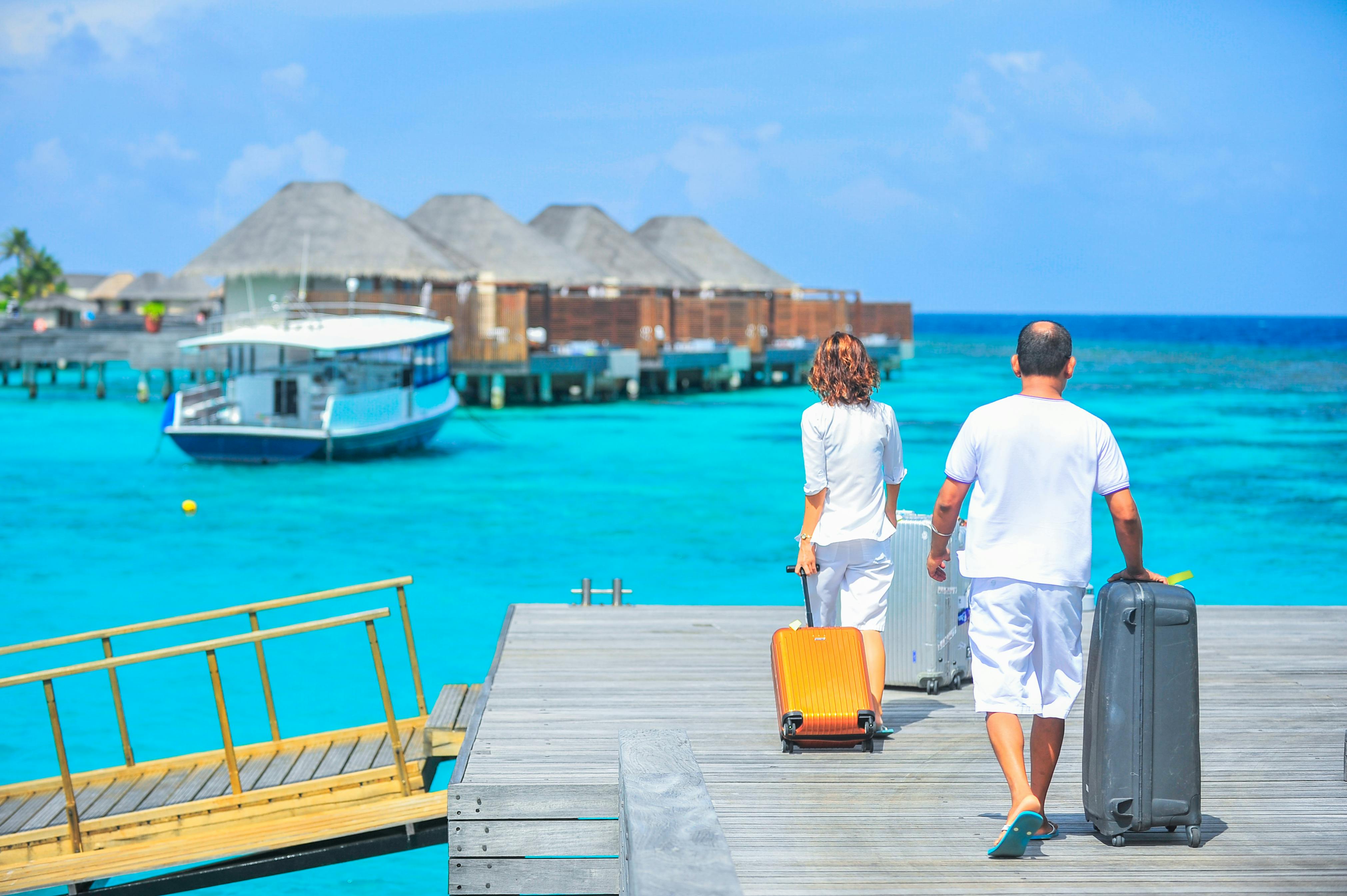
This isn’t a consolation prize for people who “can’t afford real travel.” It’s becoming its own travel category, with creators, local tourism boards, and small operators all designing for one simple question: “What can I do this weekend without getting on a plane?”
Why Micro-Adventures Are Exploding Right Now 🚀
The rise of micro-adventures in late 2025 is not accidental; it’s the outcome of overlapping pressures and desires that make short, local trips the sweet spot between reality and wanderlust.
- Economic reality: High long-haul flight prices, inflation, and currency swings make far-flung trips feel risky. Staying close cuts transport costs dramatically.
- Limited time off: Between return-to-office policies, gig work, and caregiving, many travelers can’t disappear for 2–3 weeks—but they can protect one weekend a month.
- Urban burnout: People living in dense cities are craving quick access to lakes, forests, and fresh air without the logistics of a full-blown expedition.
- Algorithm-approved content: On TikTok, Instagram Reels, and YouTube Shorts, 30–90 second “weekend guide” clips perform extremely well, constantly reminding viewers, “You could do this next weekend.”
- Wellness framing: Micro-adventures are marketed as resets for mental health: low-stress, screen-light, and relationship-focused instead of bucket-list, do-everything trips.
The new travel flex is not how far you flew this year, but how often you gifted yourself a weekend that felt nothing like your week.
What People Are Actually Searching for in 2025 🔍
Search behavior in late 2025 makes the micro-adventure boom visible in real time. Across regions, queries are clustering around fast, local, and copyable trips.
Common patterns include:
- “Weekend getaway near me” and variants by region (e.g., “near Mumbai,” “near Toronto,” “near Berlin”).
- “48-hour itinerary [city]” targeting compact, punchy city breaks.
- “Last-minute cabin rental” and “hot tub cabin near [city]” for quick nature escapes.
- “No-flight travel ideas” and “train trips from [city]” to avoid airports altogether.
- “Cheap weekend trip under $200/£200/€200” aligning budgets to a single number.
Creators lean into these exact phrases in titles like “$200 Weekend in the Catskills,” “One-Night Escape from London,” or “No-Flight Adventure Ideas for Singaporeans.” The result: content that feels instantly usable, not just aspirational.
Anatomy of a 48-Hour Micro-Adventure ⏱️
While locations vary, successful micro-adventures around the world in 2025 share a similar skeleton: simple, focused, and time-aware.
- Departure window: Leave after work on Friday or early Saturday morning. The goal is to avoid eating half the trip in traffic or queues.
- Travel radius: Within 2–3 hours by car, train, or ferry. Anything beyond that starts to feel like transit, not escape.
- One anchor activity: A signature hike, hot spring soak, coastal walk, or immersive neighborhood exploration—one “headline” moment, not five.
- One standout meal: A hyped restaurant, farm-to-table dinner, neighborhood food crawl, or celebrated bakery that defines the flavor of the place.
- Simple lodging: A cabin, tiny house, glamping tent, boutique hotel, or homestay chosen for vibe and proximity, not amenities overload.
- Soft landing back home: Arrive Sunday evening with time to unpack, shower, and slide back into Monday without a travel hangover.
The magic lies in constraint: less planning, less packing, fewer decisions—more presence.
Where Micro-Adventures Are Thriving Right Now 🌍
The trend is global, but some destination types are especially tuned to the 48-hour format as of late 2025.
- Cabin belts near major cities: Forested and lakeside regions within a half-day drive of hubs like Seattle, Vancouver, Melbourne, São Paulo, Cape Town, and Stockholm.
- Secondary cities & satellite towns: Small, walkable centers one train ride away—rich in cafés, markets, and culture without big-city prices or crowds.
- Wine & farm regions: Agritourism stays, vineyard cottages, and farm-to-table retreats targeted directly at nearby urban populations.
- Hot spring & spa clusters: Thermal towns in Europe and Asia and emerging wellness lodges in North and South America, pitched as “burnout-reset weekends.”
- Coastal strips with reliable trains: Think seaside towns within a couple of hours by rail—a key draw for travelers avoiding car rentals.
The Content Loop: From 60-Second Video to Real-World Weekend 📱➡️🌲
Micro-adventures are perfectly engineered for today’s attention span: one short video, one clear plan, one short trip.
The most viral formats right now are:
- “Weekend in 30 seconds” reels: Quick cuts from city to car to hike to dinner to sunrise, with on-screen text listing exact spots.
- Map-first shots: Clips open with a map zooming from the city to a highlighted region, instantly answering “Where is this and how far?”
- Budget breakdown posts: Carousel slides detailing transport, stay, food, and activity costs under a fixed ceiling (e.g., $200 or €150).
- “Copy my itinerary” captions: Creators share timestamps, trailheads, restaurant names, even parking tips, so followers can replicate the trip almost exactly.
Algorithms reward content that is both aspirational and executable, and micro-adventures nail that balance. Viewers watch one night, then book the same cabin for the following weekend and add their own spin when they post.
Micro-Adventures as a Wellness Tool 😌
In 2025, wellness isn’t just yoga retreats and digital detox camps. It’s also the decision to step away from your usual streets for 36–48 hours.
- Reduced decision fatigue: Short trips demand fewer choices, lowering stress before you even leave.
- Built-in boundaries: Two nights mean you can’t overbook your schedule. You must prioritize rest and one or two key experiences.
- Connection over consumption: These trips are often designed around conversations, slow meals, and shared sunrises rather than checklists.
- Accessible for caregivers: Parents, pet owners, and those with family responsibilities can more easily arrange coverage for a single weekend.
You don’t need a sabbatical to feel different—you just need 48 hours when you’re not glancing at the same emails, walls, and notifications.
How Small Towns & Rural Destinations Are Responding 🏡
Local communities near major cities have noticed the surge in 48-hour visitors and are tailoring experiences specifically for them.
- Weekend-only packages: Two-night bundles that pair lodging with one signature activity—like a guided hike, wine tasting, or farm tour.
- Glamping & tiny stays: Domes, safari tents, and micro-cabins replacing or complementing traditional bed-and-breakfast offerings.
- Geo-targeted marketing: Ads and posts aimed specifically at nearby cities within a 250–300 km radius.
- Micro-influencer partnerships: Collaborations with creators whose followers primarily live in the same region—making itineraries highly actionable.
- Shoulder-season storytelling: Tourism boards emphasize “quiet-season” escapes (late autumn, early spring) to spread out weekend traffic.
For many rural economies, frequent, smaller weekend waves are proving more sustainable than sporadic high-season floods.
How to Design Your Own 48-Hour Getaway (From Anywhere) 🧭
You don’t need a ready-made reel to follow. Use this lean framework to build a micro-adventure from any city in the world.
- Draw your 3-hour circle: On a map app, mark everything reachable by car, bus, or train in under three hours. That’s your playground.
- Pick your “theme” feeling: Do you want cold water swims, long urban walks, forest silence, or food discovery? Choose one primary mood.
- Find one anchor experience: A hike, hot spring, gallery district, local festival, or food market that defines the trip.
- Choose lodging within 30 minutes of that anchor: Cabins, tiny houses, boutique hotels, or homestays that let you spend less time commuting, more time doing.
- Lock in one memorable meal: Research a local spot—famous bakery, neighborhood classic, or new chef-led restaurant—and book if needed.
- Leave 30–40% of the trip unplanned: The best micro-adventures are flexible: time for detours, swims, or an extra coffee in a place you stumble upon.
Pack Light, Travel Fast: The Micro-Adventure Kit 🎒
Packing is where many trips become stressful. Micro-adventures flip that script: the goal is a single small bag, ready to go almost every weekend.
- Daypack or small duffel that can double as a work bag on Friday.
- Layered clothing instead of bulky items, so you’re ready for changing weather.
- Comfort-first footwear that works for city wandering and light trails.
- Refillable water bottle and small snacks to avoid emergency stops.
- Offline maps & downloaded playlists to stay functional without signal.
- Mini wellness kit: earplugs, eye mask, pain reliever, and chargers.
Keeping a “go drawer” with these essentials packed means a spontaneous Friday-night decision is completely feasible.
Are Micro-Adventures More Sustainable? 🌱
While sustainability depends on specific choices, frequent nearby trips can be gentler on the planet than rare, long-haul escapes.
- No or fewer flights: Swapping multiple short-haul flights for train or car-based weekends cuts aviation-related emissions.
- Local economies first: Spending stays closer to home, supporting small operators, seasonal workers, and local growers.
- Off-season visits: If timed well, micro-adventures can help flatten high-season peaks and over-tourism in popular hubs.
The most sustainable version: choose public transport when possible, support independently owned stays and eateries, and leave nature cleaner than you found it.
The Future of Micro-Adventures: What to Watch in 2026 and Beyond 🔮
Micro-adventures are shifting from trend to infrastructure. As of late 2025, several developments hint at what’s next.
- Subscription-style escapes: Memberships offering a curated cabin or tiny house stay every quarter, often bundled with transport discounts.
- AI-assisted itineraries: Tools that build personalized 48-hour plans from your interests, weather forecasts, and transport options in seconds.
- Employer-supported micro-breaks: Companies experimenting with “wellness weekends” or travel stipends tied to short, local getaways.
- Hyper-local guides: Neighborhood-level recommendations curated by residents rather than general destination overviews.
What stays constant is the core promise: you don’t need to go far to go deep. The most transformative trip may start no further than the nearest train platform or highway on-ramp.
Your Next 48 Hours: A Simple Challenge 🗺️
Before you close this tab, open a map and draw your own 3-hour circle from home. Pick one lake, one small town, one forest edge, or one coastal stop that intrigues you—and claim a weekend in the next 60 days.
The age of saving all your curiosity for one annual trip is fading. The new rhythm of travel is small, steady, and close to home—micro-adventures that keep your sense of wonder on a weekly, not yearly, schedule.
