
48-Hour City Breaks Are the New Big Vacation: How Micro‑Getaways Are Rewiring Travel in 2025
Why 48-Hour City Breaks Are Taking Over Travel in 2025 ⏱️🌍
Micro-getaways and 48-hour city breaks are exploding in 2025 as time-poor, experience-hungry travelers swap one long annual vacation for a series of short, affordable escapes that fit between work, life, and rising costs. This guide unpacks why these tightly curated trips resonate now, how social media fuels the trend, and how to design a weekend that feels both energizing and genuinely restorative.
Instead of a single two-week blowout, travelers are stacking multiple 1–3 day trips across the year—Friday-night trains to nearby capitals, quick flights to secondary cities, or even an intentional “tourist in your own region” weekend. The mindset has shifted from saving up for someday to sprinkling micro-moments of escape throughout the calendar.
On TikTok, Instagram Reels, and YouTube Shorts, “48 hours in [city]” has become a genre, and in 2025 it’s one of the most algorithm-friendly formats in travel. Beneath the trend, though, is something deeper: a cultural pivot toward travel that’s more flexible, more local, and more compatible with hybrid work.
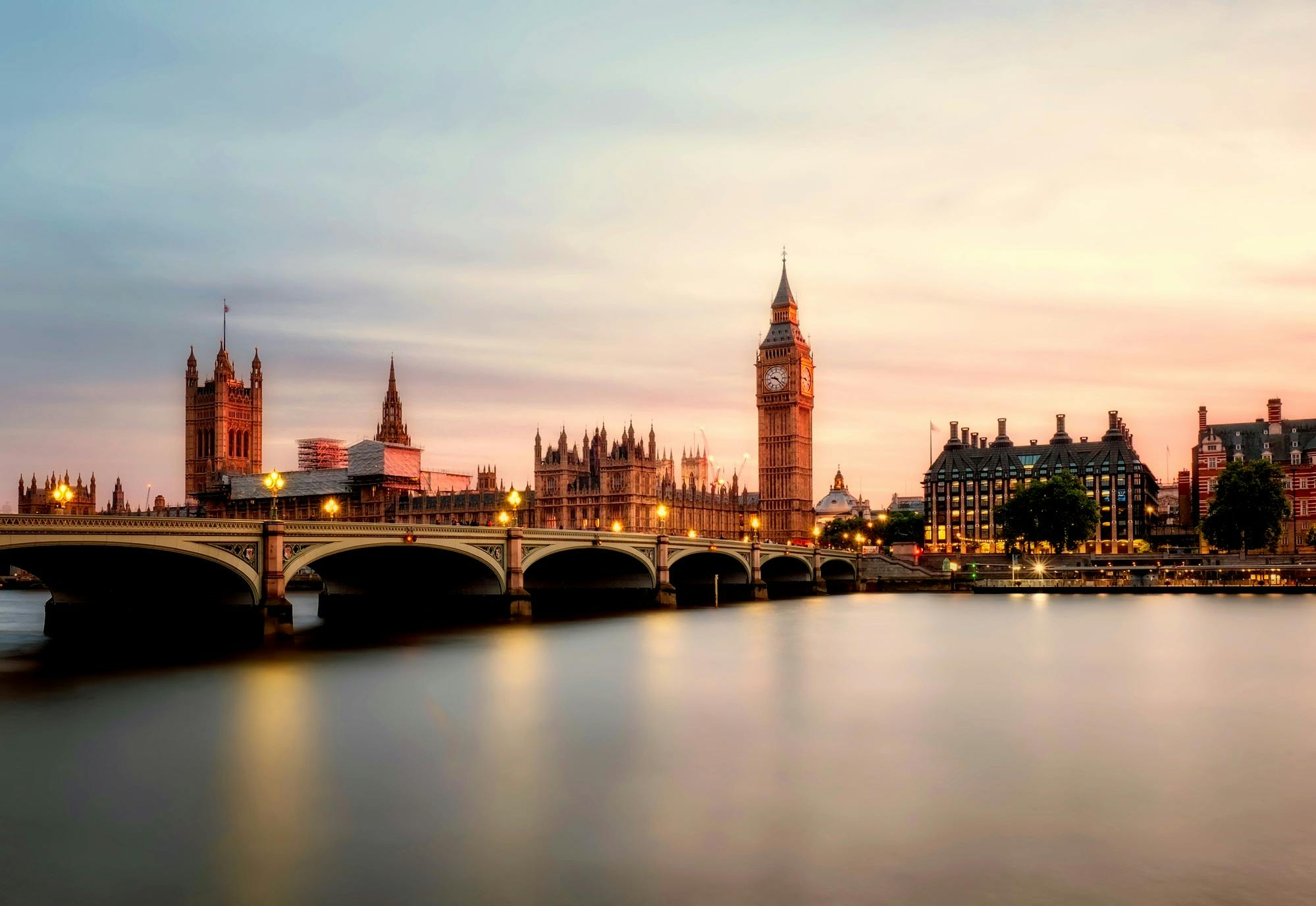
Cityscape representing a weekend micro-getaway
Why Micro‑Getaways Hit So Hard Right Now 🧠✨
The micro-getaway boom isn’t just a fad; it’s a direct response to how we live and work in 2025. Several forces are sliding into place at once:
- Time-poor, experience-hungry travelers: Many professionals are juggling hybrid schedules, side projects, and family commitments. A 2–3 day trip can slip into a calendar without a long PTO request—or the guilt of disappearing for weeks.
- Budget reality checks: Long-haul flights and hotel rates remain elevated, while regional trains, buses, and low-cost carriers still offer tactical deals. A “weekend under $300” feels attainable in a way a $3,000 long-haul does not.
- Short-form attention spans: Social feeds are packed with 30–60 second itineraries that promise “everything you need to know” about a city in two days. The format matches how people currently plan: fast, visual, and skimmable.
- Emotional ROI: Psychologically, even a short change of scene delivers a reset—new coffee shops, different streets, unfamiliar languages—even if the destination is only two hours away.
Micro-getaways essentially compress the thrill of departure, discovery, and return into one tightly edited weekend. They’re small in duration, but big in impact.
The Money Side: Why Weekend Escapes Beat One Big Trip 💸
In late 2024 and 2025, global airfare prices have nudged many travelers toward regional and domestic exploration. The math is straightforward:
- Shorter distance = smaller transport bill: Instead of a $900 long-haul, travelers piece together $60–$180 hops by rail or budget airlines.
- Two nights vs. two weeks: Accommodation costs shrink dramatically when you target just one or two peak nights and avoid extended stays in pricey downtown districts.
- Easier to “cash flow”: A weekend every couple of months feels manageable; you pay as you go rather than draining savings for one large splurge.
- Flexible deal-hunting: Flexible micro-getaways let you chase last-minute train discounts, flash hotel sales, or shoulder-season weekends.
Think of micro-getaways as a subscription to travel experiences rather than a one-off annual purchase.
On social platforms, “48 hours in X for under $300” or “Weekend in Y with only a backpack” have become subgenres of budget-conscious wanderlust, showing that meaningful escapes don’t have to be extravagant.
How Social Media Turned 48-Hour Guides Into a Travel Blueprint 📱
If you’ve opened TikTok or Instagram in 2025, you’ve likely seen the format:
- “48 Hours in Lisbon”
- “Perfect Weekend in Osaka”
- “Three Days, Three Cafés: Paris on Foot”
These short-form guides are algorithm gold: they’re easy to binge, save, and replicate. Creators compress an entire city into a sequence of tightly framed experiences—morning coffee spots, rooftop views, night markets, indie galleries, neighborhood strolls.
In 2025, BuzzSumo-style analytics continue to show strong engagement for headlines like:
- “Best 48-Hour Trips from London You Haven’t Considered Yet”
- “Weekend Getaways from LA That Feel Like Another Country”
These perform well because they promise clarity: readers know exactly how much time is required, what they’ll get out of it, and how far it sits from their home base.
The Rise of Hyper‑Curated Weekend Itineraries 🗺️
The modern 48-hour city break is less “wander and see what happens” and more “micro-scripted,” often structured almost to the hour. The time-block template that dominates blogs and feeds in 2025 looks like this:
- Friday night: Arrival, check-in, one memorable dinner, a golden-hour walk.
- Saturday morning: Specialty coffee, a signature viewpoint or landmark, maybe a guided walking tour.
- Saturday afternoon: Neighborhood exploration—markets, boutiques, street art, or a gallery trail.
- Saturday night: Headline dinner, followed by a bar, live music venue, or local nightlife.
- Sunday: Brunch, a final museum or park, and one last café before the journey home.
AI-powered tools increasingly assist in building these micro-itineraries, layering transit data, opening hours, and weather forecasts over your limited timeframe. The result: weekends that feel optimally packed without falling into chaos—if you design them well.
Themed Micro‑Getaways: Weekends With a Point 🎯
As the trend matures into 2025, travelers aren’t just asking “Where should I go?” but “What kind of weekend do I want to feel?” Themes are the new itineraries:
- Food-focused weekends 🍽️: Think 48 hours of street food tasting in Mexico City, noodle hunting in Taipei, or natural-wine bars in Prague. Reservations become the anchor; everything else orbits around meals.
- Art and museum marathons 🎨: Quick breaks centered on blockbuster exhibitions, biennales, or new contemporary spaces. Ideal in cities like Berlin, Seoul, or Chicago where galleries cluster walkably.
- Spa and wellness escapes 🧖♀️: Hot springs towns, forest retreats, or design-driven spa hotels within a few hours’ reach. The schedule is intentionally sparse: massages, mineral baths, slow breakfasts.
- Outdoor micro-adventures 🥾: One or two signature hikes, lake swims, or coastal bike rides near major urban hubs. Travelers dip into nature without committing to a full expedition.
- Culture + sport anchors 🎭⚽: A concert, a football derby, or a theater premiere doubles as the entire justification for a weekend away, with local neighborhoods filling the gaps.
By narrowing the theme, you prevent decision fatigue and ensure your brief time translates into strong memories instead of scattered experiences.
The “No‑Rush” Micro‑Getaway: Slow Travel, Short Format 🕊️
A quiet counter-movement has emerged within the weekend-break trend: travelers intentionally refusing to “do it all.” Instead of a checklist, they choose one or two anchors and leave the rest to chance.
Typical anchors in 2025 include:
- A single renowned restaurant reservation they’ve been chasing for months.
- Tickets to a concert, festival, or match that only happens that weekend.
- A particular bookshop, thermal bath, or architectural landmark they want to linger in.
Around those anchors, time stays unscheduled: wandering side streets, improvised café stops, unplanned conversations. This “no-rush” philosophy reframes the micro-getaway from an efficiency exercise into a gentle reset.
You don’t need to conquer a city in 48 hours; you just need one moment you’ll remember five years from now.
Stretching the Weekend: When Work Comes Along (On Purpose) 💻✈️
Hybrid and remote work patterns continue to shape travel in late 2024–2025. A growing slice of travelers stretch their micro-getaways by quietly tacking on a remote work day:
- “Work-from-Friday”: Travel Thursday night, log in from a hotel desk or café on Friday, then slide into a full weekend already on location.
- “Long-Monday returns”: Stay Sunday night, work from your destination on Monday, and travel back after the crowds.
For employers, the arrangement often looks identical—laptops open, calls attended—while for workers, the psychological benefit is striking: a shift in scenery without burning through scarce vacation days.
Hotels and guesthouses in 2025 subtly court this crowd with fast Wi‑Fi, quiet nooks, and late checkout packages marketed as “work & wander” or “check-out after your stand-up.”
From Mega-Cities to Second Cities: Where Micro‑Getaways Shine 🗺️
One of the most intriguing shifts of 2025 is how attention is drifting away from the usual big-ticket capitals toward smaller, more livable hubs and regional escapes—places that feel “big enough for a weekend, small enough not to overwhelm.”
While the right destinations depend on where you live, the pattern is similar worldwide:
- Secondary cities: Think the Lille instead of Paris, Bologna instead of Rome, Kobe instead of Osaka. These cities are dense with local life yet compact enough to grasp in a weekend.
- Coastal towns & wine regions: Micro-getaways to vineyard valleys, small harbors, and coastal walks provide the feeling of escape with minimal travel fatigue.
- Mountain villages & lakes: Quick escapes to alpine towns, lakeside cabins, or forest lodges satisfy the craving for nature without demanding backcountry skills.
- Your own metro region: Many travelers discover new corners of their “home” city—staying in a different district, booking a hotel instead of commuting home, or building a weekend around a neighborhood they normally just pass through.
The real destination of a micro-getaway is often not a dot on the map, but a distance: two to four hours from home, far enough to feel gone, close enough to feel easy.
How to Design a High‑Impact 48-Hour City Break in 2025 🧳
With only a weekend to play with, planning becomes an art form. A few principles help your micro-getaway feel spacious rather than frantic:
- Pick one neighborhood as “home base”: Choose an area where you’d happily spend most of your time on foot. This cuts transit time and lets you settle into a local rhythm.
- Limit the anchors: Choose 2–3 non-negotiables (a museum, a meal, a viewpoint). Everything else is “nice if it happens.” This protects you from itinerary overload.
- Book the bottlenecks in advance: Restaurants with small seating capacities, timed museum entries, and shows often sell out on weekends—secure those first.
- Time your arrivals and departures: Aim for transport that maximizes usable hours: late-evening arrivals that still allow a stroll and drink, or late-afternoon departures on Sunday so you don’t spend the day in transit.
- Pack for agility: Micro-getaways favor carry-ons and crossbody bags. The less you carry, the more platforms and side streets you can handle comfortably.
The best 48-hour breaks feel choreographed but not chore-like. Think of your plan as a spine, not a cage.
Looking Ahead: Are Micro‑Getaways the Future of Everyday Travel? 🔮
As of December 2025, the signs suggest that micro-getaways are not a temporary rebound pattern but a structural change in how many people approach travel. They sit neatly at the crossroads of financial caution, flexible work, and a culture that prizes both novelty and efficiency.
Rather than worshipping the annual “big trip,” many travelers now build a rolling sequence of short escapes—micro-rituals of departure that punctuate an otherwise homogenous year. Cities close ranks to compete for these weekenders, fine-tuning events calendars, late-opening hours, and rail connections to make a two-night stay irresistibly dense with possibility.
The most sustainable travel habits of the coming years may look less like sporadic long-haul odysseys and more like this: slow journeys, short distances, and 48 hours that feel surprisingly full of life.
The question for your next micro-getaway isn’t “How far can I go?” but “How deeply can I feel somewhere in just two days?”
