
Why TikTok and YouTube Creators Are Becoming the World’s Favorite News Anchors
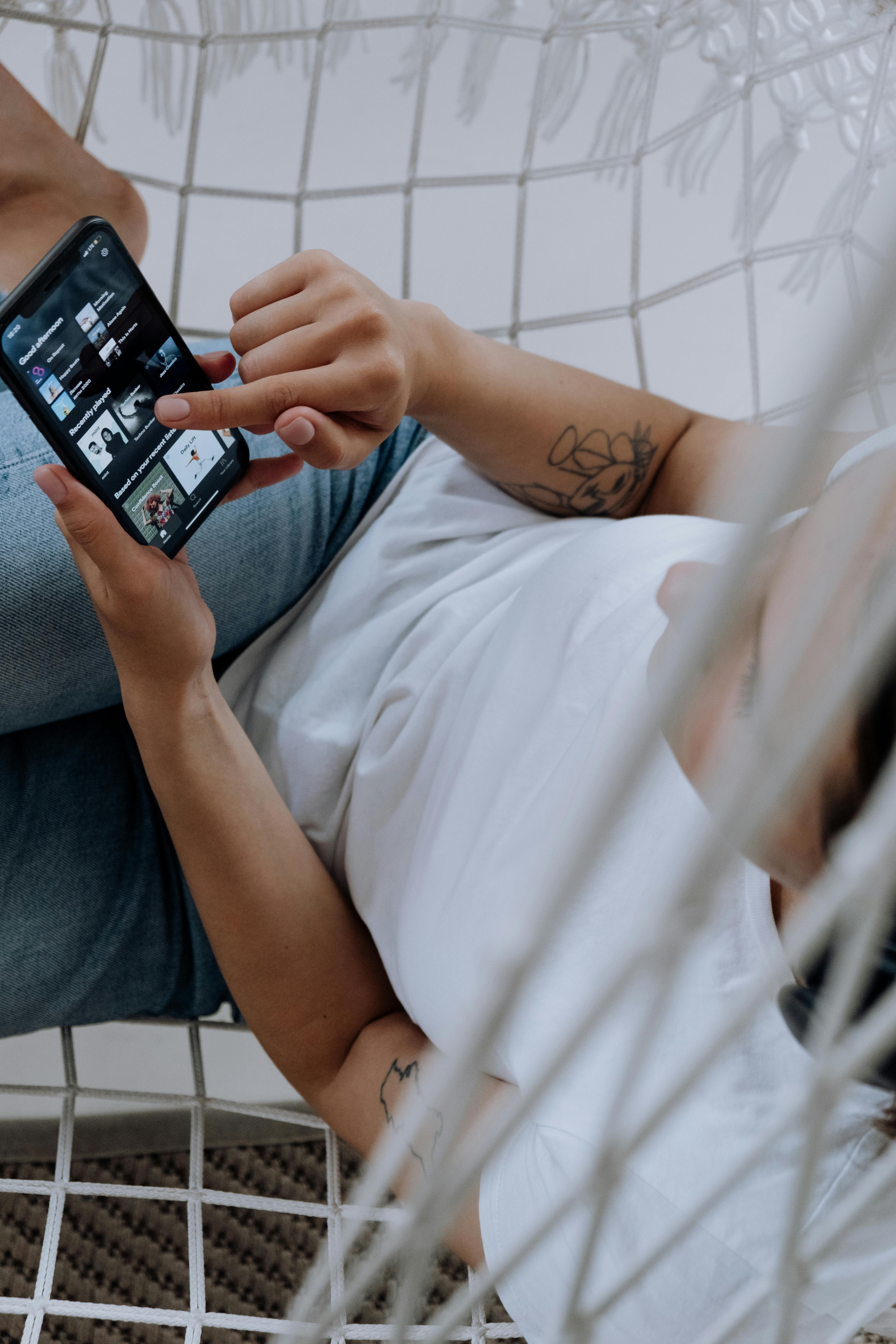
Creator‑led current‑affairs explainers have moved from the margins of the internet to the very core of how millions—especially Gen Z and younger millennials—learn about the world. Instead of waiting for the evening broadcast or clicking through paywalled articles, users now open TikTok, YouTube Shorts, or X and are met with a familiar face asking: “What’s going on with…?” or “Five things you need to know about…”.
These short videos compress elections, conflicts, regulatory changes, and economic shocks into conversational narratives. They use analogies, timelines, and graphics to build a quick mental model of complex stories, often with on‑screen text for accessibility and rapid scrolling. The result is a new, hybrid role: part journalist, part educator, part entertainer.
This shift is measurable. Surveys from organizations like the Pew Research Center and the Reuters Institute Digital News Report show rising numbers of users who say they get news primarily from social platforms—and increasingly from individual creators rather than institutional news brands.
Mission Overview: What Are Creator‑Led News Explainers?
At their core, creator‑led explainers are about translation. They take dense, jargon‑heavy reporting, policy documents, or fast‑moving events and convert them into stories that feel human, direct, and digestible on a small screen.
- Format: Vertical, short‑form video (15 seconds to 3 minutes), often in a “talking head” style with captions and B‑roll.
- Voice: Conversational, first‑person, often framed as “I’ll walk you through this” rather than “the news today is…”.
- Scope: Elections, wars, climate disasters, tech policy, Supreme Court decisions, meme stocks, and cultural controversies.
- Goal: Help the viewer understand the “what,” “why,” and “why now” quickly enough to join the broader conversation.
“News is increasingly something that finds you through feeds, not something you go to. Creators have learned to live inside that reality much faster than legacy newsrooms.”
Why Creator‑Led News Is Rising
The popularity of creator‑led current affairs is not a fluke; it is a response to structural frustrations with traditional news and the design of modern platforms.
1. Friction with Traditional News
Audiences frequently cite paywalls, intrusive ads, and a sense that legacy outlets are either biased or out of touch as reasons for turning to creators. In a world where attention is scarce, a two‑minute explainer that feels neutral and human is more inviting than a 2,000‑word article behind a subscription wall.
- Access: Social video is free at the point of use and embedded directly in the feed.
- Language: Creators avoid insider jargon; they’re incentivized to be clear or they lose viewers.
- Relationship: Followers feel they “know” the creator and can interact via comments and DMs.
2. Algorithms Built for Engagement
TikTok’s “For You” page, YouTube’s recommendation engine, and X’s algorithmic timeline surface content based on watch time, likes, and shares, not on the institutional prestige of a news brand. This fundamentally levels the playing field between a teenager in a bedroom and a 100‑year‑old newspaper.
When breaking news hits, a concise, emotionally resonant explainer with strong storytelling can outrun a carefully edited three‑minute package from a TV newsroom, because the algorithm sees rapid engagement and amplifies it further.
3. A Desire to “Understand Enough to Participate”
Many users are not seeking expert‑level depth on every issue; they want “enough understanding” to follow conversations at work, school, or in their online communities. Creator explainers are perfectly tuned to this need: they front‑load context, clarify the stakes, and suggest what to watch for next.
“People don’t just want headlines; they want a quick mental model of what’s happening, why it matters, and who is affected.”
Technology: How Creator‑Led News Actually Works
Behind the casual tone of a “What’s going on with…?” video lies a stack of tools and workflows that enable speed, clarity, and reach. These range from basic smartphone cameras to sophisticated analytics dashboards.
Production Stack
- Capture: Most creators use modern smartphones with high‑quality cameras and built‑in microphones. Some upgrade to external mics or compact LED lights for better audio and visual clarity.
- Editing: Short‑form editing apps like CapCut, VN, and native TikTok/YouTube editors allow fast cuts, on‑screen text, B‑roll insertion, and basic visual effects.
- Accessibility Features: Auto‑captioning, text‑to‑speech, large on‑screen text, and strong color contrast improve accessibility and meet key WCAG principles.
- Research: Creators rely on RSS feeds, push notifications, primary documents, open data portals, and increasingly AI summarizers to triage complex information.
Algorithm Literacy as a Technical Skill
Successful news creators reverse‑engineer platform behavior much like SEO professionals study Google:
- Testing hook styles in the first 3–5 seconds for retention.
- Optimizing length for completion rate: often 45–90 seconds on TikTok, slightly longer on YouTube Shorts.
- Using trending sounds or formats where appropriate without undermining topic seriousness.
- Pinning clarifications or follow‑up context in the comments to extend watch time and answer questions.
Data‑Driven Iteration
Analytics dashboards on YouTube Studio, TikTok, and X show creators:
- Audience retention curves (where people drop off).
- Click‑through rates from thumbnails and titles.
- Search queries that lead users to their videos (e.g., “explain Ukraine war simple”).
These signals shape future explainers, influencing everything from pacing to which global stories get covered at all.
Scientific Significance: Information, Cognition, and Public Understanding
From a science‑and‑technology perspective, creator‑led explainers are a large‑scale, ongoing experiment in attention, comprehension, and social learning.
Cognitive Benefits and Trade‑Offs
Educational psychology suggests that short, focused explanations anchored to relatable analogies can improve initial understanding and memory. The “explain it like I’m 5” style reduces cognitive load and helps viewers quickly build schema for complex issues.
- Benefit: Rapid comprehension and lower entry barrier for topics like central bank policy or AI regulation.
- Risk: Over‑simplification can strip away uncertainty, nuance, and minority perspectives.
- Mitigation: Some creators explicitly label simplifications and point viewers to long‑form resources.
Network Effects and Collective Sense‑Making
Social media creates a layered information ecosystem:
- Primary explainer: A creator summarizes what is happening and why.
- Reaction layer: Other creators stitch, duet, or quote the video, adding context or critique.
- Verification layer: Fact‑checking organizations and OSINT (open‑source intelligence) accounts evaluate claims in real time.
This can accelerate error‑correction but can also generate confusion when contradictory explanations compete for attention.
“We now have to verify not just the event, but the explanation of the event that has already gone viral.”
Milestones in the Rise of Creator‑Led Current Affairs
Over the last several years, a series of news cycles and platform shifts have accelerated the mainstreaming of creator‑driven explainers.
Key Milestones
- Global elections: Creators explaining ballot measures, voter suppression debates, or coalition politics in plain language attracted millions of views, frequently outperforming official explainer videos from networks.
- Pandemic coverage: Science communicators on YouTube and TikTok translated evolving guidance into simple visual analogies and Q&As, working alongside (and sometimes against) traditional outlets.
- War and conflict: OSINT‑oriented creators used satellite images, geolocation, and public data to explain movements on the ground, while emphasizing verification and uncertainty.
- Financial and tech shocks: Events like meme‑stock rallies or major tech layoffs were decoded by creators using simple charts and analogies (“It’s like a giant group chat coordinating a stock run”).
Analytic tools such as BuzzSumo and CrowdTangle (before its deprecation) showed how “What you need to know about…” posts frequently dominated share counts during peak news moments.
Challenges: Accuracy, Accountability, and Polarization
The strengths of creator‑led news—speed, personality, emotional resonance—are also its vulnerabilities. The same incentives that reward engaging explanations can penalize nuance and caution.
1. Verification and Expertise
Unlike newsroom reporters, many creators operate without formal editorial oversight, copy editors, or in‑house legal teams. This can lead to:
- Unverified claims being repeated because they “fit the narrative.”
- Old footage being miscontextualized as new, especially during breaking crises.
- Speculation not clearly separated from confirmed facts.
Responsible creators attempt to counter this by:
- Citing primary sources in captions or on‑screen overlays.
- Linking to reputable outlets and expert commentary.
- Issuing visible corrections and stitching their own prior videos when errors are found.
2. Algorithm‑Driven Echo Chambers
Personalization means users often see more of what they already agree with. If a viewer repeatedly watches explainers with a particular ideological tilt, the platform may serve fewer countervailing analyses, reinforcing confirmation bias.
This dynamic can fragment public discourse, as different groups watch entirely different explainers about the same event, with differing assumptions about what counts as “basic facts.”
3. Creator Burnout and Economic Pressures
News cycles never sleep, but human beings must. Many creators feel pressure to post quickly on breaking events to avoid losing momentum in the algorithm, which can tempt them to:
- Skip deeper research or expert interviews.
- Lean into emotional framing that boosts watch time.
- Turn every story into a binary conflict that “hooks” viewers.
“The algorithm is your editor, and it does not care if you’ve slept, checked the sources, or added context.”
How Traditional Media and Institutions Are Responding
Legacy outlets and institutions have not ignored this shift. Many are actively adapting their workflows and talent strategies to meet audiences where they are.
Newsrooms Launching Short‑Form Units
Major organizations now operate TikTok desks and YouTube Shorts teams dedicated to turning long‑form reporting into concise, shareable explainers. The BBC, The Washington Post, and others experiment with hosts who act more like creators than anchors.
These teams often:
- Repackage investigative reporting into 60–120 second breakdowns.
- Use humor and meme formats without compromising factual core.
- Participate in comments to address questions and correct misunderstandings.
Partnerships with Independent Creators
Some outlets partner with established creators during elections or complex policy debates, offering access to data and editors in exchange for reach to younger audiences. Similarly, NGOs and research institutes collaborate with science and policy explainers to translate their findings.
High‑profile examples include think‑tanks working with YouTube educators to explain AI safety, climate models, or digital privacy regulations.
Tools, Training, and Media Literacy for Viewers
As creator‑led news becomes more prevalent, viewers need practical strategies and tools to evaluate what they see. Media‑literacy educators increasingly meet audiences on the same platforms.
Practical Habits for Viewers
- Check the description: Are sources, links, or expert references provided?
- Watch for hedging language: Phrases like “this appears to show” or “reports suggest” signal awareness of uncertainty.
- Cross‑check: Look for the same event in at least one reputable outlet or wire service.
- Distinguish analysis from reporting: Is the creator describing what happened, or arguing what should happen?
Useful Reading and Viewing
For those who want to deepen their understanding of digital news ecosystems:
- How TikTok Is Changing the News Business (YouTube analysis)
- First Draft News – resources on verification and misinformation
- Poynter Institute – courses on news literacy and fact‑checking
Recommended Gear for Aspiring Explainers
For creators who want to improve production quality without a full studio, relatively affordable gear goes a long way:
- A reliable smartphone gimbal like the DJI Osmo Mobile SE for stable handheld shots.
- A compact clip‑on microphone such as the Rode Wireless ME to improve dialogue clarity.
- An LED light panel like the Neewer Dimmable Bi‑Color LED Video Light for consistent, flattering lighting in small spaces.
Future Trends: AI, Personalization, and Regulation
Looking ahead, several technological and regulatory trends are poised to reshape creator‑led news again over the next few years.
AI‑Assisted Scripting and Translation
Creators increasingly use AI tools to summarize long reports, generate bullet‑point scripts, or translate explainers into multiple languages. While this can improve efficiency and reach, it also introduces the risk of propagating AI‑generated errors or hallucinations if creators do not critically review outputs.
Hyper‑Personalized News Feeds
Recommendation systems are moving toward even more granular personalization: your news explainer feed may be tuned not just to your past likes but also to inferred political leanings and emotional preferences. This could further fragment shared reality unless platforms intentionally design for exposure to diverse viewpoints.
Policy and Platform Governance
Lawmakers and regulators in the EU, US, and elsewhere are examining platform accountability for news and political content. Transparency requirements about recommendation algorithms, labeling for state‑affiliated media, and rules around election‑related misinformation will all affect how creators operate and monetize news explainers.
Conclusion: Toward a Hybrid Model of News Understanding
Creator‑led “explain it like I’m 5” news is not a temporary fad; it is a structural adaptation to mobile attention spans, algorithmic discovery, and a generation raised on video‑first communication. It offers remarkable strengths: accessibility, relatability, and the ability to quickly turn abstract policies or distant conflicts into understandable narratives.
At the same time, the model depends on fragile ingredients—individual integrity, informal verification networks, and opaque algorithms optimized for engagement rather than truth. The healthiest future is likely a hybrid one, where:
- Creators act as on‑ramps to complex topics.
- Legacy outlets and researchers provide depth, context, and systematic verification.
- Viewers are equipped with media‑literacy tools to navigate this ecosystem critically.
In that future, tapping a 60‑second explainer on your phone could be the start—not the end—of becoming genuinely informed about the world.
Extra: A Simple Checklist for Evaluating Any News Explainer
The next time a creator‑led explainer about a major event appears in your feed, run through this quick checklist:
- Source transparency: Do they cite where their information comes from?
- Fact vs. opinion: Can you clearly tell which parts are reporting and which are commentary?
- Corrections culture: Have they ever publicly corrected themselves?
- Cross‑verification: Can you confirm the core claims via at least one reputable outlet or primary document?
- Emotional framing: Are you being informed, inflamed, or both?
Consistently applying this framework will help you benefit from fast, creator‑led explainers while minimizing the risk of being misinformed or manipulated.
References / Sources
- Pew Research Center – News Use Across Social Media Platforms
- Reuters Institute – Digital News Report
- Nieman Journalism Lab – Essays on the future of news
- Columbia Journalism Review – Coverage of platforms and creators
- Poynter MediaWise – Media literacy resources
- First Draft – Guides on verification and misinformation
- Associated Press – Verification and fact‑checking insights
