
Why the December Fed Meeting Could Deliver the Funniest Twist in Modern Economics
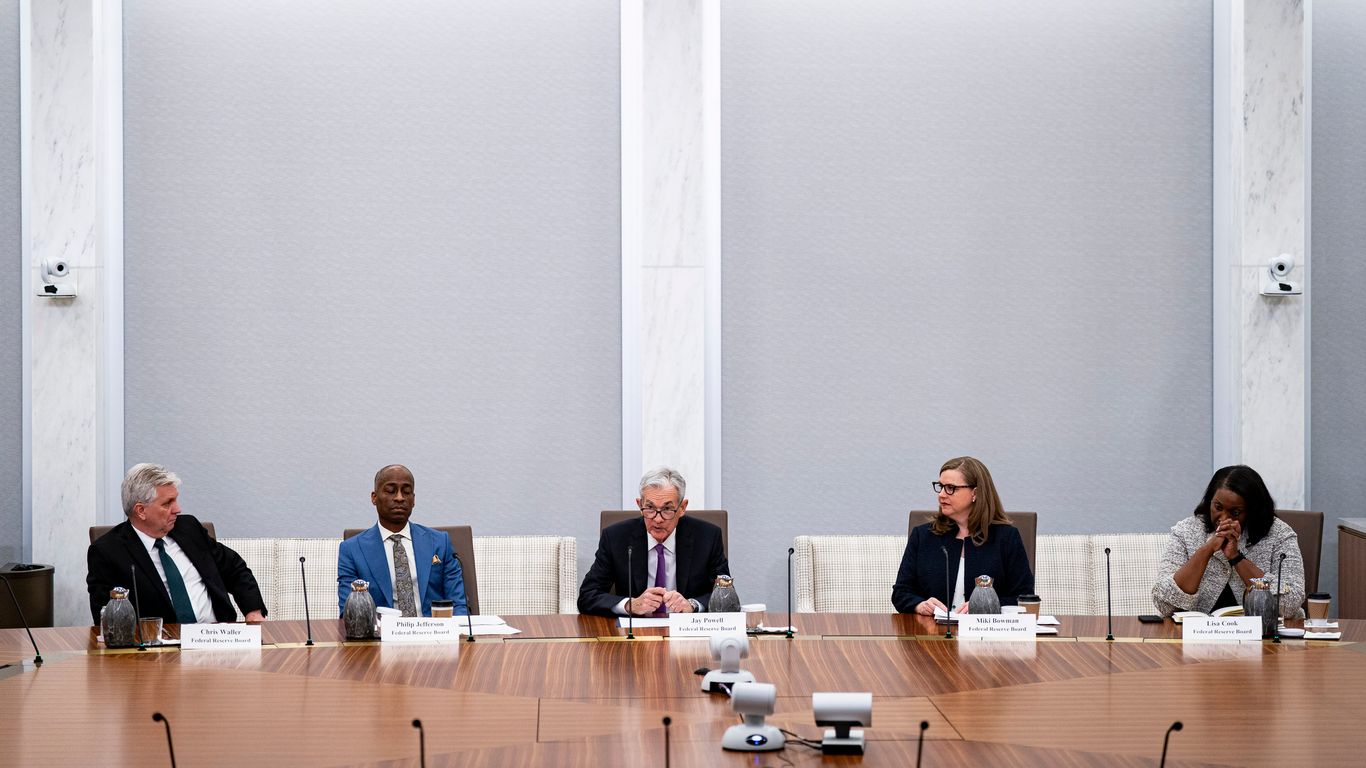
Why the December Fed Meeting Is Suddenly Must-See Macroeconomics
The December Federal Open Market Committee (FOMC) meeting is poised to be one of the most closely watched in years. Inflation has cooled from its 2022 peak but remains uncomfortably close to the Fed’s 2% target on some measures, the labor market is softening but still resilient, and financial conditions have whipsawed as investors try to anticipate the central bank’s next move.
Inside the Fed, officials are publicly and privately split. Some argue that inflation progress has stalled and that cutting rates now risks a new price surge. Others warn that holding policy too tight for too long could tip the economy into an avoidable recession, especially as credit conditions tighten and households run down pandemic-era savings.
The result: a December vote that could be extremely close, symbolically important, and—if one particular scenario plays out—darkly funny from a market-watchers’ perspective.
“Monetary policy is an exercise in managing risks in an uncertain world.”
— Common paraphrase of speeches by multiple Fed chairs over the past decade
How the Fed Decides: Votes, Dots, and Carefully Chosen Words
Understanding the December drama requires a quick look at how the Fed actually works. The FOMC typically meets eight times a year. At each meeting, voting members decide:
- The target range for the federal funds rate (the core policy rate).
- Any changes to quantitative tightening (balance sheet runoff).
- The wording of the policy statement and forward guidance.
Four ingredients make this December meeting especially combustible:
- The rate decision itself – whether to hold, cut by 0.25 percentage points, or in a shock move, cut by 0.50.
- The “dot plot” – each official’s anonymous projection of future interest rates, watched obsessively by markets.
- Updated economic projections – growth, unemployment, and inflation paths through at least 2026.
- Chair Powell’s press conference – where one misplaced phrase can move trillions of dollars.
Even when the final decision seems simple, these elements can pull in different directions. This time, they might point in comically conflicting ways.
Why the Fed Is So Split Right Now
Team “Hold Higher for Longer”
One camp inside the Fed believes the central bank should keep rates elevated into 2025. Their key arguments:
- Sticky services inflation – shelter and wage-driven sectors remain above 2%, even as goods prices ease.
- Strong consumption – consumer spending, while cooling, has not collapsed, suggesting the economy can absorb higher rates.
- Credibility risks – cutting too early after the worst inflation surge in 40 years could undermine faith in the Fed’s commitment.
Team “Cut Before Something Breaks”
The other camp is more alarmed about the cumulative impact of tight policy:
- Rising real rates – as inflation cools, unchanged nominal rates become tighter in real terms.
- Credit stress – small businesses, commercial real estate, and lower-income households are feeling the pinch.
- Global risks – a strong dollar and tight U.S. policy can amplify financial stress in emerging markets.
These factions are not neatly partisan; they cut across regional Fed banks and governors, and the December vote could reflect that messy reality, potentially leading to a fractured outcome that is technically coherent but feels absurd from the outside.
The Funniest Plausible Outcome: A Dove-Looking Cut with Hawkish Teeth
The most ironically entertaining scenario would be a decision that appears generous to markets at first glance but turns hawkish once investors read the fine print. One plausible combination looks like this:
- A narrow vote to cut by 0.25 percentage points – framed as a “technical adjustment” to keep policy from becoming more restrictive as inflation falls.
- A dot plot that barely moves – suggesting no additional cuts are likely in the next several meetings.
- Economic projections showing inflation still near target – implying little urgency to ease further.
- A press conference warning that markets are “too optimistic” about 2025–2026 cuts.
The irony: markets might initially celebrate the headline “Fed cuts rates,” only to sell off once they realize the overall package points to higher expected rates over the next few years than traders had priced in before the meeting.
“The market can remain irrational longer than you can remain solvent.”
— Attributed to economist John Maynard Keynes, often quoted during confusing Fed cycles
In other words, the Fed could technically cut rates and still end up tightening financial conditions—an outcome that would be both logically consistent and almost comically frustrating for traders.
How Markets Could Get the December Decision Hilariously Wrong
Modern markets react at the speed of an algorithm. Keyword-scanning trading systems latch onto phrases like “cut,” “pause,” or “higher for longer,” often before human analysts have time to read the full statement.
In the ironic-cut scenario, here is how the day might unfold:
- Minute 1–2: Algorithms see “Fed cuts 25 bps” and launch a risk-on rally in stocks, crypto, and long-dated bonds.
- Minute 3–10: Analysts dig into the dot plot and projections, noticing that 2025 and 2026 median rate expectations have barely moved—or even ticked higher.
- Minute 10–60: Chair Powell emphasizes that inflation progress is “not yet assured” and warns that policy could “remain restrictive for some time.”
- End of day: Yields end up higher than pre-meeting levels, stocks give back gains, and financial conditions tighten despite the “cut.”
From a distance, the spectacle of markets partying on the headline, then reversing on the substance, would be the closest thing macroeconomics gets to slapstick comedy.
What This Means for Your Mortgage, Savings, and Business Decisions
Behind the drama, the December decision carries real-world consequences for households and businesses. Even a “funny” or ironic outcome changes borrowing costs and investment incentives.
For Homeowners and Homebuyers
- Fixed-rate mortgages: If long-term yields rise after a hawkish cut, 30-year mortgage rates could stay elevated, delaying relief for buyers waiting on cheaper financing.
- Adjustable-rate mortgages: ARMs tied to short-term benchmarks may see modest relief from a small cut, but expectations for future rates matter even more.
Homeowners tracking affordability can benefit from tools like the dedicated mortgage and loan calculator apps , which help simulate payment paths under different Fed scenarios.
For Savers and Bond Investors
- Cash yields: High-yield savings accounts and money market funds generally move with short-term rates, so a small cut might slightly trim returns over time.
- Bonds: If markets interpret the decision as hawkish, long-term bond prices could fall even as policy rates dip—a reminder that risk-free is not the same as volatility-free.
For individual investors trying to understand rate sensitivity, educational resources such as “The Intelligent Investor” remain useful guides to thinking about risk and time horizons.
Trading the Irony: How Professionals Prepare for a Split Fed
Professional investors are acutely aware that the December meeting could deliver mixed signals. Many are preparing for both headline-driven volatility and second-derivative surprises in the details.
Common Strategies Around a Contentious Fed Meeting
- Volatility positioning: Buying options ahead of the meeting to benefit from sharp moves, regardless of direction.
- Curve trades: Betting on the difference between short- and long-term yields, rather than the absolute level of rates.
- Sector tilts: Adjusting exposure to rate-sensitive sectors such as banks, utilities, and growth tech stocks.
Retail investors hoping to understand these dynamics often turn to explainers from trusted sources such as:
- The Fed’s own education portal on monetary policy and interest rates .
- Long-form interviews on YouTube channels like WealthTrack , which frequently host economists and portfolio managers.
- Professional commentary shared on LinkedIn’s economy and finance topic pages .
The Indicators the Fed Is Watching Before Pulling the Trigger
Between now and the December meeting, a handful of data releases could sway undecided officials and tilt the final vote. For readers tracking the story in real time, these metrics matter most:
- Core PCE inflation: The Fed’s preferred inflation gauge. Another upside surprise would strengthen the “hold” camp.
- Nonfarm payrolls and unemployment rate: Clear signs of rising joblessness could push fence-sitters toward a cut.
- JOLTS job openings: A faster-than-expected cooling in job openings suggests wage pressures may continue to ease.
- Financial conditions indexes: If credit spreads widen and equity markets stumble, the case for an insurance cut grows.
For readers wanting deeper analysis, white papers from research centers such as the Brookings Institution’s Hutchins Center on Monetary Policy provide accessible but detailed breakdowns of how these indicators feed into the Fed’s models.
How Social Media and Public Commentary Shape the Narrative
While the Fed insists it does not respond to day-to-day market noise, policymakers are acutely aware of how their actions are interpreted beyond Wall Street. Financial influencers on platforms like X (formerly Twitter), YouTube, and LinkedIn can amplify narratives that, over time, influence political pressure and public expectations.
Analysts such as Mohamed El-Erian and Liz Ann Sonders regularly discuss the fine line the Fed must walk between fighting inflation and preserving growth.
“When the Fed is this divided, every word matters more.”
— Paraphrase of recurring commentary from professional strategists in 2024–2025 market coverage
This external pressure does not determine the vote, but it does increase the incentive for the Fed to craft a decision that looks balanced—even if the combination of actions and words produces the oddly comic, hawkish-cut outcome.
A Practical Checklist: How to Follow the December Fed Meeting Like a Pro
For readers who want to go beyond the headlines and understand the deeper story in real time, consider this step-by-step approach on decision day:
- Read the statement first, slowly. Pay attention to changes in phrasing like “further tightening” versus “any adjustments.”
- Check the dot plot. Compare the new dots for 2025 and 2026 with the prior meeting’s projections.
- Scan the economic projections. Note how the Fed’s inflation and unemployment forecasts shift.
- Listen to the full press conference. Short clips can be misleading; tone and nuance are critical.
- Watch market reactions in stages. Observe how stocks, bonds, and the dollar behave in the first 5 minutes, first hour, and into the close.
Keeping a simple notebook or using an investing journal—such as the dedicated investor’s logbooks available on Amazon —can help you record your impressions and learn from each meeting, rather than reacting impulsively.
Want to Go Deeper? Evidence-Based Resources Worth Bookmarking
Readers who find the irony of the December meeting intriguing can build a more systematic understanding of central banking through a mix of official documents, research papers, and accessible explainers.
- Official Fed resources:
-
Research and white papers:
- The Kansas City Fed’s research archive , including Jackson Hole conference papers on inflation and policy frameworks.
- Academic articles via NBER’s Monetary Economics program .
-
Media and explainer journalism:
- Deep-dive central bank coverage from outlets like Financial Times – Central Banks .
- Accessible macro explainers on podcasts and YouTube shows such as Bloomberg Television .
Over time, following these sources helps turn each Fed meeting—ironic outcomes and all—into a learning opportunity rather than a source of confusion.
Extra Insight: Why the Funniest Outcome Might Also Be the Most Responsible
There is a final twist to the December story. The very scenario that would look absurd to casual observers—a narrowly passed, one-off rate cut wrapped in hawkish language and higher long-term projections—may well be the most technically responsible course of action for a divided committee facing uncertain data.
By slightly easing near-term pressure while signalling a willingness to keep policy restrictive if inflation flares again, the Fed would be trying to:
- Reduce the risk of an accidental recession caused by cumulative tightening.
- Reinforce its longer-run inflation-fighting credibility.
- Acknowledge internal disagreement without paralyzing decision-making.
For attentive readers and investors, recognizing this tension is key. The most entertaining, meme-worthy headline—“Fed cuts but sounds more hawkish than ever”—could also be the clearest window into how modern central banking balances risk in a world where every data point is scrutinized, and every vote has the potential to surprise.
Staying engaged with these dynamics, rather than reacting purely to the initial headline, is what turns the December meeting from a momentary curiosity into a durable edge in understanding how the economic cycle evolves from here.
