
When Alzheimer’s Hits Home: How Registrar Craig Olive’s Family Story Inspires Hope and Action
For Johnston County Registrar of Deeds Craig Olive and his blended family, Alzheimer’s disease is painfully personal. Parents, siblings, grandparents, aunts, and uncles have all been affected, turning what many see as a distant health statistic into a daily reality at the kitchen table.
As we observe Alzheimer’s Awareness Month each November, Craig’s story reminds us that behind every diagnosis is a family juggling grief, logistics, finances, and the fierce desire to preserve dignity for someone they love.
In this article, we’ll explore:
- How Alzheimer’s has shaped the lives of Craig Olive and his family
- What Alzheimer’s disease is (and isn’t), in clear, accessible terms
- Practical, evidence-based steps families can take after a diagnosis
- How registries of deeds and legal planning can protect loved ones
- Resources and ideas to honor Alzheimer’s Awareness Month in your own community
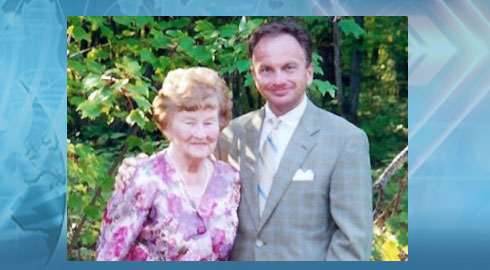
When Alzheimer’s Isn’t Abstract: A Family Story From Johnston County
For many, Alzheimer’s is something they read about in headlines. For the Olive family, it’s a thread that runs through generations. Loved ones have slowly lost memories, independence, and, at times, their sense of self. Yet in the middle of this, their family has found new ways to show love, protect dignity, and advocate for better support.
Johnston County Registrar of Deeds, Craig Olive, has seen how confusing and overwhelming the legal and practical side of dementia can be for families. As relatives began to show signs—repeating questions, getting lost, missing bills—his family had to navigate:
- How to get a clear diagnosis and understand what it really meant
- When to step in and help with finances and property decisions
- How to honor long-held wishes when a loved one could no longer express them
- Balancing caregiving with work, children, and personal health
“We thought we had more time. By the time we realized how serious it was, some decisions were already out of our hands.”
— Composite reflection based on common caregiver experiences shared in Johnston County support networks
While every family’s story is unique, the Olive family’s experience mirrors what many across North Carolina—and the country—are facing as Alzheimer’s becomes more common in an aging population.
Understanding Alzheimer’s Disease: What Families Need to Know
Alzheimer’s disease is the most common cause of dementia—a general term for progressive problems with memory, thinking, and behavior that interfere with daily life. It is a brain disease, not a normal part of aging.
Scientists describe Alzheimer’s as a disease in which abnormal proteins (amyloid plaques and tau tangles) build up in the brain, leading to the death of brain cells over time. This process usually develops slowly, over years.
Common Early Signs and Symptoms
- Forgetting recent events or conversations more often than peers of the same age
- Getting lost in familiar places or misplacing items repeatedly
- Struggling with planning, managing bills, or following multi-step tasks
- Changes in judgment (for example, unusual spending or vulnerability to scams)
- Withdrawing from hobbies or social activities
- Noticeable shifts in mood, personality, or confidence
A key point: memory lapses alone do not automatically mean Alzheimer’s. Stress, depression, sleep problems, medications, and other medical conditions can also affect memory. That’s why a thorough medical evaluation is so important.

According to the Alzheimer’s Association 2024 Facts and Figures report, millions of Americans are living with Alzheimer’s, and the numbers continue to rise as the population ages. Early detection can:
- Give families more time to plan and make decisions together
- Open the door to medications that may modestly slow symptom progression in some people
- Allow participation in clinical trials and research
- Reduce crises by planning for safety, driving, and finances
When Personal Becomes Professional: The Role of the Registrar of Deeds
The office of the Registrar of Deeds may not be the first place families think of when Alzheimer’s enters their lives, but it often becomes quietly essential. In Johnston County, Craig Olive’s professional work intersects with his family’s personal journey in meaningful ways.
A county Register of Deeds typically maintains records such as:
- Property deeds and land records
- Marriage licenses and vital records
- Sometimes, recorded powers of attorney and other legal documents (varies by state and county)
For families facing Alzheimer’s, these records can be crucial in:
- Confirming ownership of property and ensuring titles are clear
- Supporting fair division of assets if long-term care is needed
- Making sure legal documents are correctly filed and accessible when decisions must be made quickly
“I’ve watched families walk through our doors at their most vulnerable moments. My own family’s experience with Alzheimer’s has made me even more determined to help them protect what their loved ones worked so hard for.”
— Paraphrased thematic sentiment aligned with public service perspectives of local officials
Practical, Evidence-Based Steps After an Alzheimer’s Diagnosis
A new Alzheimer’s diagnosis can feel like the ground has shifted. Families often describe a mix of shock, sadness, relief (to finally have an answer), and fear of what’s next. While there’s currently no cure, there are concrete steps that can help.
1. Build a Medical Game Plan
- Clarify the diagnosis. Ask:
- Is this Alzheimer’s disease, another type of dementia, or a mixture?
- What stage does the clinician believe we’re in?
- Review medications. Discuss:
- Current prescriptions and supplements
- Any drugs that might worsen confusion (e.g., some sedatives, anticholinergics)
- Ask about treatment options. Depending on the situation, clinicians may consider:
- Cholinesterase inhibitors (e.g., donepezil) or memantine
- Newer disease-modifying therapies for early Alzheimer’s (subject to eligibility, risks, and access)
- Non-drug strategies for sleep, anxiety, or behavior changes
2. Get Legal and Financial Ducks in a Row
This is where personal stories like the Olive family’s are instructive: waiting too long can mean decisions default to the court or state, not the family’s wishes.
- Durable power of attorney (for finances)
- Health care power of attorney / health care proxy
- Advance directives and living wills
- Updated will and, where appropriate, trusts
- Review of deeds, beneficiary designations, and life insurance
In North Carolina and many other states, these documents often interact with county records maintained by the Register of Deeds. Having them in place while your loved one can still participate in decisions is both a legal advantage and an emotional gift.
3. Focus on Safety and Daily Structure
- Home safety checks: Evaluate fall risks, stove safety, sharp objects, and medications.
- Driving: Ask the clinician for an honest conversation about driving; plan alternatives early.
- Daily rhythm: Routines for meals, sleep, and activities can reduce anxiety and confusion.
- Emergency plan: Keep key documents, medications, and contact info in one grab-and-go folder.

4. Protect the Health of Caregivers
Research consistently shows that caregivers of people with dementia are at higher risk of depression, anxiety, and health problems. Taking breaks and asking for help are not luxuries—they’re essential for long-term caregiving.
- Explore respite care, adult day programs, or in-home aides when possible.
- Join a local or online support group for dementia caregivers.
- Keep up with your own medical appointments and sleep as best you can.
- Accept that you can’t do this alone—and you’re not meant to.
“The moment I stopped trying to be a ‘perfect’ caregiver and started asking for help, everything changed. My mom was better cared for—and so was I.”
— Composite caregiver reflection based on common themes from support groups
Common Obstacles Families Face—and How to Overcome Them
Families like the Olives don’t just deal with medical facts. They also face emotional, cultural, and practical barriers that can slow down planning and support. Recognizing these obstacles early can make them easier to manage.
“We Don’t Want to Talk About It”
Denial is human. Many families hope symptoms are “just getting older” or “a little forgetful.” But avoiding the topic can delay diagnosis and legal planning.
- Use “I” statements: “I’ve noticed some changes and I’m worried. Can we talk about it?”
- Focus on shared goals: safety, independence where possible, and dignity.
- Bring a trusted third party, like a doctor, pastor, or counselor, into the conversation.
“We Can’t Afford Help”
Care can be expensive, and not all services are covered by insurance. Still, many families don’t realize there are sliding-scale or publicly supported services available.
- Contact your county’s Area Agency on Aging for information on programs.
- Ask about veterans’ benefits if your loved one served in the military.
- Explore options for Medicaid, disability benefits, or caregiver stipends where applicable.
“I Feel Guilty Taking Time for Myself”
Many caregivers, including those in Johnston County, feel they must sacrifice everything. Over time, this can lead to burnout, resentment, and health crises—making it harder to provide stable care.
- Reframe self-care as “protecting my ability to care.”
- Schedule small, regular breaks—even 15 minutes outside can help.
- Share responsibilities where possible: siblings, friends, faith communities.

Honoring Alzheimer’s Awareness Month: How Communities Can Respond
November’s Alzheimer’s Awareness Month is more than a color on a ribbon—it’s an invitation to recognize families like the Olives and take real steps toward a more dementia-friendly community.
Ways Individuals Can Make a Difference
- Educate yourself: Spend 20 minutes on a trusted site like the National Institute on Aging.
- Support a caregiver: Offer a meal, a listening ear, or a few hours of respite.
- Participate in local events: Walks, fundraisers, or educational seminars.
- Share stories: Respectfully sharing your family’s experience can reduce stigma.
How Local Offices and Leaders Can Help
Community leaders—including offices like the Register of Deeds—can use November to highlight resources, streamline processes, and foster dignity for those affected.
- Host or co-sponsor educational workshops on legal planning and dementia.
- Share clear information about how and where to record important documents.
- Train front-line staff in dementia-friendly communication.
- Partner with health departments, senior centers, and nonprofits.

A “Before and After” Perspective: Life With and Without a Plan
One of the starkest lessons from families walking this road is how different the journey feels when there’s a plan in place. While no plan can remove the pain of watching someone decline, it can ease the chaos.
Before Planning
- Frequent crises around money, medical decisions, or safety
- Family conflict over “what Mom would have wanted”
- Uncertainty about who has legal authority to act
- Rushed decisions about long-term care
After Planning
- Clear roles for decision-making and finances
- Documents in place for medical and legal choices
- More time for meaningful connection instead of paperwork emergencies
- Ability to honor long-held wishes with greater confidence
The Olive family’s journey underscores this contrast. Having seen Alzheimer’s affect multiple generations, they have become more proactive about preserving stories, organizing documents, and seeking support early.
Moving Forward With Courage, Compassion, and Clarity
Alzheimer’s has a way of touching everything—memories, relationships, finances, and community life. For Johnston County’s Registrar of Deeds Craig Olive and his family, it’s more than a policy issue; it’s a deeply personal reality that has shaped how they love, plan, and serve their neighbors.
While no article or checklist can make this journey easy, the combination of early detection, thoughtful planning, and strong community support can make it more manageable—and more humane—for everyone involved.
As you think about Alzheimer’s Awareness Month, consider:
- Is there someone in your life whose memory changes worry you?
- Do you know where your family’s key documents and property records are?
- Could you reach out to a caregiver you know and offer a small act of kindness?
These quiet, practical steps—taken one at a time—add up. They honor the people we love, support the families walking this road today, and help build a community where no one facing Alzheimer’s has to feel alone.
Your next step:
- Schedule a conversation with a healthcare provider if you have concerns about memory—yours or a loved one’s.
- Locate or begin creating essential legal and financial documents.
- Visit a trusted site such as the Alzheimer’s Association or the National Institute on Aging to learn more.
