
The Ozempic Era: How GLP‑1 Weight‑Loss Drugs Are Quietly Reshaping Our Plates and Daily Lives
The Ozempic Era: GLP‑1 Weight‑Loss Drugs and Lifestyle Shifts
Public interest in GLP‑1 medications like Ozempic, Wegovy, and Mounjaro has exploded. Originally designed to help manage type 2 diabetes, these drugs are now widely discussed for their powerful weight‑loss effects, inspiring personal “Ozempic journey” stories, heated ethical debates, and real shifts in how many of us think about food, exercise, and body image.
At the same time, healthcare professionals are reminding everyone that there is no magic fix: even in this Ozempic era, nourishing meals, joyful movement, and sustainable routines still matter deeply for long‑term health and comfort in our bodies.
What Are GLP‑1 Drugs Like Ozempic, Wegovy, and Mounjaro?
GLP‑1 receptor agonists—such as Ozempic (semaglutide), Wegovy (a higher‑dose semaglutide approved specifically for obesity), and Mounjaro (tirzepatide, a dual GIP/GLP‑1 agonist)—are injectable medications that mimic hormones your body naturally makes after eating.
These hormones help:
- Regulate blood sugar by helping the pancreas release insulin after meals.
- Slow stomach emptying, which can make you feel fuller for longer.
- Influence appetite centers in the brain, often reducing cravings and snack urges.
For people living with type 2 diabetes, these effects can be life‑changing for blood sugar control. As researchers followed patients, they noticed something striking: substantial, often sustained weight loss. That discovery helped pave the way for weight‑management approvals like Wegovy, and more recently, weight‑loss indications for medications like Mounjaro and its successors.

Why GLP‑1 Weight‑Loss Drugs Are Trending Everywhere
GLP‑1s sit at a powerful crossroads: health, beauty standards, economics, and ethics. That’s why they dominate TikTok, Instagram Reels, X (Twitter), Facebook groups, and news headlines.
1. Viral “Ozempic Journeys” and Before‑and‑After Photos
On TikTok and Instagram, countless users post:
- Weekly weigh‑ins and clothing “try‑ons”.
- Candid stories about nausea, fatigue, and appetite changes.
- Emotional reflections on finally seeing the scale move after years of dieting.
These videos often go viral, generating waves of supportive comments, skepticism, and criticism. For many, it’s the first time they’ve seen long‑term weight‑loss medication discussed so openly.
2. Policy, Cost, and Access Debates
On X and Facebook, the focus often shifts to who can actually get these medications. Monthly costs can be high, and insurance coverage is inconsistent, especially when GLP‑1s are prescribed for obesity rather than diabetes.
Many people with diabetes report struggling to fill prescriptions during shortages, while others use the same medications for cosmetic weight loss—fueling frustration and policy discussions.
Governments, insurers, and employers are now weighing the potential long‑term healthcare savings (from fewer obesity‑related complications) against the immediate budget impact of covering these high‑cost drugs.
3. Shifting Identity, Body Image, and Stigma
For some, GLP‑1s feel like a key that finally unlocks weight loss after years of shame, diets, and blame. Others fear that making pharmaceutical weight loss mainstream will intensify pressure to be thin and further pathologize larger bodies.
The conversations between body‑positivity advocates, medical professionals, and influencers are often tense but important. Many are asking:
- Can we celebrate new options for metabolic health without reinforcing harmful beauty standards?
- How do we talk about weight and health without shaming any body size?
The “Ozempic Economy”: Food, Fashion, and Finance
Media outlets now talk about an “Ozempic economy”: a ripple effect reaching restaurants, clothing brands, financial markets, and more.
Changing Eating Patterns and the Food Industry
Because many GLP‑1 users feel full sooner and experience reduced cravings, some early studies and surveys suggest:
- Smaller restaurant orders and fewer impulse desserts.
- Less snacking, especially high‑sugar, high‑fat foods.
- More interest in protein‑rich, nutrient‑dense meals that make limited appetite “count”.
This has prompted speculation about long‑term impacts on fast food, snack companies, and beverage sales if GLP‑1 use continues to rise over the coming years.
Fashion, Wellness, and Market Reactions
As more people report significant weight loss, fashion brands and retailers are watching for shifts in size distribution and demand. Meanwhile, traditional diet programs and some bariatric surgery providers are reassessing their strategies in a world where long‑term medication may become a more common option.
On the financial side, analysts closely track the stock performance of pharmaceutical companies behind GLP‑1s and related suppliers. Business podcasts and YouTube channels dissect these trends, which further keeps the drugs in the spotlight.

Social Media Narratives: Stories, Hopes, and Fears
Social platforms are full of real‑time diaries of life on GLP‑1 drugs. They can be deeply moving—and sometimes confusing for people trying to decide whether to seek treatment.
Common Experiences People Share
- Dramatic appetite shifts: “Food noise” (constant mental chatter about eating) quieting down.
- Side effects: nausea, vomiting, constipation or diarrhea, fatigue, and taste changes—especially in the first weeks or after dose increases.
- Emotional changes: relief, excitement, fear of regain, and sometimes complicated feelings about a changing body.
Pitfalls of Viral Weight‑Loss Content
Highly edited before‑and‑after images and rapid‑fire success stories can create unrealistic expectations. Most people don’t share days when they feel sick, discouraged, or plateaued—and long‑term data on what happens after stopping these medications is still emerging.
Beyond the Injection: Lifestyle Shifts in the Ozempic Era
Clinicians consistently stress one message: GLP‑1 medications work best when paired with supportive lifestyle changes. Even with a quieter appetite, your body still needs nourishing food, movement, sleep, and stress care.
Eating Well with a Smaller Appetite
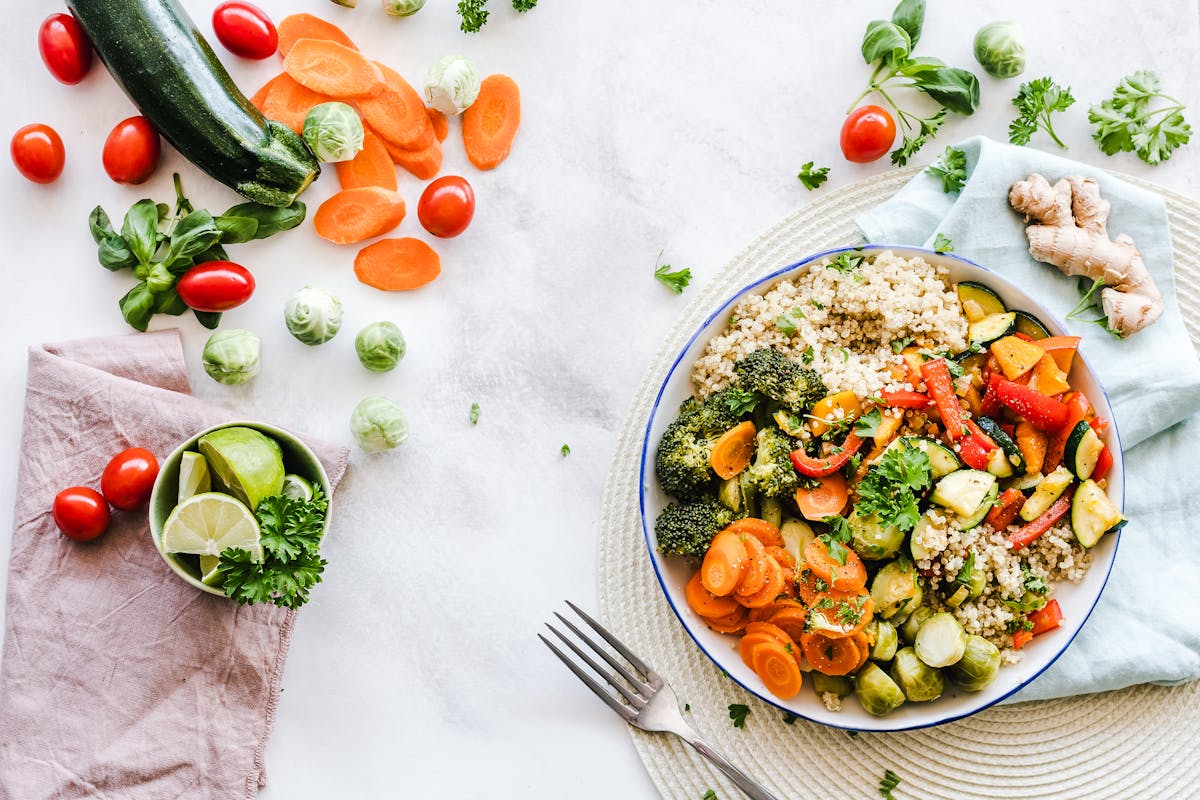
Many GLP‑1 users find they can’t finish old “normal” portions. That makes every bite precious. Think of your plate as both fuel and comfort:
- Prioritize protein (eggs, beans, tofu, Greek yogurt, lean meats) to protect muscle.
- Include colorful vegetables and fruits for vitamins, fiber, and freshness.
- Choose gentle, satisfying carbs—oats, whole grains, potatoes, rice—depending on blood sugar guidance.
- Use healthy fats (olive oil, avocado, nuts) in small amounts for flavor and satiety.
From a food‑lover’s perspective, this can be an invitation to savor: a small bowl of creamy lentil soup, a perfectly seared salmon fillet with lemon, or a bright herb salad can feel luxurious, even in modest portions.
Gentle Movement and Strength
Weight loss—especially rapid loss—can reduce muscle mass. Simple, regular movement helps:
- Protect muscle with resistance exercises (bodyweight squats, resistance bands, light weights).
- Support mood and sleep with walks, stretching, or dancing at home.
- Maintain mobility as your body changes.
Access, Ethics, and Equity in GLP‑1 Use
A central tension in the Ozempic era is this: who gets access to life‑changing medications, and on what terms?
- Cost: GLP‑1s can cost hundreds or more per month without insurance coverage.
- Coverage gaps: Some plans cover them for diabetes but not for obesity, despite obesity being a recognized chronic disease.
- Shortages: In some regions, people with diabetes have struggled to get medication because of high cosmetic‑driven demand.
Ethically, many experts argue that obesity care should be treated like any other chronic condition—without moral judgment—and that access should not depend on income or social status. Others worry about long‑term safety, medicalization of bodies, and pressure on people in larger bodies to medicate when they may not wish to.
A compassionate approach acknowledges both truths: GLP‑1s can be profoundly helpful for some people, and no one should be pressured—or shamed—into using them.
Considering GLP‑1 Medication? Questions to Ask Your Doctor
If you’re curious about medications like Ozempic, Wegovy, or Mounjaro, a thoughtful, honest conversation with a healthcare provider is essential. You might bring questions like:
- Do I meet the current clinical criteria for GLP‑1 therapy?
- What are the known short‑ and long‑term side effects, and how are they monitored?
- How might this medication interact with my other conditions or medications?
- What is the plan if I need or want to stop—how will we manage potential weight regain?
- What lifestyle supports (nutrition counseling, movement guidance, mental health support) can I access alongside medication?

Gentle, Food‑Forward Tips for Life in the Ozempic Era
Whether you’re on GLP‑1 medication or simply living in a world where these drugs are common, you can build a relationship with food that feels both nourishing and joyful.
- Keep meals appealing: Even with a small appetite, a bowl of fragrant tomato‑basil soup or a citrus‑marinated bean salad can entice you to eat enough.
- Prep small portions: Store leftovers in single‑serve containers so a balanced meal is always easy to reach for.
- Honor your cues: If you’re full, it’s okay to stop; if you’re hungry sooner than expected, a light snack like yogurt, nuts, or fruit is valid.
- De‑dramatize the scale: Notice energy, sleep, digestion, and mood as equally important health markers.
- Seek community: Look for weight‑neutral, stigma‑free spaces—online or offline—where you can share your experiences without judgment.

Looking Ahead: A More Nuanced Future for Weight, Food, and Health
The Ozempic era is still unfolding. Long‑term data on continuous use, stopping medication, mental health, and broader economic shifts is only beginning to take shape. What’s clear already is that GLP‑1 drugs are reshaping how we talk about weight, how healthcare systems treat obesity, and even how some of us plan meals and move through the world.
Amid all the noise—viral videos, stock analyses, heated debates—you’re allowed to move slowly, ask questions, and choose the path that feels right for your body, values, and life. Medications may change, trends may come and go, but tuning in to your own needs, nourishing yourself with care, and seeking compassionate support will always matter.
