
The Best Time to Walk After a Big Meal, According to Science
Many of us have had that “too full” feeling after a big holiday meal and wondered: Should I walk now, or wait? Maybe a family member swears by an immediate post‑dinner stroll, while someone else insists you should “let your food settle.” It can be confusing—especially if you’re thinking about your blood sugar, energy, or long‑term health.
Over the past decade, scientists have been looking closely at what happens when we walk at different times after eating. The clear pattern: walking after meals—especially big ones—can meaningfully improve blood sugar control and how you feel after you eat. But timing, intensity, and duration all matter.
In this guide, we’ll unpack what the latest research (through late 2025) actually shows, how to apply it in real life, and how to adjust if you’re dealing with challenges like joint pain, fatigue, or diabetes.
Why Walking After a Big Meal Matters
After a large meal—especially one rich in refined carbs or sugar—your blood glucose can spike within 30–60 minutes, then stay elevated for 2–3 hours. Over time, repeated high spikes are linked to:
- Increased risk of type 2 diabetes and insulin resistance
- Higher cardiovascular risk (including damage to blood vessels)
- Energy crashes, brain fog, and intense post‑meal sleepiness
- Worsening of conditions like PCOS, fatty liver disease, and metabolic syndrome
Walking after eating works like a “natural buffer.” Your muscles act as a sponge, pulling glucose out of the bloodstream and using it for fuel—so your blood sugar doesn’t rise as sharply or stay high as long.
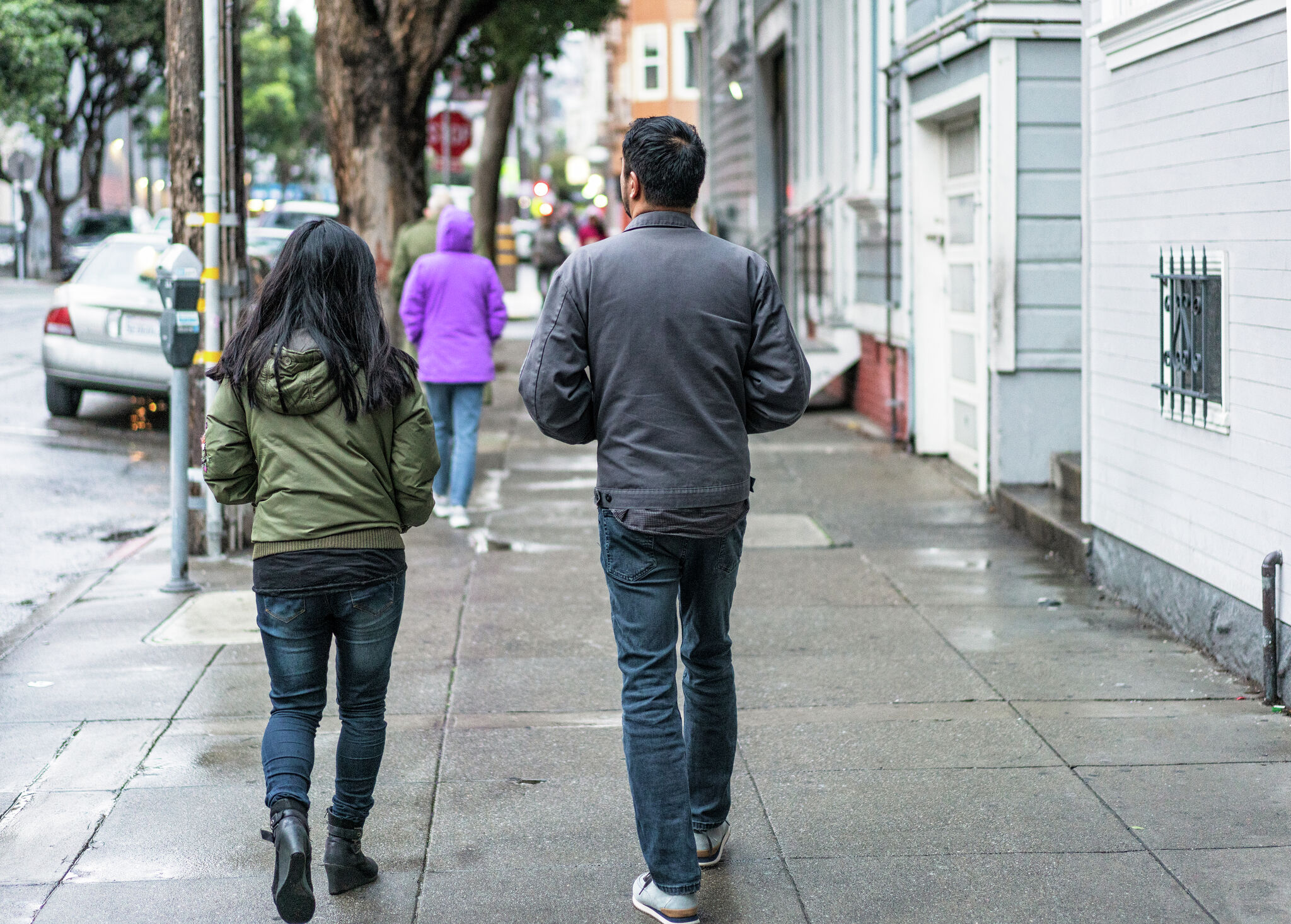
What Science Says About the Best Time to Walk After Eating
Several randomized controlled trials and meta‑analyses have examined exactly when post‑meal walking is most effective. While individual responses vary, a few consistent patterns emerge.
1. Starting Within 30 Minutes Is Usually Best for Blood Sugar
Multiple studies—including a 2022 meta‑analysis in Sports Medicine and a 2023 review of post‑prandial exercise—found that:
- Light to moderate walking started within 0–30 minutes after eating significantly lowers post‑meal glucose peaks.
- Even 2–5 minutes of easy movement every 20–30 minutes can improve glucose and insulin responses compared with sitting still.
“Postprandial walking—especially within the first 30 minutes after a meal—consistently attenuates glucose excursions in healthy and metabolically impaired adults.”
2. Walking a Bit Later Helps Too—Just Differently
If you feel too uncomfortably full to move right away, starting at 30–60 minutes after a meal can still help:
- Walking during this window may slightly reduce the peak, but more importantly helps your body clear glucose faster.
- It can improve digestion and reduce “food coma” drowsiness.
3. Short and Frequent Often Beats One Long Session
Several experiments comparing a single 30‑minute walk vs. three 10‑minute walks after meals show:
- Three 10‑minute walks (e.g., after breakfast, lunch, and dinner) are often more effective for glucose control than one 30‑minute bout.
- Frequent, short bouts are easier to maintain and more realistic for many people.
Is There a “Perfect” Time to Walk After a Big Meal?
For most people, especially after a big or carb‑heavy meal, the most evidence‑supported “sweet spot” is:
Begin a light walk 10–20 minutes after finishing your meal and continue for about 10–20 minutes.
This timing lines up with when blood sugar typically starts to climb, letting your muscles use some of that glucose as it enters the bloodstream.
- If you start too early (e.g., walking while you’re still eating), the effect on blood sugar is smaller.
- If you wait more than 60–90 minutes, walking still helps, but more for glucose clearance than for blunting the initial spike.

How Long and How Hard Should You Walk After Eating?
You don’t need a sweat‑soaked power walk to get benefits. In fact, going too hard immediately after a very large meal can feel uncomfortable.
- Intensity: Aim for low to moderate intensity. You should be able to talk in full sentences (often called a “brisk but comfortable” pace).
- Duration:
- For large meals: 10–20 minutes is a practical, beneficial range.
- For everyday meals: even 5–10 minutes makes a difference.
- Terrain: Flat or gently hilly surfaces are ideal. Steep hills (like some San Francisco neighborhoods) naturally raise intensity—listen to your body and slow down if you feel overfull or short of breath.
“Think of post‑meal walking as a small, strategic investment—with outsized long‑term returns for your blood sugar, heart health, and energy.”
Real‑World Example: A Small Habit With Big Impact
A client I worked with—let’s call her Maria—was in her early 50s, living in a hilly San Francisco neighborhood. She loved big family dinners, but her doctor had just warned her about rising A1C and prediabetes.
Rather than overhaul her entire diet at once, we started with a single change: a 12‑minute walk starting 15–20 minutes after dinner, five nights a week. Some evenings, this just meant doing loops around her block with a light jacket and a podcast.
- Within two weeks, she reported less “food coma” and fewer energy crashes.
- On her continuous glucose monitor (CGM), her after‑dinner spikes were visibly smoother on walking nights.
- After three months (plus a few modest diet tweaks), her A1C dropped out of the prediabetes range.
Not everyone will see such dramatic lab changes from walking alone, and Maria also improved her breakfast habits. But her story shows how a small, targeted walking routine can be a powerful anchor habit for metabolic health.
Common Obstacles—and How to Work Around Them
Life is messy, and even a “simple” walk after meals can run into real‑world barriers. Here are evidence‑informed, compassionate workarounds.
1. “I Feel Too Full or Nauseous After Eating”
- Wait 20–30 minutes, then start with a very slow walk.
- Shorten to 5–10 minutes and gradually build up over weeks.
- Consider slightly smaller portions or slowing your eating pace at big meals.
2. “My Joints Hurt When I Walk”
- Try indoor walking on flat surfaces or a treadmill if available.
- Break it into 2–3 mini‑walks of 5 minutes instead of one longer session.
- If walking is too painful, consider seated marching or light stationary cycling after meals (with medical clearance).
3. “I Don’t Feel Safe Walking at Night”
- Walk indoors—hallway laps, marching in place while watching TV, or a walking video.
- Use well‑lit routes and consider walking with a partner if possible.
4. “I’m Managing Diabetes and Worried About Lows”
If you use insulin or certain oral medications (like sulfonylureas), movement can sometimes contribute to hypoglycemia, especially if doses aren’t adjusted.
A Simple 7‑Day Plan to Test Your Own “Best” Post‑Meal Walk Time
Everyone’s metabolism is a bit different. If you have access to a glucose meter or CGM, you can experiment and see what works best for your body. If not, you can still tune into how you feel.
- Day 1–2: Eat your usual large dinner. Stay seated afterward. Note energy, digestion, and—if you monitor—glucose levels for 2 hours.
- Day 3–4: After the same style of meal, start a light walk 30 minutes after eating for 10–15 minutes.
- Day 5–6: Start walking 10–15 minutes after eating for 10–20 minutes.
- Day 7: Choose the timing that felt best (and, if applicable, produced the flattest glucose response) and repeat it, perhaps adding a second post‑meal walk earlier in the day.
Track any changes in energy, bloating, reflux, or sleep. Those “soft” signals are often just as meaningful as numbers.
Who Benefits Most From Walking After Meals?
Almost everyone stands to benefit, but research and clinical experience suggest it’s especially powerful for people who:
- Have prediabetes or type 2 diabetes
- Have a strong family history of diabetes or heart disease
- Experience post‑meal fatigue, brain fog, or intense carb cravings
- Have PCOS or insulin resistance
- Work mostly at a desk and sit for long stretches
If you’re already quite active, post‑meal walks can still add value by spreading movement across the day, not just clustering workouts into one session.
Safety, Special Situations, and When to Talk to Your Doctor
For most healthy adults, light walking after meals is safe and well tolerated. That said, you should get personalized medical advice if you:
- Have unstable heart disease, recent surgery, or unexplained chest pain
- Use insulin or medications that can cause hypoglycemia
- Have severe peripheral neuropathy or balance problems
- Are pregnant with complications and haven’t been cleared for activity
Before and After: What Changes When You Add a Post‑Meal Walk?
While individual results vary, research and real‑world experience suggest some typical differences:
- Higher and sharper blood sugar spikes for 1–2 hours
- More pronounced energy crash or sleepiness
- Increased reflux or bloating in some people
- Less total daily movement
- Smoother blood sugar curve and faster return toward baseline
- Improved alertness and lighter feeling after eating
- Potential modest improvements in blood pressure and triglycerides over time
- Increased daily step count and cardiovascular fitness

Bringing It All Together: Your Next Step
There may not be a single universally “perfect” minute to walk after eating, but the science is remarkably consistent: for most people, a gentle 10–20 minute walk starting within 30 minutes of a big meal is one of the simplest, most evidence‑backed habits for better blood sugar, digestion, and energy.
You don’t need special gear, a gym membership, or even perfect consistency. What matters most is finding a version that fits your life: loops around your block after dinner, a stroll through your neighborhood’s hills, or an indoor walk in your hallway on rainy nights.
Call to action for this week:
- Choose one meal per day—start with dinner.
- Set a reminder for 15 minutes after you usually finish eating.
- Walk at a comfortable pace for 10 minutes. See how you feel.
From there, you can build up, experiment, and make this small, science‑backed ritual a steady anchor for your long‑term health.
