
Slow Living in a Hyper-Online World: How Mental Health & Wellness Content Is Rewiring the Internet
Wellness, mental health, and “slow living” content are surging across TikTok, Instagram, YouTube, and podcasts as a counterweight to hustle culture and hyper-productivity. From ASMR and nature vlogs to therapy-informed advice and digital detox diaries, creators are building massive, highly engaged audiences around calmer, more intentional lifestyles that help viewers manage stress, burnout, and information overload.
This article maps how slow living and mental health content are reshaping the hyper-online era: why they resonate, how creators design soothing experiences, where productivity and wellness intersect, and what this means for users, platforms, and brands. You’ll find data-backed insights, practical strategies for consuming content more intentionally, and a framework for building a healthier relationship with screens.
The Hyper-Online Problem: Infinite Feeds, Finite Attention
Over the past decade, social platforms have optimized for engagement: endless scrolling, autoplay videos, and algorithmic feeds tuned to maximize time-on-app. While this model drives ad revenue, it also contributes to:
- Chronic distraction and fragmented focus
- Rising reports of anxiety, stress, and burnout
- Comparison-driven insecurity due to highly curated lifestyles
- Sleep disruption from late-night scrolling and blue light exposure
In this environment, wellness and slow living content represent both a coping mechanism and a subtle form of resistance. Instead of rewarding speed, novelty, and constant productivity, it celebrates slowness, repetition, and sensory grounding.
“Attention has become the most contested resource online. Slow living content is effectively a user-driven attempt to reprice that attention—from something platforms monetize to something individuals consciously steward.”
What Does Slow Living & Mental Health Content Look Like?
The slow living and wellness trend is less a single format and more an ecosystem of overlapping content types that share a common goal: reduce stress and reclaim attention. Typical pillars include:
ASMR and Sensory Soothing
ASMR (Autonomous Sensory Meridian Response) channels feature quiet sounds—whispers, tapping, page turning, pouring water—designed to evoke calm and sometimes a tingling sensation. These videos often run long, functioning as background ambience for studying or winding down.
Morning and Evening Routines
Short clips show creators making coffee slowly, journaling, stretching, or reading physical books. The shots linger on small details: steam, rain on windows, cozy lighting. The message is subtle but strong: your day can start and end gently, without immediately opening your phone or inbox.
Nature Vlogs and Walk-With-Me Content
Walking in forests, by the ocean, or through quiet city streets, often with minimal dialogue. These vlogs function as proxy time outdoors, especially for viewers living in dense urban environments or working from home.
Therapy-Informed Education
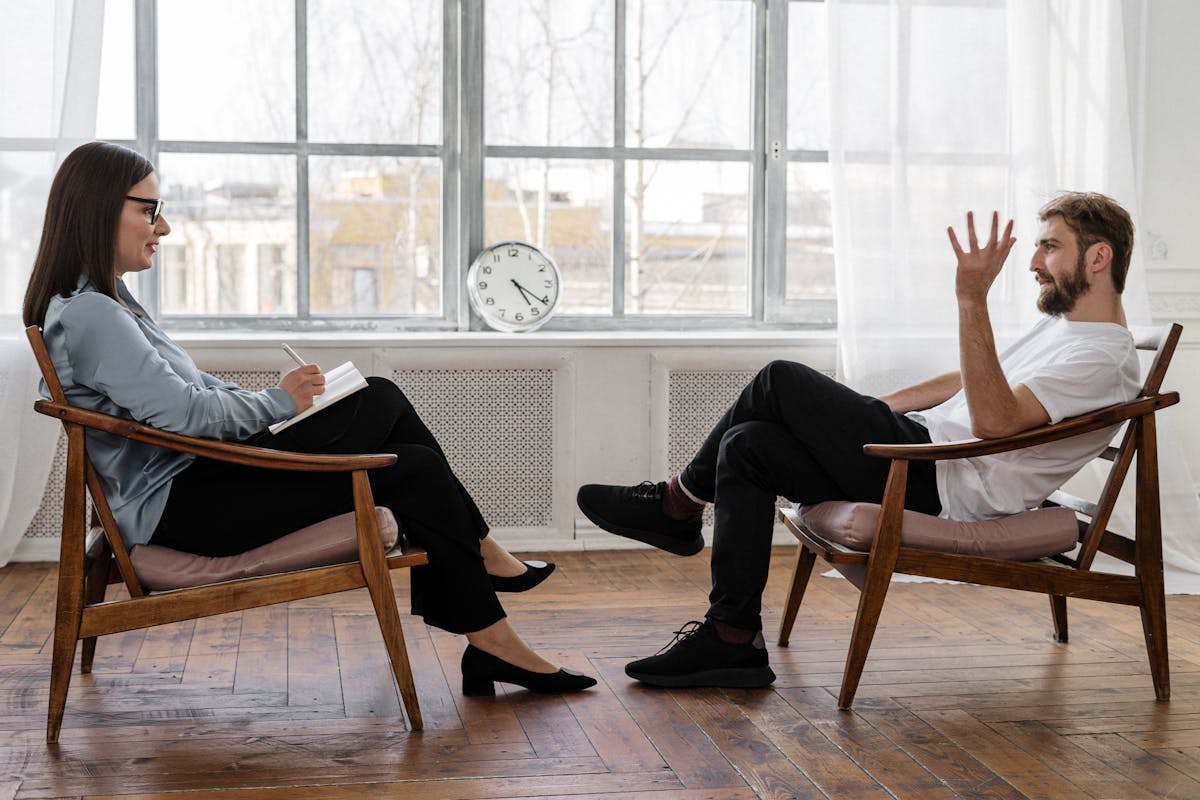
Licensed therapists and informed advocates break down concepts like anxiety loops, attachment styles, emotional regulation, and burnout. They offer bite-sized tools—breathing exercises, grounding techniques, or communication frameworks—which users can quickly save or share.
Data & Engagement: Why Wellness Content Wins in a Noisy Feed
While exact numbers differ by platform and region, multiple analytics providers and platform trend reports highlight the same pattern: mental health and wellness are among the fastest-growing content categories, particularly for Gen Z and younger millennials.
Based on aggregated trend reports from platforms and third-party analytics, the landscape looks roughly like this:
| Content Type | Typical Video Length | Engagement Pattern | Common Use Case |
|---|---|---|---|
| ASMR / Ambient | 20–120 minutes | High watch-time, low churn | Studying, sleep, background calm |
| Short-Form Routine Clips | 15–60 seconds | High saves and shares | Daily inspiration, “reset” ideas |
| Therapy-Informed Tips | 30–180 seconds | High comments, discussion | Understanding patterns, coping skills |
| Long-Form Podcasts / Deep Dives | 30–120 minutes | Loyal, repeat listeners | In-depth learning during commutes or chores |
Beyond raw views, wellness content excels at retention and relationship-building. Viewers return not just for information, but for a felt sense of safety and calm that is rare in other parts of the feed.

Where Productivity Meets Compassion: Slow Productivity Frameworks
This movement isn’t anti-productivity; it is anti-burnout. Popular creators mix planning, goal-setting, and organization tools with a strong emphasis on rest and self-compassion. Common patterns include:
- Time-blocking with rest built in: calendars and Notion templates that reserve explicit blocks for breaks, walks, and offline time.
- “To-feel” lists alongside to-do lists: identifying desired emotional states (calm, curious, connected) and designing days that support them.
- Habit tracking for wellbeing, not just output: sleep, hydration, movement, and downtime are tracked as seriously as study or work sessions.
This reframing responds to a reality many users articulate in comments: relentless self-optimization is itself exhausting. Slow living creators sidestep that trap by emphasizing sustainability—lives and routines that can actually be maintained over years, not just sprints.
Digital Detox, Minimalism, and Taking Back Your Attention
Alongside soothing routines, a second pillar of this trend is explicit digital detoxing: creators documenting time away from social media, app deletions, or strict screen-time limits.
On platforms like X/Twitter and Reddit, threads regularly go viral where users share transformations after a week or month with limited screen time. Common reports include:
- Improved sleep and less scrolling before bed
- Reduced anxiety tied to news cycles and notifications
- More sustained focus for reading or deep work
- Stronger offline relationships and face-to-face interactions
A Practical 5-Step Digital Reset Plan
- Audit your apps: List every app you open daily and why. Remove those that don’t clearly serve your wellbeing or values.
- Batch notifications: Turn off non-essential notifications; check messages and social apps at set times instead of reactively.
- Create phone-free zones: No phones at the dining table, in bed, or during certain hours (e.g., first and last 30 minutes of the day).
- Schedule intentional scrolling: Instead of background doomscrolling, allocate a small, conscious daily window for catching up.
- Add analog anchors: Replace some digital habits with analog ones: paper books, notebooks, walks without headphones.

The Soundtrack of Slow Living: Lo-fi, ASMR, and Ambient Playlists
Audio platforms like Spotify and YouTube are crucial infrastructure for this movement. Millions of users stream:
- Lo-fi beats and chillhop for studying or focused work
- Rain sounds, forest ambience, and fireplace crackles for sleep
- Guided meditations and breathwork sessions for stress relief
- ASMR playlists for relaxation and anxiety reduction
These soundscapes are often embedded or recommended in routine videos, effectively creating multi-platform wellbeing ecosystems: watch a routine on TikTok, follow the linked playlist on Spotify, and then hear it again in a YouTube vlog.
Risks, Limitations, and How to Consume Wellness Content Responsibly
As helpful as this content can be, there are important caveats:
- Not a substitute for professional care: Short-form advice can’t replace therapy, medical evaluation, or personalized treatment—especially for severe or persistent symptoms.
- “Aesthetic wellness” vs. actual wellbeing: Beautiful routines may create pressure to have a perfect, cozy life; real mental health work is often messy and invisible.
- Information overload in new packaging: Even calming videos contribute to screen time if consumed without boundaries.
- Misinformation risk: Not all mental health advice online is evidence-based or given by qualified professionals—critical thinking remains essential.
A healthy approach treats online wellbeing content as a supplement, not a cure-all: inspiration for small changes, language to describe your experiences, and prompts to seek deeper support where needed.
A Practical Framework: Designing a Slower, Healthier Digital Life
You can turn inspiration from wellness and slow living content into sustainable change using a simple three-part framework: Notice → Edit → Replace.
1. Notice: Track Triggers and Effects
- Pay attention to how you feel during and after different types of content.
- Jot down moments when you feel calmer, more grounded, or more anxious.
- Observe which creators consistently leave you feeling better vs. worse.
2. Edit: Curate Your Feeds Intentionally
- Unfollow or mute accounts that trigger comparison, fear, or urgency.
- Actively follow creators who focus on evidence-based mental health, realistic routines, and balanced productivity.
- Use tools like “Not interested” or “See less of this” to train algorithms over time.
3. Replace: Build New Rituals Around Calm
- Swap 10 minutes of morning scrolling for journaling or stretching.
- Use ambient playlists instead of high-stimulation media when working.
- Schedule a weekly “offline evening” with analog activities you enjoy.
The Future of Slow Living Online: From Trend to Baseline Expectation
The rise of mental health and slow living content is more than an aesthetic fad; it is a structural response to an internet that has been optimized for speed and extraction rather than human wellbeing.
As awareness of burnout and attention fatigue grows, users are likely to demand:
- More robust in-app wellbeing tools (screen-time dashboards, focus modes)
- Clearer labeling of expert content vs. opinion in mental health spaces
- Algorithms that weigh wellbeing indicators—like user-reported satisfaction—alongside raw watch-time
- Brand campaigns that prioritize authenticity and psychological safety over constant urgency
For individuals, the opportunity is direct: to use this wave of content as a toolkit for designing lives—and feeds—that feel calmer, kinder, and more sustainable. Slow living online does not mean abandoning technology; it means choosing, deliberately, how it fits into a life worth living.
