
How Micro-Learning Playlists Are Turning Your Daily Scroll Into A Global Study Adventure
Turning Your Scroll Into Study: Inside the Rise of Short-Form Micro-Learning Playlists
On a packed evening metro somewhere between home and nowhere in particular, a student taps through TikTok: a 30‑second breakdown of supply and demand curves, a 45‑second French vocab drill, a one‑minute Python trick. By the time the train pulls in, they have covered more concepts than a sleepy hour with a textbook the night before. This is the new rhythm of micro-learning—skills and study distilled into 15–90 second clips, sequenced into playlists that follow you into every idle moment.
Short-form educational videos are no longer occasional curiosities wedged between memes and dance trends. They are organized into series like “30 Days to the SAT” or “One SQL Query a Day,” functioning as pocket-sized curricula that match the way people actually live, move, and travel through their days. When used intentionally, these tiny lessons can become a powerful layer in your learning journey—especially if you understand how they work, where they shine, and where they fall short.
What Exactly Is Short-Form Micro-Learning?
Short-form micro-learning refers to structured educational videos—usually 15 to 90 seconds long—designed to teach a single clear idea at a time. Instead of sprawling lectures, creators publish tightly focused clips grouped into themed playlists or series, such as vocabulary sets, exam strategies, coding patterns, or finance basics. The content is purpose-built for vertical, mobile-first platforms like TikTok, Instagram Reels, and YouTube Shorts.
Unlike random “study hacks,” these micro-lessons usually follow a sequence and use deliberate teaching techniques: repetition, visual cues, quick examples, and simple prompts to recall information. The result is a learning format that feels as light as scrolling, yet offers enough structure to make steady progress when consumed consistently.
“Think of each clip as a single flashcard you can watch, not just read. One concept, one moment of focus, then move on.”
Why Micro-Learning Playlists Are Exploding in 2025
The surge in micro-learning is not an accident; it is the convergence of attention habits, platform design, and the economics of online education. Together, these forces have turned short clips from entertainment novelties into serious study tools for millions of learners.
- Fragmented attention and busy lives: Learners increasingly study between tasks—on commutes, lunch breaks, or late-night wind-downs—where a 30‑minute lecture feels impossible but a 30‑second explanation feels achievable.
- Algorithm-driven discovery: Platforms aggressively surface short, high-engagement videos, rewarding creators who can compress clear explanations into seconds and feeding learners a constant stream of bite-sized lessons.
- Creator economics: Teachers, tutors, and professionals can reach vast audiences very quickly with micro content, then invite serious learners into deeper offerings—cohorts, memberships, books, or long-form courses.
- Low barrier to participation: A smartphone, a simple script, and basic editing tools are enough for experts in any niche—language, medicine, law, art—to share knowledge in granular, digestible pieces.
In late 2025, this format is especially visible in language learning, exam preparation, beginner coding, personal finance, and career advice, but the core idea—learn a little, often—translates across nearly any subject.
Inside the Playlist: How Structured Micro-Learning Actually Works
Well-designed micro-learning does not rely on random tips; it behaves like a serialized mini-course. Each video is self-contained enough to make sense alone, yet intentionally connected to the clips before and after it. This combination makes it easy to drop in at any point while still rewarding consistent followers.
Common Micro-Learning Series Formats
- Language playlists: “5 Phrasal Verbs in 60 Seconds” or “Daily Spanish Travel Phrases,” each clip drilling a tiny, usable chunk of vocabulary or pronunciation.
- Coding snippets: “One Python Trick a Day,” “JavaScript Array Patterns,” or “Debugging in 30 Seconds,” each focusing on one function, method, or bug pattern.
- Exam countdowns: “30 Days to the SAT,” “Daily CFA Concept,” “One MCAT Question a Day,” with each day progressing through tested topics and question types.
- Career and productivity streaks: “1 Resume Fix a Day,” “Negotiation Phrases in 20 Seconds,” or “Daily Excel Formula” to build job-ready micro-skills.
In stronger series, you will notice recurring elements: familiar color schemes, consistent layouts, similar intros and outros, and recurring prompts like “pause to answer before I reveal the solution.” These repeated cues reduce cognitive load and signal that you are inside a coherent learning track, not just surfing disconnected posts.
The Learning Science Behind Good Micro-Lessons
The best creators treat short-form content as a delivery mechanism for classic learning strategies, not as a substitute for them. When they succeed, it is usually because they embed sound pedagogy into every second of the clip rather than chasing views alone.
- Spaced repetition: Key ideas reappear over days and weeks in slightly different contexts—an essential technique for moving information into long-term memory.
- Retrieval practice: Creators pause for a beat and ask you to recall an answer before revealing it, forcing your brain to work rather than passively consume.
- Dual coding and visual cues: On-screen keywords, diagrams, color-coding, and motion graphics reinforce spoken explanations, giving visual anchors to abstract ideas.
- Chunking: Each clip respects the limits of working memory by focusing on a single technique, formula, or example instead of bloated, multi-part explanations.
- Immediate relevance: Examples mirror real exam questions, job tasks, or life decisions, making the payoff obvious and keeping motivation high.
Many creators pair their micro-lessons with downloadable notes, cheat sheets, or links to longer explainers, turning your social feed into a gateway rather than a dead end. When you see these supporting materials, it is often a sign that the creator is thinking as a teacher, not just as a performer.
Building Your Own “Study Feed” Curriculum
Perhaps the most powerful shift micro-learning brings is the ability to assemble a personalized, always-on curriculum across multiple creators and platforms. Instead of enrolling in a single course, many learners now subscribe to a blended stream of experts, letting their daily feeds function as rolling study companions.
A data science learner might follow one creator for Python, another for statistics intuition, a third for SQL queries, and a fourth for interview problems. A medical student might track pharmacology flashcards, anatomy image quizzes, and clinical scenario breakdowns from different channels, weaving them into a daily ritual of quick reviews.
Over time, this decentralized approach changes how learners perceive education: less as a single, linear track and more as an ongoing stream of concepts encountered, reinforced, and refined in the moments between everything else in life.
How Micro-Learning Looks and Feels on Your Screen
On the surface, a micro-learning playlist resembles any other vertical video series: bold captions, snappy cuts, and tight framing. Beneath that, effective educators use visual storytelling to make fleeting seconds stick in memory—color-coded syntax in a terminal window, animated diagrams of supply and demand, or side-by-side “before and after” versions of an essay paragraph.

Captions are especially important: they support accessibility, help learners in noisy environments, and reinforce key terms visually. Many clips also exploit the vertical format to stack information—problem at the top, solution at the bottom—or to highlight differences through simple swipes and overlays, turning the scroll itself into an act of comparison and comprehension.
Where Micro-Learning Shines: Strengths and Best Uses
Micro-learning excels when the goal is to memorize facts, recognize patterns, or gain exposure to techniques that you will later practice more deeply. It thrives on repetition, quick recognition, and the kind of incremental improvement that compounds over weeks.
- Vocabulary and formulas: Ideal for language phrases, exam formulas, key definitions, and “must-know” lists where repetition is the main barrier.
- Concept previews: Helpful for sampling new fields—cloud computing, behavioral economics, basic accounting—before committing to a full course.
- Procedural nudges: Great for short how-tos like configuring a setting, applying a design principle, or using a software shortcut that you can copy immediately.
- Daily accountability: Perfect for anchoring study habits: one clip a day can serve as a minimum viable study session that keeps your streak alive.
When framed as the “front porch” of learning—easy to step onto, impossible to ignore—micro-lessons can onboard you into topics you might otherwise postpone indefinitely.
The Limits: What Short Clips Can’t Do (and How to Compensate)
For all its strengths, micro-learning has built-in limitations. A 60‑second clip simply cannot carry the weight of rigorous theory, multi-step reasoning, or complex projects—no matter how polished it looks. Treating it as a full replacement for deeper study almost guarantees shallow understanding.
- Shallow coverage: Explanations may omit caveats, edge cases, or historical context, leaving you with rules that appear absolute but crumble under scrutiny.
- Passive consumption risk: The same dopamine loops that make clips engaging can keep you scrolling long after you have stopped applying or recalling anything.
- Algorithmic distortion: Platforms favor catchy, simplified takes, which can push nuanced, slower-paced instruction out of your feed unless you seek it actively.
The solution is not to abandon micro-learning but to place it within a deliberate structure: pair it with longer-form resources, schedule times for practice, and treat short clips as prompts for deeper work rather than endpoints in themselves.
Turning Clips Into Competence: How to Use Micro-Learning Effectively
To convert a stream of quick hits into real skills, you need a simple system. Think of micro-learning as the spark, and your deliberate practice as the fire that follows. With a few intentional habits, the same feed that usually distracts you can become a surprisingly powerful study tool.
A Practical Micro-Learning Routine
- Choose a single primary goal: For example, “improve Spanish listening for travel,” “raise my SAT math score,” or “learn Python for data analysis.”
- Curate 3–6 creators: Follow specialists who explicitly teach to your goal and maintain organized playlists or series, not just scattered tips.
- Set a daily micro-quota: Commit to 5–10 minutes of focused viewing where you pause, rewind, and answer prompts—distinct from casual scrolling.
- Capture one takeaway: After each mini-session, write down one formula, phrase, or pattern you want to remember, and test yourself on it later.
- Bridge to deep work: Once or twice a week, pick 2–3 clips and dig into longer articles, exercises, or lectures on those exact concepts.
Over weeks, this approach turns your recommended videos into a curated “trail” you can follow intentionally rather than a random maze you wander through aimlessly.
For Creators: Designing High-Impact Micro-Learning Series
If you teach or share expertise, micro-learning playlists offer an efficient bridge between strangers and serious students. The challenge is to design content that respects both the learner’s time and the constraints of the medium without diluting your subject.
- Define the learning arc first: Map a 7–30 day sequence before recording the first clip, ensuring that each video nudges learners one clear step forward.
- Script for clarity, not just charisma: Use plain language, concrete examples, and a consistent format learners can quickly recognize and trust.
- Build in active moments: Ask viewers to pause, predict an answer, or solve a mini-challenge before revealing your explanation.
- Link to deeper paths: Offer structured resources—PDFs, practice sets, newsletters, or full-length courses—so interested learners can go beyond surface knowledge.
- Respect accessibility: Add captions, clear audio, high-contrast text, and concise on-screen elements to support learners with varied needs.
“Your job is not to cram everything into 60 seconds; it is to decide which 60 seconds will unlock the next hour of learning for someone else.”
From Exam Prep to Global Skills: Micro-Learning on the Move
Micro-learning is particularly well-suited to life in motion—students commuting to campus, professionals shuttling between meetings, or travelers hopping between cities while preparing for language exams or certification tests. In these liminal spaces, carrying heavy textbooks makes little sense, but a phone loaded with targeted playlists becomes an academic lifeline.
Language learners, in particular, can transform queues, airport lounges, and café waits into real practice time by following series that drill situational phrases: ordering food, checking into a hotel, buying tickets. These clips bridge the gap between theoretical vocabulary lists and the messiness of real-world interactions.
Where Micro-Learning Is Thriving in Late 2025
While nearly every subject now has some micro-learning presence, a few domains have embraced the format with particular intensity by late 2025. Recognizing these hotspots can help you locate high-quality content faster.
- Language learning: Short clips nail pronunciation drills, collocations, everyday phrases, and listening practice using subtitles and real-life scenarios.
- Test prep: SAT, GRE, GMAT, CFA, MCAT, and national exams feature daily concept breakdowns, question walk-throughs, and timed challenges.
- Personal finance: Bite-sized lessons on budgeting, compounding, credit scores, and basic investing demystify topics that many never studied formally.
- Beginner coding and data: Intro-level Python, HTML/CSS, Excel, SQL, and data visualization show up as quick examples, pattern recognition tasks, and “debug with me” sessions.
- Career navigation: CV and portfolio advice, interview questions, presentation tips, and workplace communication skills appear as rapid-fire, scenario-based clips.
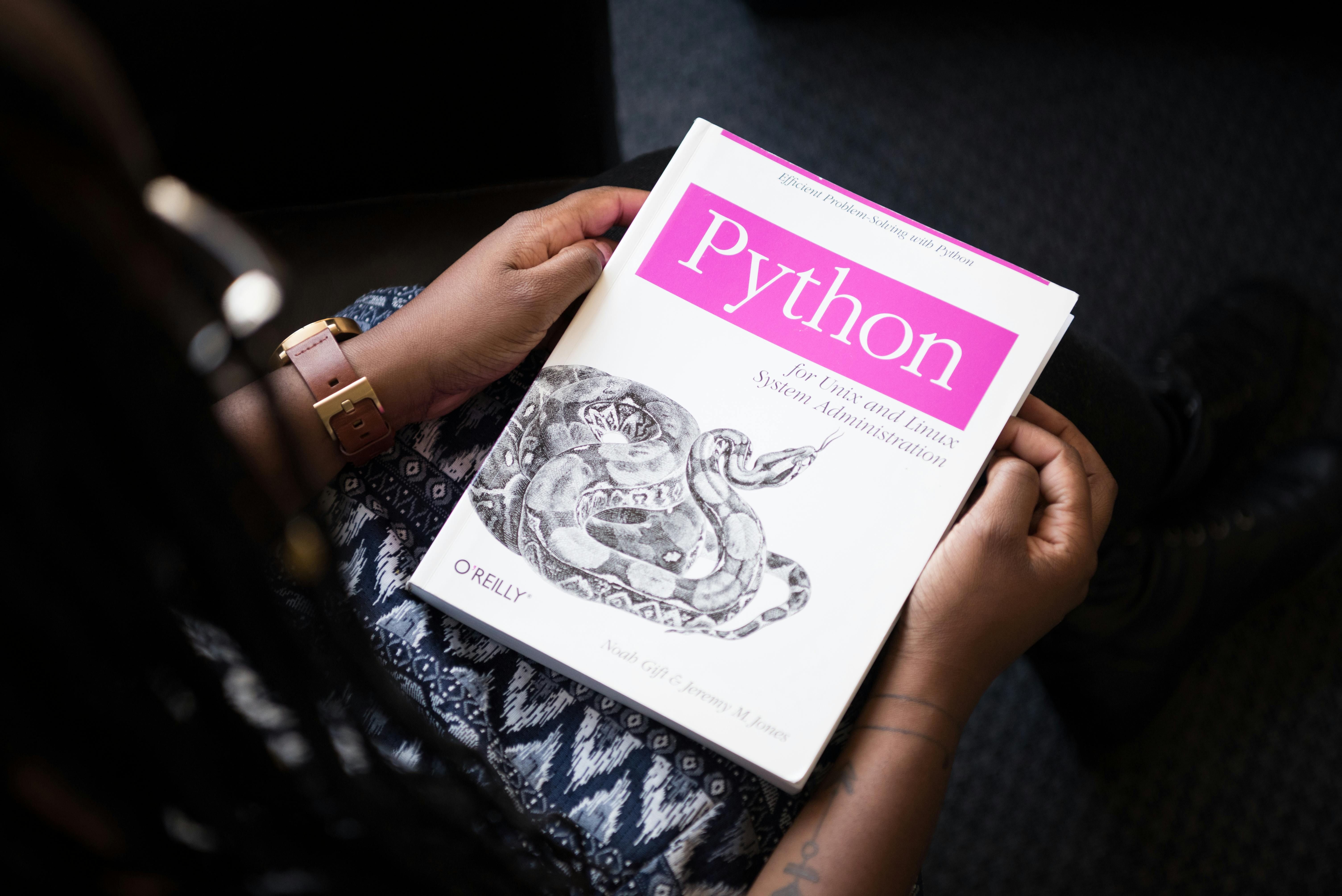
As platforms add features like playlist labels, “series” tags, and in-app quizzes, the line between casual social browsing and structured learning continues to blur, especially in these high-demand areas.
Staying Critical: Quality, Safety, and Information Hygiene
Because micro-learning often surfaces through algorithmic feeds rather than curated syllabi, the burden of quality control shifts to you. A slick production style can mask inaccurate, oversimplified, or context-free advice, particularly in fields like health, law, or finance.
- Check credentials: Look for creators who share their background, training, and affiliations, especially when teaching specialized or high-stakes topics.
- Cross-verify claims: Treat surprising or absolute statements as prompts to double-check with reputable sources before acting on them.
- Watch for nuance: Serious educators acknowledge trade-offs, exceptions, and “it depends,” even in short formats, instead of promoting one-size-fits-all prescriptions.
- Mind your mental bandwidth: Set boundaries so study clips complement your well-being rather than trigger constant comparison or burnout.
Approached with a curious yet skeptical mindset, micro-learning can broaden your horizons without pulling you into misinformation or unsustainable study habits.
Beyond the Scroll: Making Micro-Learning Part of a Bigger Journey
Micro-learning playlists capture something powerful about how we now live: always in motion, rarely with long, uninterrupted blocks of time, yet constantly holding a device that can either distract or teach. The same vertical frame that once carried only passing entertainment now holds vocab drills, exam walkthroughs, coding demos, and financial wisdom in doses small enough to fit inside a single breath between tasks.

The opportunity lies not in abandoning long-form learning, but in weaving these micro-moments into a larger fabric of study—books, problem sets, projects, and conversations. Used this way, your feed stops being the enemy of your attention and becomes a finely tuned companion to your curiosity, nudging you, clip by clip, toward the subjects and skills that can reshape your future.
