
Google and Meta Delay Vital Undersea Cable Deployments Amid Red Sea Tensions
Current State of Global Internet Infrastructure
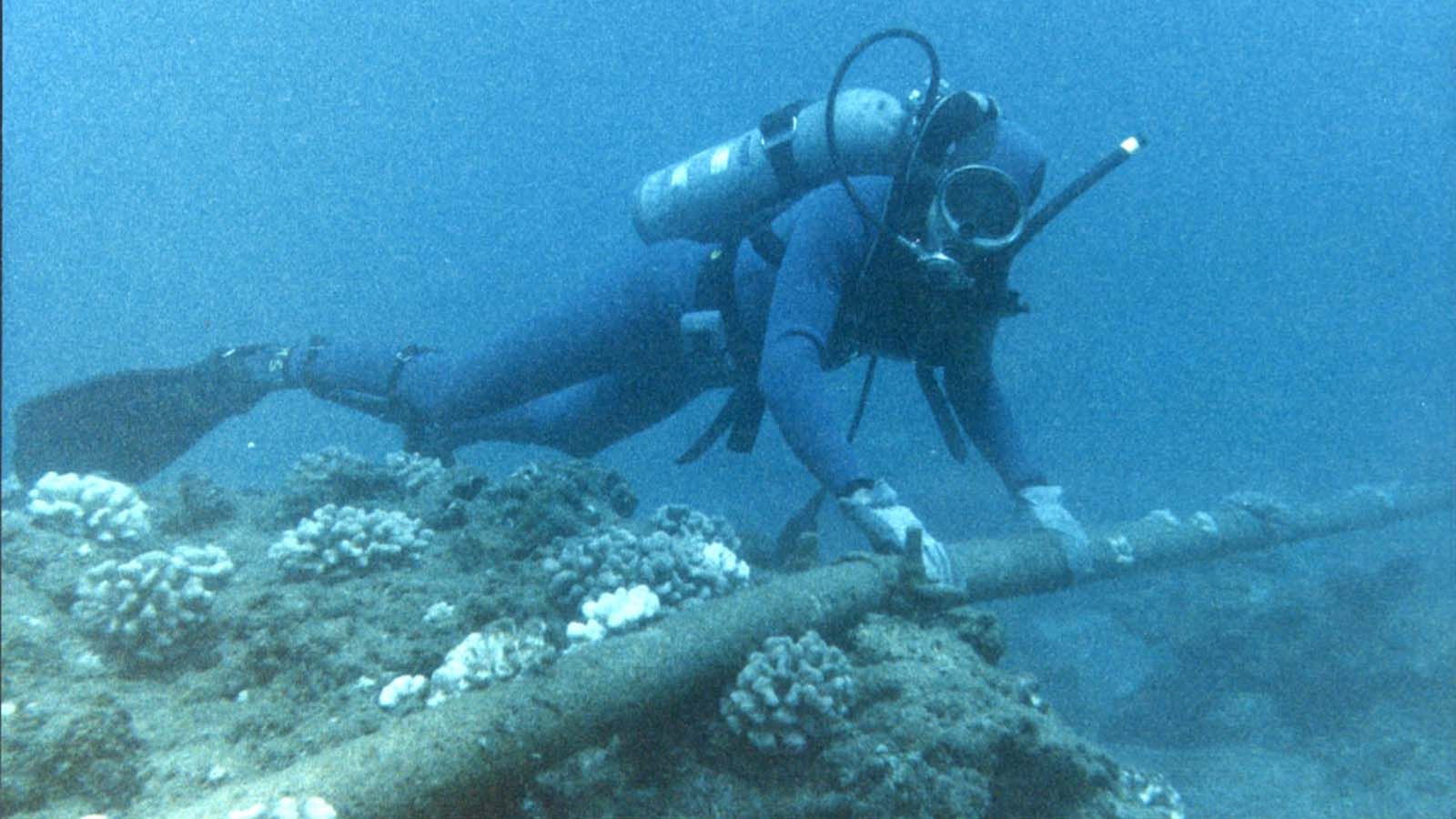
Global internet infrastructure is constantly evolving, with subsea cables playing a critical role in transmitting data across continents. These cables are responsible for 95% of intercontinental communications and data transfer, making their deployment and maintenance crucial. However, geopolitical tensions and concerns over security are posing significant challenges to this vital infrastructure.Tensions in the Red Sea
The Red Sea has been a focal point in global trade for centuries and now finds itself at the crossroads of modern technology and international relations. The complexities of navigating political tensions and ensuring the safety of subsea cable installations have resulted in significant delays. Operators are increasingly worried about sabotage, complicating installation timelines and forcing a reevaluation of deployment strategies."The strategic significance of the Red Sea cannot be overstated. It remains a critical junction for technology and global communications," says Dr. Alistair Graham, a renowned expert on international telecommunications.
Impact of Delayed Deployments
Delaying cable installations in the region could lead to tighter global bandwidth, especially in regions already struggling with connectivity issues. This development threatens businesses and individuals who rely heavily on stable and robust internet connections. With the advent of remote work, e-commerce, and digital technologies, reliable internet remains a non-negotiable necessity.- Significant bandwidth strain in countries across Asia and Africa.
- Potential disruption in global supply chains due to communication delays.
- Increased costs for businesses reliant on digital infrastructure.
Technological Solutions and Innovations
Despite the challenges, technology companies are exploring innovative solutions and alternate routes to bypass the high-risk areas. One potential strategy involves using advancements in satellite technology to offset the current stress on subsea cables. For those interested in learning more about satellite-based internet solutions, [SpaceX's Starlink Internet Kit on Amazon](https://www.amazon.com/s?k=starlink+internet+kit&linkCode=ll2&tag=currenttre04f-20&linkId=267bd924da26b6db10d01e8be3f947db) offers insights into alternative connectivity approaches.Further Exploration and Research
Tech enthusiasts and industry experts can access detailed studies and research papers on evolving internet infrastructures on platforms like [LinkedIn](https://www.linkedin.com) and [Google Scholar](https://scholar.google.com). For professional insights, you can follow [Elon Musk's Twitter](https://twitter.com/elonmusk) for updates on technological innovations. Continue Reading at Source : TechRadar
Tags:
Technology
