
Fever: How Your Body’s Heat Turns Into a Powerful Antiviral Shield
Fever can feel miserable: the chills, the aches, the restless nights. For many of us, the first instinct is to reach for a thermometer and then for the fastest fever-reducing pill we can find. But growing evidence, including recent research highlighted by NPR, suggests that fever may be doing something remarkably useful behind the scenes—making it harder for viruses to hijack our cells.
In this guide, we’ll unpack what scientists are learning about fever, why a little extra heat can help your immune system, and how to balance “letting a fever work” with staying safe and comfortable.

Why We’re Rethinking Fever
For centuries, doctors debated whether fever was harmful or helpful. Ancient Greek physician Hippocrates believed fever could support healing, while later eras often focused on suppressing it at all costs. Modern science paints a more nuanced picture: a moderate fever is usually part of the body’s strategy to fight infection, but it must be monitored carefully, especially in children, older adults, and people with chronic conditions.
“Fever is not a disease. It’s a sign that the immune system is turned on and responding.”
— Infectious disease clinicians, summarizing current medical consensus
The Problem: Fever Feels Scary—So We Often Treat It Automatically
Many people see fever as the enemy. Parents may worry that any elevated temperature could cause brain damage. Adults often suppress a mild fever to “power through” work. This understandable fear can lead us to:
- Take fever-reducing medicine the moment the temperature rises, even if we’re otherwise okay.
- Ignore the underlying infection because we feel temporarily better.
- Push ourselves too hard instead of resting, potentially prolonging illness.
The latest research suggests that, in many cases, allowing a mild to moderate fever to run its course—within safe limits—may actually help the immune system clear viruses more efficiently.
What Is a Fever, Scientifically Speaking?
A fever is not just “being hot.” It’s a carefully regulated increase in your body’s internal thermostat, controlled by a part of the brain called the hypothalamus. This thermostat is normally set around 98.6°F (37°C), though healthy ranges vary.
When your immune system detects invaders—like viruses or bacteria—it releases chemical messengers (such as cytokines and prostaglandins). These messengers tell the hypothalamus to raise the set point, much like raising the target temperature on your home thermostat.
- You start to feel cold and shivery, even though your temperature is rising.
- Your muscles contract (chills) to generate heat.
- Blood vessels in your skin tighten to hold heat inside your body.
- Your core temperature rises to the new set point: that’s the fever.
Once the infection improves and inflammatory signals drop, the hypothalamus lowers the set point again. That’s when you may start to sweat—your body is now trying to cool down.
How Fever Helps the Body Fight Viruses
Recent work highlighted by NPR, including mouse studies, suggests that the heat of a fever itself makes it harder for viruses to take over our cells. While many of these findings come from animal or cell experiments, they help explain why evolution “kept” fever as a common immune response.
1. Hotter Temperatures Can Disrupt Viral Replication
Viruses rely on our cellular machinery to copy themselves. In controlled experiments, cells kept at typical body temperature were more easily hijacked by certain viruses, while cells maintained at fever-like temperatures (for example, around 101–102°F or 38.5–39°C) were less permissive.
The NPR-covered mouse study suggests that:
- Elevated body temperature changes the structure and function of some viral and cellular proteins.
- These changes make it harder for viruses to “dock,” enter, or efficiently replicate inside cells.
- Even without extra immune cells, heat alone made viral takeover more difficult.
2. Fever “Tunes Up” the Immune System
Fever also seems to improve the performance of some immune cells:
- White blood cells move faster and may recognize infected cells more effectively at slightly higher temperatures.
- Interferons, natural antiviral proteins, may become more active, helping cells block viral replication.
- Antibody responses can be enhanced, potentially leading to better “memory” of the infection.
3. Fever May Restrict Resources Viruses Need
Higher body temperature can shift the body’s metabolism. Some nutrients may become less available to viruses, and energy is redirected toward immune activity instead of growth or physical performance.

“Fever is a highly conserved response across many species. That strongly suggests it gives a survival advantage in fighting infections.”
— Interpretation from evolutionary and immunology research
When Fever Can Be Helpful vs. Harmful
Not every fever is beneficial, and not every fever is dangerous. The key is context: temperature, age, symptoms, and underlying health all matter.
Potentially Helpful Situations
- Mild to moderate fever (around 100.4–102°F or 38–39°C) in an otherwise healthy adult or older child.
- Associated with typical viral illness symptoms: sore throat, cough, runny nose, mild body aches, fatigue.
- Person is drinking fluids, can rest, and is generally alert and responsive.
In these scenarios, allowing the fever to run—while monitoring for changes—may support the immune response.
Warning Signs: When Fever Needs Immediate Medical Attention
Seek urgent or emergency care right away if a fever is accompanied by any of the following:
- Difficulty breathing, bluish lips or face, or chest pain.
- Confusion, severe drowsiness, inability to wake the person properly.
- Stiff neck, severe headache, rash that doesn’t fade when pressed.
- Seizures, especially if it’s the first one.
- Signs of dehydration: very dry mouth, no tears when crying, little or no urine, dizziness.
- Fever >104°F (40°C) in adults, or any fever in a baby under 3 months (often defined as ≥100.4°F / 38°C—check your local guidelines).
A Real-World Example: Letting a Mild Fever Do Its Job
Consider a common situation: a healthy 35-year-old develops fatigue, mild cough, and a fever of 101.3°F (38.5°C). In the past, they might have taken ibuprofen immediately and continued working.
Instead, after discussing with a clinician, they decide to:
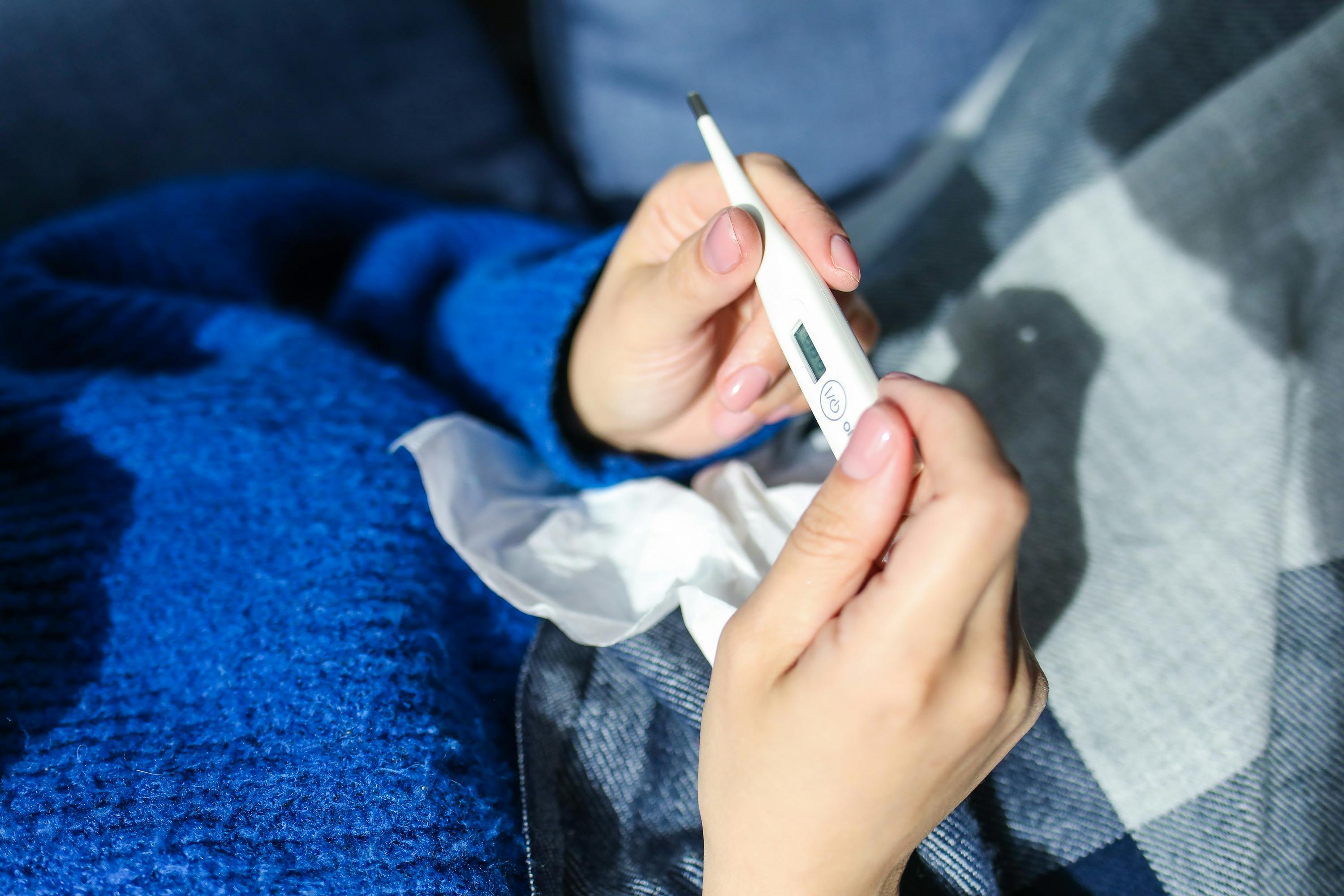
- Confirm the temperature with a reliable digital thermometer.
- Hydrate regularly and rest at home.
- Use light clothing and bedding to avoid overheating, but embrace the chills as the body raises its set point.
- Hold off on fever-reducing medication while the fever remains under 102°F (39°C) and symptoms are tolerable.
- Monitor symptoms and agree to seek care if breathing worsens, confusion appears, or the fever spikes.
Over the next 24–48 hours, the fever fluctuates but gradually resolves. Although they felt uncomfortable, they recovered without complications. While we can’t say with certainty that allowing the fever improved this particular outcome, their approach aligned with growing evidence that a moderate fever can be part of a healthy response—provided safety boundaries are respected.
Practical Steps: How to Manage Fever Safely at Home
Managing a fever is about balance: supporting your body’s natural defenses while preventing overheating, dehydration, and dangerous complications.
1. Measure Fever Accurately
- Use a digital thermometer (oral, tympanic/ear, or temporal/forehead, depending on age and instructions).
- Follow manufacturer directions closely; ear and forehead readings can vary with user technique.
- Log temperatures, noting time, method, and any medications taken.
2. Focus on Comfort and Hydration
- Drink water, oral rehydration solutions, or clear broths regularly.
- Wear light, breathable clothing and use a light blanket.
- Use a cool, damp cloth on the forehead if it feels soothing, but avoid ice baths or alcohol rubs.
3. When to Use Fever-Reducing Medications
Medications such as acetaminophen (paracetamol) and ibuprofen can help relieve discomfort and reduce fever. They are especially useful when:
- Fever is causing significant pain, discomfort, or preventing sleep.
- There are underlying conditions (for example, heart or lung disease) where sustained fever may be riskier.
- A healthcare professional has recommended using them.
Always:
- Follow dosing instructions based on age and weight.
- Avoid double-dosing (for example, taking two products that both contain acetaminophen).
- Check with a doctor or pharmacist for children, pregnancy, liver or kidney disease, or when taking other medications.
Common Obstacles and How to Overcome Them
Fear: “Any Fever Is Dangerous”
It’s understandable to feel anxious when a thermometer shows a number above normal. But for most otherwise healthy people, a low-to-moderate fever from a viral illness is not, by itself, harmful.
What helps:
- Learn your healthcare system’s guidelines on fever thresholds.
- Use a plan: “If the fever reaches X, or if symptom Y appears, I’ll call for help.”
- Remember that how someone looks and behaves matters more than the exact number.
Discomfort: “I Can’t Function With a Fever”
Fever is exhausting by design—your body is telling you to rest. For many, this conflicts with work, parenting, or other responsibilities.
What helps:
- If possible, accept that rest is part of healing and temporarily lower expectations of productivity.
- Use scheduled breaks, hydration, and light meals to support energy.
- Consider short-acting fever reducers when essential tasks cannot be delayed, while still allowing some time for the fever to work.
Misinformation: “I Heard Fevers Always Need to Be Treated”
Social media and well-meaning friends may share outdated or oversimplified advice. Current guidelines emphasize the person’s overall condition, not just the number.
What helps:
- Rely on trusted sources like your national health agency or major medical organizations.
- Ask your clinician for a written or electronic “sick day” plan outlining when to treat fever and when to seek help.
- Share accurate resources with family members who may worry.
What Experts and Research Say About Fever
The NPR report on fever and viral infections highlights new animal research suggesting that fever-like temperatures directly impair viruses’ ability to take over cells. These findings add to a broader body of work showing that:
- Fever is an evolutionarily conserved response seen in many animals, indicating survival benefits.
- Moderate fever can enhance certain immune processes in laboratory settings.
- Aggressively suppressing all fever during illness may not always be necessary or beneficial, especially if symptoms are manageable.
“Most fevers caused by common infections are self-limited and help your body fight disease. Treatment decisions should focus on comfort and underlying risk, not on chasing normal numbers.”
— Paraphrased guidance from infectious disease and pediatric societies
While mouse and cell studies cannot perfectly predict what happens in every human illness, they support a growing consensus: fever is often part of the solution, not just a symptom to eliminate.

Before and After: Changing How You Respond to Fever
Many people find it helpful to rethink their approach to fever using a simple “before vs. after” perspective.
- View fever as purely harmful.
- Take medication immediately at the first sign of temperature rise.
- Push through work and daily tasks despite feeling ill.
- Worry about the number more than overall symptoms.
- See fever as a sign your immune system is active.
- Use medication strategically for comfort and safety, not automatically.
- Prioritize rest and hydration to support recovery.
- Monitor both the temperature and how you (or your child) are acting and feeling.

Key Takeaways: Working With Fever, Not Against It
- Fever is a natural defense that can make it harder for viruses to hijack your cells and may boost immune responses.
- Moderate fever is often safe in healthy older children and adults, if hydration and rest are maintained and there are no red-flag symptoms.
- Medications like acetaminophen and ibuprofen are valuable tools for comfort and safety, but they don’t cure the infection and don’t always need to be used immediately.
- Context matters: age, medical history, and symptoms beyond the temperature guide whether to seek medical care.
- Stay informed: rely on reputable medical sources and your healthcare team rather than myths and anecdotes alone.
Moving Forward: A More Confident Relationship With Fever
Feeling feverish will probably never be pleasant—but understanding what’s happening can make it less frightening. Your body isn’t simply “malfunctioning”; in many cases, it’s turning up the heat to create a harsher environment for viruses and a more supportive one for your immune cells.
The next time you or someone in your family develops a fever:
- Measure it carefully and write it down.
- Check for red-flag symptoms (breathing, confusion, severe pain, rash, dehydration).
- Support the body with rest, fluids, and light clothing.
- Use fever-reducing medicine when comfort, underlying health, or medical advice calls for it.
- Reach out to a trusted healthcare professional if you’re uncertain or worried.
You don’t have to love the way a fever feels. But with a better understanding of how it helps fight viruses, you can make calmer, more informed choices about when to let it work—and when to get help.
If you’re currently dealing with a fever, consider calling your healthcare provider today to create a personalized plan for monitoring and treatment that fits your health history and comfort level.
