
America’s New Thanksgiving Ritual: How ‘Green Wednesday’ Turned Cannabis Into a Holiday Staple
This deep dive explores why cannabis sales are exploding around Thanksgiving, what it says about changing American culture, and how consumers can stay safe, legal, and well-informed in this fast-evolving market.
A New Kind of Holiday Rush
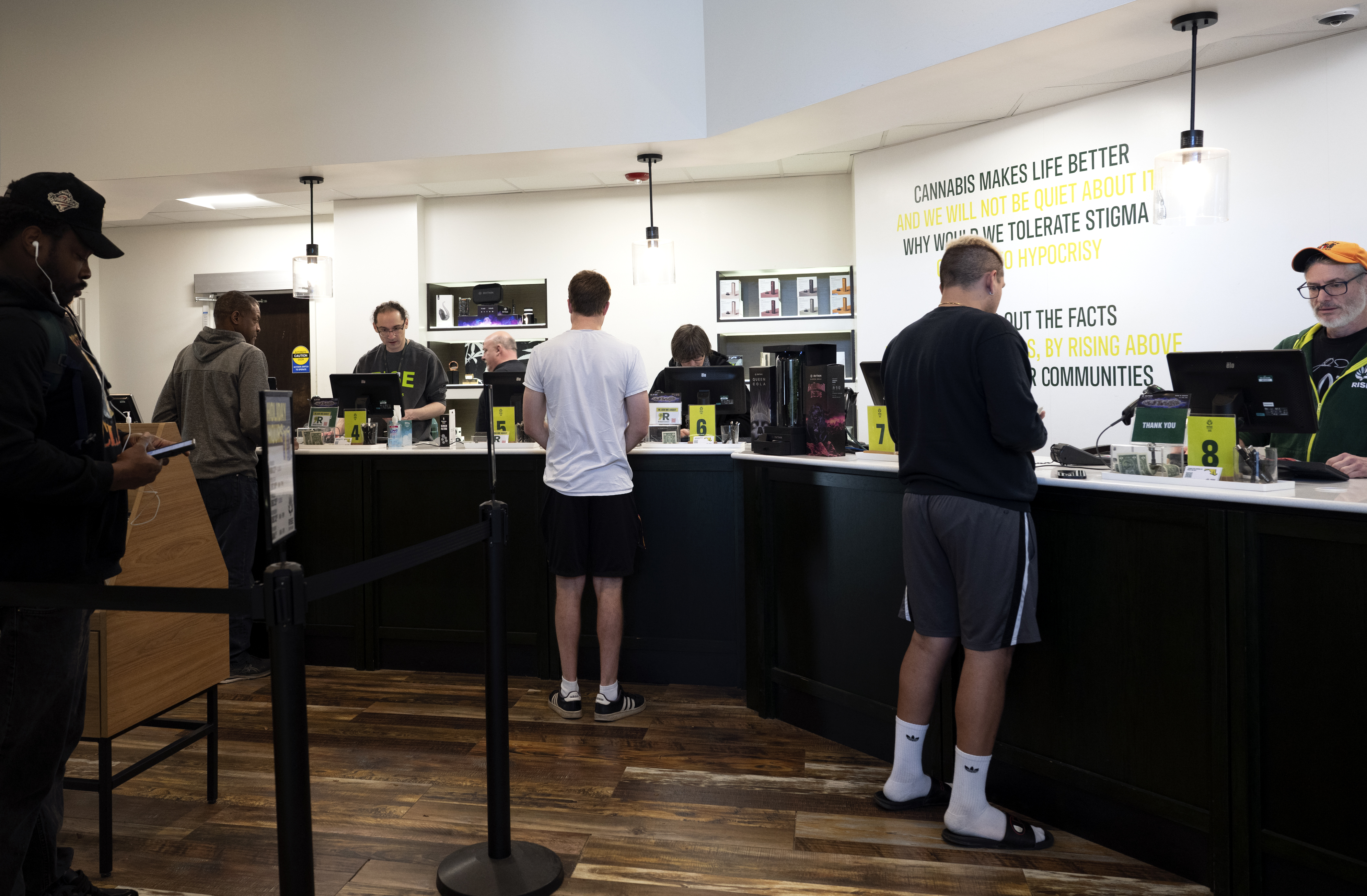
At a Maryland cannabis dispensary on what industry insiders now call “Green Wednesday,” one popular product sold out in just 15 minutes — a snapshot of a national trend that’s transforming late November into one of the busiest periods for legal cannabis retailers. As more U.S. states legalize recreational and medical marijuana, Thanksgiving week is rapidly becoming a peak moment for sales, social use, and experimentation with new cannabis-infused products.
What Is Green Wednesday and Why Has It Become So Big?
“Green Wednesday” refers to the Wednesday before Thanksgiving, now one of the highest-grossing days of the year for legal cannabis in the United States. Originally popularized by dispensaries in California and Colorado, the term has spread nationwide as retailers recognized that many adults stock up on cannabis before traveling, hosting relatives, or navigating family gatherings.
According to transaction data published by cannabis analytics firms in recent years, Green Wednesday sales in many states now outpace traditional “weed holidays” such as April 20 (4/20). The pattern has held and intensified as legalization expands: more consumers, more products, and more targeted holiday promotions.
- Retailers report sharp spikes in foot traffic and online orders starting the Tuesday before Thanksgiving.
- Pre-rolls, edibles, and vape cartridges tend to dominate Green Wednesday sales.
- Many shops extend hours, add staff, and offer time-limited discounts to handle demand.
Why Americans Are Buying Record Amounts of Cannabis for Thanksgiving
Thanksgiving can be joyful — but also stressful. Travel delays, crowded airports, complex family dynamics, and the pressure of hosting or attending large dinners all converge in a single long weekend. In that environment, legal cannabis has emerged as a popular tool for relaxation, social bonding, and, for some, pain relief or sleep support.
Key motivations behind the Thanksgiving cannabis surge
- Stress relief: Adults report using cannabis to decompress after travel, cooking, and family interactions.
- Social connection: Small groups of friends or cousins often step away for a shared smoke or edible, in a ritual similar to sharing a drink.
- Sleep and recovery: Some consumers turn to cannabis products to manage insomnia and physical aches after long days on their feet.
- Curiosity and experimentation: With legalization and abundant education online, more people feel comfortable trying cannabis for the first time in familiar settings.
“A record share of U.S. adults say marijuana should be legal for recreational or medical use,” notes survey data from nonpartisan research organizations, reflecting the broader cultural shift that underpins the Green Wednesday boom.
Inside a Maryland Dispensary: Fifteen Minutes to Sell Out
Maryland, which recently expanded legal adult-use cannabis, offers a vivid example of the Thanksgiving rush. On Green Wednesday, one dispensary in the state reported that a heavily discounted, limited-edition pre-roll pack disappeared from shelves in roughly 15 minutes. By early afternoon, staff were updating menus in real time as popular items — gummies, vapes, and infused beverages — sold out far faster than on a typical weekday.
Staff described the atmosphere as a blend of holiday cheer and logistical marathon: lines out the door, digital ordering terminals buzzing, and customers ranging from seasoned consumers to grandparents quietly asking first-time questions about low-dose edibles.
This pattern is repeating in many newly legalized states, where pent-up curiosity combines with holiday downtime to create a perfect storm of demand.
How Legalization Has Quietly Changed the American Holiday Season
As of late 2025, a growing majority of Americans live in states where some form of marijuana use is legal, whether for medical purposes, adult recreational use, or both. This shift has not only impacted criminal justice and tax revenue — it has also reshaped the rhythms of U.S. holidays.
From back porch stigma to mainstream ritual
- Normalization: In many households, cannabis is now discussed in the open, similar to wine or craft beer.
- Gifting: Curated cannabis gift boxes, CBD spa kits, and infused cooking oils are marketed as adult holiday presents.
- Tourism: Some travelers plan Thanksgiving trips to states with legal dispensaries, blending family visits with “cannabis tourism.”
Yet, despite growing acceptance, laws remain sharply divided across state lines, and cannabis remains illegal at the federal level, keeping consumers in a complex and sometimes confusing legal environment.
Health, Safety, and Responsible Use During the Holidays
Public health experts emphasize that legalization does not mean risk-free. Responsible, informed use is essential — particularly around a family-centered holiday that often involves driving, cooking, caring for children, and interacting with older relatives who may have medical vulnerabilities.
Evidence-based guidance for adult consumers
- Start low, go slow: Especially with edibles, which can take 30–120 minutes to take effect. Overconsumption is a leading cause of unpleasant experiences and emergency room visits.
- Avoid mixing with alcohol: Combining cannabis and alcohol can impair judgment and coordination more than either alone.
- Never drive impaired: Driving under the influence of cannabis is dangerous and illegal, even in states where use is legal.
- Store products securely: Keep all cannabis, especially edibles that look like regular snacks, locked away from children and pets.
Organizations such as the U.S. Centers for Disease Control and Prevention (CDC) provide evolving guidance on cannabis and health, including potential impacts on mental health, cardiovascular risk, and adolescent brain development. Readers can explore up-to-date information through official resources and peer-reviewed research indexed on platforms like PubMed.
What People Are Buying: Edibles, Vapes, and Low-Dose Options
Industry sales data for recent Thanksgiving weeks show clear overperformance in discreet, shareable, and easy-to-dose products. While traditional flower remains popular, Green Wednesday shoppers often gravitate toward items that fit smoothly into family gatherings.
Holiday-friendly product categories
- Edibles: Gummies, chocolates, and baked goods with precisely labeled THC and CBD content.
- Vape cartridges: Portable, odor-reduced formats that are easier to store discreetly.
- Infused beverages: Sparkling drinks and low-dose “social tonics” positioned as alternatives to alcohol.
- Topicals: Balms and creams meant for localized pain relief, often popular among older adults wary of intoxication.
For consumers seeking non-intoxicating experiences, CBD-dominant products and hemp-derived offerings have carved out a significant share of the holiday wellness market. Reputable brands typically publish third-party lab results and detailed dosing guidelines, which can help new users make more informed decisions.
From the Dispensary to the Dinner Table: Cannabis and Thanksgiving Food Culture
While most Thanksgiving tables remain traditionally sober, a niche but growing subset of adults experiments with cannabis-infused dishes and beverages. Culinary creators, cookbook authors, and social media personalities share recipes for low-dose infused gravies, sauces, and desserts — always emphasizing careful dosing and keeping any infused dishes clearly labeled and separate from regular food.
For those more comfortable with non-psychoactive options, high-CBD oils and hemp-based ingredients are featured in wellness-centered recipes, from salad dressings to mocktails.
“Cooking with cannabis isn’t about excess — it’s about precision, patience, and respect for your guests,” many cannabis chefs emphasize in interviews and online classes, underscoring that responsible hosting means transparency and consent.
Readers interested in the broader culinary and cultural aspects can explore commentary from chefs and educators on platforms like Bon Appétit and video explainers on YouTube channels that focus on regulated, legal markets.
Navigating the Legal Patchwork: What Thanksgiving Travelers Need to Know
One of the most challenging aspects of Green Wednesday is that laws can change dramatically from one jurisdiction to the next. A product purchased legally in one state may be illegal as soon as a traveler crosses a border or enters federal jurisdiction, such as an airport or national park.
Essential legal reminders for holiday travelers
- Check state laws at both departure and destination. Rules for possession limits, public use, and home storage vary widely.
- Do not cross state lines with cannabis, even between two legal states. Interstate transport remains prohibited under federal law.
- Avoid airports and federal property with cannabis, where federal rules apply regardless of state policy.
- Understand rental and hotel policies: Many accommodations prohibit smoking or vaporizing indoors, regardless of legality outside.
Legal organizations and policy think tanks such as the Brookings Institution have documented how this state–federal conflict continues to complicate everyday decisions for otherwise law-abiding adults.
The Economics of Green Wednesday: A New Seasonal Revenue Stream
For licensed cannabis companies, Green Wednesday now functions much like Black Friday or Cyber Monday in traditional retail. Dispensaries schedule promotional campaigns weeks in advance, optimize inventory, and roll out loyalty rewards to capture repeat business throughout the holiday season.
How dispensaries prepare for the Thanksgiving surge
- Bulk ordering of high-demand items such as pre-rolls and gummies.
- Time-limited discounts for early birds and loyalty program members.
- Expanded online menus and pre-order options to reduce wait times.
- In-store education corners with staff trained to assist first-time buyers.
Local governments benefit too, as seasonal spikes translate into higher excise tax revenues that support public services. Economists and policy researchers continue to track how this emerging “green season” fits within broader consumer spending patterns during November and December.
Social Media, Influencers, and the Story We Tell About Cannabis and Thanksgiving
On platforms such as Instagram, TikTok, and X (formerly Twitter), influencers and everyday users share memes, recipes, and personal reflections about cannabis and the holidays. Some creators frame cannabis as a wellness tool; others emphasize humor, posting about “stepping outside with cousins” before dinner or relaxing with an infused beverage after dessert.
Prominent voices in drug policy reform, including researchers, physicians, and advocates, often use the holiday period to remind followers about responsible consumption, avoiding underage use, and recognizing signs of problematic patterns.
“Normalization must go hand in hand with education,” leading public health experts frequently say, noting that transparent discussion is more effective than stigma in reducing harm.
For balanced perspectives, readers can follow evidence-focused communicators and policy analysts on professional networks such as LinkedIn, where debates around regulation, workplace policy, and public health are especially active around high-use periods like Thanksgiving and 4/20.
Practical Tools and Resources for Informed Cannabis Use
As Green Wednesday grows, so does the ecosystem of tools designed to help adults track, measure, and moderate their cannabis use. Some apps allow users to log strains, doses, and effects; others provide reminders to avoid mixing substances or to arrange safe transportation.
Educational organizations and universities have published plain-language guides on topics such as THC potency, safe storage, and the differences between inhaled and ingested products. Video explainers on trusted YouTube channels and investigative reports from outlets such as The New York Times or The Washington Post’s cannabis coverage can also help readers separate marketing claims from documented evidence.
Additional Context: How Green Wednesday Fits Into Long-Term Trends
The rise of Green Wednesday is part of a broader, decades-long transformation in how the United States approaches cannabis. What was once almost entirely underground is now a regulated, taxed, and heavily analyzed industry. Thanksgiving week has merely provided a clear and highly visible moment to observe these shifts.
For readers who want to keep following this story beyond the holiday season, several key trends are worth watching:
- Ongoing federal debates over rescheduling or decriminalization of cannabis.
- New state ballot measures that could expand or restrict legal markets.
- Research into long-term health outcomes related to regular cannabis use.
- Workplace and insurance policies as more adults use cannabis legally in their private lives.
As legalization continues to evolve, Thanksgiving — and Green Wednesday in particular — will remain a revealing lens on how Americans balance tradition, leisure, health, and law in the 21st century.
