
Revolutionary Stanford Technology Restores Vision
Understanding Geographic Atrophy
Geographic atrophy is an advanced stage of age-related macular degeneration (AMD), a condition affecting millions worldwide. It leads to the gradual loss of vision as the macula, the central part of the retina, deteriorates. This not only impacts daily activities such as reading and recognizing faces but severely diminishes the quality of life. Understanding its impact underscores the significance of breakthroughs in treatment.
The Innovative Solution by Stanford
Daniel Palanker, a visionary in the field of ophthalmology, spearheaded the development of a prototype solution aimed at reversing blindness caused by geographic atrophy. The innovative glasses designed by Palanker and his team incorporate a sophisticated camera system that captures and processes visual information, enabling the transmission of this data directly to the brain. This cutting-edge approach holds potential far beyond current treatments.
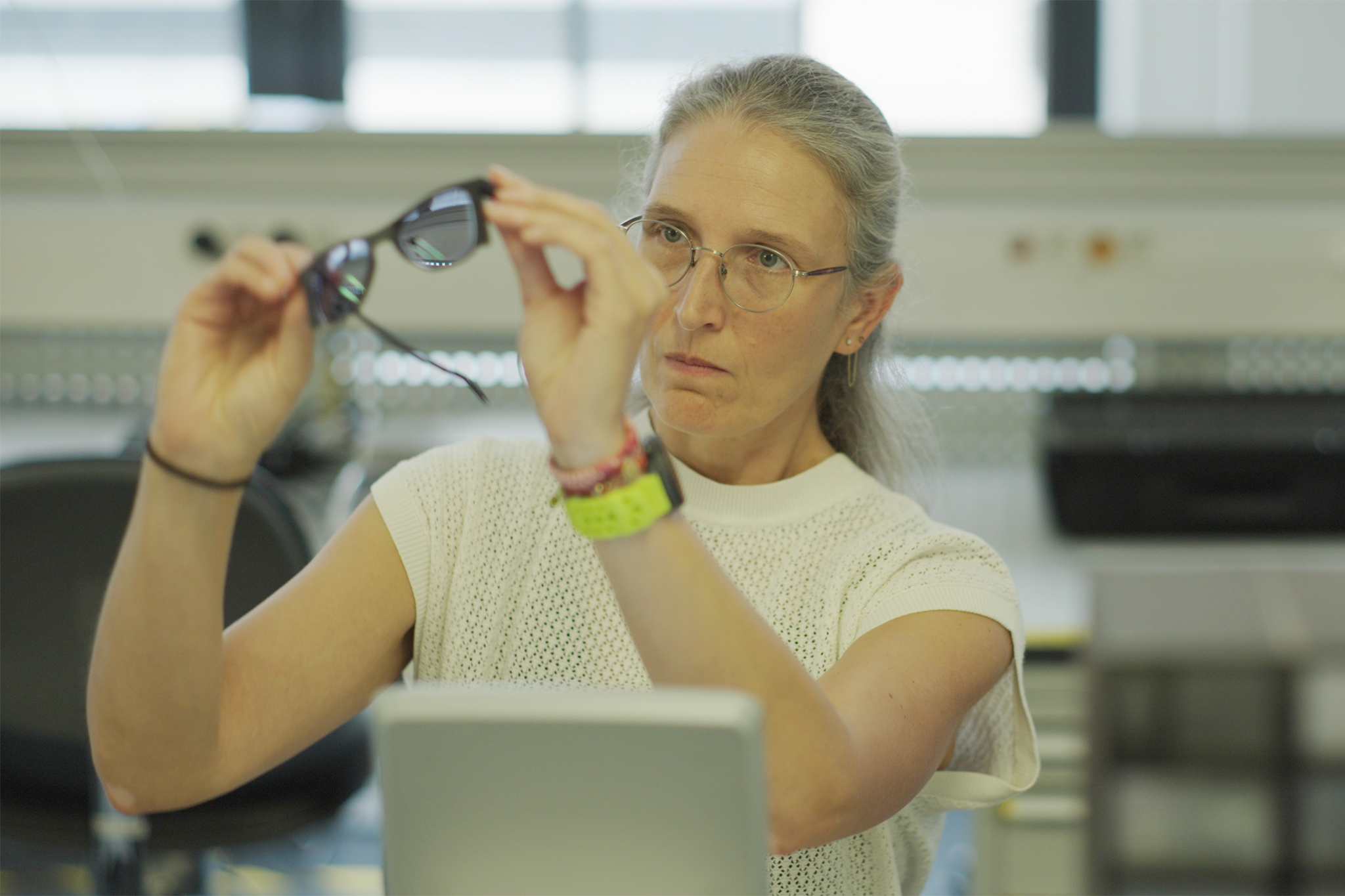
Daniel Palanker: A Pioneer in Vision Restoration
"Our goal is to give people their lives back," Palanker stated, emphasizing the profound impact this technology could have on those living with vision impairment.
Palanker, alongside his dedicated team at Stanford, has been at the forefront of research dealing with implantable devices and adaptive optics. His relentless pursuit of restoring vision, with an emphasis on patient-centric solutions, positions him as a prominent figure in the ophthalmic community.
How the Technology Works
- Recognition: The integrated camera system captures environmental visuals.
- Processing: Advanced algorithms process the visual information.
- Transmission: Information is relayed to the visual cortex for interpretation.
Through these steps, the system aims to bypass damaged retinal regions, restoring functional sight to the severely affected.
Patient Stories of Transformation
The ability to see loved ones' faces or read a favorite book again illustrates the profound transformations in patients' lives. Many have reported regaining their independence and experiencing a renewed zest for life.
Looking Ahead: Future Implications
This advancement hints at a future where vision impairment no longer means irreversible sight loss. Ongoing research may further refine the technology, expanding its accessibility and potentially addressing other forms of blindness.
Additional information and updates on this remarkable development can be found on reputable platforms such as the SFGate and LinkedIn articles detailing similar technological advances in healthcare innovation.
For more insights into science and technology breakthroughs, follow inspiring professionals like Daniel Palanker on platforms like LinkedIn, where pioneering research and updates are frequently shared.
