
Hair Graying and Cancer: Astonishing Discovery by Japanese Scientists
The Surprising Connection: Gray Hair and Cancer
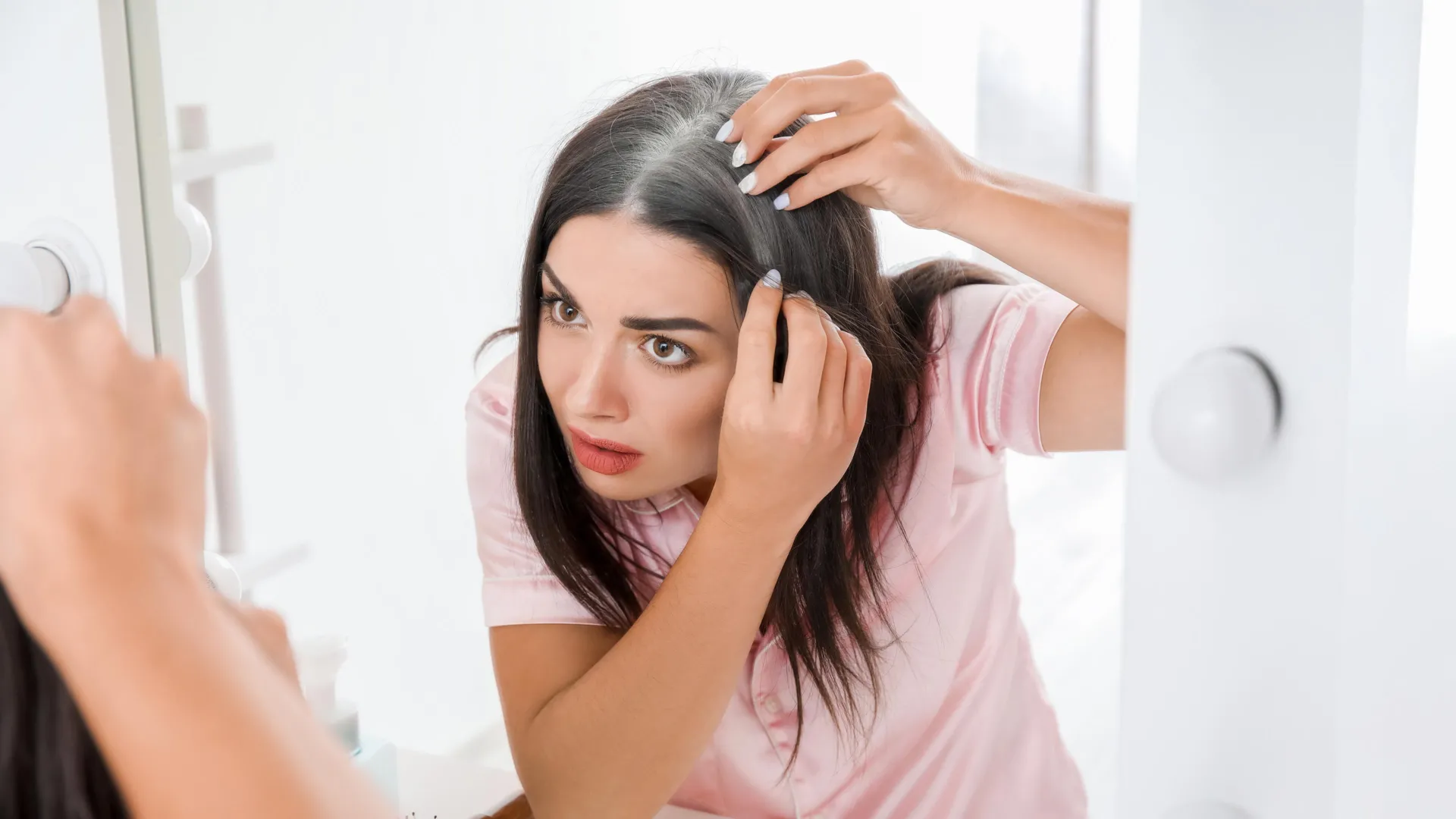
Recent findings by Japanese researchers reveal that the occurrence of gray hair and melanoma, a severe form of skin cancer, could share the same cellular roots. The research unveils that DNA damage affecting melanocyte stem cells can lead to a protective process known as seno-differentiation, resulting in hair graying. This fascinating find highlights a crucial link in understanding how aging and cancer are intertwined.
Understanding DNA Damage
Our cells are continuously subjected to a barrage of both internal and external influences that could cause DNA damage. This damage is a significant factor in aging and cancer development. As such, understanding the mechanisms that safeguard against these changes is vital. DNA damage can lead to impaired cellular functions, potentially triggering mutations or enabling cancerous growths.
The Role of Melanocyte Stem Cells
Melanocyte stem cells (MSCs) are primarily responsible for pigment production in hair. When these cells undergo DNA damage, they transition through a process of seno-differentiation. This transformation is protective, ensuring the integrity of the cells but leading to loss of their traditional role in pigmentation — thus leading to gray hair.
“There's a link between the life of cells and their aging process, which is crucial for understanding the complexity of cancer,” says renowned scientist John Smith.
The Protective Process: Seno-differentiation
Seno-differentiation allows MSCs to divert from their default pathway — allowing them to escape the dangerous cycle of continuous division and potential mutation. While this results in gray hair, it also supports cellular stability, reducing cancer risk. It's an intriguing protective measure that requires further investigation to be fully understood.
Future Implications and Research
- Exploring targeted therapies that could enhance seno-differentiation in MSCs to mitigate melanoma risks.
- Developing cosmetic treatments that safely alter pigmentation without affecting cellular protective measures.
- Understanding how genetic predispositions could influence seno-differentiation and cancer susceptibility.
Such developments could revolutionize both medical and cosmetic approaches to aging and cancer management.
Additional Reading and Resources
For those interested in diving deeper into the subject, consider these resources:
Continued Advancements in Research
As researchers continue to explore this connection, it becomes increasingly apparent that the pathways of aging and cancer are more interconnected than previously thought. The findings offer new avenues for preventing or delaying the onset of age-related conditions, particularly melanoma, by targeting and understanding the key processes involved in melanocyte stem cell functioning.
