
Discovering the Secrets of Mosquito Interactions Through Glowing Sperm
Unveiling the Mysteries of Mosquito Mating
Mosquitoes are more than just a summertime pest; they are vectors for some of the world's most dangerous diseases, such as dengue fever and Zika virus. Understanding how these insects reproduce is crucial in controlling their populations and mitigating disease transmission. In the forefront of this research, scientists have discovered that female Aedes aegypti mosquitoes play a pivotal role in the mating process, a revelation unveiled through the ingenious use of glowing sperm.
Using Biotechnology to Illuminate Sexual Behavior
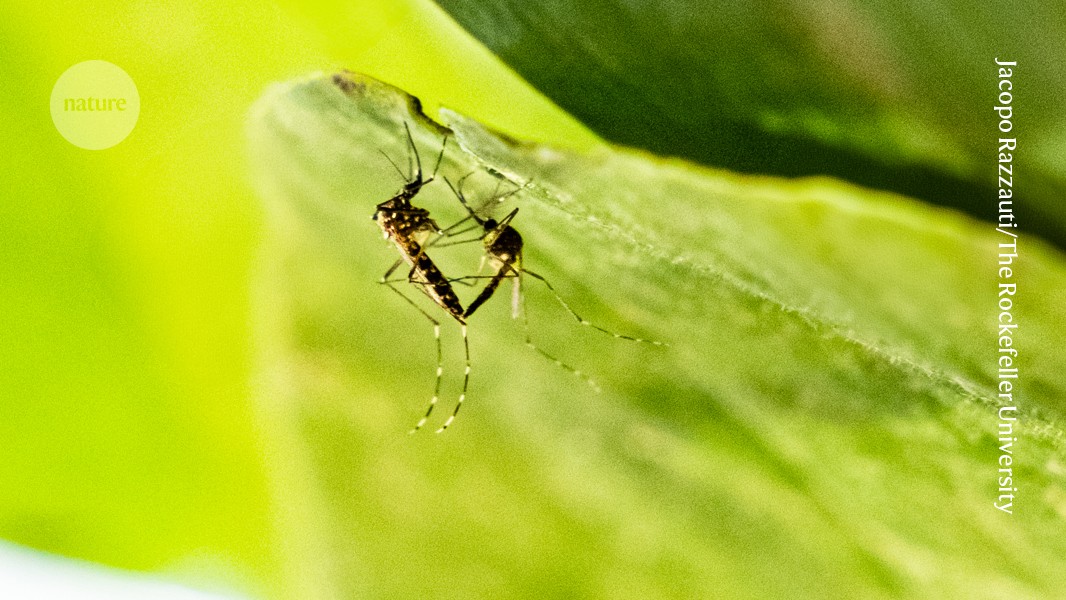
The study, spearheaded by a team at The Rockefeller University, applied genetic engineering to make male mosquito sperm fluorescent. This technological marvel allows researchers to track sperm after insemination, providing unprecedented insights into the reproductive rituals of mosquitoes. The brief duration of copulation, lasting around 14 seconds, emphasizes the efficiency and precision required in mosquito reproduction.
Female Autonomy in Mating Decisions
While it's easy to presume the male mosquito dictates the dynamics of mating, it's actually the female that signals her readiness by delicately extending her genitalia to facilitate the process. This discovery challenges prior assumptions and highlights the intricate courtship that might have substantial implications in the field of pest control.
"The fascinating research into mosquito mating gives us new tools to combat vector-borne diseases, offering hope for a future with reduced mosquito-borne illnesses,"—Dr. Fiona Hunter, Entomologist.
Implications for Disease Control
By understanding these mating rituals and behaviors, scientists can develop more targeted methods of controlling mosquito populations. For example, genetic modifications could be engineered into the pest population, disrupting reproduction cycles and reducing the number of disease-bearing mosquitoes. Explore mosquito repellent devices that can help you stay protected.
The Role of Collaborative Research
This breakthrough is a testament to the power of scientific collaboration and innovation. Researchers worldwide are now keen to expand this knowledge, integrating it into broader pest control frameworks. Integrating machines and AI could enhance this research, leading to faster, automated identification of mating rituals and possibly the genetic weaknesses of mosquito populations.

This new exploration into the sexual behavior of mosquitoes not only advances our scientific understanding but also opens a new frontier of controlling these tiny but mighty creatures that affect millions of lives each year.
