
Understanding Chagas Disease: The Implications of Kissing Bug Spread in the US
Unveiling the Threat: Understanding the “Kissing Bug” Disease
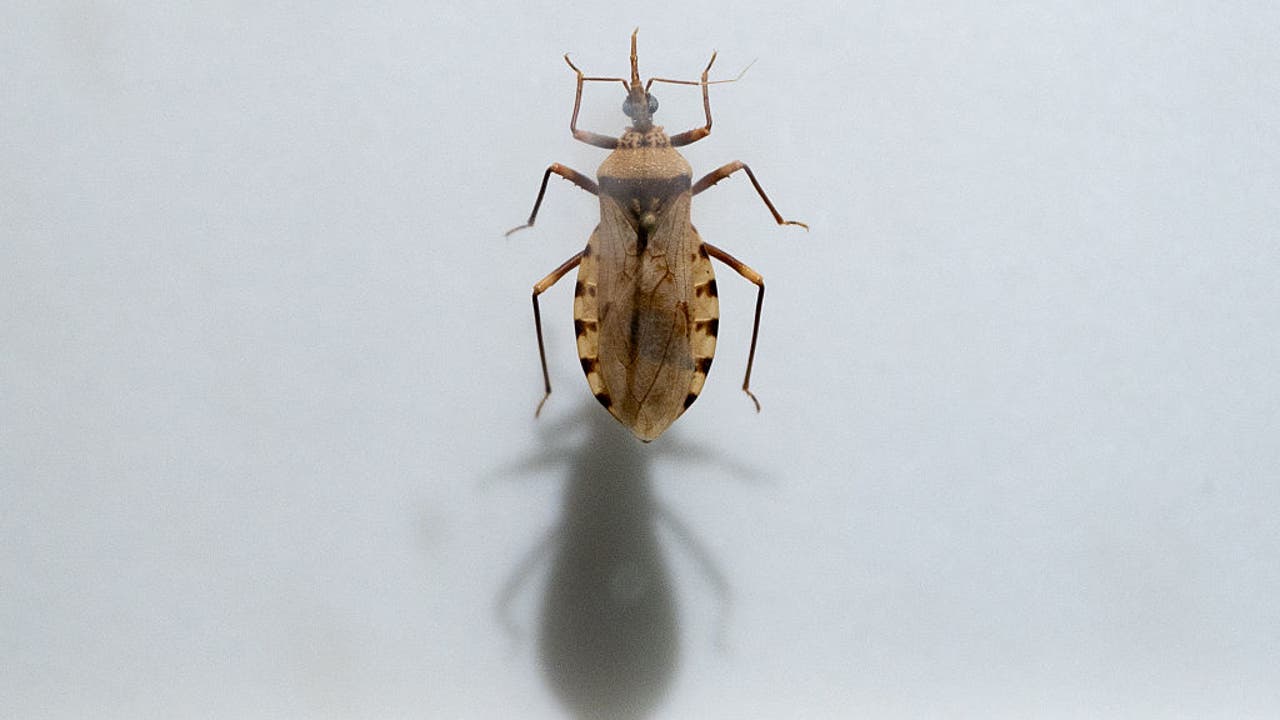
Chagas disease, often referred to as "the silent killer," is caused by the parasite Trypanosoma cruzi and is primarily transmitted to humans via the triatomine bug, also known as the “kissing bug” due to its propensity to bite near the lips. As these bugs proliferate, reports have emerged highlighting a concerning uptick in cases across the southern and central United States.
The Lifecycle of the Kissing Bug
The life cycle of the kissing bug and its role in Chagas disease transmission is complex. Triatomine bugs carry the parasite in their intestines, and it is transmitted to humans when the bug’s feces contaminate mucus membranes or open wounds. This often occurs when a person unwittingly scratches the bug’s bite.
"Increased awareness and early diagnosis are key to managing the potential threat of Chagas disease," warns Dr. Susan Montgomery from the CDC.
Chagas can result in chronic conditions such as heart failure and digestive disorders if left untreated. Moreover, the incubation period before symptoms appear can span decades, complicating efforts for timely intervention.
Public Health Implications and Response Efforts
The potential classification of Chagas disease as endemic in the United States presents significant public health challenges. Agencies at national and state levels are urged to amplify surveillance, diagnostic capabilities, and awareness. Efforts are also underway to educate clinicians on recognizing and treating the disease effectively.
Symptoms and Diagnosis: What to Watch For
Chagas disease has two phases: acute and chronic. The acute phase might present with mild symptoms, such as fever and fatigue, often mistaken for common infections. The chronic phase can be asymptomatic for years, making it essential for healthcare providers to maintain a high index of suspicion.
- Swelling at the site of the bug bite.
- Fever and body aches.
- Heart complications during chronic stage.
For more detailed insights, visit CDC's official page on Chagas Disease.
Pharmaceutical interventions remain limited but are crucial for infected individuals. Nifurtimox and Benznidazole are recognized treatments, although their availability can be constrained.
Explore Nifurtimox available on Amazon for more details.
Empowering Communities with Knowledge
Educational campaigns targeting at-risk communities are vital for controlling the spread of the kissing bug. Providing residents with information on home improvements that decrease bug infestations, like sealing cracks and gaps, can make a notable difference.
Research Directions and Long-term Strategies
Forward-looking strategies focus on improving diagnostic methods and vaccine research. Collaboration between governmental bodies, healthcare entities, and international partners is paramount to curtailing the spread of Chagas disease.
By advancing research and public awareness, there is hope for reducing the impact of this pervasive disease. Stay updated by following experts like Dr. Montgomery on platforms such as Twitter.
The fight against Chagas disease requires a multifaceted approach, integrating public involvement, medical innovation, and policy support to protect present and future generations.
