
Health Influencers vs. Your Body's Essential Part: A Surprising Clash
Understanding the Health TikTok Phenomenon
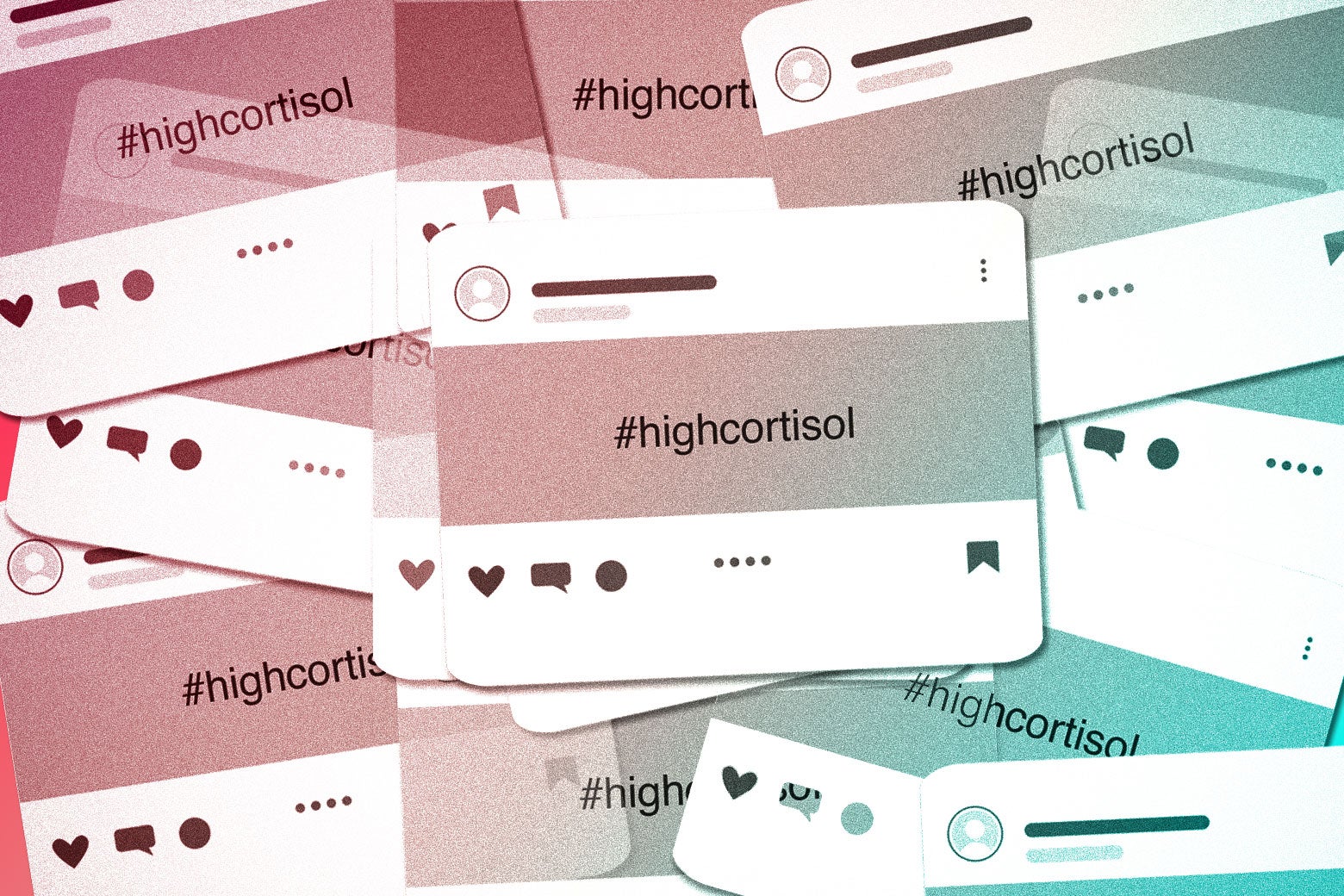
In recent times, a wave of Health TikTokkers is casting shadows on functions fundamental to our body's well-being. This surprising current has seen misinformation spread like wildfire. While platforms remain popular hubs for wellness advice, the misinformation stemming from TikTok trends can lead to misconceptions about real science-backed health practices.
How Misinformation Gains Traction
The power of virality on TikTok can turn simple snippets into booming trends, influencing potentially harmful ideas about health. Although not all posts are misleading, the impact of a viral trend can overshadow medically accurate advice, which could be potentially damaging.
"Just because something is trending doesn't make it true" - Public Health Expert.
The Real Science: What You Need to Know
Experts strongly advise against using social media as a sole source for medical advice. Proper functioning of body essentials like sleep patterns, dietary habits, and exercise routines are well-established in peer-reviewed scientific research. A study from the National Institutes of Health highlights the dangers of following unverified health hacks.
Beneficial Habits Backed by Science
- Regular physical exercises such as walking or biking.
- Maintaining a balanced diet rich in vegetables and lean proteins.
- Sufficient sleep for optimal mental and physical health.
One notable example causing waves is the trend of weighted pillows said to relieve anxiety and stress. While some users report benefits, scientific assessment shows that these items, like the popular weighted blanket, may work for some but are not universally effective solutions.
How To Discern Fact from Fiction Online
Staying informed means using a critical eye when evaluating online content. Look for expert opinions, validated research, and try cross-referencing information with reputable sources like the Centers for Disease Control and Prevention or the World Health Organization.
Finally, with the growing concern over health misinformation, many professionals are now joining platforms to offer legitimate advice. The call to action for users is to engage with science-backed posts and knowledgeable health practitioners on platforms like LinkedIn to benefits from authentic insights and substantiated health tips.
