
General Atomics' YFQ-42A: The Future of Unmanned Aerial Combat
Transforming Modern Warfare: Introduction to the YFQ-42A
The development of the YFQ-42A marks a significant milestone in drone technology and Military Aviation. Crafted to complement and enhance the capabilities of the F-35 and F-22 fighter jets, the YFQ-42A epitomizes innovation. But what exactly does it bring to the table?
Capabilities and Features of the YFQ-42A
- Enhanced Stealth Technology
- AI-Driven Flight and Targeting Systems
- Long-Endurance Mission Capability
- Advanced Surveillance and Reconnaissance
This comprehensive suite of features positions the YFQ-42A as a game-changer, providing an edge to combat missions with its AI-driven systems capable of adapting to dynamic combat scenarios.
Strategic Implications of Integrating YFQ-42A
"The key to innovating military airpower lies in integrating unmanned systems seamlessly with our existing fleet. The YFQ-42A is a crucial step forward." - John Doe, Aerospace Expert
As nations rapidly modernize their military arsenals, the integration of unmanned systems like the YFQ-42A becomes imperative. This drone not only amplifies the power of manned missions but also mitigates the risks involved in hostile environments.
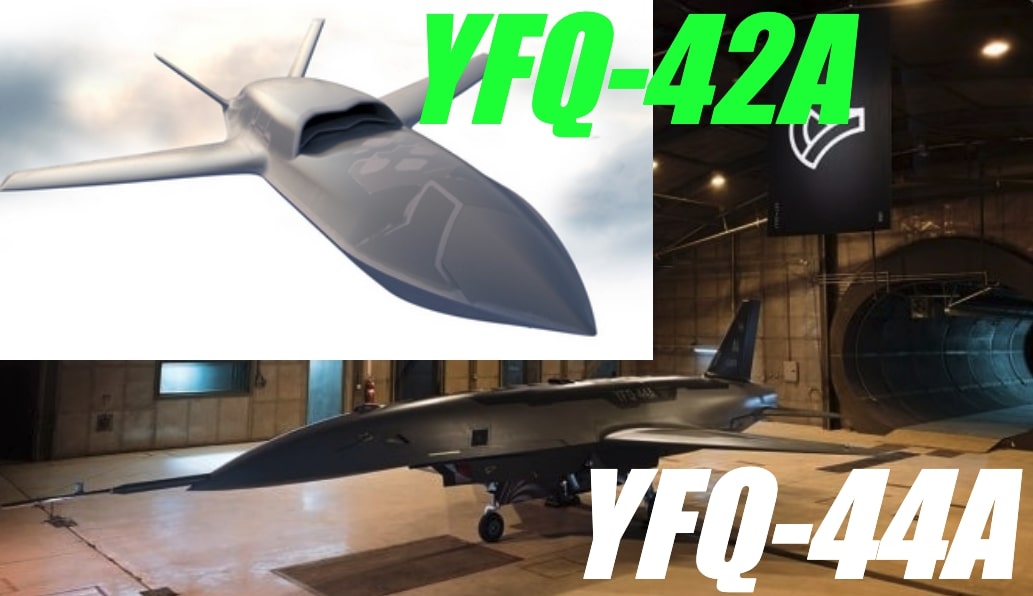
Comparing the YFQ-42A and Anduril YFQ-44A
While both the YFQ-42A and Anduril's YFQ-44A cater to the defense domain, they differ significantly. The YFQ-42A focuses on stealth and long-endurance missions, whereas the YFQ-44A offers versatility in both offensive and defensive tactics. Careful analysis can provide insights into which system better suits strategic needs.
Innovation in Military Technology: The Way Forward
The advent of drones like the YFQ-42A emphasizes the rapid pace of technological advancement in military applications. By 2025, it is anticipated that these drones will redefine aerial warfare, allowing for increased operational flexibility and reduced human risk.
For an in-depth understanding, consider reading this insightful LinkedIn Document on Military Aviation Evolution.
Engaging the Market: Potential for Commercial Production
While the military applications are clear, the YFQ-42A holds potential for civilian market adaptation, similar to how innovations often transition from military to civilian tech space. This potential shift could see applications in logistics and commercial surveillance.
Related Product: Drone and Aerial Photography for Beginners
