
A Groundbreaking Connection: Bipolar Disorder Mood Shifts and Insulin Signaling
The Interplay Between the Pancreas and the Brain
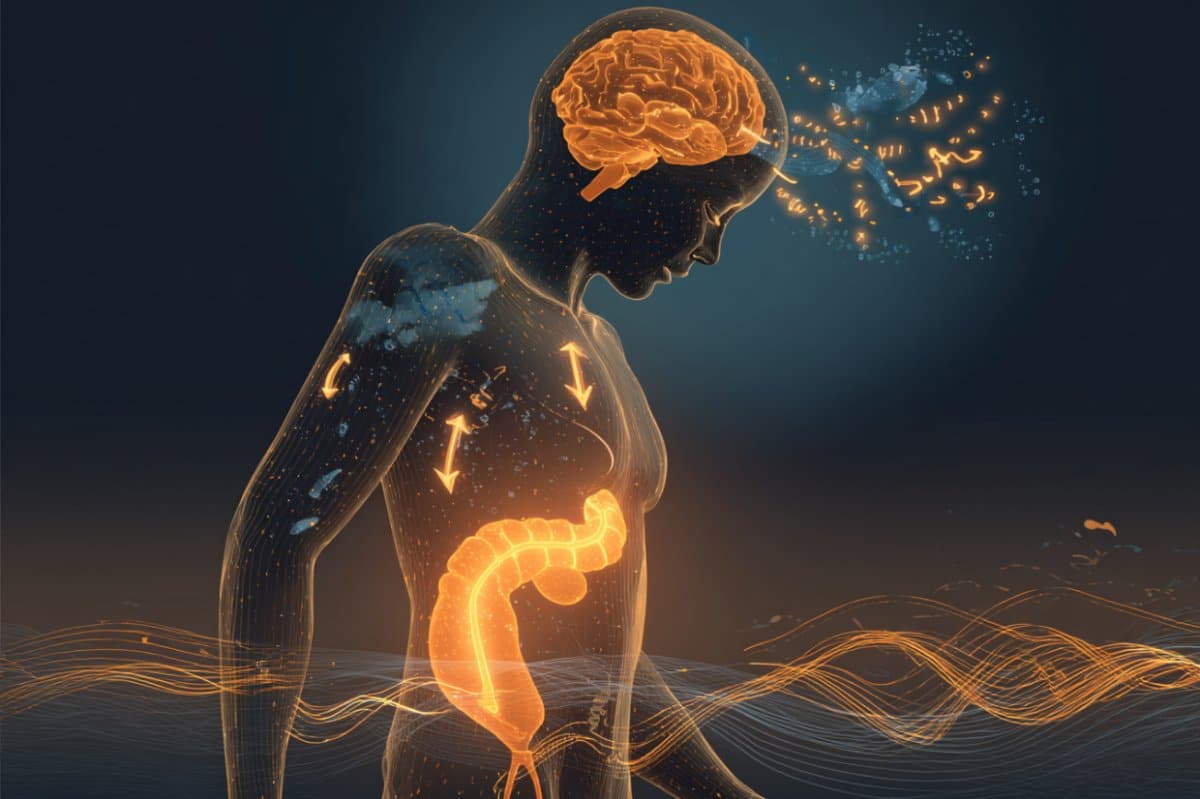
Recent research has highlighted a fascinating link between insulin signaling in the pancreas and mood shifts experienced in bipolar disorder. Scientists have discovered a pancreas-hippocampus feedback loop that plays a crucial role in modulating emotions and behavior.
Understanding Bipolar Disorder
Bipolar disorder, a mental health condition characterized by drastic mood swings from depression to mania, affects millions globally. Traditionally, treatment has focused on the brain, leaving the connection to other bodily systems largely unexplored.
The Pancreas–Hippocampus Feedback Loop
Using patient-derived pancreatic islets, researchers found reduced insulin secretion related to the emotional instability in bipolar disorder. This points to a novel interaction between pancreatic function and hippocampal activity.
“The gateway to a better diagnosis and treatment may lie where we least expect it – in the intricate mechanisms of the endocrine system.” – Dr. Angela Carson, Neuroscientist.
Potential Implications for Treatment
This new insight opens up potential pathways for novel treatments. Balancing insulin signaling could offer a new method to manage mood stability in those with bipolar disorder.
- Targeted Pharmaceutical Interventions
- Dietary Adjustments for Insulin Regulation
- Personalized Mental Health Plans
A Cross-Disciplinary Approach
This discovery encourages a cross-disciplinary approach to mental health, integrating endocrinology and neuroscience. For further insight, explore resources such as this book on neuroendocrine connections. Additionally, Dr. Angela Carson’s LinkedIn profile offers updates on related studies.
Exploration Beyond Traditional Therapy
The study prompts further exploration into how other bodily systems, like the immune system, contribute to mood disorders. This aligns with the growing body of research emphasizing the interconnectedness of the human body. In-depth resources are available on ResearchGate.
